
 Wine Advisor



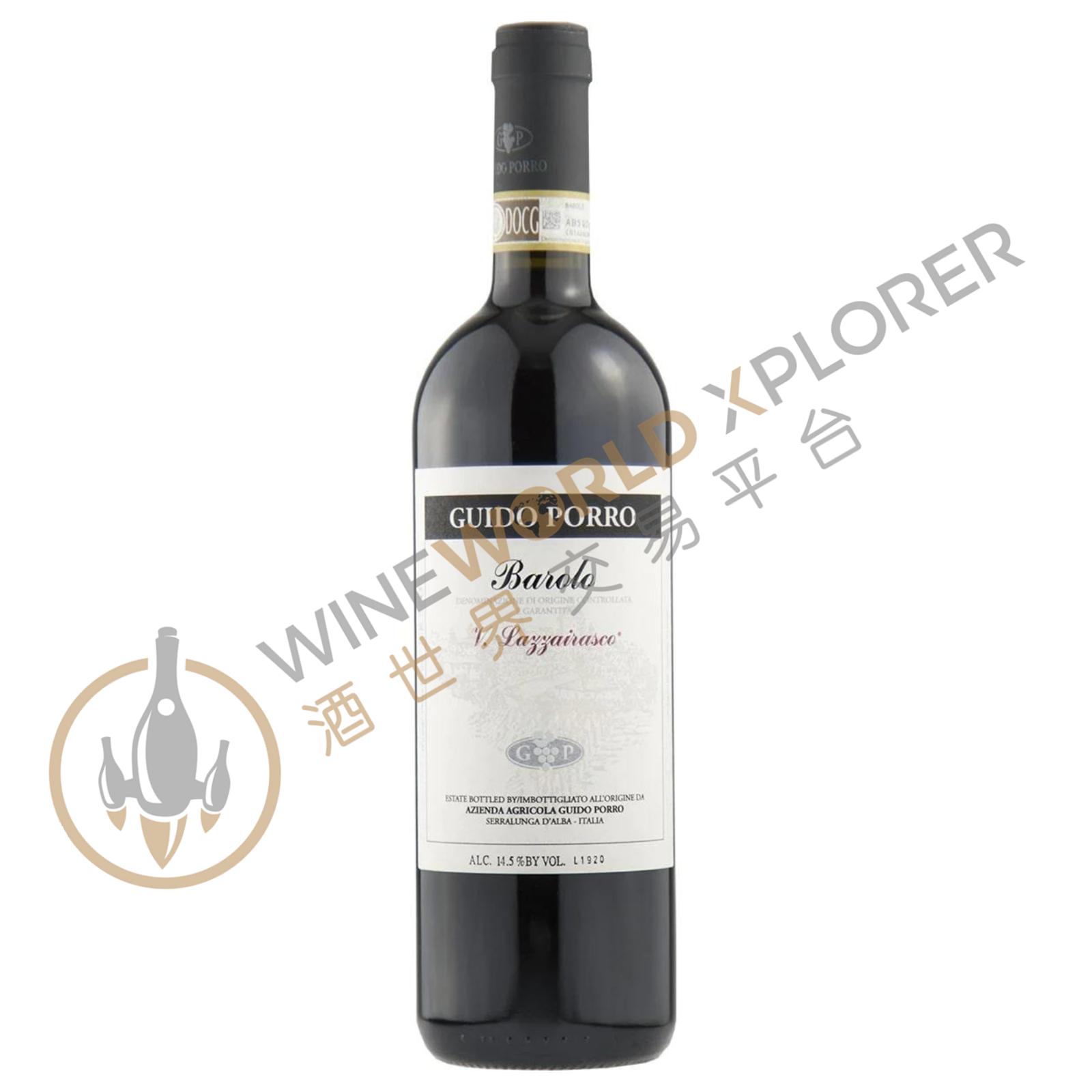
Guido Porro, Barolo Vigna Lazzairasco 2018
 View analysis


Description
Tasting notes

Reviewed by: Antonio Galloni
The 2018 Barolo Vigna Lazzairasco is a beguiling, nuanced wine. Sage, mint, dried tobacco leaves and cedar give the Lazzairasco its nuanced, complex aromatics. Medium in body, with gorgeous inner perfume and fine balance, the 2018 shows quite well today. Relatively soft tannins (for Serralunga) and mid-weight structure argue for near and medium term drinking,
About the Producer
In the land of Barolo, in Serralunga d’Alba, under the shade of the castle, there are the most important vineyards of the world. Also, the vineyards of family Porro stand in this area – “Lazairasco”, “Santa Caterina” and “‘l Pari” – in the “cru Lazzarito”, an eviable position. Exposed to south-west and south-east, the vineyards lay in the best sun of langa and produce Nebbiolo, Dolcetto, and Barbera. He is the fourth generation at an estate that has always been passed from father to son, and now fifth-generation Fabio is starting to lend a hand in the family business. The Porros continue to work just as their predecessors did—the only major change over the last few decades has been the decision to bottle at the estate instead of selling the wine in demijohns or barrels. The limestone-heavy soils of Serralunga d’Alba are known for providing the most long-lived and full-bodied Barolos. The cantina overlooks Porro’s vineyards in the Lazzarito cru, a gorgeous amphitheater that faces south-southwest and offers the grapes full sun exposure and protection from the wind. The sub-zones of Lazzairasco and Santa Caterina share the same soil but differ in exposure and altitude, resulting in two very different Baroli. Even Porro’s Dolcetto and Barbera, grapes usually planted in lesser vineyards, enjoy a privileged place in Lazzarito. The vineyard is 6 hectares (15,8 Piedmontese giornate) .Vines are Lazairasco, Santa Caterina, ‘l Pari. Guido expanded the family’s holdings in 2007, acquiring land in the nearby cru Gianetto, where the sandier soil yields a more immediate, open-knit Barolo. He then inherited a small slice of Serralunga’s fabled cru Vigna Rionda in late 2010. Guido sticks to traditional methods in the vineyards and cellar, and he never gets in the way of the grapes’ natural expression. Besides, his yearly production is 25,000 bottles.
