
 Wine Advisor



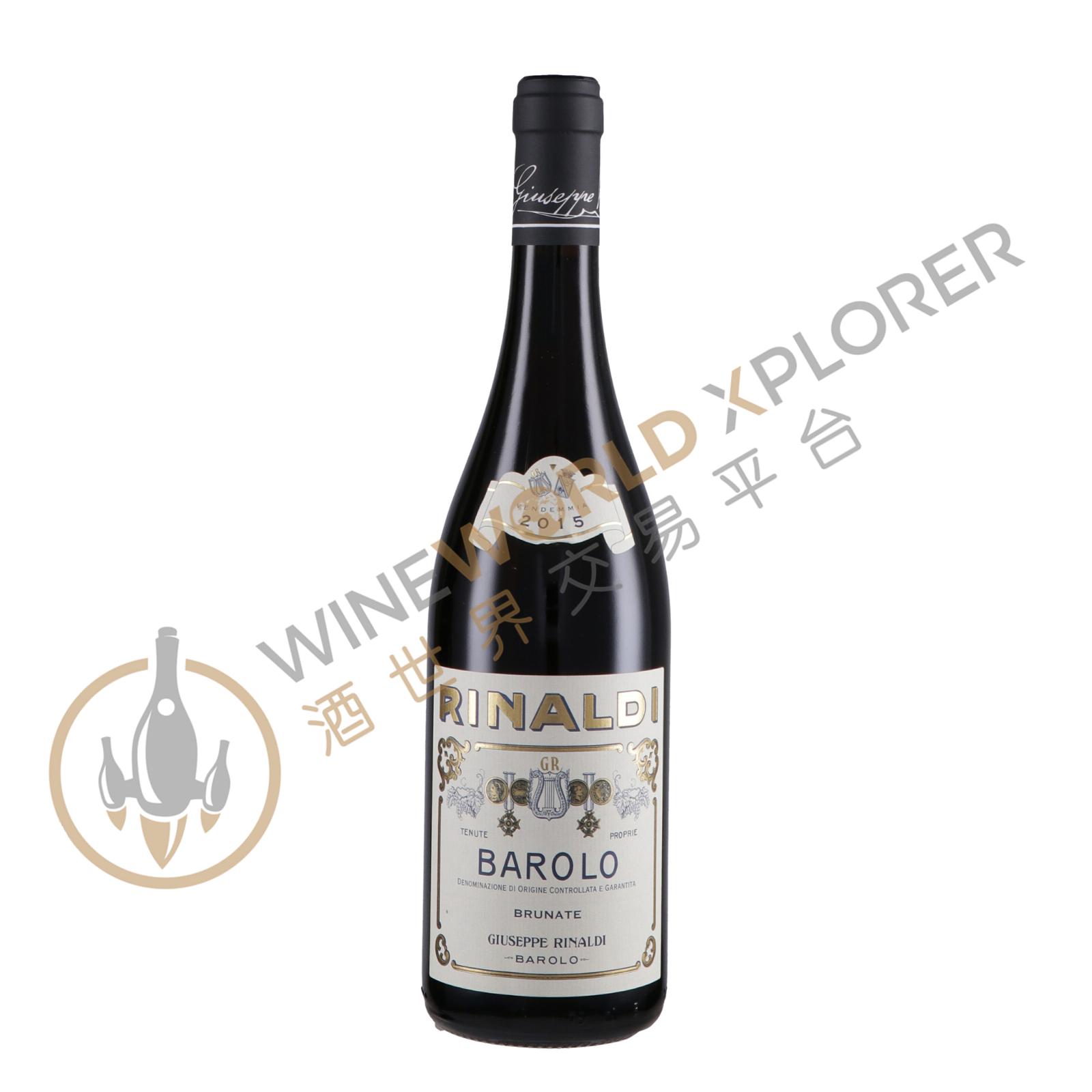
Giuseppe Rinaldi, Barolo Brunate Le Coste 2003
 View analysis


Description
Tasting notes

Reviewed by: Antonio Galloni
2003 Barolo Brunate/Le Coste—Consistent with previous impressions, the 2003 Brunate/Le Coste is a powerhouse, but it has evolved positively in barrel. It offers the classic balsamic profile of menthol, spices, licorice, cocoa and sweet dark fruit, with notable concentration and plenty of fleshiness to balance the big tannins, on a huge, strapping frame. While not for the timid, this wine does offer good overall harmony, in its own potent way. (88-91), 11/05 The two vintages offer an interesting contrast, as this producer’s wines really capture the freakishness of 2003 and the superb elegance of 2004. When I tasted the 2003s last year, I found the Cannubi (San Lorenzo)/Ravera to be better balanced but since then the Brunate/LeCoste has come together, and it now appears to be the wine that offers better potential.
Reviewed by: Antonio Galloni
2003 Giuseppe Rinaldi Barolo Brunate/Le Coste (from barrel)—A powerhouse. Massive, rich, and packed with over the top super-ripe jammy fruit, while maintaining a classic, austere profile. Very endowed on the palate, today this is a bit much, but we’ll have to see how it evolves. I have been positively surprised by the development of other 2003s, so this may settle down over the next few years… For now, this is not for the faint of heart! (86-88) points, 12/04 Rinaldi makes two Barolos, both of which are made from blends of grapes from two vineyards. “I don’t believe in the idea of labeling vineyards as first-class, second-class, third-class and so forth,” Rinaldi explains. “In the past, we always made Barolo by blending grapes from different vineyards with different characteristics and positions. For example, we would use grapes from La Morra and Barolo to give elegance, and grapes from Serralunga or Castiglione Falletto to give structure. The resulting wine had a balance of acidity, body and tannins with a lot of overall harmony. That is the real tradition. It is no coincidence that in very hot years like 2000 and 2003, the best wines come from so-called ‘second-class’ vineyards.” Rinaldi’s two Barolos are Brunate/LeCoste and Cannubi(San Lorenzo)/Ravera. The better known of the wines is the Brunate/Le Coste, which is available in larger quantities. The wine is made from a blend of about 60% Brunate fruit and 40% Le Coste fruit. The less well known, though no less important, wine is the Cannubi(San Lorenzo)/Ravera, which is produced in much smaller quantities and is therefore harder to find. The vines at Cannubi are in the San Lorenzo section, where soils are sandy and the wines generally lighter in color, and more delicate and aromatic in flavor. The Barolos are made in a rigorously traditional fashion. Fermentation and maceration take place in a 100-year-old open top wood vat for 20-30 days, without temperature control or the use of selected yeasts. The wines are aged for three and a half years exclusively in cask. In most vintages the Brunate/Le Coste is the bigger, rounder, more masculine wine while the Cannubi(San Lorenzo)/Ravera is typically the more aromatic, feminine and accessible of the two Barolos.
Reviewed by: Antonio Galloni
Rinaldi’s 2003 Barolo Brunate/Le Coste is deeply flavored and intense, with more than enough fruit to balance its tannic structure. The characteristic balsamic notes that are typical of this wine literally jump out of the glass. This seriously long and powerful Barolo is also remarkably accessible and is a great introduction to one of Piedmont’s great wines. When tasted separately the different qualities of the two vineyards are striking. Brunate provides the muscle and complexity, while Le Coste gives the wine a measure of softness. Anticipated maturity: 2009-2019. I always look forward to visiting this small, family-run property as Giuseppe Rinaldi is one of the most entertaining producers in the zone. Armed with a wicked sense of humor, he is apt to keep visitors engaged for hours. Walking into the cellar is like stepping into the past, a time when the pace of life was much slower and still rooted in a more human tempo. Like all producers Rinaldi was faced with the prospect of an unusually early harvest. "I absolutely refused to pick my Nebbiolos in September, so I waited until the first of October," says Rinaldi. I have never seen anything like 2003. It was so hot that summer that on many evenings I would take a candle and good book and go sleep in the cellar." Rinaldi's 2003s are more successful than I had originally envisaged, yet his 2004s were rapturous when I tasted them from barrel a few months ago. Giuseppe Rinaldi's Barolos remain among the most rigorously traditional wines being made today. They will appeal most to readers looking for pure, unadulterated wines, that while not always perfect from a technical standpoint, never fail to deliver a memorable drinking experience. Importer: Vinifera Imports, Ronkonkoma, NY; tel. (631) 467-5907
Reviewed by: Antonio Galloni
Rinaldi's 2003 Barolo Brunate/Le Coste is deeply flavored and intense, with more than enough fruit to balance its tannic structure. The character istic balsamic notes that are typical of this wine literally jump out of the glass. this seriously long and powerful Barolo is also remarkably accessible and is a great introduction to one of Piedmont's great wines. When tasted separately the different qualities of the two vineyards are striking. Brunate provides the muscle and complexity, while Le Coste gives the wine a measure of softness.
About the Producer
The story of the Rinaldi winery begins with its founder, Battista Rinaldi, who in the nineteenth century was a farmer and tended to some vineyards owned by Marchese Falletti di Barolo. Eventually, he became the owner of a small farm and started selling the grapes he produced. With his children, he began making wine, and the family tradition was passed down from father to son until the current owners, Giuseppe Rinaldi and his daughter Marta Rinaldi. Giuseppe Rinaldi, a renowned winemaker, passed away in 2018, leaving the company in the capable hands of his daughter Marta, a graduate winemaker from the Alba school who had worked alongside her father in the vineyards and cellar for many years. The Rinaldi winery owns over 10 hectares of vineyards, including some of the most famous crus of Barolo, such as Brunate, Cannubi-San Lorenzo, and Ravera. The winery has always been a point of reference for the Barolo territory, producing classic, deep wines that age beautifully and reflect the unique terroir in which they were born. The Barolo Rinaldi is one of the winery's flagship products, sought after by connoisseurs and collectors, especially the Giuseppe Rinaldi Barolo 2010. Marta manages the vineyards with a deep respect for the environment and the traditions of the territory. The vineyards are managed naturally, with a rigorous approach that never forgets the fundamental importance of rural culture. The management of the vineyards and the vinification follow traditional Langa philosophies, with a focus on naturalness and respect for the varietal characteristics of the vines. The wine undergoes long macerations on the skins in open truncated cone vats and is aged in large Slavonian oak casks. The winemaking process involves the use of natural yeasts and maceration in wooden vats, aging in large oak barrels, and the use of sulfur dioxide. The total SO2 in the bottle is 50mg/l.
