
 Wine Advisor



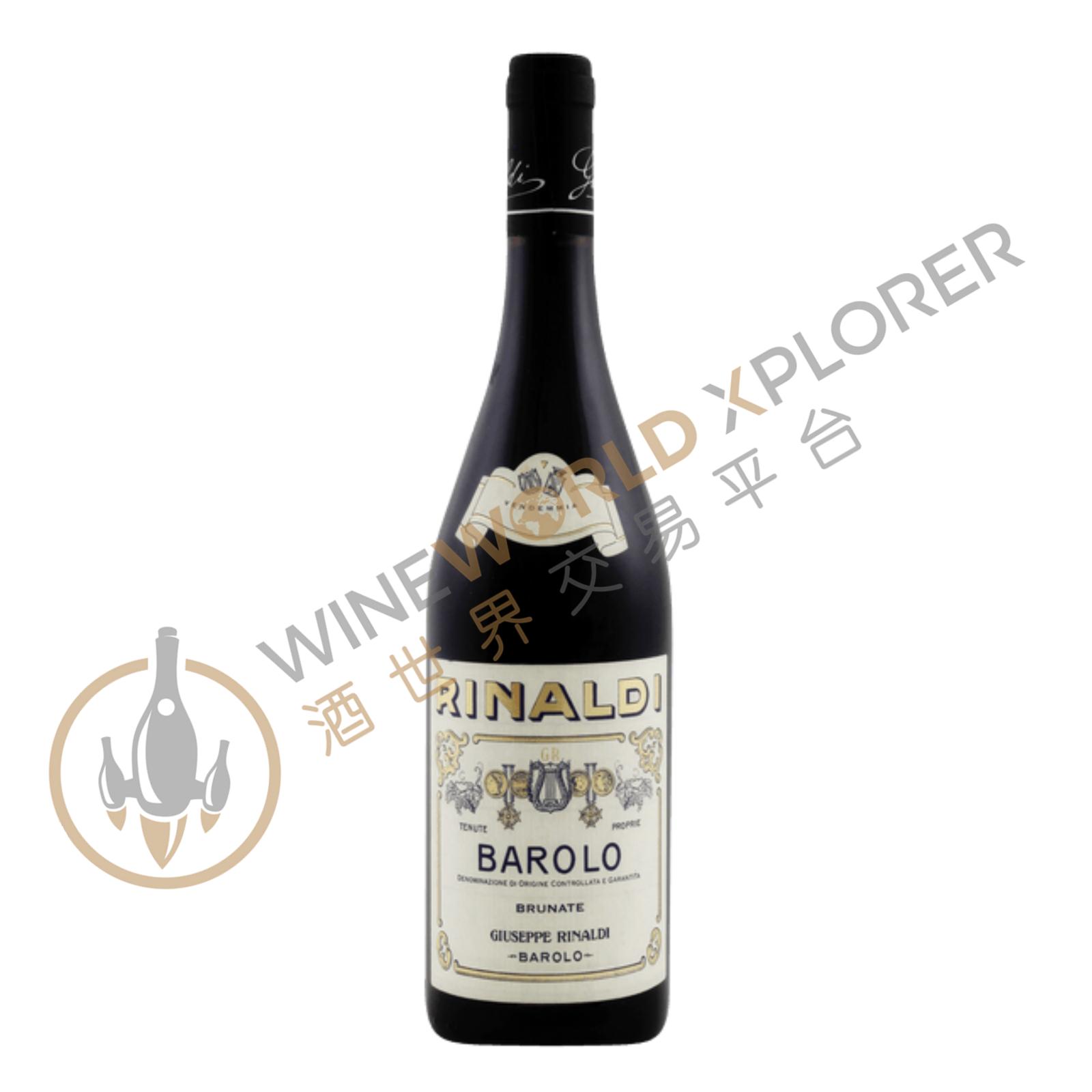
Giuseppe Rinaldi, Barolo Brunate 2015
 View analysis


Description
Tasting notes

Reviewed by: Monica Larner
The 2015 Barolo Brunate benefits from a thicker soil profile in this vineyard that consequently bumps the wine's aromatic intensity and staying power up a notch or two. This wine is almost crunchy in texture, with a subtle snap or crackle as it hits the palate. It shows enormous beauty and richness with a dark fruit profile followed by elements of spice, tar, tobacco and moist potting soil. There are floral notes as well with rose and lavender. This wine will reward those with the patience to wait.
Reviewed by: Antonio Galloni
Rinaldi's Barolo Brunate is refined and light on its feet in 2015, with a bit less structure and overall depth than is the norm. That is not at all surprising, as the 2015 Brunate has always been a relatively light wine by Rinaldi standards. Dark red cherry, plum, licorice, sage and balsamic notes shape this expressive yet understated Barolo from Rinaldi.
About the Producer
The story of the Rinaldi winery begins with its founder, Battista Rinaldi, who in the nineteenth century was a farmer and tended to some vineyards owned by Marchese Falletti di Barolo. Eventually, he became the owner of a small farm and started selling the grapes he produced. With his children, he began making wine, and the family tradition was passed down from father to son until the current owners, Giuseppe Rinaldi and his daughter Marta Rinaldi. Giuseppe Rinaldi, a renowned winemaker, passed away in 2018, leaving the company in the capable hands of his daughter Marta, a graduate winemaker from the Alba school who had worked alongside her father in the vineyards and cellar for many years. The Rinaldi winery owns over 10 hectares of vineyards, including some of the most famous crus of Barolo, such as Brunate, Cannubi-San Lorenzo, and Ravera. The winery has always been a point of reference for the Barolo territory, producing classic, deep wines that age beautifully and reflect the unique terroir in which they were born. The Barolo Rinaldi is one of the winery's flagship products, sought after by connoisseurs and collectors, especially the Giuseppe Rinaldi Barolo 2010. Marta manages the vineyards with a deep respect for the environment and the traditions of the territory. The vineyards are managed naturally, with a rigorous approach that never forgets the fundamental importance of rural culture. The management of the vineyards and the vinification follow traditional Langa philosophies, with a focus on naturalness and respect for the varietal characteristics of the vines. The wine undergoes long macerations on the skins in open truncated cone vats and is aged in large Slavonian oak casks. The winemaking process involves the use of natural yeasts and maceration in wooden vats, aging in large oak barrels, and the use of sulfur dioxide. The total SO2 in the bottle is 50mg/l.
