Wine Advisor



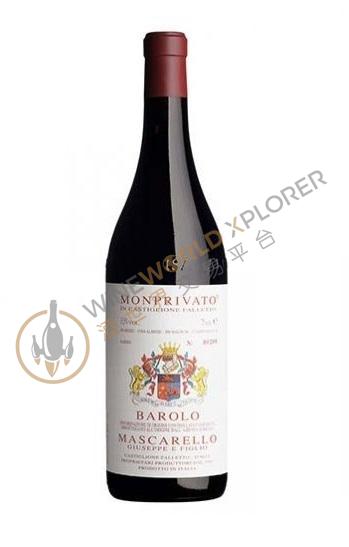
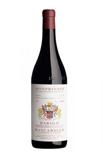
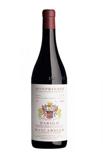
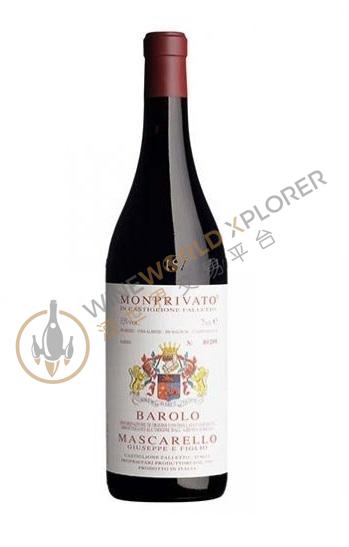
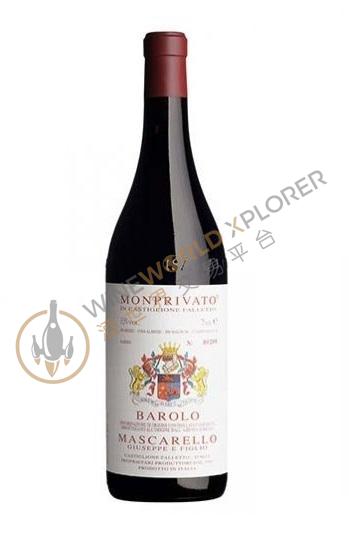
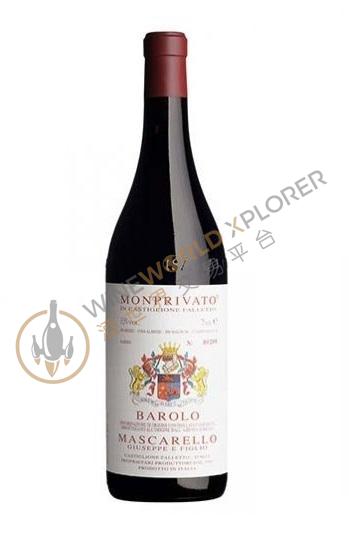
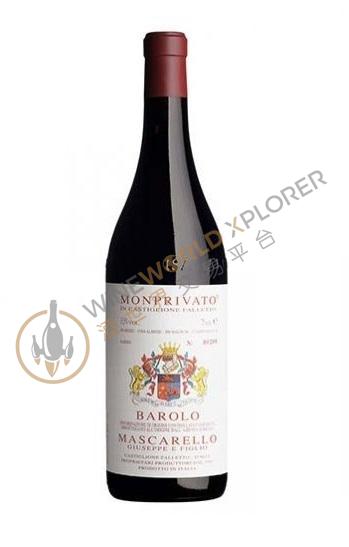
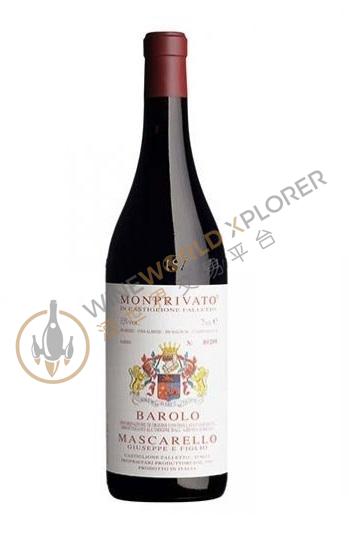
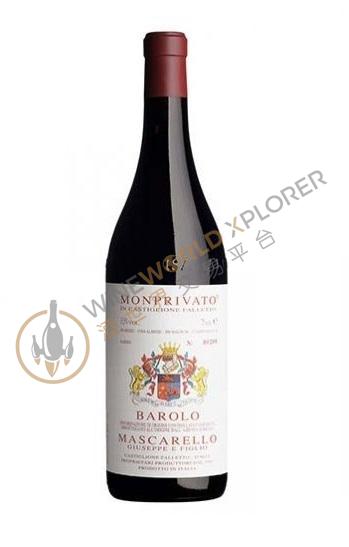
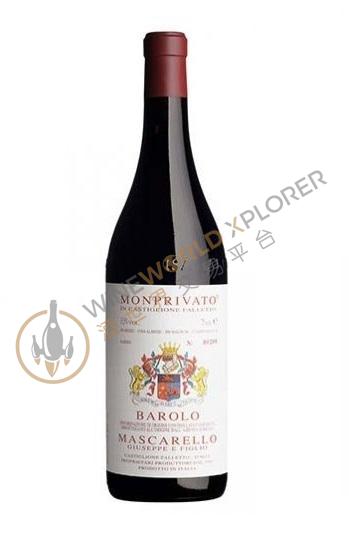
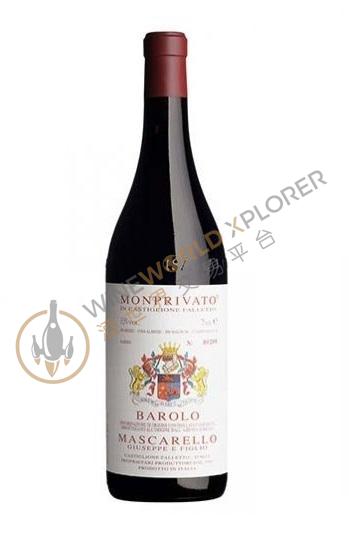
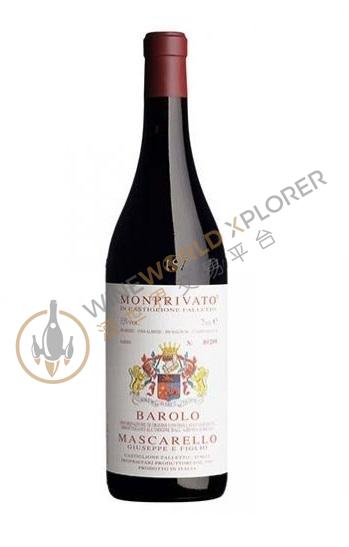
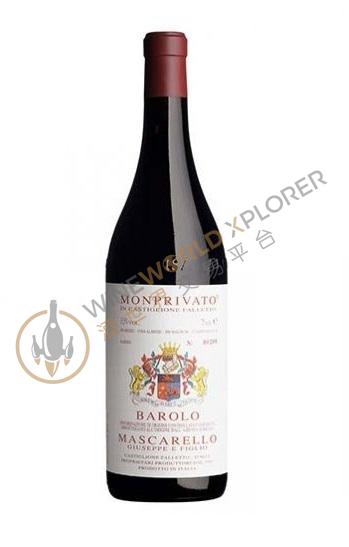
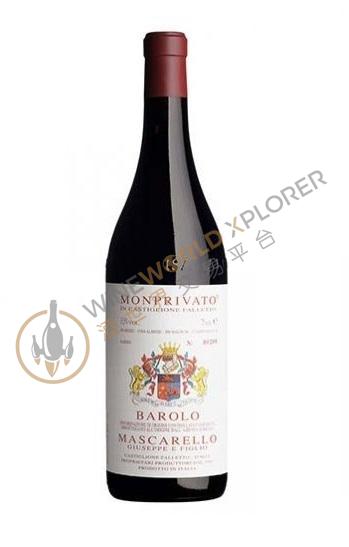
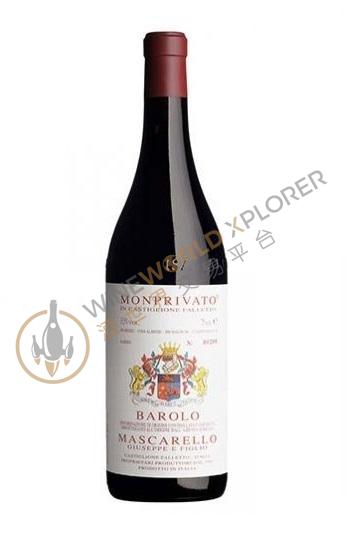
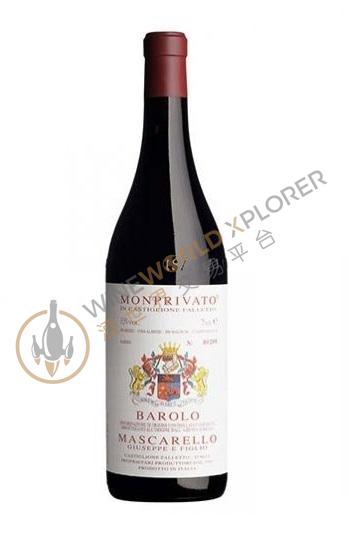
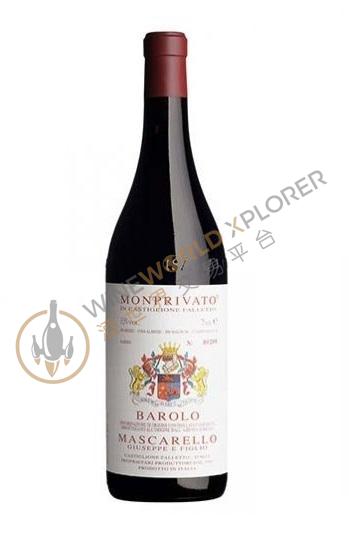
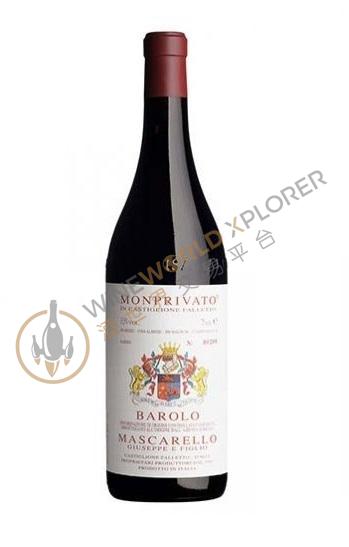
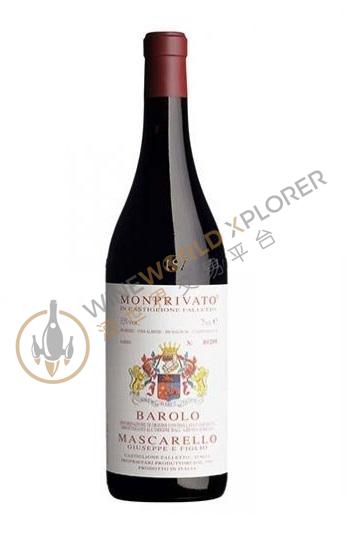
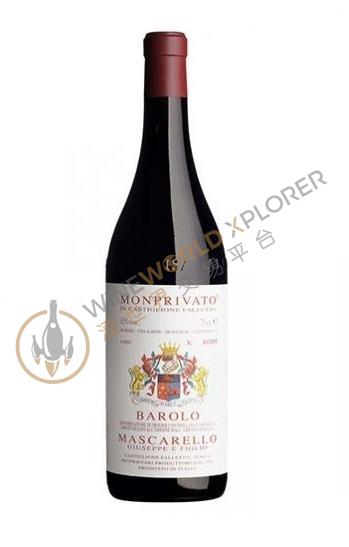
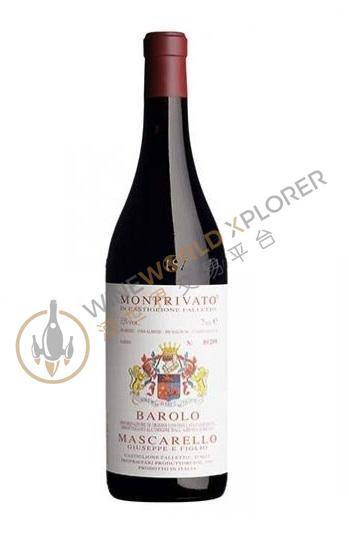
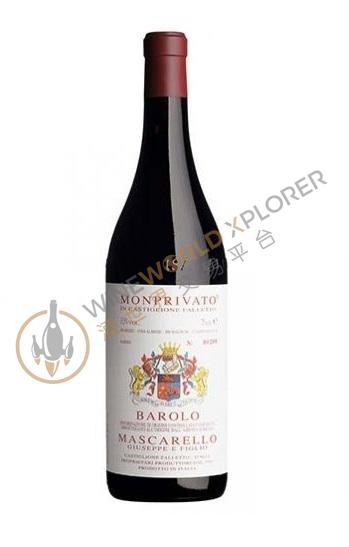
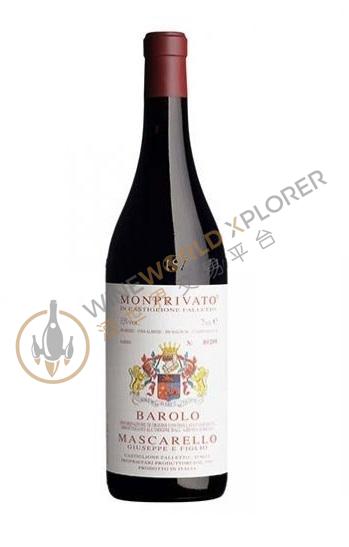
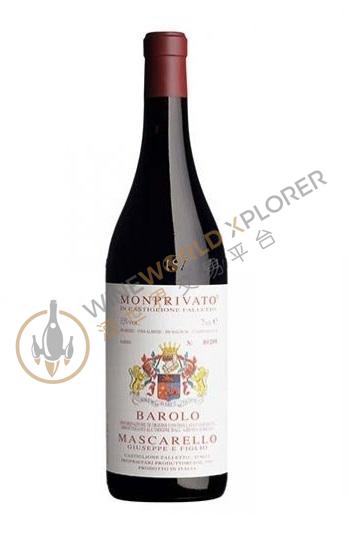
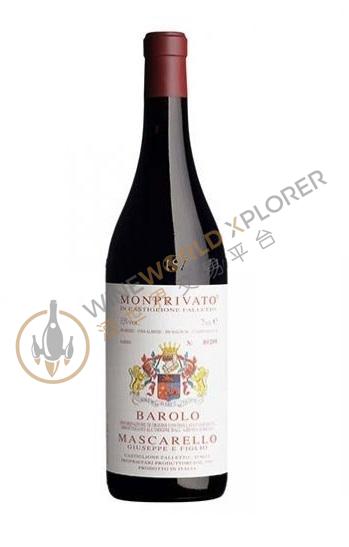
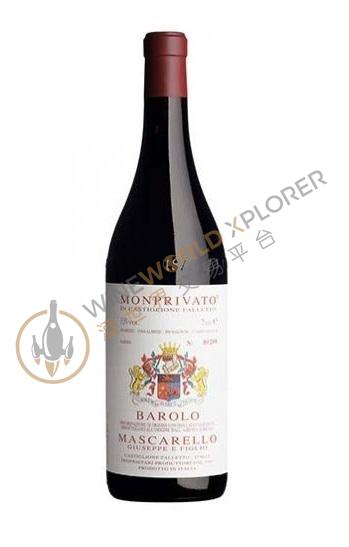
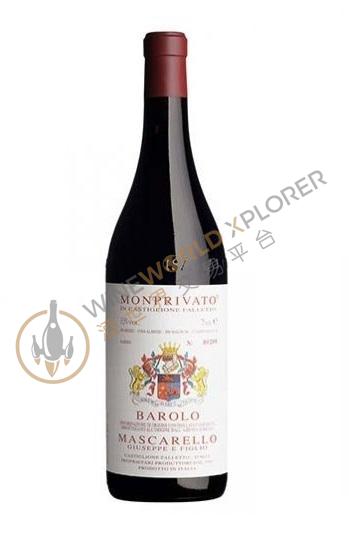
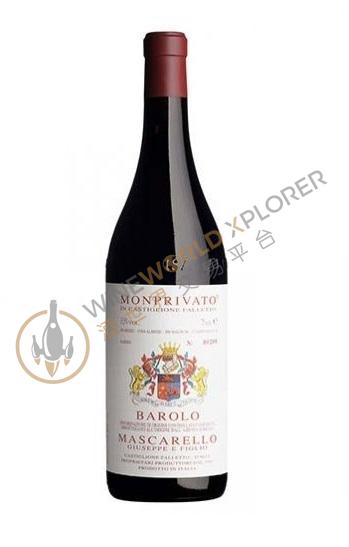
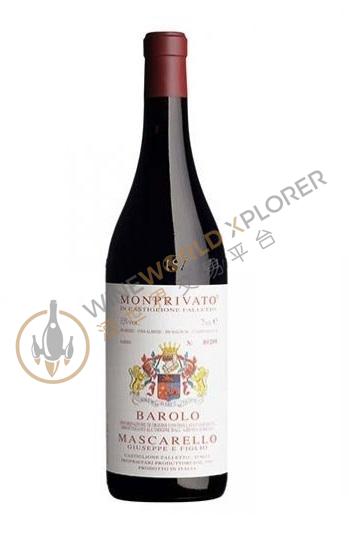
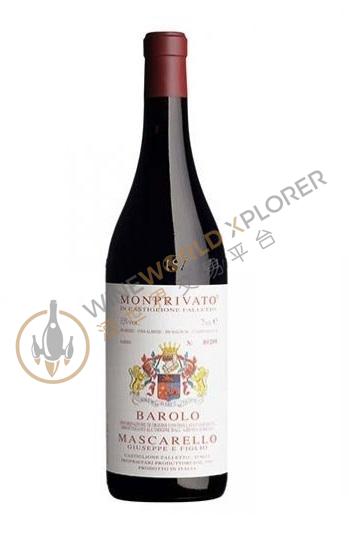
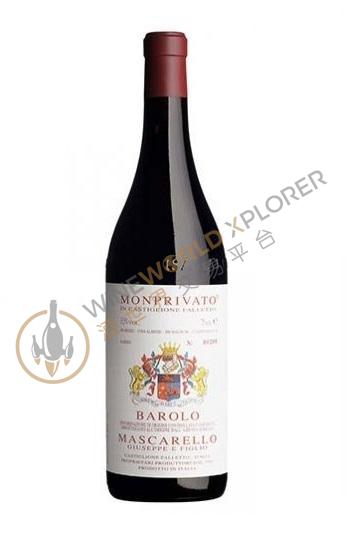
Giuseppe Mascarello e Figlio, Barolo Monprivato 2013
 View analysis


Description
Tasting notes

Reviewed by: Monica Larner
These wines from Mauro Mascarello and his family all need more time to open, but rest assured they are heading down the right path. Like the others, the 2013 Barolo Monprivato is taking its sweet time. The wine opens to a brilliant ruby hue. This beautiful color intensity and even tonality is very characteristic of this cooler vintage. The wine is still on the nervous side, with tight tannins and cooling acidity. But it is also very elegant and fine in terms of its aromatic output. It will gain more volume and intensity with time. My score seeks to underline where this wine will be in a decade or more.
Reviewed by: Antonio Galloni
The 2013 Barolo Monprivato is perplexing. Light in color, intensity and structure, the 2013 offers only modest depth, even by the standards of this typically restrained Barolo. The orange peel, rosewater, rhubarb and cranberry flavors are tart and washed out. There is lovely persistence and a touch of grip on the finish, but that's about it. Few growers have done more for the image of Piedmont and Barolo over the last several decades than Mauro Mascarello. The estate has recently replanted major sections of their vineyards, including Monprivato. Perhaps there was something going on in the fields that has affected the quality of these wines of late. It's hard to say. But there is simply no getting around the simple fact that this is the fifth year in a row Mascarello has underperformed.
About the Producer
History Since time immemorial Nebbiolo has been the most highly-prized vine and the wine-growing emblem of Alba and the Langa, and when it is matched with a great wine-making terroir it is capable of expressing itself at sublime levels in wines of remarkable personality, intense bouquet, great smooth tannins, and outstanding possibilities of evolution and resistance over time. The members of the Giuseppe Mascarello family have been growing wines for more than a century and a half, first as farmers running the Manescotto estate in the village of La Morra for the Marchesa Giulia Colbert Faletti di Barolo, and then on their own property since the late 1800s. MAURO MASCARELLO Mauro Mascarello first worked in the winery for many years alongside his father, before taking on the responsibility of running the cellar in Monchiero in 1967, when he also made his first wines. In 1970 he began to vinify the grapes grown on each single vineyard separately, starting with the MONPRIVATO Nebbiolo and then proceeding with the other vineyards. Upon the death of his uncle Natale in 1979, Mauro Mascarello purchased his company, re-uniting it into the Azienda Agricola Giuseppe Mascarello e Figlio. In 1980 he assumed direct responsibility for the family’s MONPRIVATO vineyard, continuing to run it with the same philosophy: application of the techniques that have always been followed to obtain the highest quality of “grape raw material” from every point of view. Famiglia Mascarello Mauro Mascarello's farm is now run with the help of his wife Maria Teresa on the accounts-administration side, and – though not yet full-time – his son Giuseppe, who qualified as a wine technician from the Agricultural and Enological Institute in Alba in 1994. In the years 1982, 1985, 1987, and 1990, a series of purchases completed the ownership of the MONPRIVATO vineyard, and Mauro Mascarello became the only producer of this Barolo cru. The Vineyards The Mascarello family property extends over 15 hectares of vineyards, all located within the Barolo wine-growing area. Some, like the MONPRIVATO vineyard, can now be said to be a part of the family history, while the grapes grown on others were first purchased by Mauro before – having had the opportunity to ascertain their quality – he managed to buy the vineyards for the estate. The Wine The fine wines grown on the Giuseppe Mascarello farm include – alongside Barolo MONPRIVATO – the following Barolos: Bricco, Villero, and Codana from vineyards in Castiglione Falletto, and Santo Stefano di Perno from vineyards in Monforte d’Alba.