
 Wine Advisor



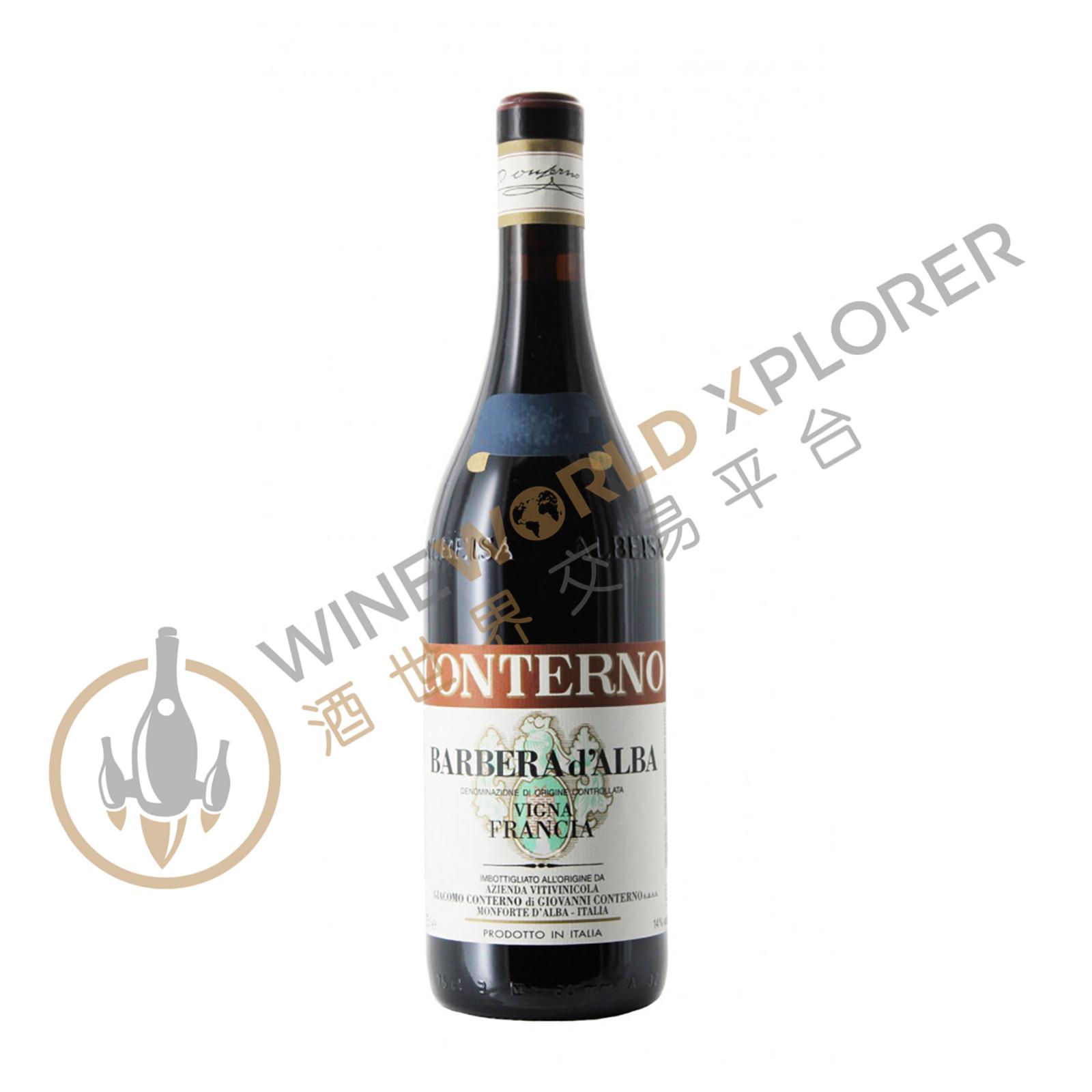
Giacomo Conterno, Barbera d'Alba Vigna Francia 2010
 View analysis


Description
Tasting notes

Reviewed by: Antonio Galloni
The 2010 Barbera d’Alba Cascina Francia is dark and brooding in this vintage. Melted road tar, incense and black fruit flesh out on this intense, powerful Barbera. The Cascina Francia can sometimes offer plenty of early appeal, but not in 2010. This is a wine that needs time. A fleshy, creamy finish backed up by serious structure suggests the best is still several years away at a minimum. The Cascina Francia is slightly rounder in style, while the Ceretta is a decidedly more linear, focused Barbera. In 2010, the Cascina Francia was picked first. Anticipated maturity: 2016-2030. A stop at this historic cellar in the center of Monforte is always fascinating, as no one keeps Barolo longer in cask than Roberto Conterno, giving the visitor a chance to taste numerous wines all in various stages of their maturation. If forced to pick a favorite recent vintage, I would vote for 2010, a year in which all of the wines are fabulous. Next would be 2008 and 2006, two super-classic years. Robero Conterno is by far the most enlightened of the traditional producers in Barolo. I don’t think too many producers taste their wines as often as Roberto Conterno does, but what really separates Conterno from the overwhelming majority of his peers is his intense intellectual curiosity about the world’s great wines. The Conterno wines remain traditional in interpretation, but they are also clearly the work of a winemaker living in his time and not the past. This set of new releases is full of highlights, but the Barbera from Conterno’s Cerretta vineyard is particularly of note because it is the most improved wine in the lineup. When Conterno purchased this plot in 2008, he told me it would take 2-3 years to get the vineyard into top shape. When I asked him recently where he was in that process, the answer was, “Ninety percent.” Readers should note that the two flagship Baroli, Cascina Francia and Monfortino, were especially shut down every time I tasted them this past summer. Conterno bottled a month earlier than normal this year, and I think that is the reason the wines were particularly impenetrable. Readers may also want to take a look at my previous reviews, based on barrel samples, for greater context. Importers: Polaner Selections, Mt. Kisco, NY; tel. (914) 244-0404; The Rare Wine Co., Sonoma, CA; tel. (707) 996-4484
Reviewed by: Antonio Galloni
The 2010 Barbera d’Alba Cascina Francia is bigger, richer and broader than the Cerretta. Rose petals, sweet herbs, plums and dark cherries wrap around the palate in this striking, intensely satisfying Barbera. Anticipated maturity: 2015-2030. Roberto Conterno’s 2008s capture the best qualities of the vintage. They are intensely perfumed and impeccably refined. These will be fascinating wines to follow over the coming years. As for the rest of the wines in cask, they are pretty spectacular, too. Today I am most optimistic about the 2010s, but there seems to be no shortage of great wines aging in this historic cellar. Readers who want to get an early impression on 2010 will want to check out Conterno’s Barbere, which are shaping up beautifully. Importers: Polaner Selections, Mt. Kisco, NY; tel. (914) 244-0404, The Rare Wine Co., Sonoma, CA; tel. (707) 996-4484
About the Producer
Roberto Conterno took full control over the running of this famous estate just outside Monforte d'Alba, Piedmont, in 2003, when his father Giovanni Conterno passed away. Giovanni was the oldest son of the winery founder, Giacomo Conterno, and initially worked alongside his brother, Aldo Conterno. In 1969 the two sibling winemakers parted ways to create their own styles of Barolo. Roberto continues to practice the traditional winemaking techniques of the area, producing long-lived, earthy wines. The focus has been strictly on nebbiolo and barbera since their freisa and dolcetto vines were grubbed up. Roberto also stresses the importance of organic viticulture especially in the early years of the vines' growth. The estate is most renowned for its great Barolos, Cascina Francia and Monfortino Riserva. The latter is produced only in the very best of vintages and aged at least 7 years in large oak 'botti'. This is regarded as one of the finest Barolos produced today and by many as the finest wine made from Nebbiolo in the world.
