
 Wine Advisor



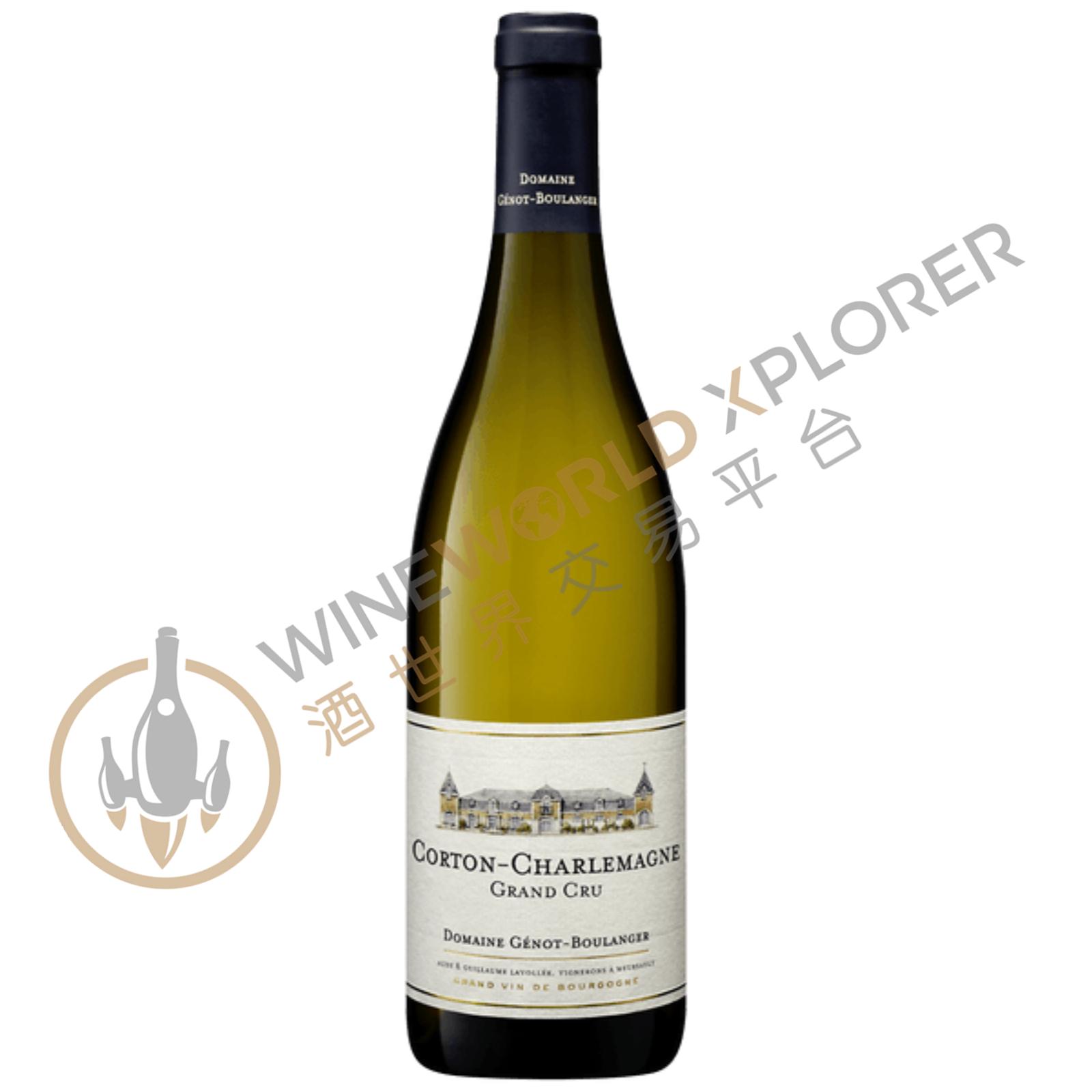
Genot Boulanger, Corton Charlemagne Grand Cru 2019
 View analysis


Description
Tasting notes

Reviewed by: Neal Martin
The 2019 Corton-Charlemagne Grand Cru, located in Le Charlemagne, was strangely muted on the nose when I tasted it and had a hard time following on from the excellent Les Folatières. The palate is well balanced with a fine bead of acidity, quite saline in the mouth and impressively precise on the finish. Hopefully the aromatics will improve by the time of bottling. I need to be more moved by this.
Reviewed by: Neal Martin
The 2019 Corton-Charlemagne Grand Cru, located in Le Charlemagne, was strangely muted on the nose when I tasted it and had a hard time following on from the excellent Les Folatières. The palate is well balanced with a fine bead of acidity, quite saline in the mouth and impressively precise on the finish. Hopefully the aromatics will improve by the time of bottling. I need to be more moved by this.
About the Producer
The Domaine began its history as the life-long dream of two Parisian pharmacists, Charles-Henri Génot and his wife Marie Boulanger, that was realised when they moved to Meursault and purchased vineyards in Mercurey in 1974. They began to gradually build up the Domaine with further acquisitions in the Côte d'Or including Meursault, Volnay and Chassagne. In 1995 the Domaine expanded again into the Côte de Nuits, Corton and Aloxe-Corton Clos du Chapitre. By 1998 Francois Delaby had inherited 22 prime hectares of vineyard area in Burgundy. He was joined by daughter Aude and son in law Guillaume Lavollée who, in turn, took over the running of the Domaine in 2008, becoming the fourth family generation of the estate's history. Aude and Guillaume were clear on their mission from the off - to produce wines that express the complexity and finesse of their great Burgundian terroirs - recognising the quality of the vineyard to be the most important factor to get right. So they began their tenure by concentrating on viticulture and the health of the soil, starting conversion to organic farming - a process that ended with full certification in 2018. Winemaking follows a non-interventionist approach. For reds whole bunches are included during fermentation to a small degree when appropriate, or equally berries are completely de-stalked depending on the vintage. Fermentations are with indigenous yeasts and extractions are gentle. The wines are aged with 20% new oak barrels for 12 months followed by 6 months ageing in tank.
