Wine Advisor



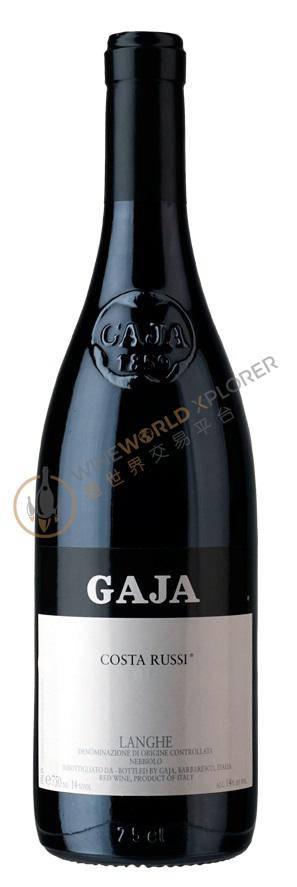
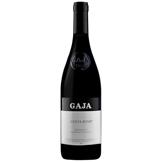
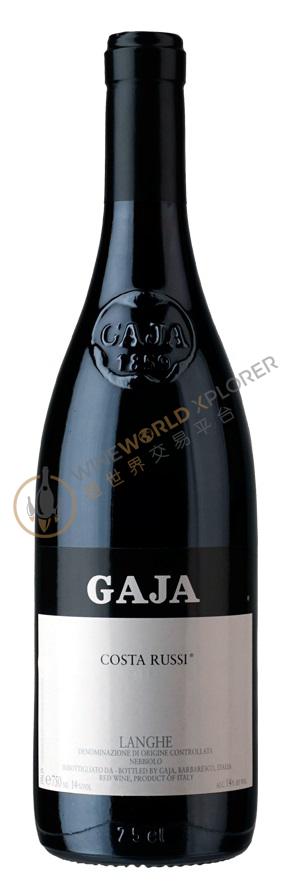
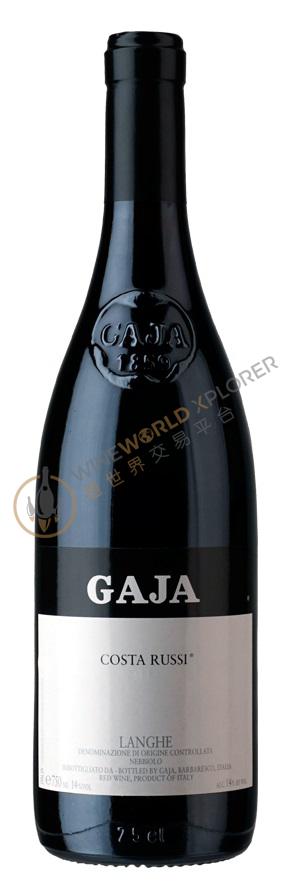
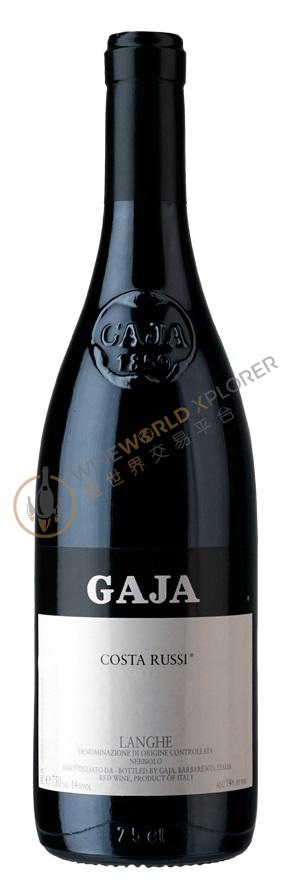
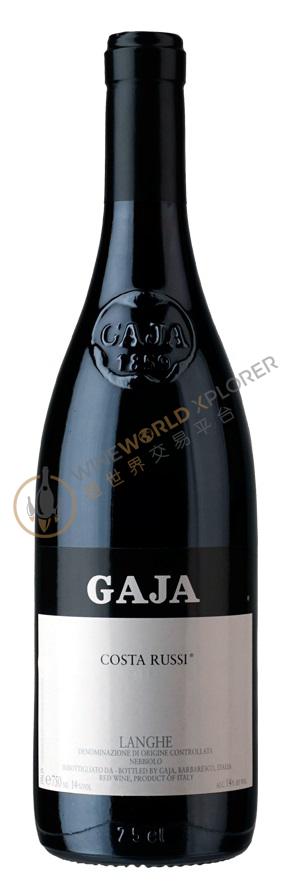
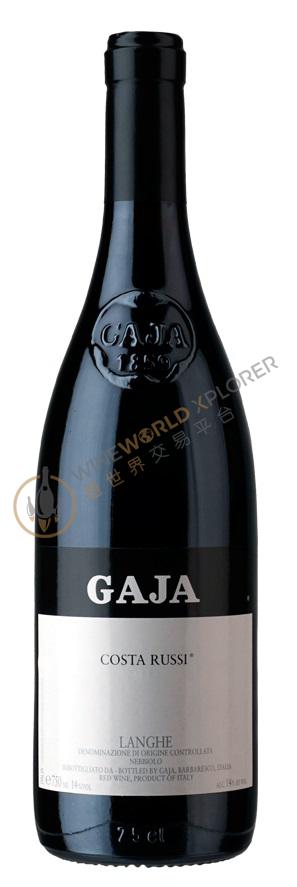
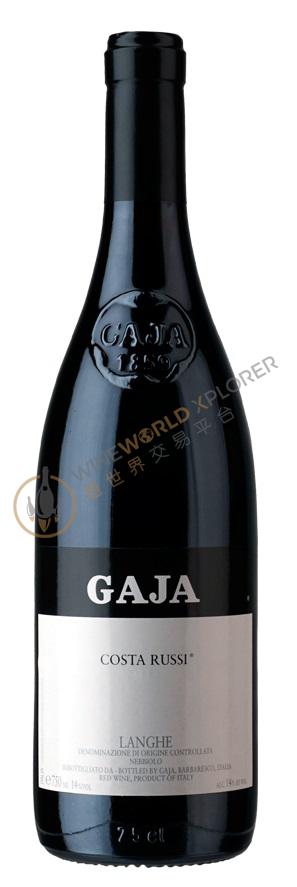
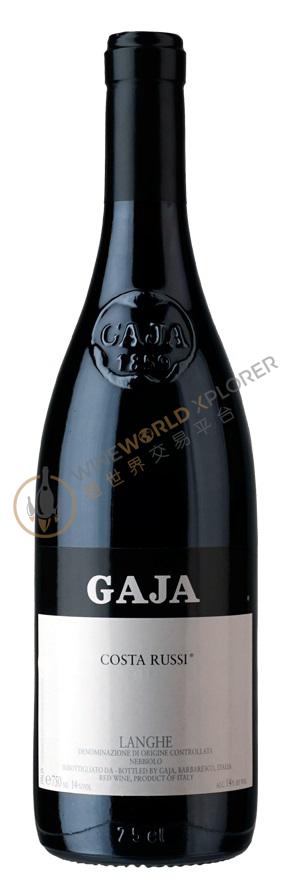
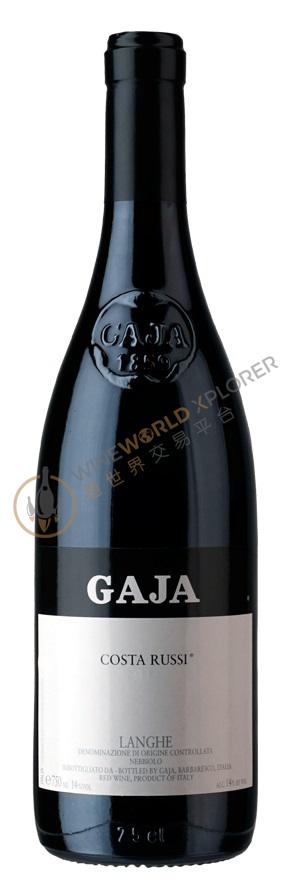
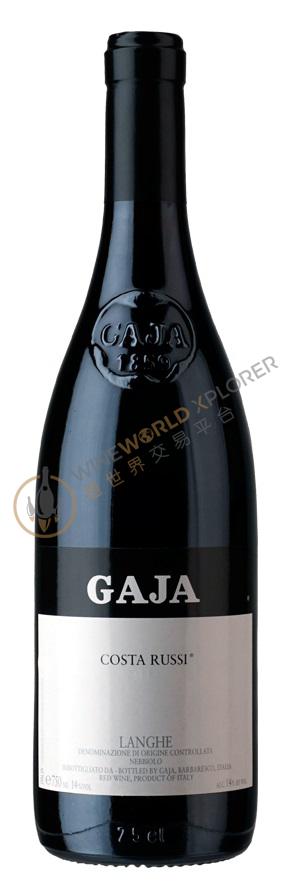
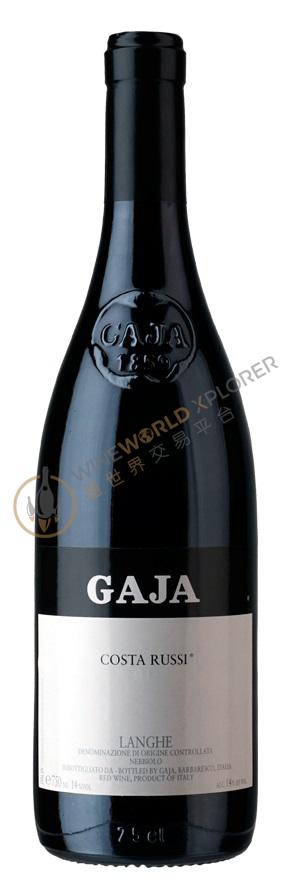
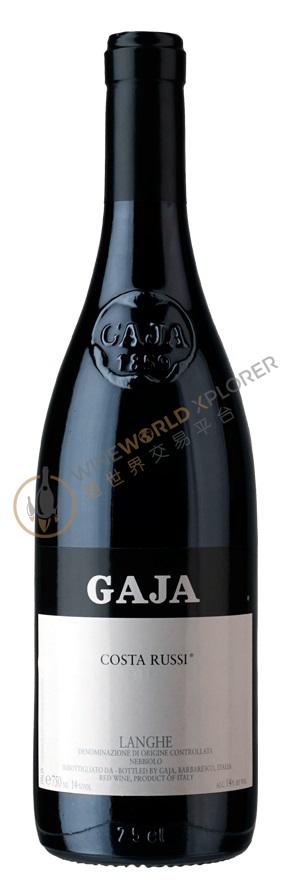
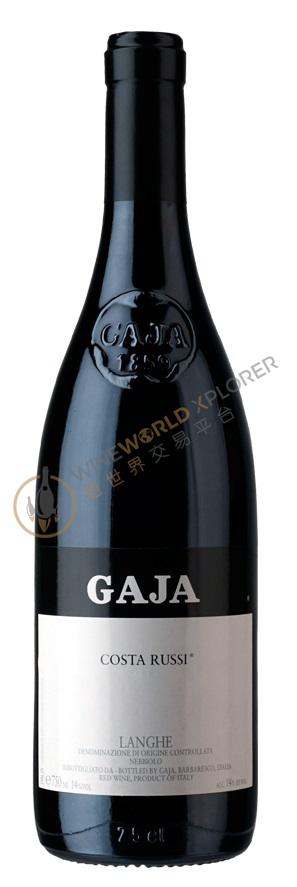
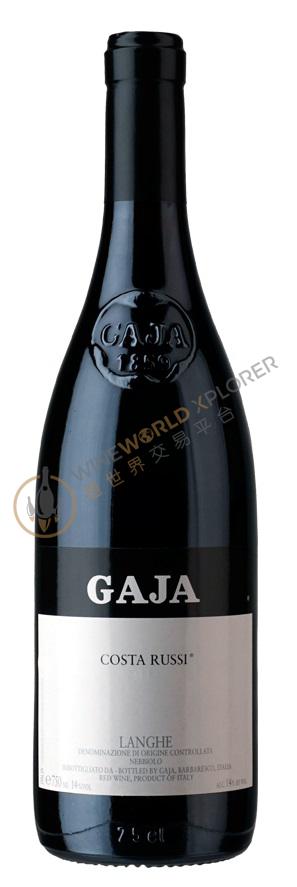
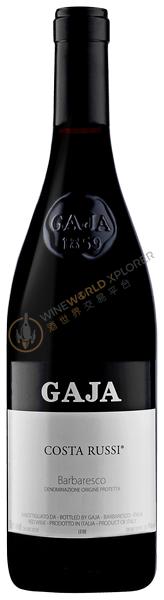
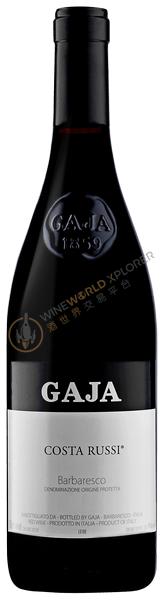
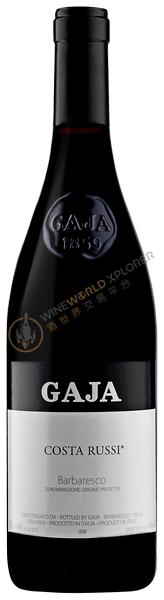
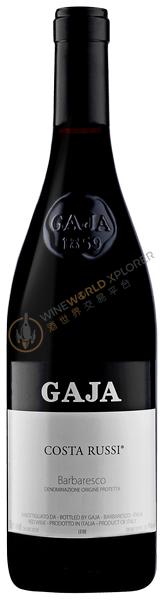
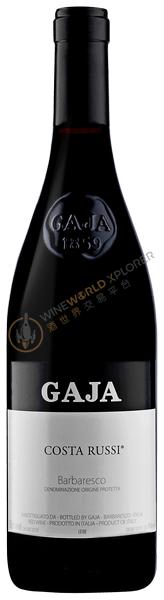
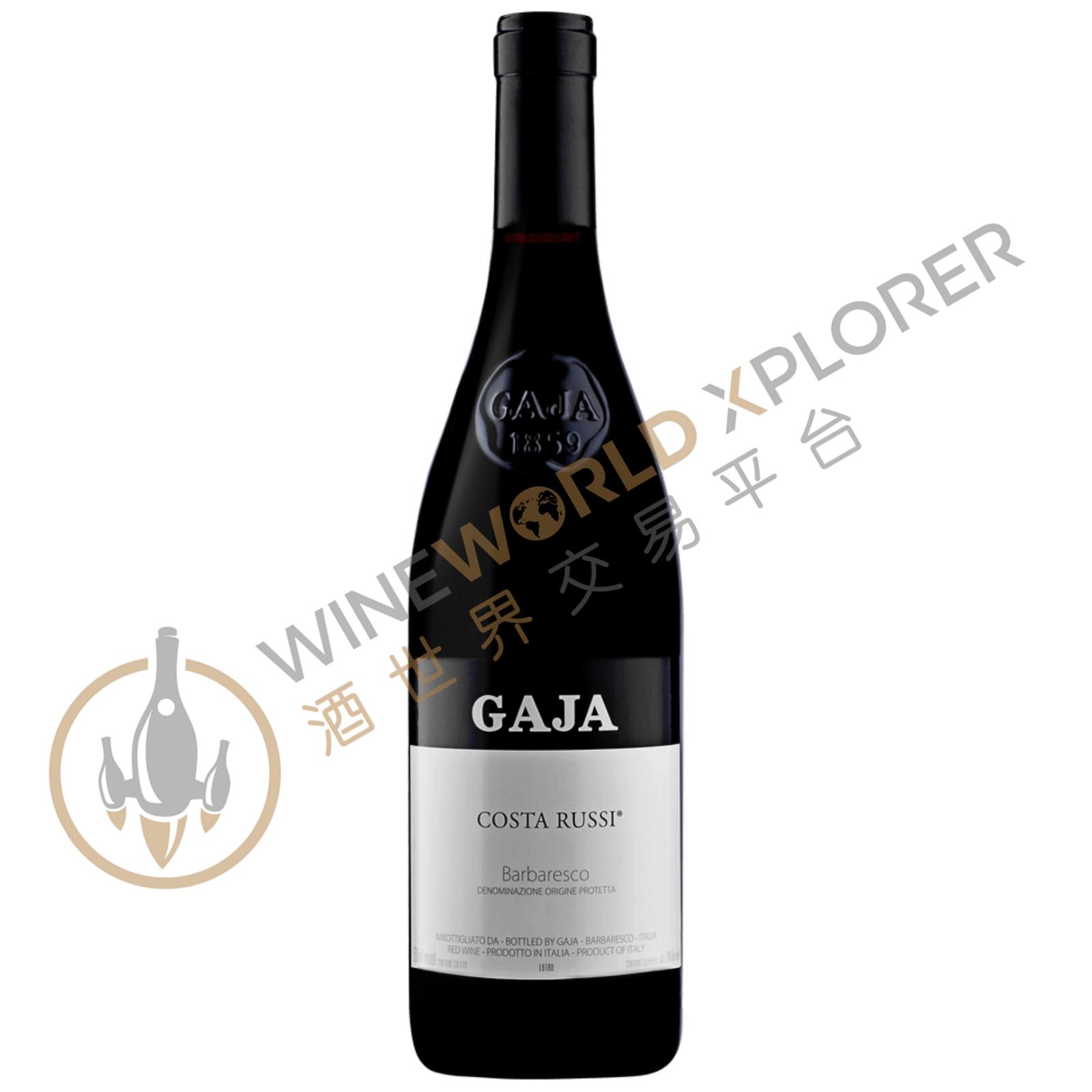
Gaja, Barbaresco Costa Russi 2010
 View analysis


Description
Tasting notes

Reviewed by: Antonio Galloni
The 2010 Costa Russi is unusually firm in this vintage, with far less early appeal than is typically the case. Floral, perfumed and sensual, the 2010 is going to require time in the cellar for the tannins to soften. The 2010 is likely to remain a slightly slender, classic Costa Russi built on energy, freshness and vibrancy, but all the elements are in place for this to develop into a fabulous wine. Black cherries, plums, mocha and menthol wrap around the powerful finish. The 2010 is one the most reticent, tightly-wound Costa Russis I can remember tasting. This is a great showing.
Reviewed by: Stephen Tanzer
Good full medium red. Subdued aromas of strawberry, red cherry and underbrush; oakier than the Barbaresco. Then lusher on the palate but with bright acidity and a firm tannic structure giving definition to the flavors of strawberry coulis and mocha. Finishes with terrific definition and a whiplash of fruits and flowers. Impressive potential here.
Reviewed by: Monica Larner
The 2010 Costa Russi is a vineyard-designate “Barbaresco” (although the wine’s addition of five percent Barbera prohibits it from being called such) that opens to even more profound depth and generosity. As is typical of this cru expression, the wine displays an amazing assortment of aromas that span from the floral to the spicy. Supple, round and seductive, it caresses the palate in the most beautiful fashion. The 2010 vintage is shaping up handsomely for those who collect Gaja’s best bottles. Anticipated maturity: 2018-2035. Just a short while ago, in the midst of one of Italy’s darkest political hours when forming a functioning government seemed like an exercise in futility, someone sent me a Facebook petition proposing Angelo Gaja as a candidate for President of the Republic of Italy. Although Angelo himself would brush it off as jest, that seedling of a (good) idea took the Internet by firestorm. What he has demonstrated over the years, besides from his infectious enthusiasm and keen ability to communicate his thoughts with brilliant clarity and gumption, is a natural ability for leadership. Barbaresco is lucky to have an Angelo Gaja, the Langhe is lucky to have him, and Italy is, too. Importer: Terlato Wines International, Lake Bluff, IL; tel. (847) 604-8900
About the Producer
Located in the Barbaresco region of Piedmont, Italy, Gaja was founded in 1859 by Giovanni Gaja and is still owned by the Gaja family. For generations, the Gaja family has worked tirelessly to achieve the five-star rating in the 2013 Vini d'Italia. In 1961, Angelo Gaja, Giovanni's son, gradually took over the winery's affairs from his father. Angelo studied winemaking at university and obtained a doctorate in economics. Since taking charge of the estate, Angelo has travelled extensively to France (particularly the great Burgundy estates) and has been inspired to make bold changes to the estate. Not only did he emphasise Green Harvest and yield control in the management of the vineyards to achieve high quality wines, but he also pioneered the introduction of Bordeaux grape varieties and advanced winemaking equipment such as temperature-controlled fermenters and French oak barrels, as well as the creative introduction of single-vineyard wines, and is therefore considered to be a pioneer of the modern Italian style of wine, and has made an indelible contribution to the international reputation of Piedmont and indeed Italy. He is also regarded as a pioneer of modern Italian wines and has made an indelible contribution to the international reputation of Piedmont and Italy. The winery has a number of vineyards, including three of the better known single vineyards in Barbaresco - Sori San Lorenzo, Sori Tildin and Costa Russi - where the most popular Piedmontese grape variety, Nebbiolo, is grown. Nebbiolo, the most popular red grape variety in Piedmont. Sori San Lorenzo is a vineyard bought from the parish of Alba and named after the patron saint of the Alba Cathedral, while Russi is the nickname of the former owner. The vineyards were expanded and in 1988 the winery acquired Marenca & Rivette in the Barolo appellation and began producing Barolo wines; in 1994 it acquired Pieve Santa Restituta in the Montalcino appellation of Tuscany; and in 1996 it acquired the Pieve Santa Restituta in the Tuscany appellation. In 2000, Angelo Gaja broke with tradition by blending a small portion of Barbera with Nebbiolo to make Barbaresco, a controversial move at the time. 2016 On 1 July, Gaia Gaja, the eldest daughter of Angelo, announced to the public that the three single vineyards of the Gaja estate - Surrey San Lorenzo, Surrey Tintin and Ross Coast - would be used as specific appellations for the Gaja Barbaresco wines, which must The Barbaresco wines will be made from 100% Nebbiolo. This initiative ushers in a new era for Château Gaja. The wines produced by Château Gaja are of different styles and of outstanding quality. The Gaja Barbaresco DOCG (Piedmont, Italy) is the best of the Barbaresco wines and has developed into one of Italy's famous "Four Jasons". In addition, Gaja has produced three single-vineyard Barbaresco wines using grapes from the Surrey San Lorenzo, Surrey Tintin and Costa Rossa vineyards, which have also received high marks from many renowned wine critics. The Gaja Sori San Lorenzo Barbaresco DOCG, Piedmont, Italy, the first single-vineyard wine to be released, is the most powerful of the estate's single-vineyard wines, receiving full marks for the 2013 vintage from James Suckling. The 2013 vintage received a perfect score from James Suckling.