
 Wine Advisor



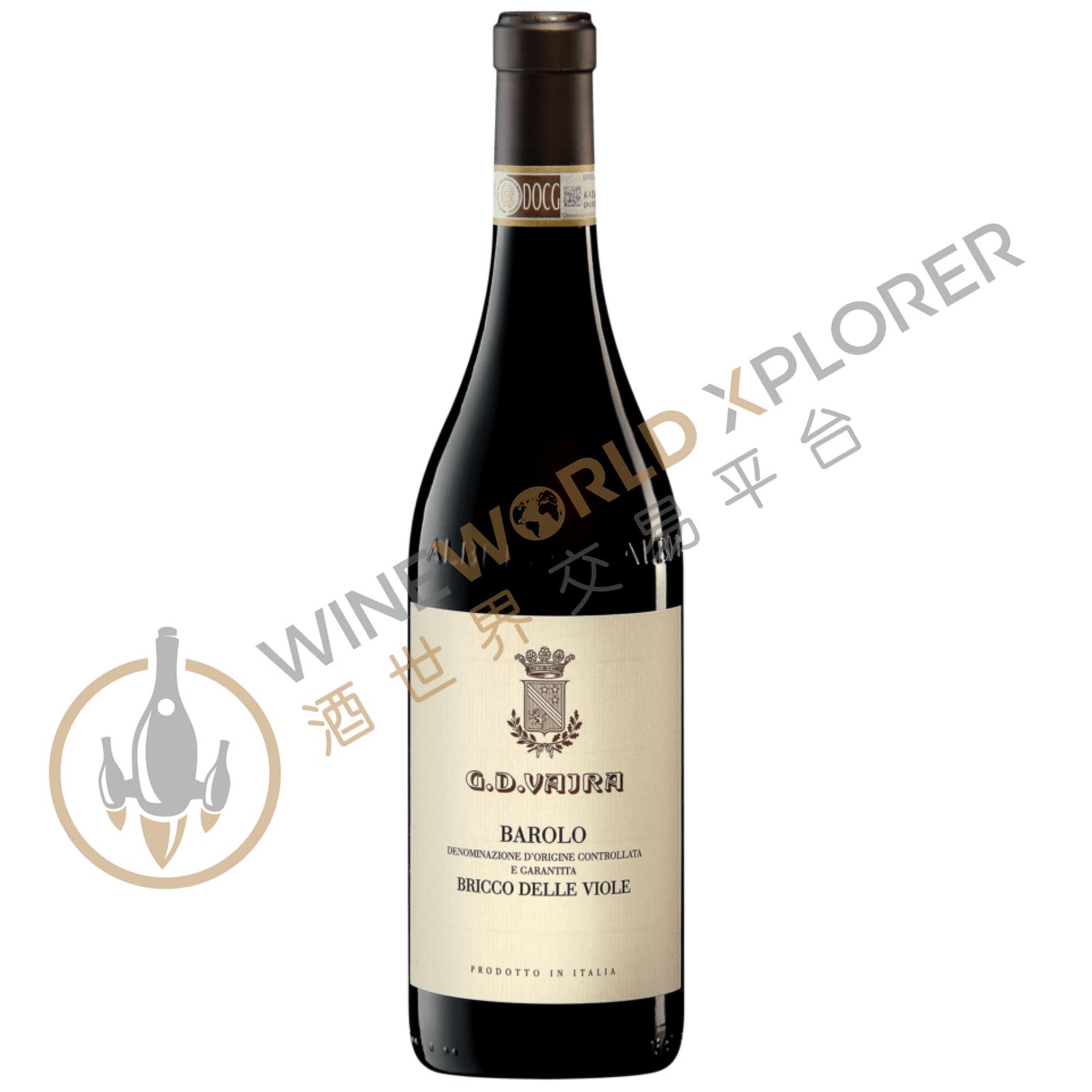
G.D. Vajra, Barolo Bricco delle Viole 2020
 View analysis


Description
Tasting notes

Reviewed by: Monica Larner
The G.D. Vajra 2020 Barolo Bricco delle Viole is a very pretty wine with brightness and delicate aromas that remain etched and defined. You get dried violet or lilac, tart cherry, cranberry, lavender essence, rosemary and other perfumed Mediterranean nuances. Bricco delle Viole finishes dry, and the tannins are on the powdery side, giving the wine medium weight and a lean mid-palate.
Reviewed by: Zekun Shuai
Rose petals, racy plums and cherries with subtle white pepper spices and mineral. The tight, full-bodied palate is grasped by fine, minerally textured tannins. Powerful, ample and vertical in the middle before a lengthy, mineral finish. Such a joy to taste now, but this would be better in two to three years.
Reviewed by: Antonio Galloni
The 2020 Barolo Bricco delle Viole, Vajra's flagship, is very fine. Dark cherry, kirsch, blood orange, spice and lavender are nicely amplified. The 2020 is gracious and elegant, but its youthful Nebbiolo tannins will require some time to soften. The 2020 is another wine that captures my keen interests with its sublime balance. I would be thrilled to own it.
About the Producer
GD Vajra was born out of a revolutionary spirit. In 1968, 15-year-old Aldo Vaira was evicted to his estate in Barolo after becoming involved in political protests. Aldo's youthful energy soon turned to agriculture, and within a few years he had taken over the family estate. GD Vajra exemplified this revolutionary spirit when it became the first winery in the Barolo region to adopt organic farming in 1971. In addition, they were the first to plant Riesling in 1985. Vajra is the champion of some of Piedmont's less popular native grape varieties, including Dolcetto, Barbera and Freisa. They also make three single-vineyard Barolo wines, including the incredible Bricco delle Viole vineyard, which at 1,500 feet is one of the highest in the commune of Barolo. Today Aldo, his wife Milena and his children Giuseppe, Francesca and Isidoro still run the estate on organic principles. The soils here are sedimentary and most of the vineyards are in what I like to call the Tortonian valley which is actually the valley between the Bricco delle Viole area and the Barolo area at the foot of the hill and then another part of the area The side valley is Castiglione Falletto.
