
 Wine Advisor



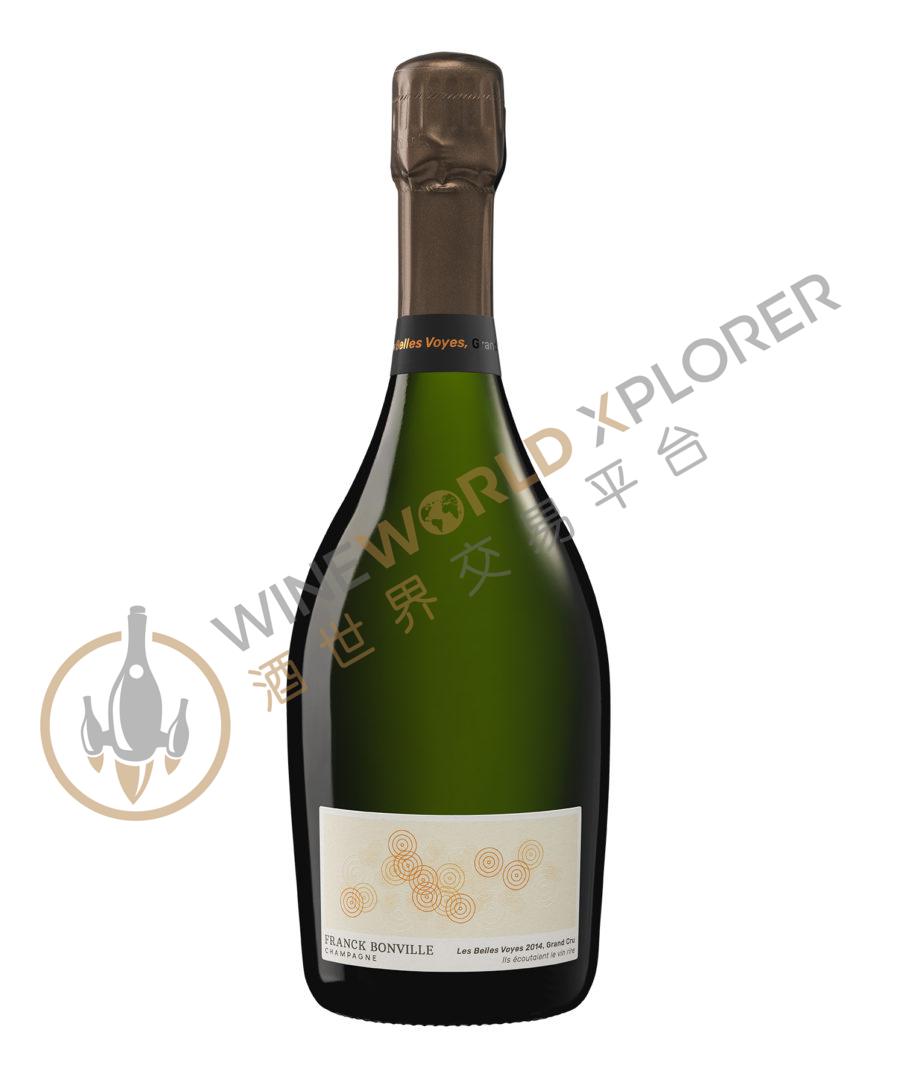
Franck Bonville, Les Belles Voyes Blanc de Blancs Grand Cru 2016
 View analysis


Description
Tasting notes

Reviewed by: Yohan Castaing
Crafted from the oldest Chardonnay planted in the lieu-dit Les Belles Voyes in the commune of Oger, the 2016 Grand Cru Blanc de Blancs Les Belles Voyes reveals a pure, complex bouquet of white fruits, vanilla pod, spices, spring blossoms and menthol. Medium to full-bodied and with a satiny attack, it's layered and creamy, with a vinous core of fruit, enhanced by a chalky, pure and elegant finish. Vinified in barrels, which brings a lovely toasty, spicy aftertaste, it was disgorged with a dosage of 2.5 grams per liter.
About the Producer
Franck Bonville was one of those audacious vine growers of Champagne who took the bold decision, on the aftermath of WW2, to make and market their own champagnes. His father Alfred, a visionary, started the vine-growing history of this family, buying some land around Oger, a grand cru in the Côte des Blancs, at the beginning of the 20th century when phylloxera was ravaging the vineyards. Later on, in 1937, he bought a vine grower’s house in Avize that came equipped with a winepress, oak casks, and a cellar dating from the 19th century. After the war, Franck took over and started selling champagnes under his name, marking the official beginnings of this house. His son Gilles took the relay in the 1970s, introducing new technological advances that became available in champagne making, like steel vats for more precise winemaking. The turning point came with his son Olivier, who replaced him in 1996. He brought the entire operation to a new level, introducing sustainable viticulture in the vineyards, widening the vats capacity in the cellar to better maintain the individuality of the parcels, and reintroducing oak barrels for the aging of certain still wines, to make them richer and rounder. Today, Franck Bonville is not just a name but a true brand in the world of champagne connoisseurs, thanks to the taste and the increasing popularity of its wines that are lately earning many recognitions. Meanwhile, Olivier can’t stop looking at the future and thinking of all he wants to do to make even better champagnes. Vineyard and Production Being growers, they produce champagne by using only their vineyards and grapes, all of which are chardonnay planted in grands crus. They own some 20 ha, mostly in Avize, but also in Oger, Le Mesnil-sur-Oger, and a bit in Cramant. Since 2001, they stopped using herbicides and insecticides (50% of the vineyard is plowed and 25% is planted with grass) and are working to obtain the High Environmental Value Certification (HVE). The vinification is traditional, with first and malolactic fermentation in stainless steel vats, although a small percentage of wines are aged in oak barrels, on their lees. For the brut non-vintage, bottle aging and dosage are adequate, but the higher-end cuvées enjoy extended aging and reduced dosage. The overall production is about 130,000 bottles per year.
