Wine Advisor



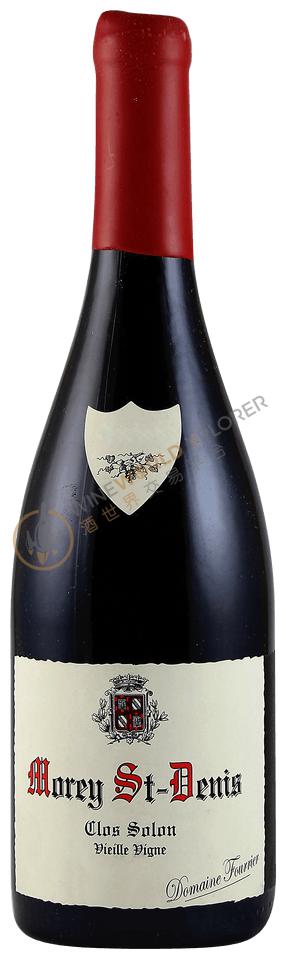
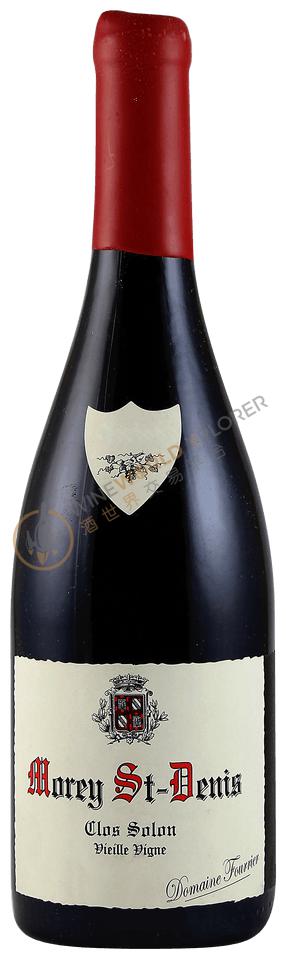
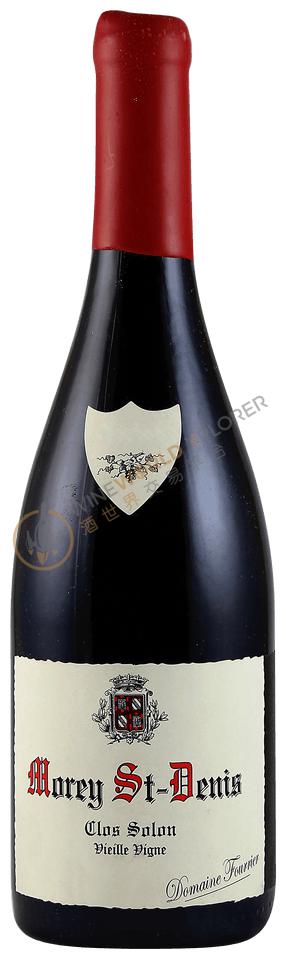
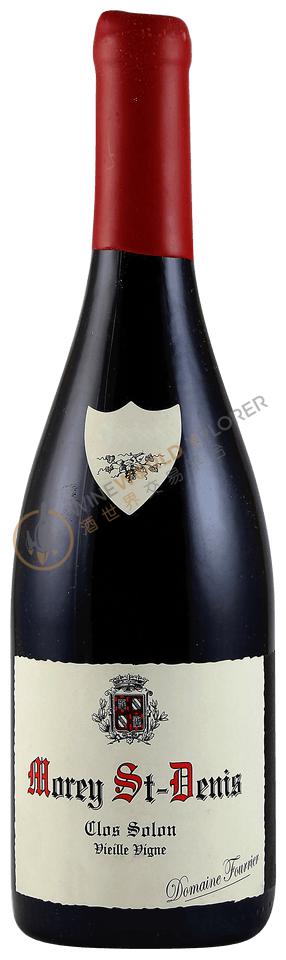
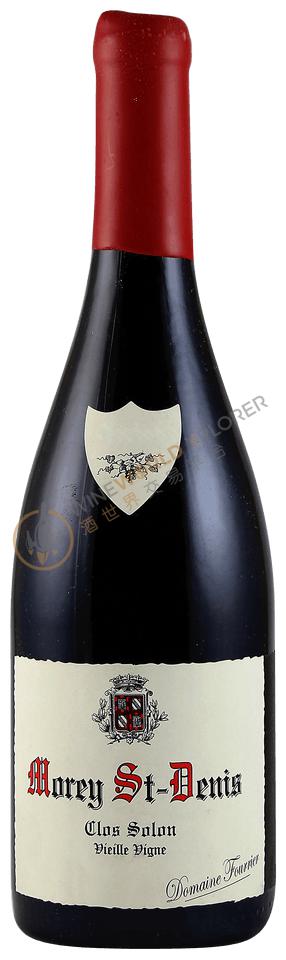
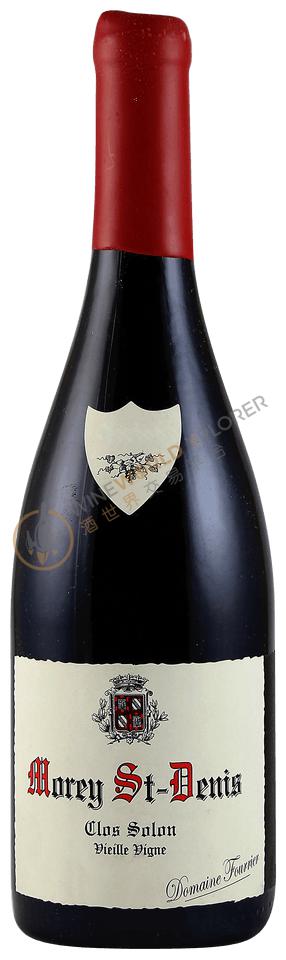
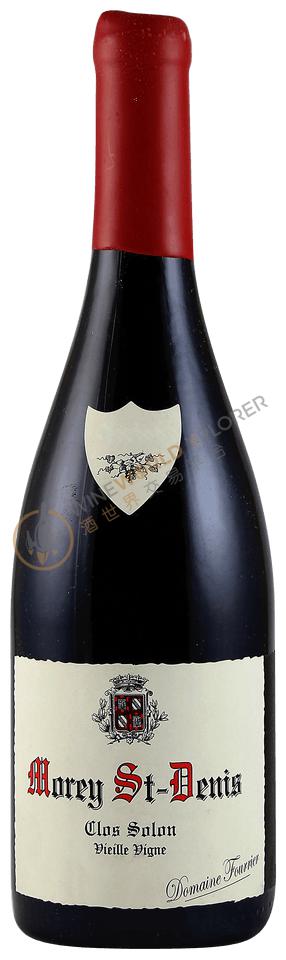
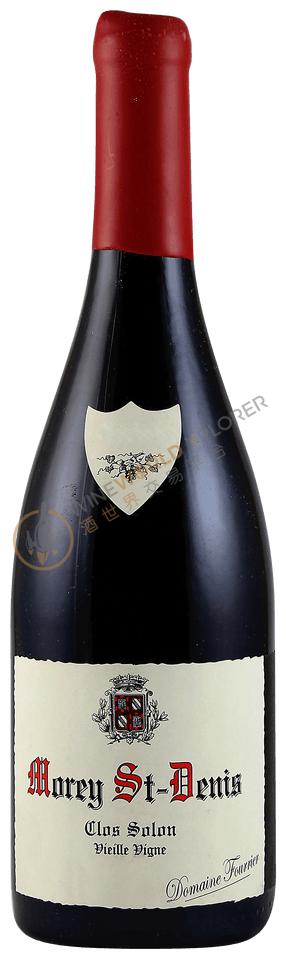
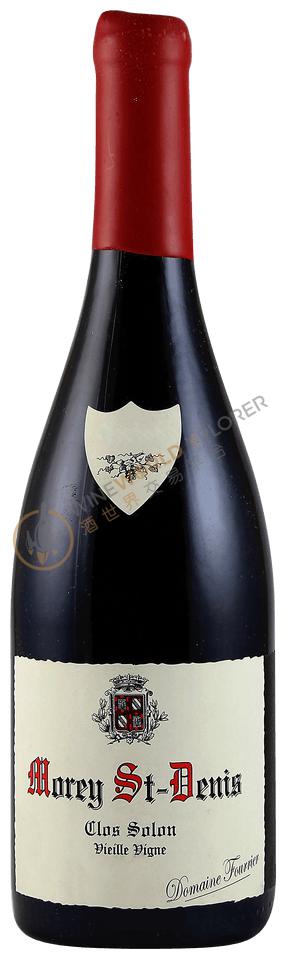
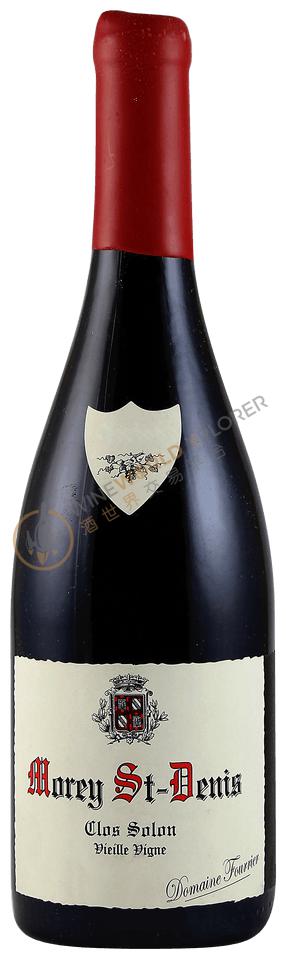
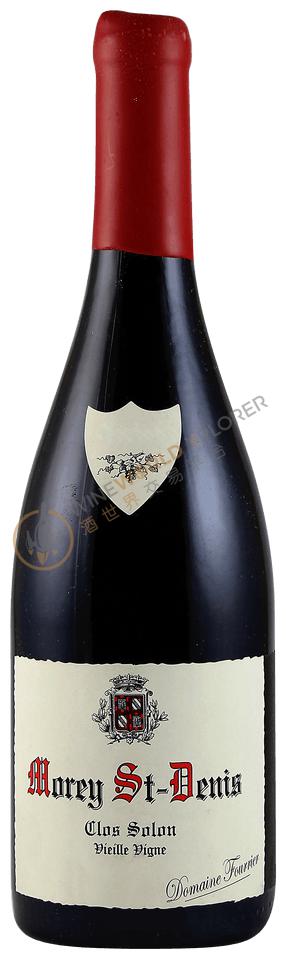
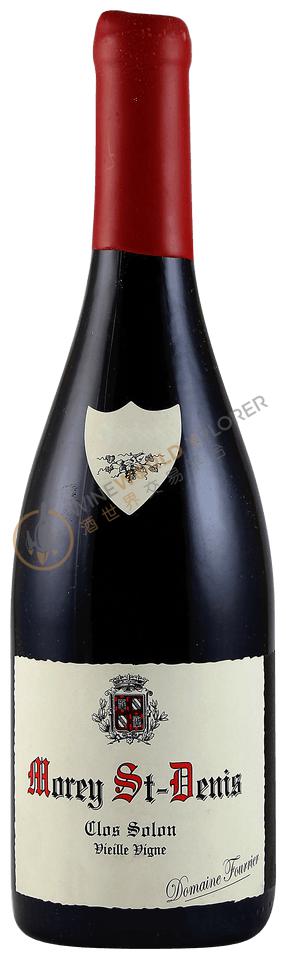
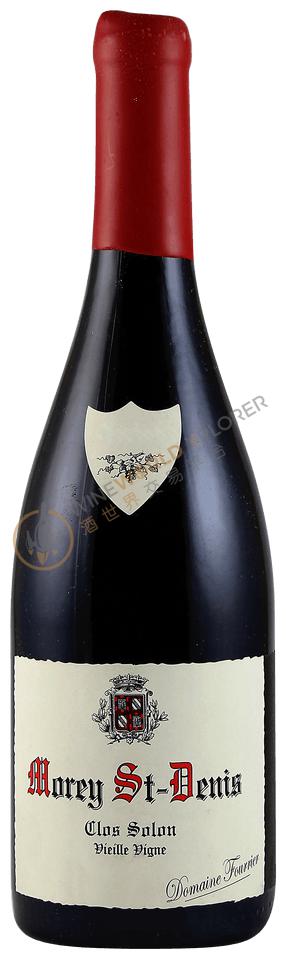
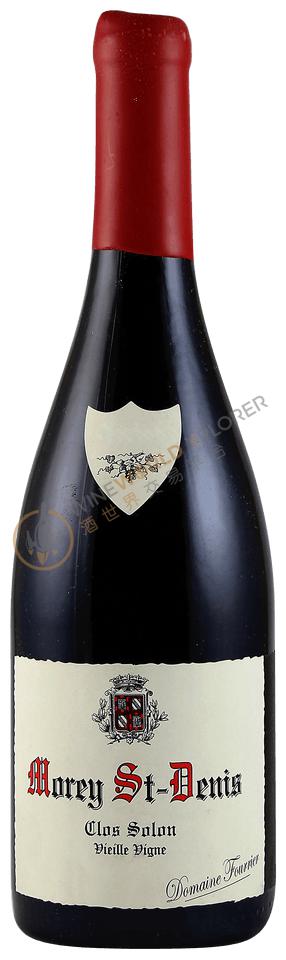
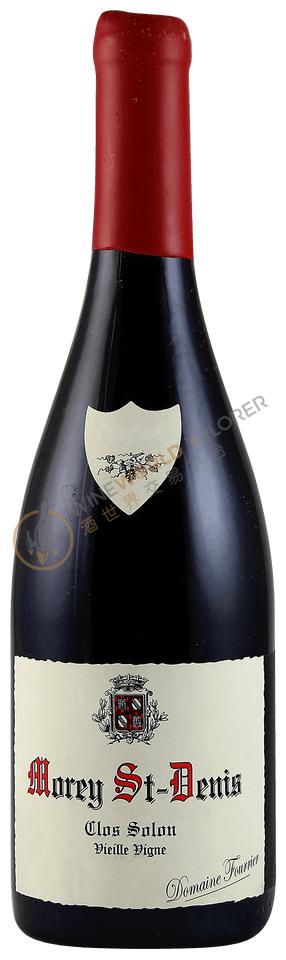
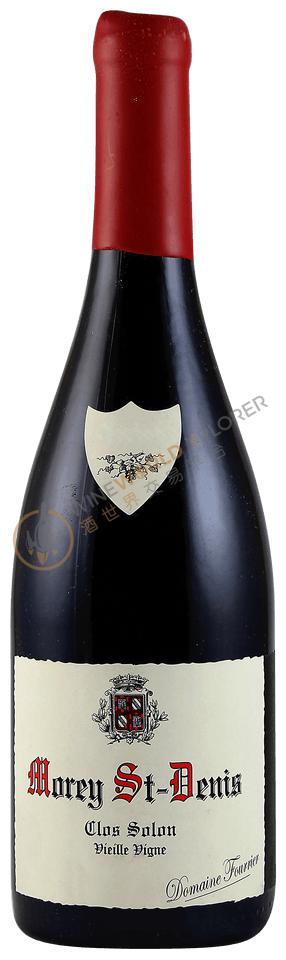
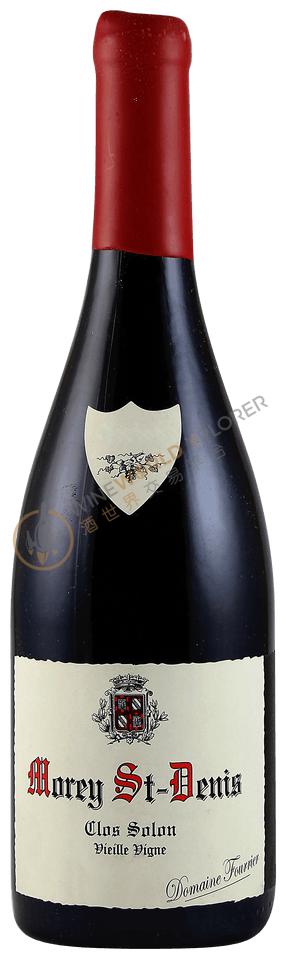
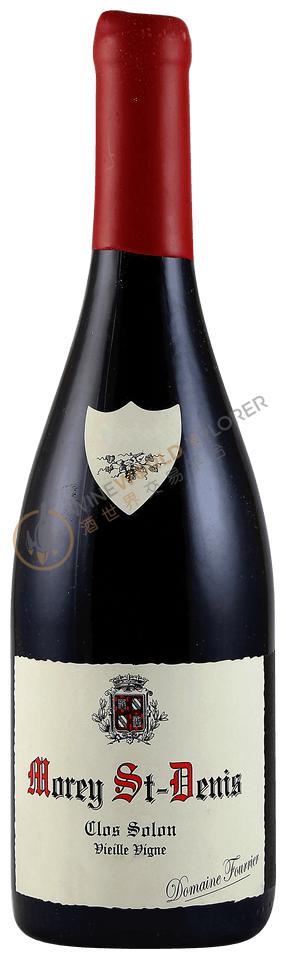
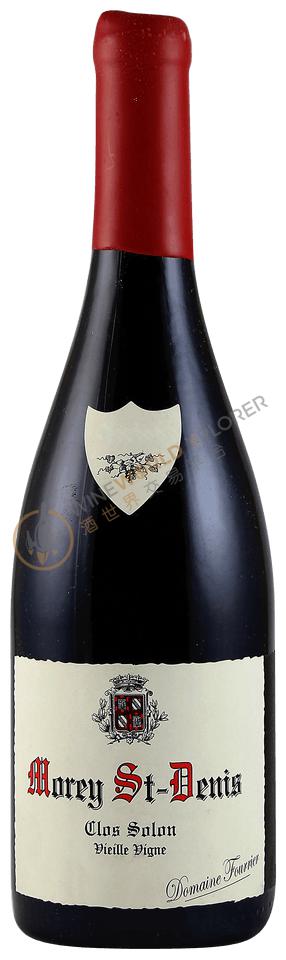
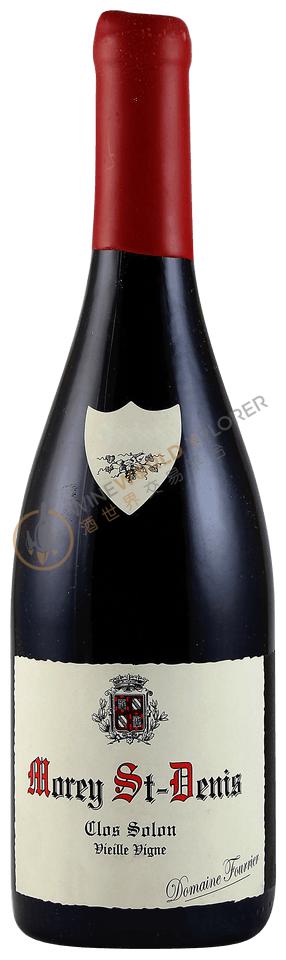
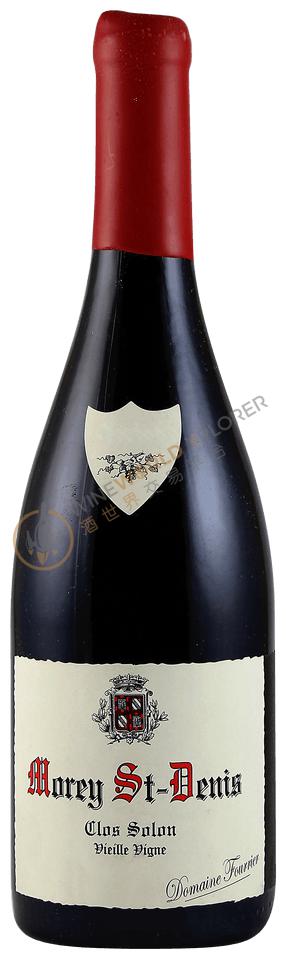
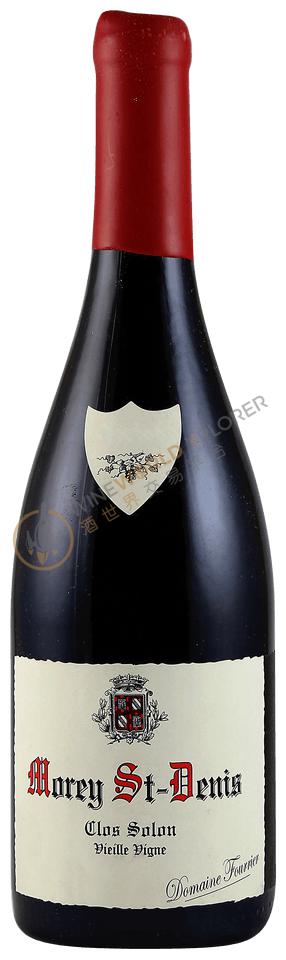
Fourrier, Morey St Denis Clos Solon Vieilles Vignes 2008
 View analysis


Description
Tasting notes

Reviewed by: David Schildknecht
Fourrier’s 2008 Morey-St.-Denis Clos Salon delivers a proliferation of herbs, bittersweet flowers, roots, and red fruits at distilled and concentrated tincture strength, leading to a bracing, palate-staining impression with a saline, iodine-like, medicinal finish that resembles the corresponding Aux Echezeaux in its sense of having been macerated on cherry pits and chalk pebbles, but also encompasses a deep richness of meat stock. This lean, electrically bright Pinot sends shivers down my spine and sets my tongue quivering, though some tasters might say the same about it and not mean that as a compliment! Jean-Claude Fourrier left no doubt that he viewed 2008 under the aspect of a return to times and conditions he thought his generation would never have to face. “The most important determinant of quality in your range,” in 2008, he asserted, “was how willing you were to sacrifice on the sorting table.” He had only just bottled his 2008s when I tasted them at the end of February – with the exception of two wines that remained in tank, one a Combottes he had just warmed-up in a last ditch effort to push it across the lactic conversion line! “By last October,” he explains, “I was facing the situation that 5 casks out of 7 were at 80% of malic acid and the others at 20%. So you have the choice either to heat your cellar, or to make the – for me, painful – decision to bring the wine back together into vat for promoting natural inoculation. Otherwise, I would have been waiting until April, and I can hardly even consider two full years in cask for my wines To be honest, I hated my ‘08s for the first 14 months.” Primary fermentation also took place this year in large part through inoculation by utilizing whichever lots spontaneously kicked-in first as starters, because as Fourrier explained, “I’m not a fan of extended cold maceration, which means adding sulfur,” and with the ambient temperatures at which the 2008 fruit arrived in the press house, it could have taken a long time for many fermentations to commence. Potential alcohols were in the low to mid 11s, and boosted by at most a degree, lower total alcohol being one throwback to “the old days” that Fournier appreciates, “except,” as he notes, that back “in those days growers were mistakenly fixated on sugar, and chaptalization.” Fourrier finds his 2007s phenolically riper than his 2008s, but they were not showing an especially user-friendly side on the occasion when I tasted them, leading me to wonder where they’re headed, or whether they were experiencing a collective period of withdrawal. (For more about Fourrier’s always articulately and thoughtfully expressed methods – as well as about his vineyards – consult my reports in issues 170 and 186.) Importer: Rosenthal Wine Merchant, Pine Plains, NY; tel. (800) 910-1990
About the Producer
Domaine Fourrier is a long-established family-owned winery located in the wine-producing village of Gevrey-Chambertin in Burgundy, France. Founded by Fernand Fourrier between the 1830s and 1940s, Fourrier has been in the family for four generations. Fernand, who never married and had no children, handed over the estate to his nephew Jean-Claude Fourrier in 1969. During this period, Château Fourrier became one of the first producers to export to the United States, with the most complete facilities and vineyards in all the appellations. By the end of the 1980s, the estate was experiencing a recession. It was not until 1994, with the birth of Jean-Marie, son of Jean-Claude, that the estate was revived. The current owner, Jean-Marie, combines family tradition with his own knowledge and, together with his wife Vicki, has regained the reputation of the estate. Château de Fleurier has about 9 hectares of vineyards in the villages of Gevrey-Chambertin, Morey-Saint-Denis, Chambolle-Musigny and Vougeot, planted mainly with Pinot Noir. The vines are old, with an average age of 50 to 70 years. In terms of viticulture, the winery respects the local terroir and does not use chemical fertilizers, and pest control measures are kept to a minimum in order to ensure the health and sustainability of the vineyards. Jean-Marie takes a unique approach to yield control by pruning the branches in winter, but instead of blindly using green harvesting, it relies on bud removal measures. Achieving a natural balance between vine growth and yield control is at the heart of the winery's philosophy. In the winemaking process, Château de Fleurier aims to express the characteristics of the unlike terroir, by vinifying grapes from different vineyards, even if they are not Grand Cru or Premier Cru. The wine ferments slowly and gently during a cold maceration of 3 to 4 days, extracting the rich pigments and flavors. The winery does not use sulfur dioxide, but rather uses temperature control, carbon dioxide and wine mud to retain more of the flavors. According to Jean-Marie, "oak barrels are used to let the wine breathe slowly, not to add flavor," so the wine is matured without using more than 20% new oak barrels to retain the wine's pure fruit and personality. Currently, Château Frères has released several red wines and one white wine, which are widely recognized by the industry. Among them, the Domaine Fourrier Griotte-Chambertin GranCru is the most outstanding, with a particularly elegant style and without the wildness that is common in Gevrey. The owner, Jean-Marie, describes it as a delicate woman in a red dress that dances on the side, and as the dress fades away, the finish is its greatest highlight.