
 Wine Advisor



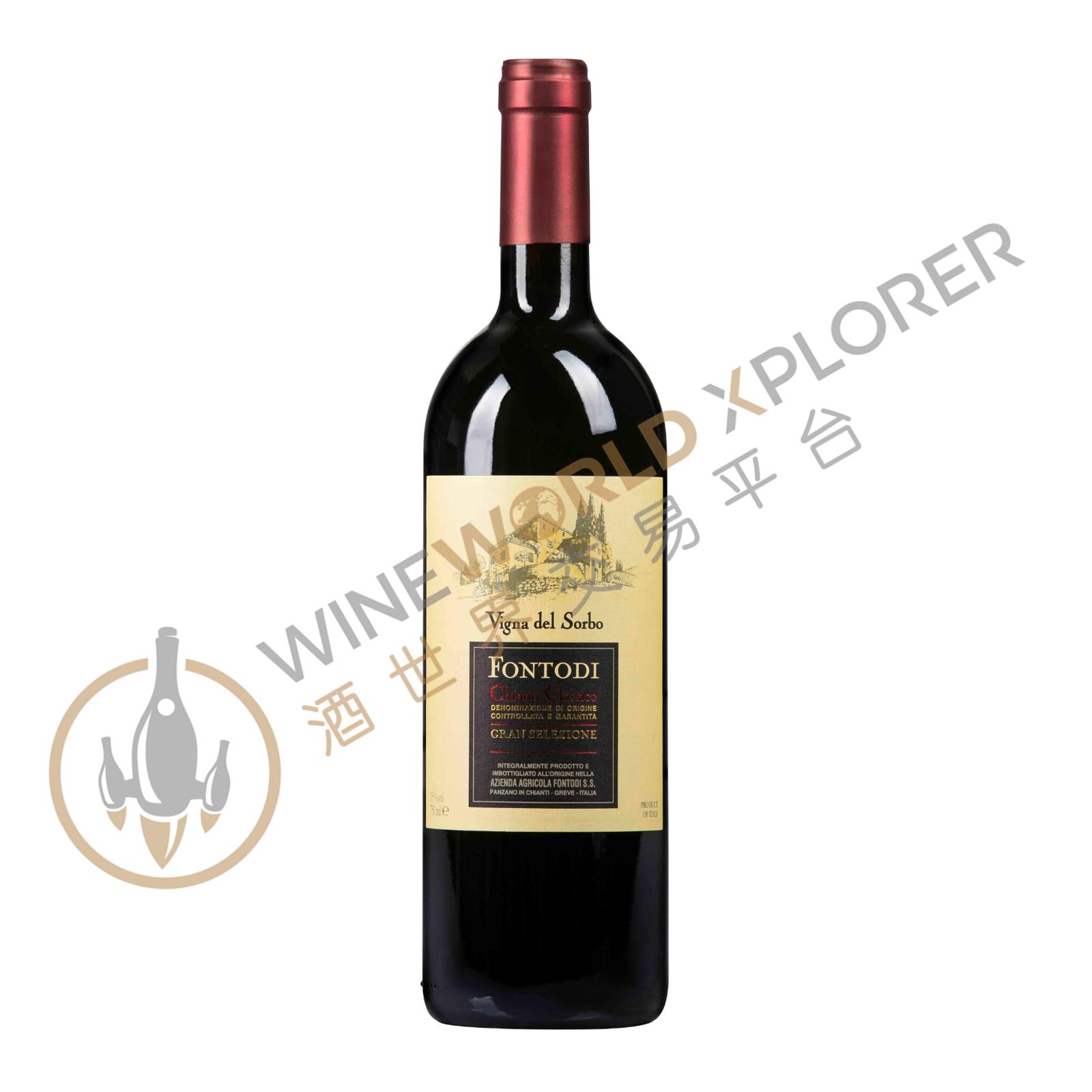
Fontodi, Vigna del Sorbo Chianti Classico Gran Selezione 2010
 View analysis


Description
Tasting notes

Reviewed by: Monica Larner
The 2010 Chianti Classico Riserva Vigna del Sorbo is a timeless expression that embraces all the canons of great winemaking. This vineyard-designate expression (Sangiovese and a small part of Cabernet Sauvignon are planted here) boasts a delicately floral side in 2010 with dried violets and blue flower that gracefully lift the bouquet. Beyond the floral tones are shadings of cassis, wet earth, anisette and tobacco. Like the other wines of Fontodi, Vigna del Sorbo shows an ethereal side and inner elegance that is impossible to repeat elsewhere. It’s sure to develop bottle complexity over the years. Anticipated maturity: 2015-2030. Fontodi’s Giovanni Manetti has released one of the top Italian wines of 2010. His Flaccianello della Pieve (assembled from the best parcels of Sangiovese) is an expression of profound beauty and elegance. I tasted this wine early in my work for this issue and found myself returning to my note over and over again, comparing the other great wines of 2010 to Flaccianello. It became my benchmark for the vintage. Importer: Vinifera Imports; www.viniferaimports.com
About the Producer
Fontodi is located in the heart of Chianti Classico precisely in the valley which lies south of the town of Panzano and is called the “Conca d’Oro” (the golden shell) because of its amphitheatre shape. A genuine and characteristc “Terroir”, famous for centuries for its tradition of quality wine cultivation, thanks to a unique combination of high altitude, calcar clayschist soil, lots of light, and a fantastic micro-climate – warm and dry with a marked difference in day and night-time temperatures. All Fontodi wines are produced from grapes coming from their own vineyards, picked by hand, chosen with care and vinified in a way that exalts the character of the vines and the territory. The Fontodi Oil “Bio” is produced from its own olives which are delicately pressed the same day as the harvest in order to preserve all the freshness and the fragrance of the fruit.
