Wine Advisor



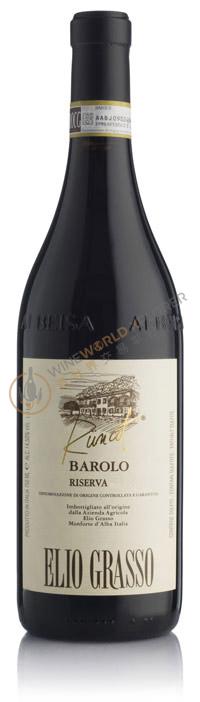
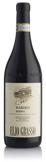
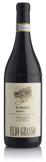
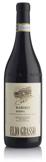
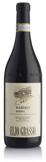
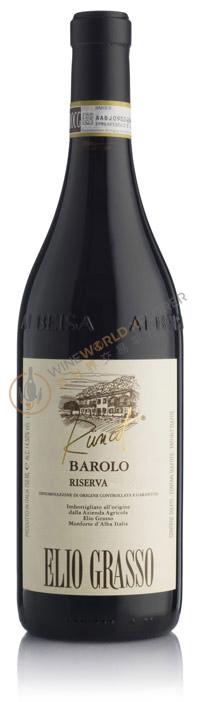
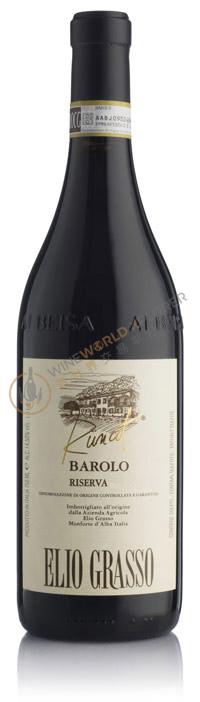
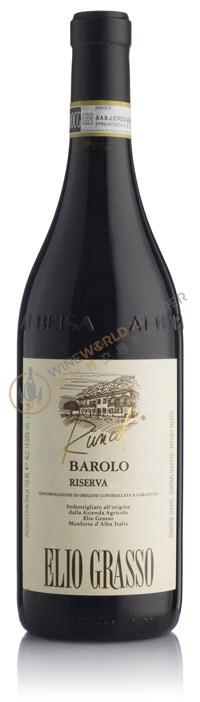
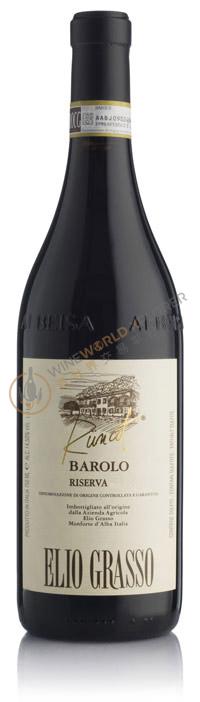
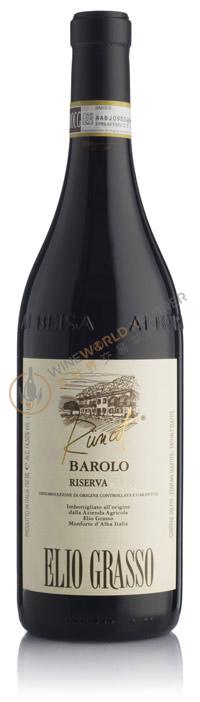
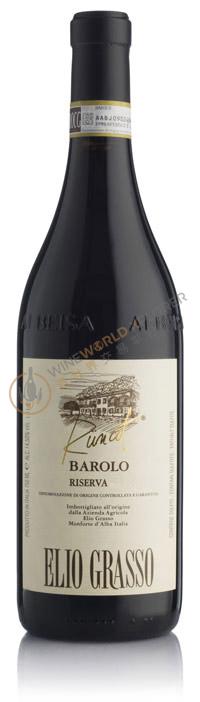
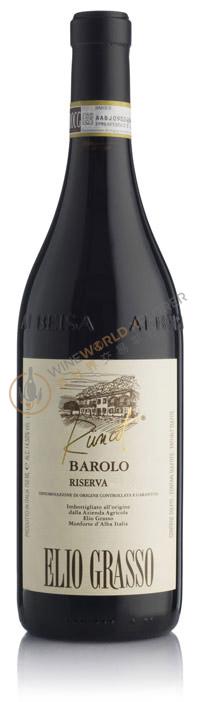
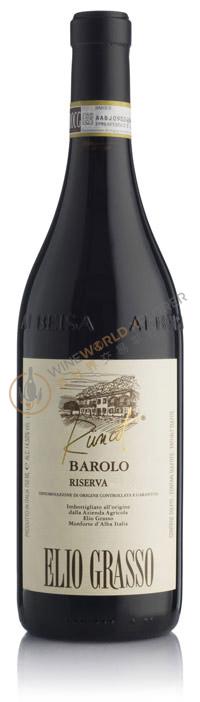
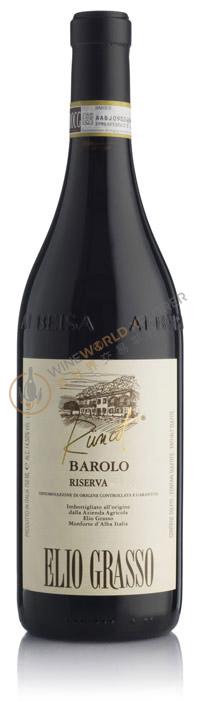
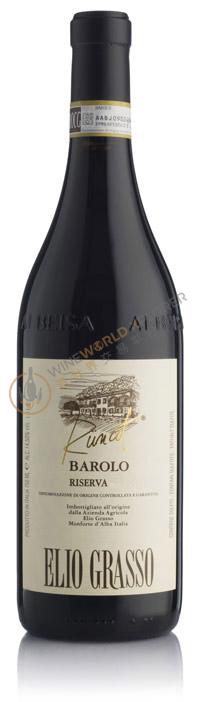
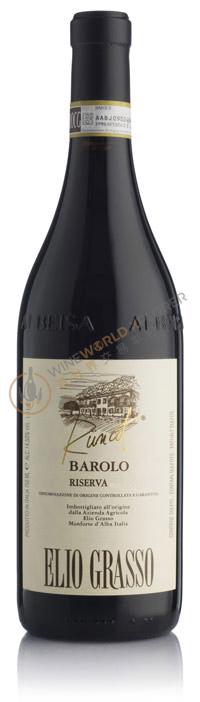
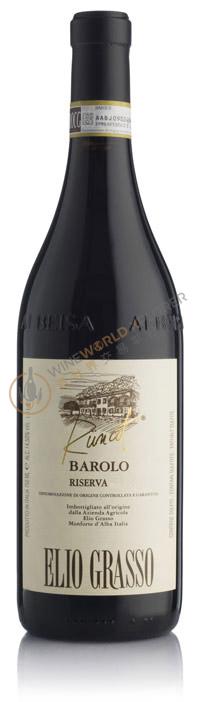
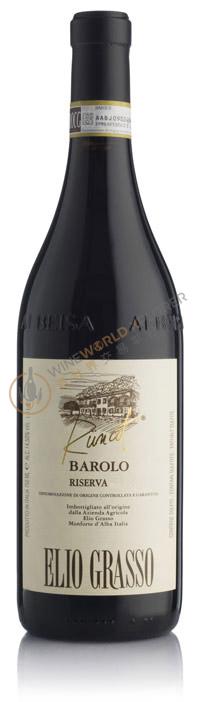
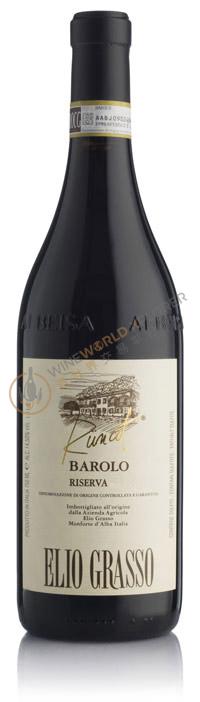
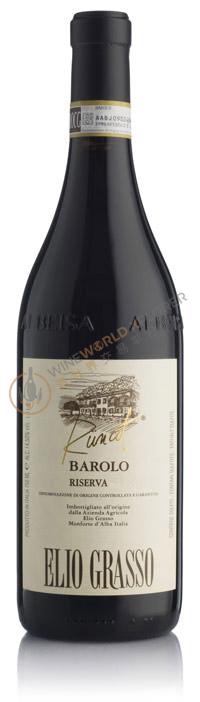
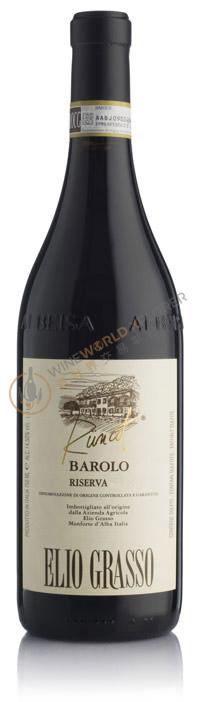
Elio Grasso, Barolo Riserva Runcot 2004
 View analysis


Description
Tasting notes

Reviewed by: Antonio Galloni
The estate’s 2004 Barolo Runcot presents lovely harmony and balance. It is a full-bodied, concentrated wine with plenty of ripe dark fruit intermingled with sweet toasted oak nuances. Grasso says he may give this as much as 40 months in oak. Runcot is aged in 100% new French oak, although toast levels have come down, in 2004 50% is light toast and 50% is medium toast. It remains a very promising wine made in a distinctly more modern style than the house’s other Barolos. Anticipated maturity: 2011-2022. Elio Grasso’s wines are made in a unique, crisply articulated style that highlights balance and harmony over sheer power. “For our 2004 Barolos we did roughly 30 days of maceration in stainless steel, where the wines also completed their malolactic fermentations,” says Gianluca Grasso. “The wines were then racked into 25 hectoliter barrels where they aged for two and a half years. The Runcot saw 35-40 days of maceration and may spend up to 40 months in 100% new French oak.” Various American importers, including: Martin Scott Wines, Little Neck, NY; tel. (516) 327-0808; Langdon Shiverick Imports, Cleveland, OH; tel. (213) 483-5900; Classic Wine Imports, Norwood, MA; Admirality Beverage Co. Columbia Distributing Company, Portland, Oregon; tel. (503) 289-9600
Reviewed by: Antonio Galloni
The 2004 Barolo Riserva Runcot offers up an intriguing array of licorice, tobacco, spices, plums and prunes. The purity of the fruit here is beyond striking, and the wine shows great intensity as well as superb overall balance. The Runcot saw 45 days of maceration on the skins and spent 36 months in 100% new French oak, all of which it has absorbed with impeccable elegance. I imagine the 2004 Runcot will continue to gain weight in bottle, but even if it doesn’t, it is pretty special today. What a beautiful wine! Anticipated maturity: 2014-2029. I was deeply impressed with the Barolos I tasted this year from Elio and Gianluca Grasso. This is an important vintage for the Grasso family, and readers will want to get their hands on these exceptionally pure, beautiful wines before they disappear. In discussing their 2006s, many producers draw comparisons with their 1989s. This is one of the cases where such a comparison seems fitting. Speaking of which, readers may want to take a look at my notes on Grasso’s 1989s (and 1990s, too) in my “What About Now” feature in this issue. Grasso farms three vineyards in Monforte; Ginestra, Gavarini and Runcot, all of which have their own unique qualities. Harvest times can vary as much as 7-10 days from parcel to parcel. The Barolos are fermented using the traditional submerged cap method and see a full month of maceration on the skins. Malolactic fermentation is done in steel, and the wines are subsequently aged in cask. Despite all of their success, Elio, Marina, Gianluca and Francesca Grasso, along with their cellarmaster Enrico Marchisio, remain some of the most unassuming, humble and classy people readers will meet in Piedmont. Various American importers, including: Martin Scott Wines, Little Neck, NY; tel. (516) 327-0808; Langdon Shiverick Imports, Cleveland, OH; tel. (213) 483-5900; Classic Wine Imports, Norwood, MA; Admirality Beverage Co. Columbia Distributing Company, Portland, Oregon; tel. (503) 289-9600; Oliver McCrum Wines, Oakland, CA; tel. (510) 654-9159
Reviewed by: James Suckling
Wonderful nose of crushed strawberries and custard with hints of cedar and cream. Full-bodied, velvety tannins and chewy tannins. Needs more time to soften. Juicy and savory. A big wine.
Reviewed by: Antonio Galloni
The estate's 2004 Barolo Rüncot presents lovely harmony and balance. It is a full-bodied, concentrated wine with plenty of ripe dark fruit intermingled with sweet toasted oak nuances. Grasso says he may give this as much as 40 months in oak. Rüncot is aged in 100% new French oak, although toast levels have come down, in 2004 50% is light toast and 50% is medium toast. It remains a very promising wine made in a distinctly more modern style than the house's other Barolos.
About the Producer
Elio Grasso’s History Born within an old family of Monforte d’Alba with substantial vineyards in the prestigious parts of the town, Grasso may seem destined for a career as a Barolo producer . But instead he chose a different path, at least in the early stages of adult life, choosing to work in the world of finance and living an urban existence that was decidedly different from that of the rural world in which he was born and raised. The wines of Elio Grasso The call of the land, however, eventually proved strong, and the return to Monforte d’Alba was probably only a matter of time. And what he returned to was in fact an impressive patrimony: 18 hectares of vineyards that include first-rate sites such as Chiniera , Casa Matè , and Runcot . Grasso, in fact, just in 1978, decided to ferment and age on his own the grapes of his best plots and was a pioneer in selling both a regular Barolo and also a series of crus . As a producer, Grasso has always been attentive to tradition, but, given the important experiences linked to the numerous generations of his family in the area, he has never wanted to radically transform his wines: both Chiniera and Casa Matè are aged in barrels; only the Runcot , a Riserva , ages in small barrels. Innovation, on the other hand, is represented by two other wines from the line: the excellent Barbera Martina aged in barrels and Educato , a Chardonnay fermented in barrels.