Wine Advisor



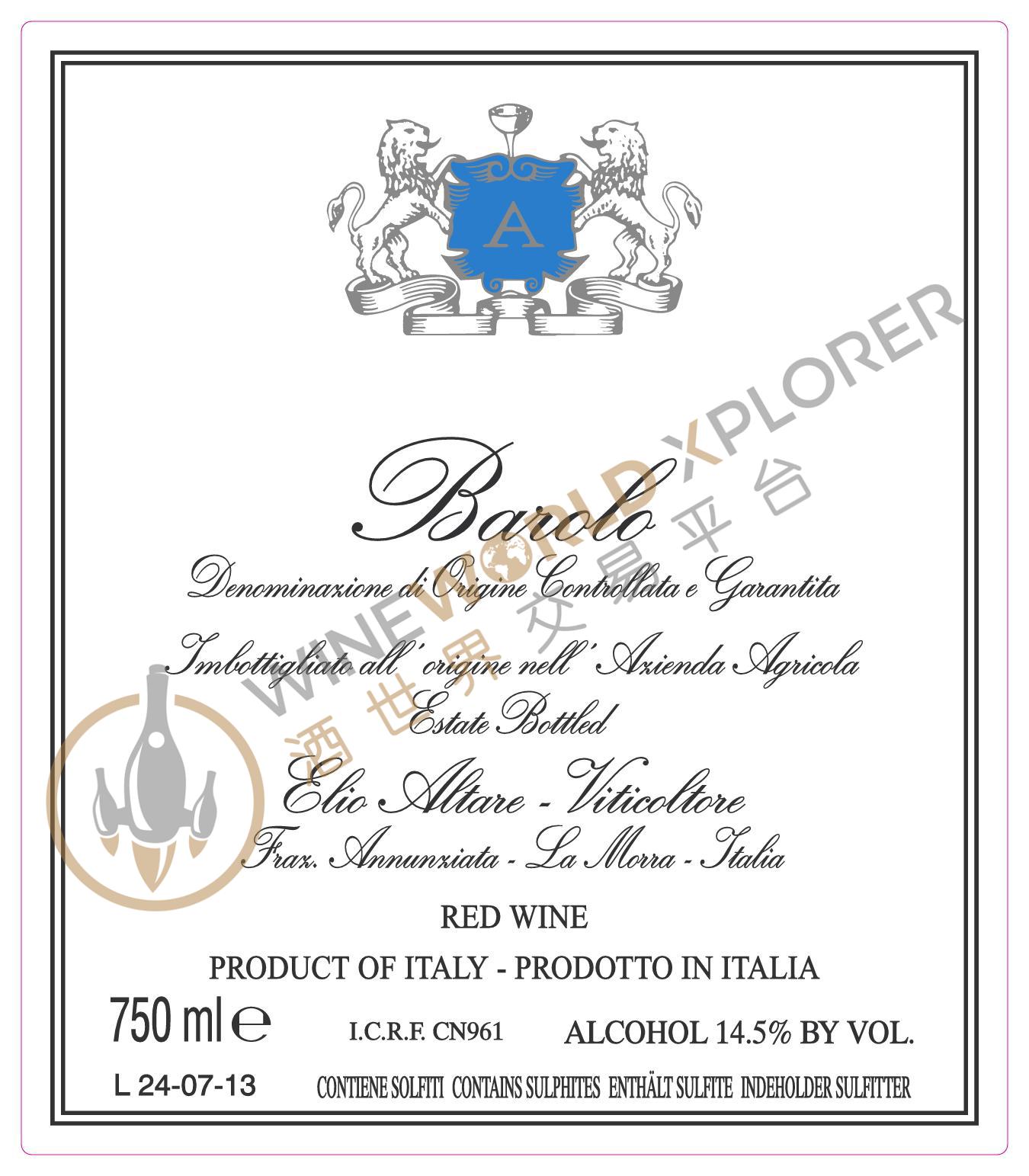
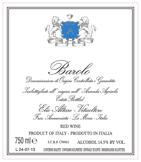
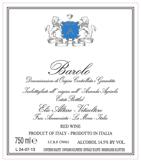
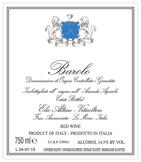
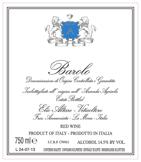
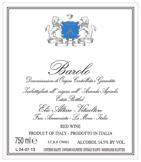
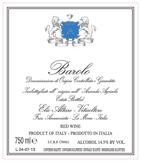
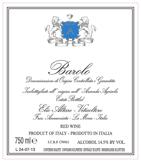
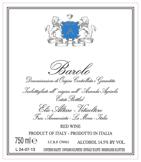
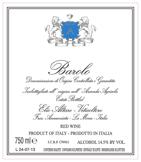
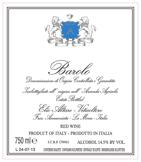
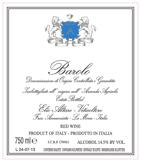
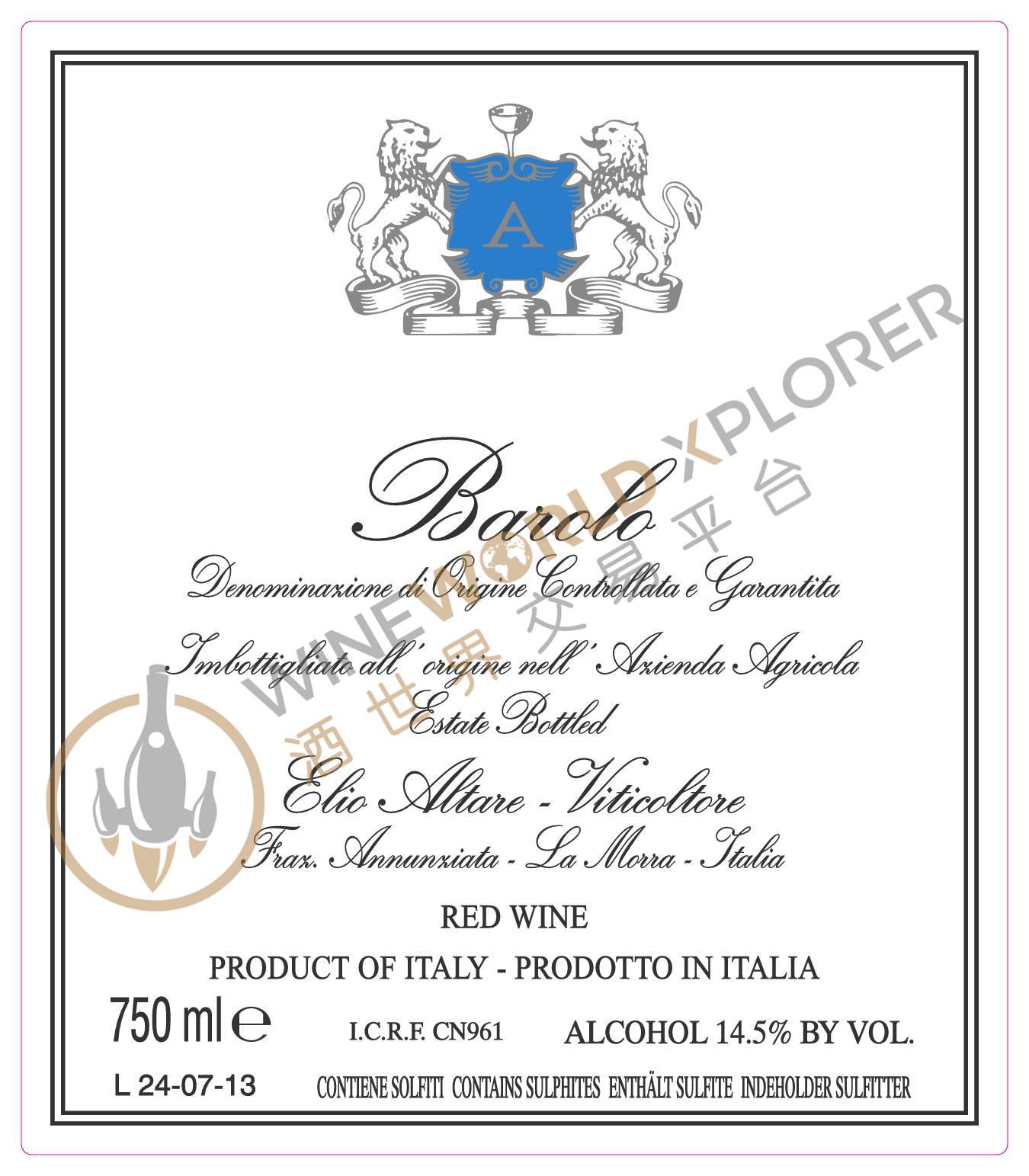
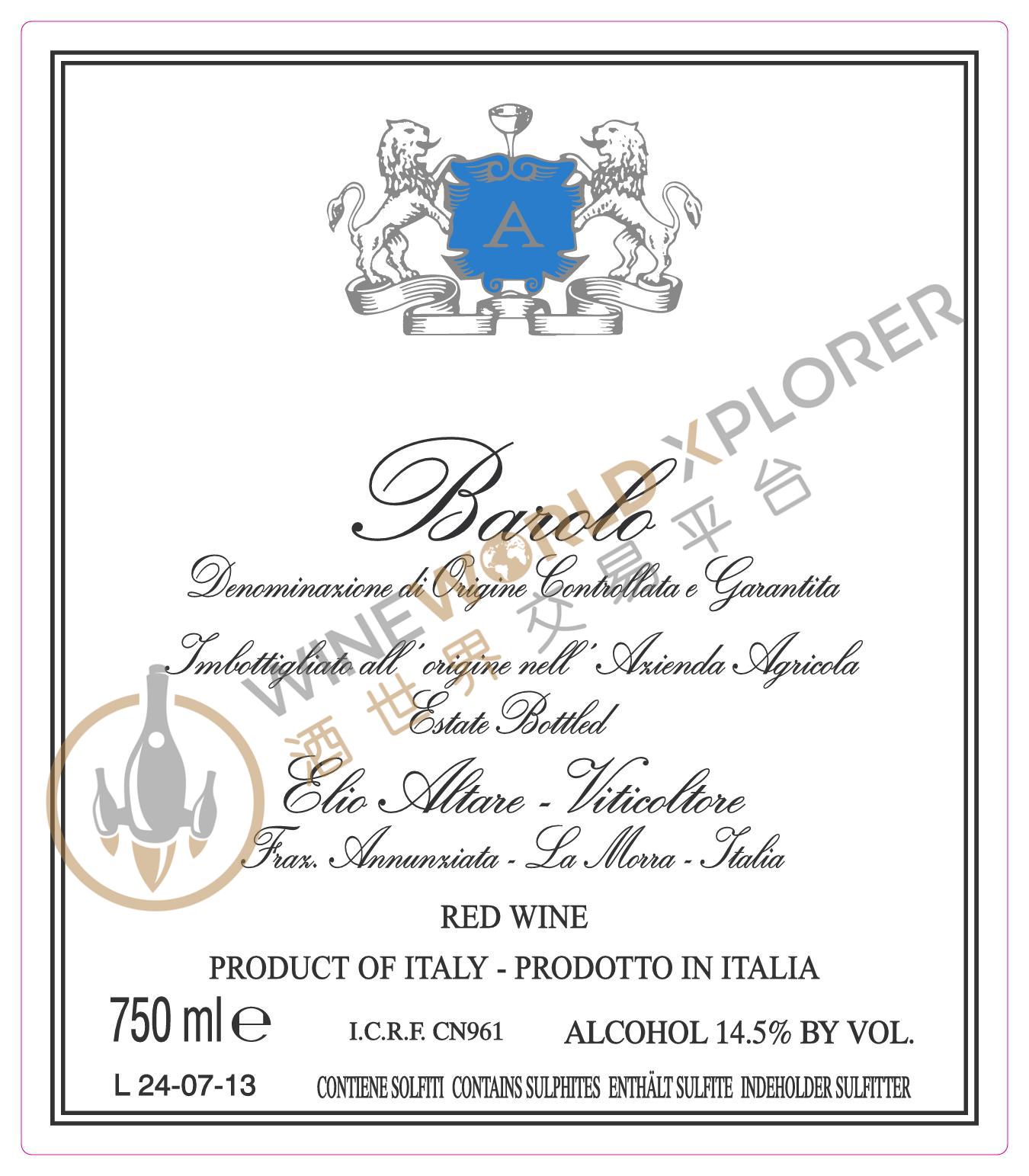
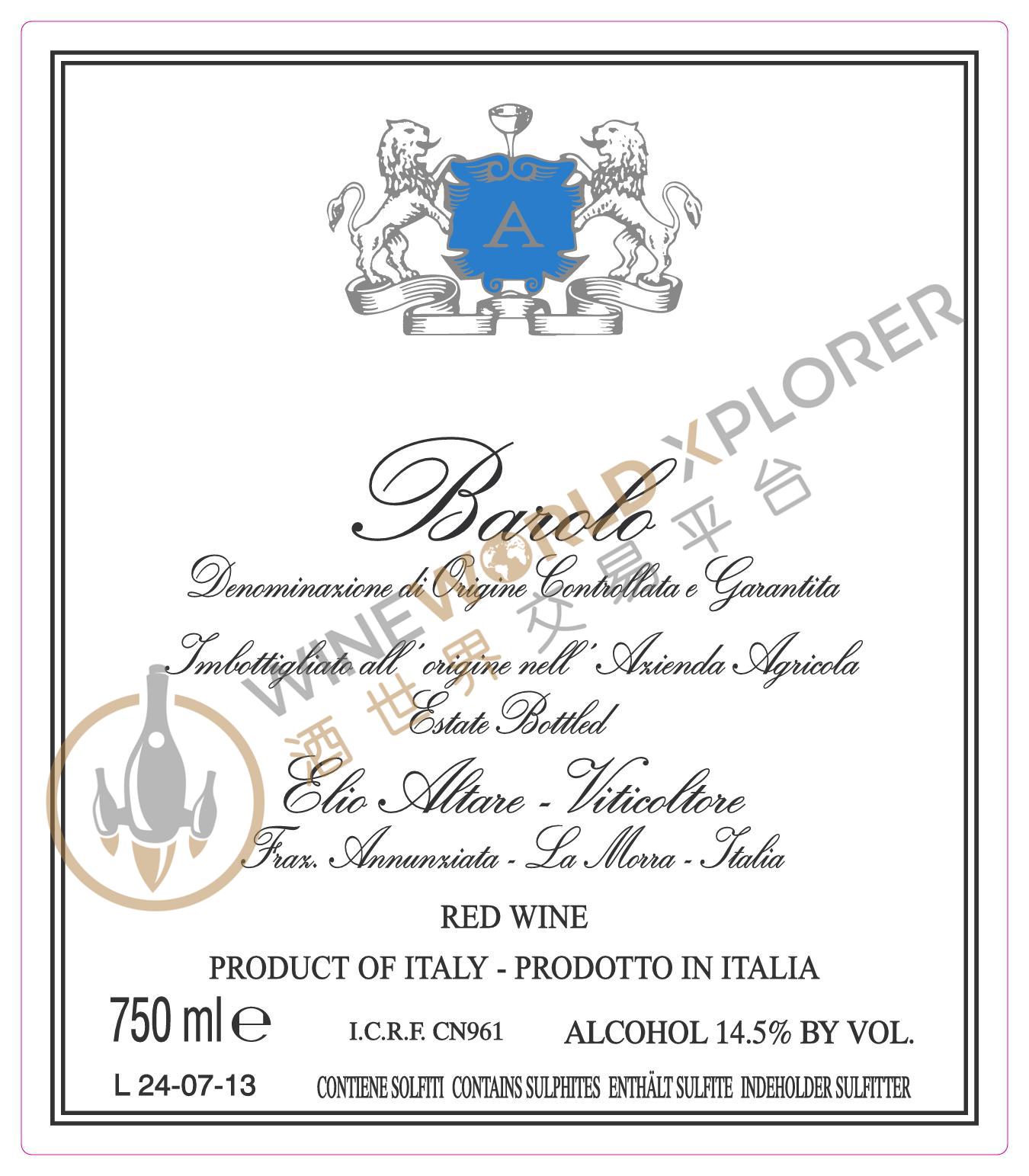
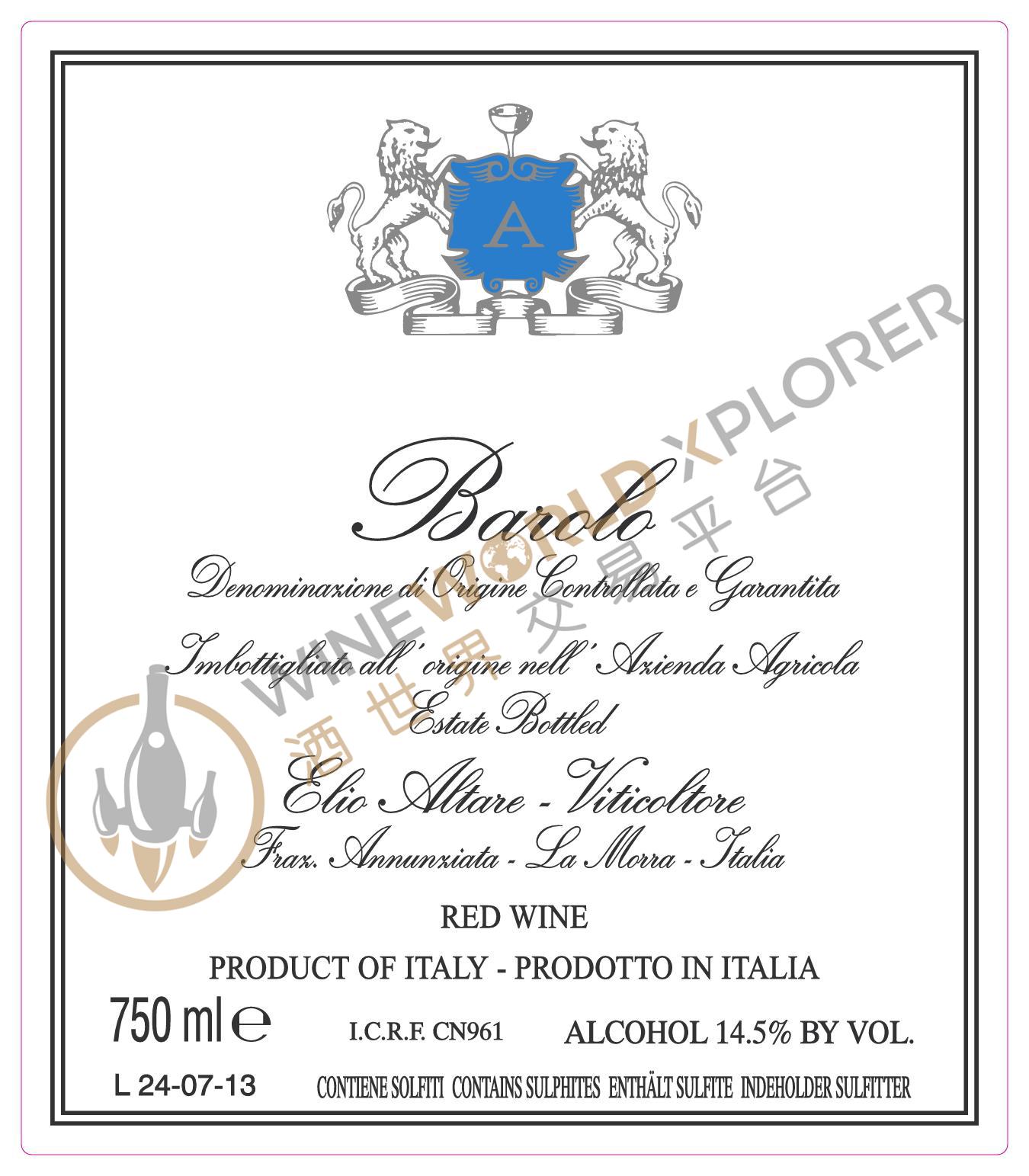
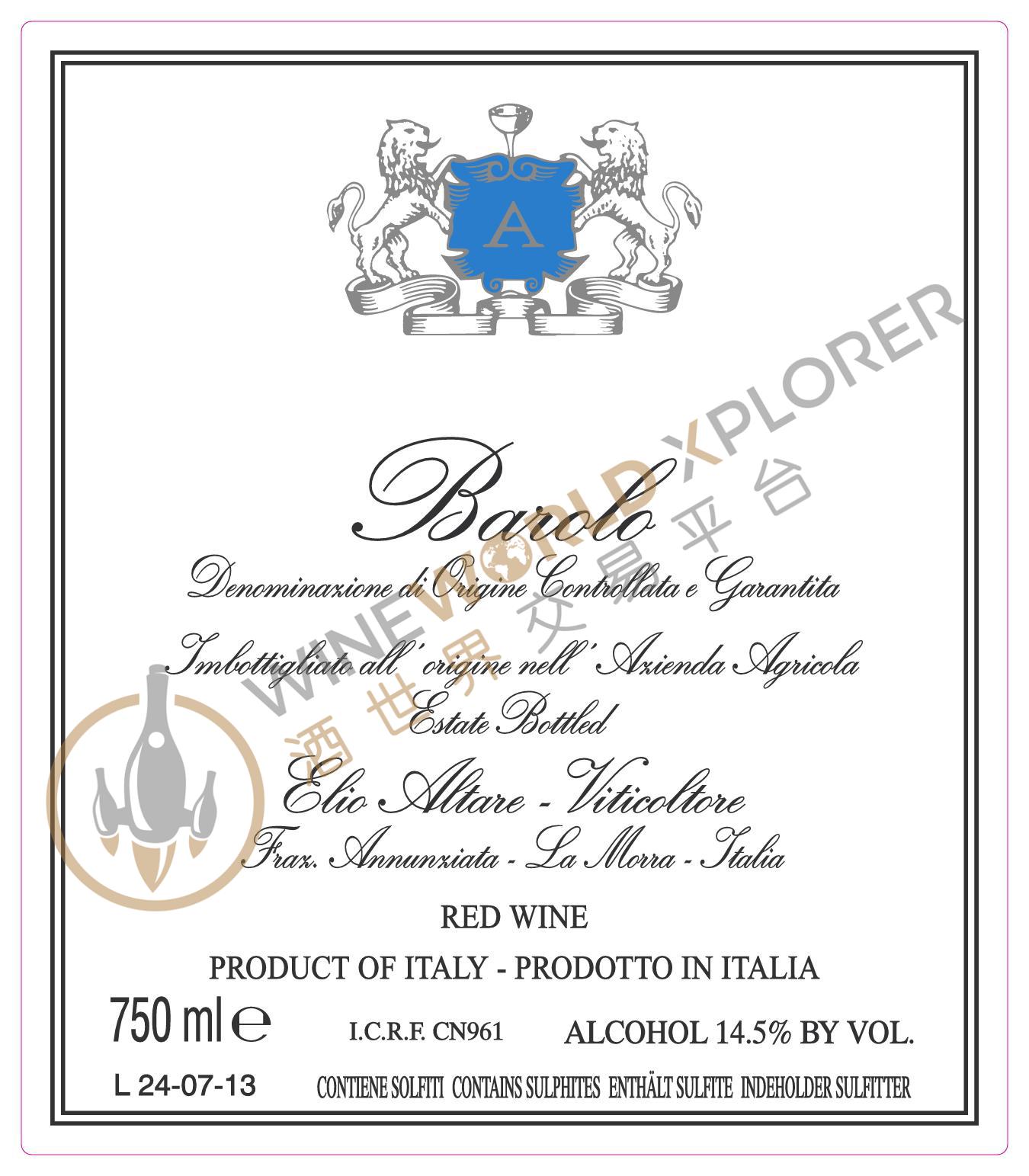
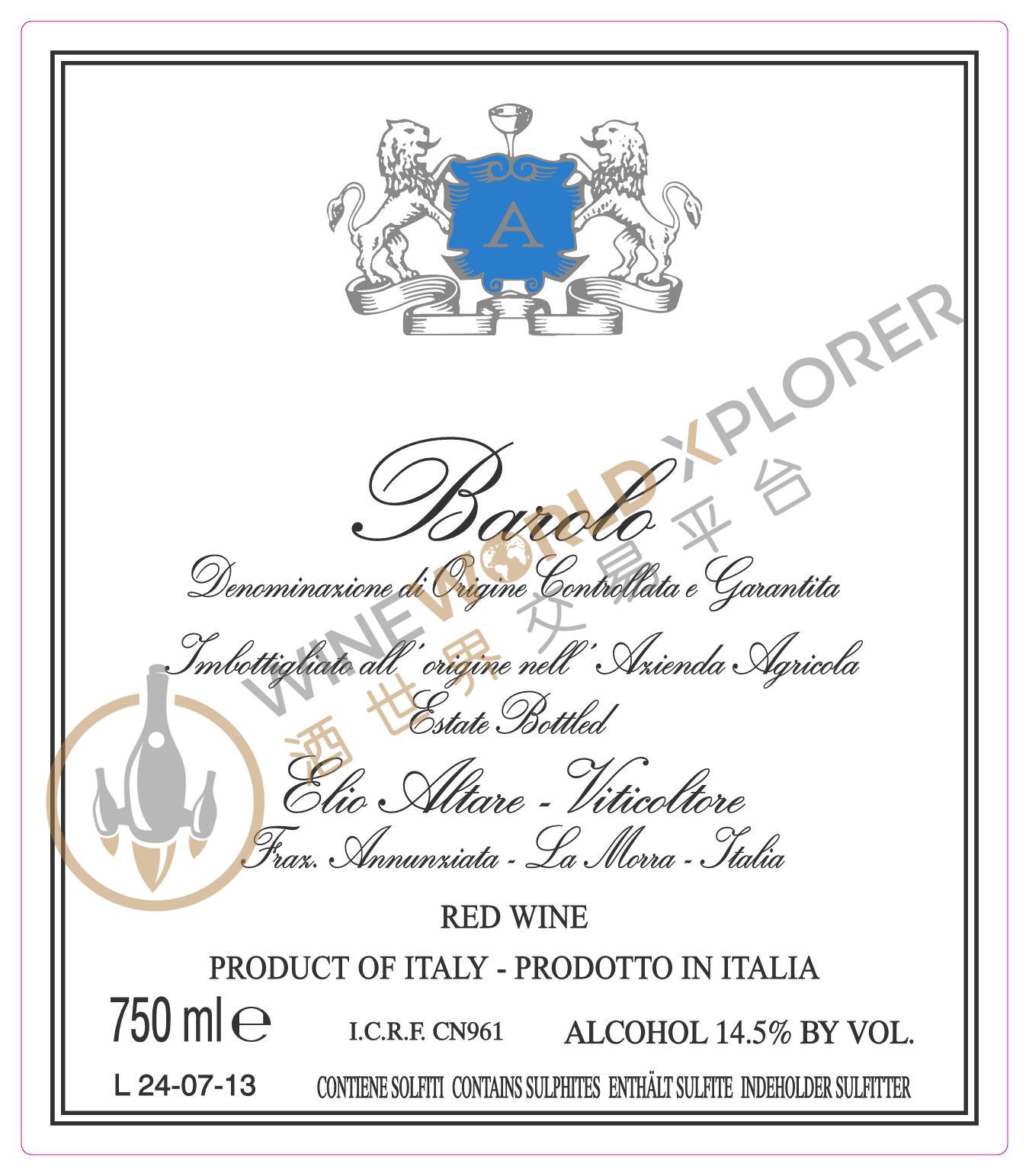
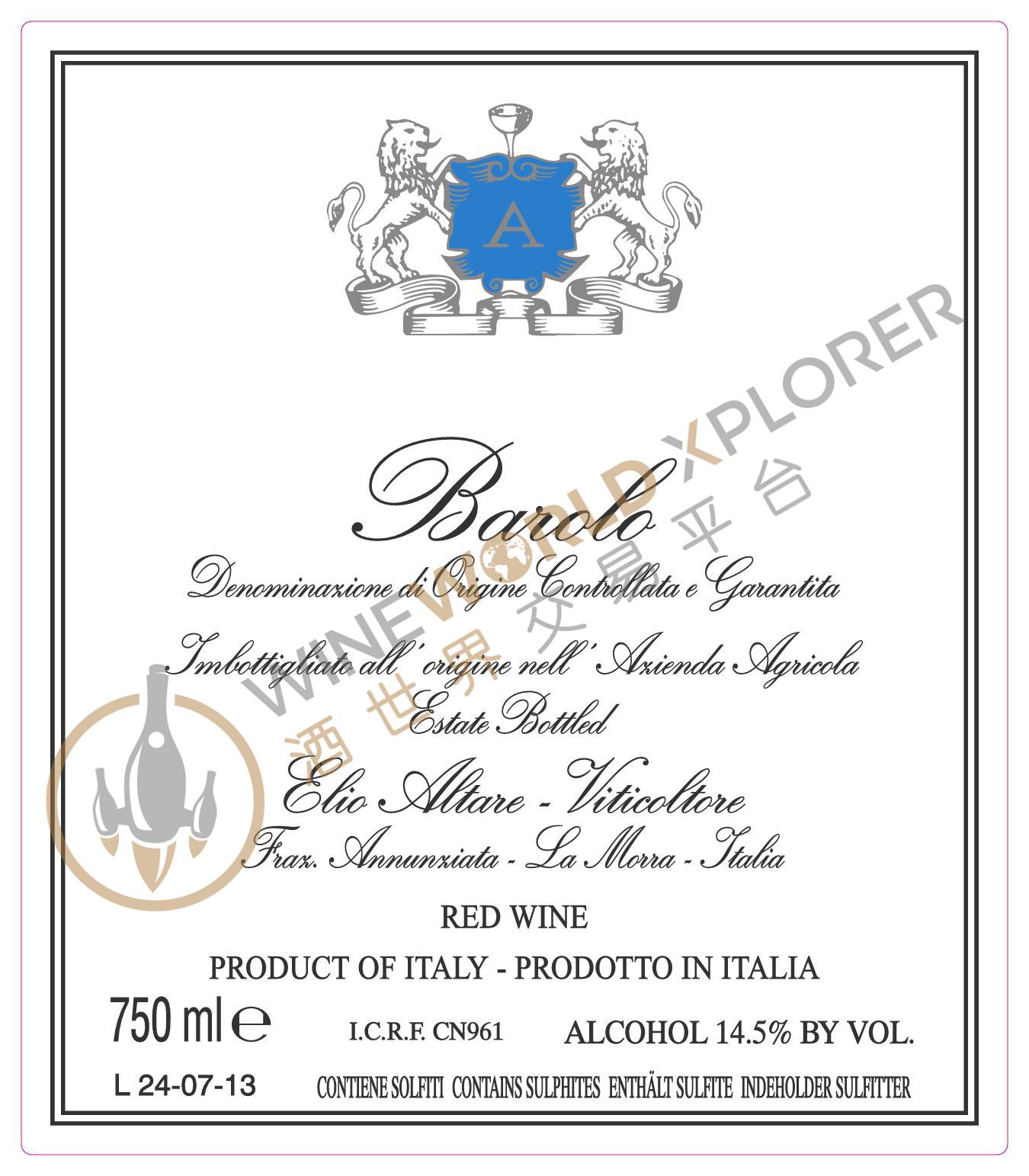
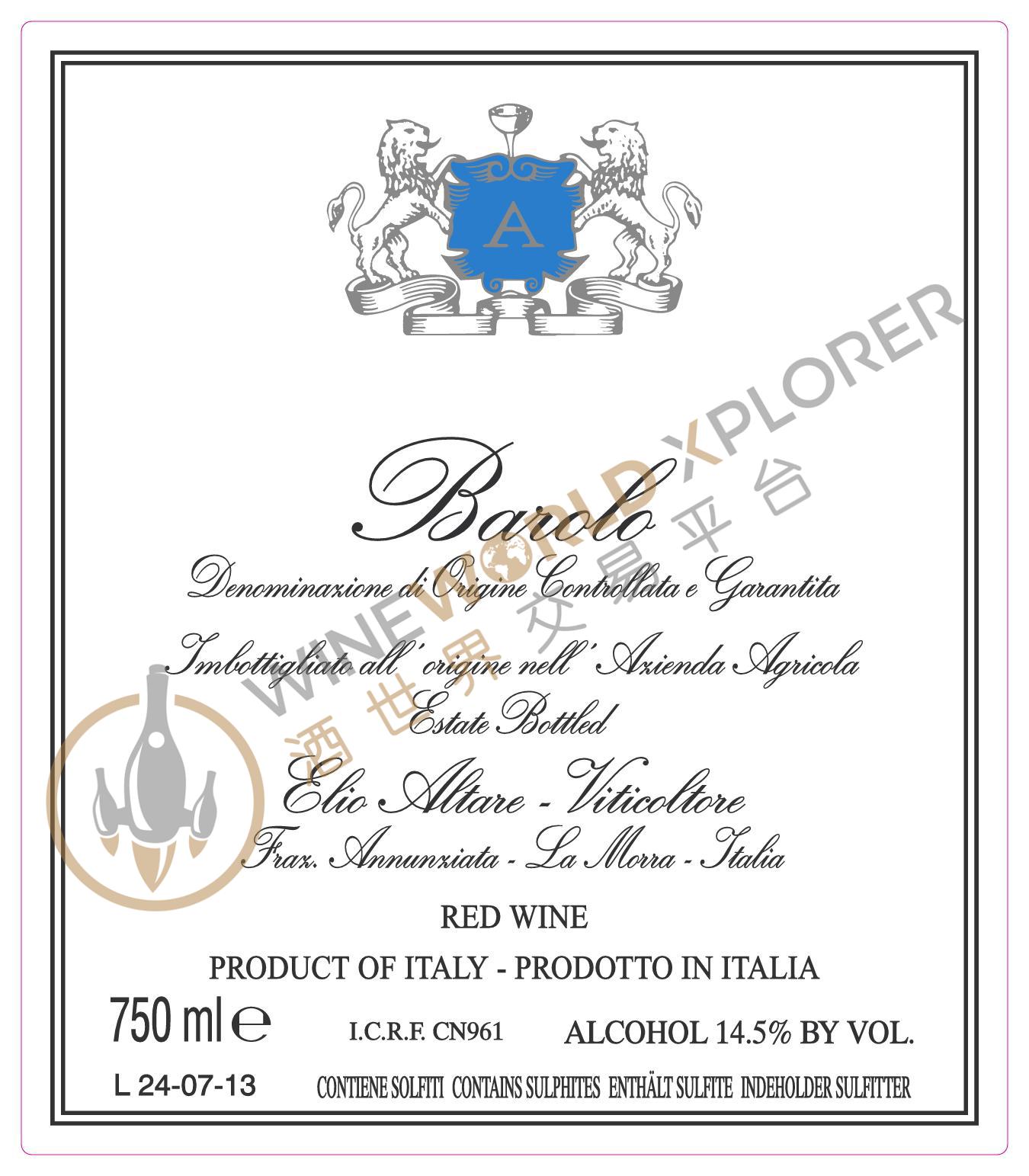
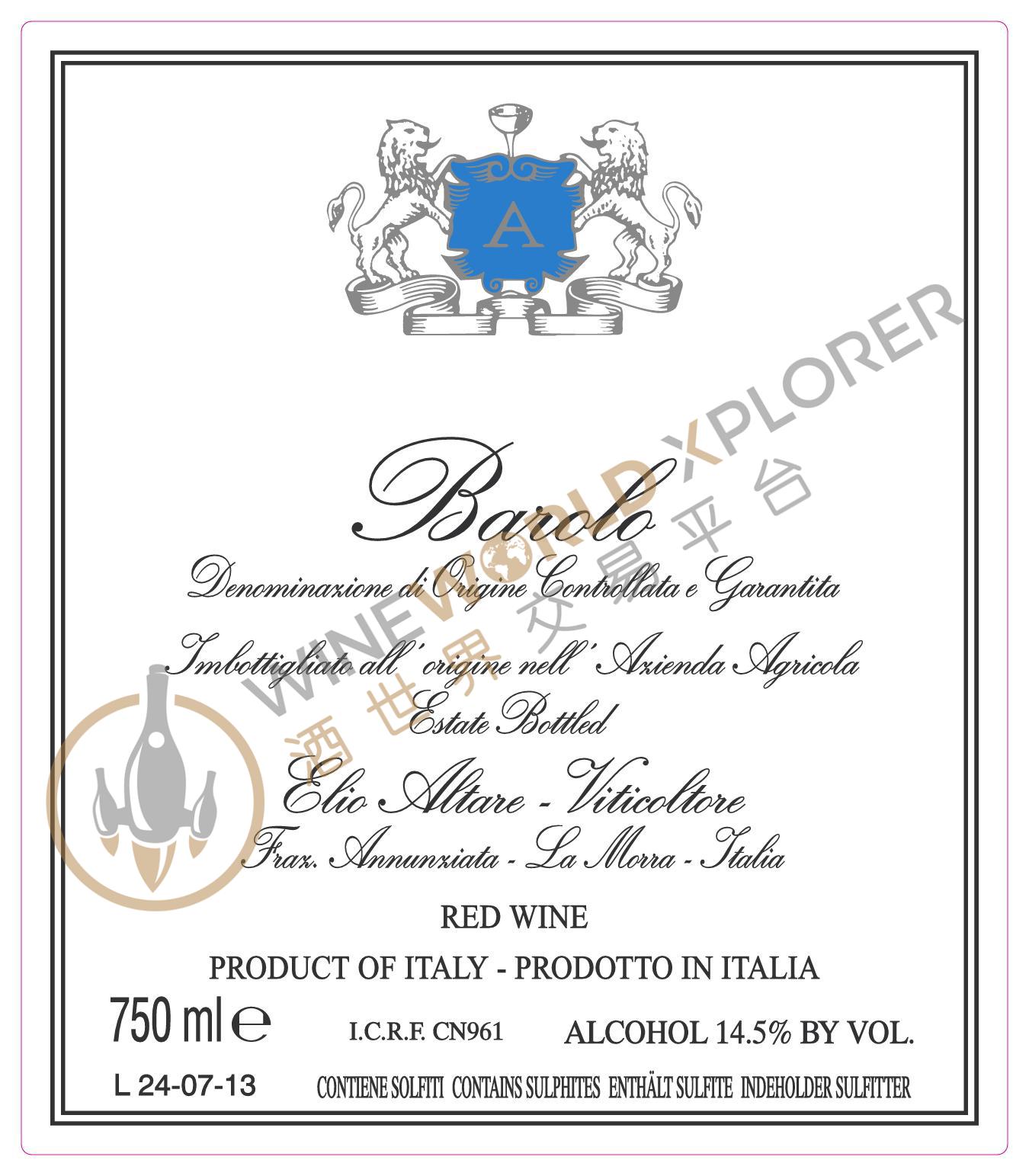
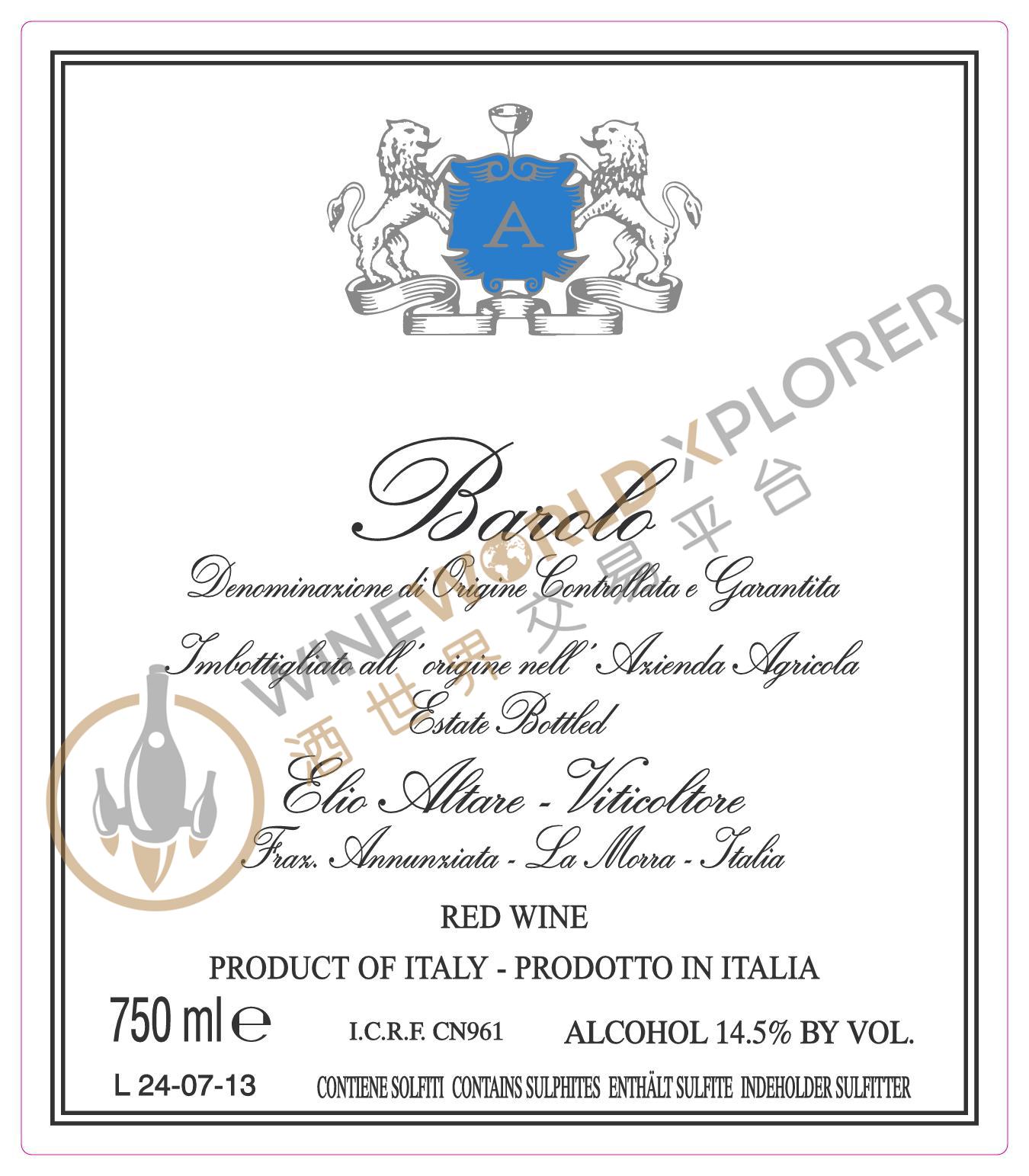
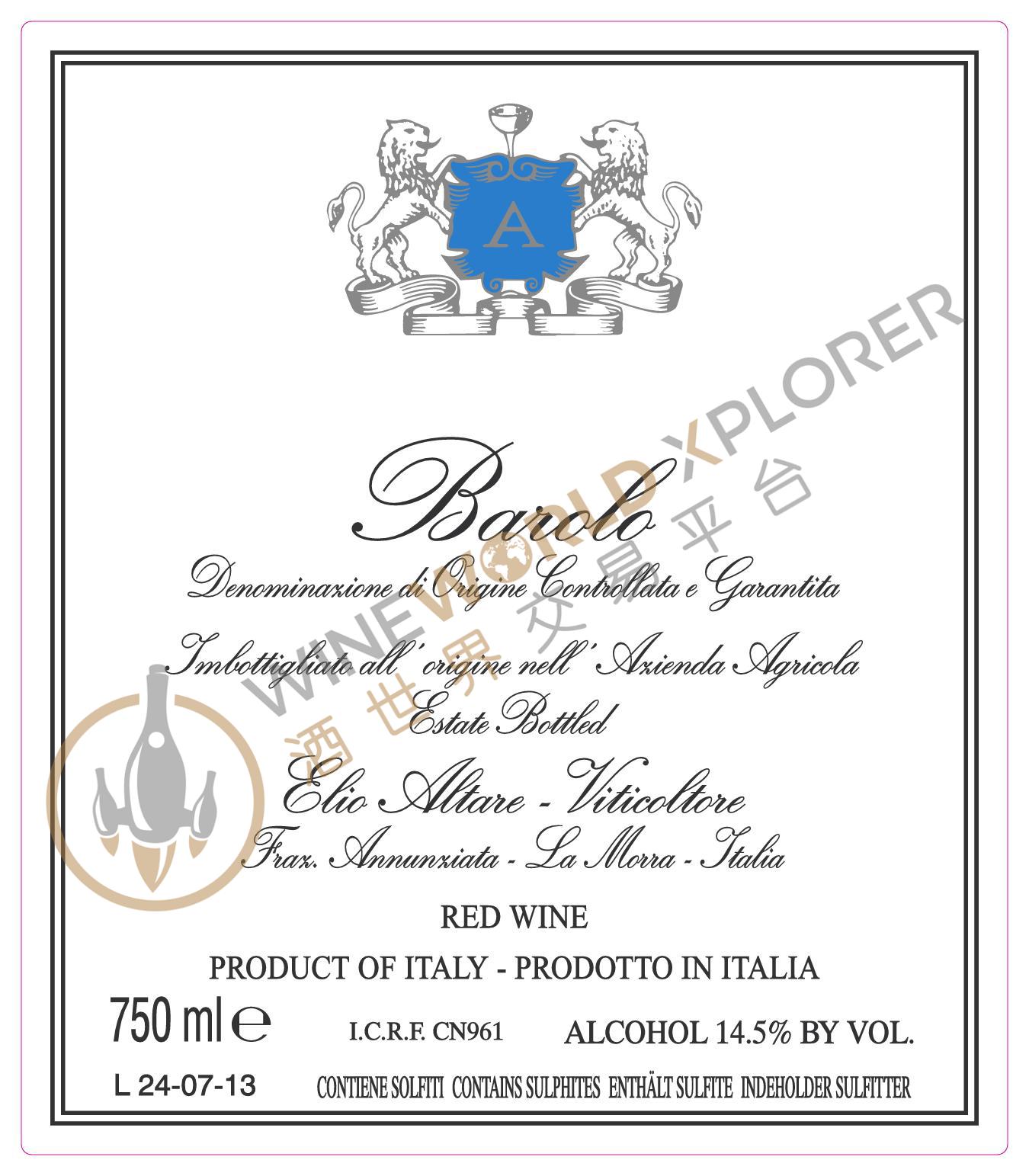
Elio Altare, Barolo 2014
 View analysis


Description
Tasting notes

Reviewed by: Monica Larner
The 2014 Barolo is a charming wine that shows us what can be accomplished when fruit selection is severe. Silvia Altare tells me that she lost up to 60% of her Barolo production in the very challenging 2014 vintage. In fact, bottle production for this wine is only 4,500, compared to 12,000 bottles made in any other average vintage. Because she had so little fruit to use, the wine maintains its quality standards and will definitely surprise all those 2014 naysayers. The bouquet opens to thick layers of cherry fruit, blackberry, spice and wild rose. The mouthfeel offers medium weight with good fiber and lasting softness.
Reviewed by: Antonio Galloni
Altare's 2014 Barolo is a soft, supple wine with the midweight structure of the year very much on display. Fruity, forward and open, it will drink well with minimal cellaring. The Altare Barolo has a track record of aging well. Even so, the 2014 is decidedly light, even within the context of the year.
Reviewed by: Antonio Galloni
Altare's 2014 Barolo is a soft, supple wine with the midweight structure of the year very much on display. Fruity, forward and open, it will drink well with minimal cellaring. The Altare Barolo has a track record of aging well. Even so, the 2014 is decidedly light, even within the context of the year.
About the Producer
Elio and Lucia’s eldest daughter Silvia has been fully involved in the winery since early 2000, while Elena, their youngest daughter, moved to Germany where she is now running a small wine import company. Elio, his wife Lucia, Silvia and the entire staff follow every single aspect of the work: in the vineyards from pruning to harvest, in the cellar from winemaking to sales, logistics, office work and marketing. The Altare family was originally from the town of Dogliani before buying the farm in La Morra. Back then, the estate covered 5 hectares of nebbiolo, barbera and dolcetto vineyards, along with some peach, hazelnut and apple trees. Those were times when orchards gave higher yields and more profits than vineyards. Back then it wasn’t easy, given the economic crisis that lasted for years. Elio, along with other friends, decided to learn more about winemaking by traveling beyond the borders of Piemonte, trying to learn from the success that other regions were enjoying. Up to today we farm about 10 hectares with an average production of 70,000 bottles.