Wine Advisor



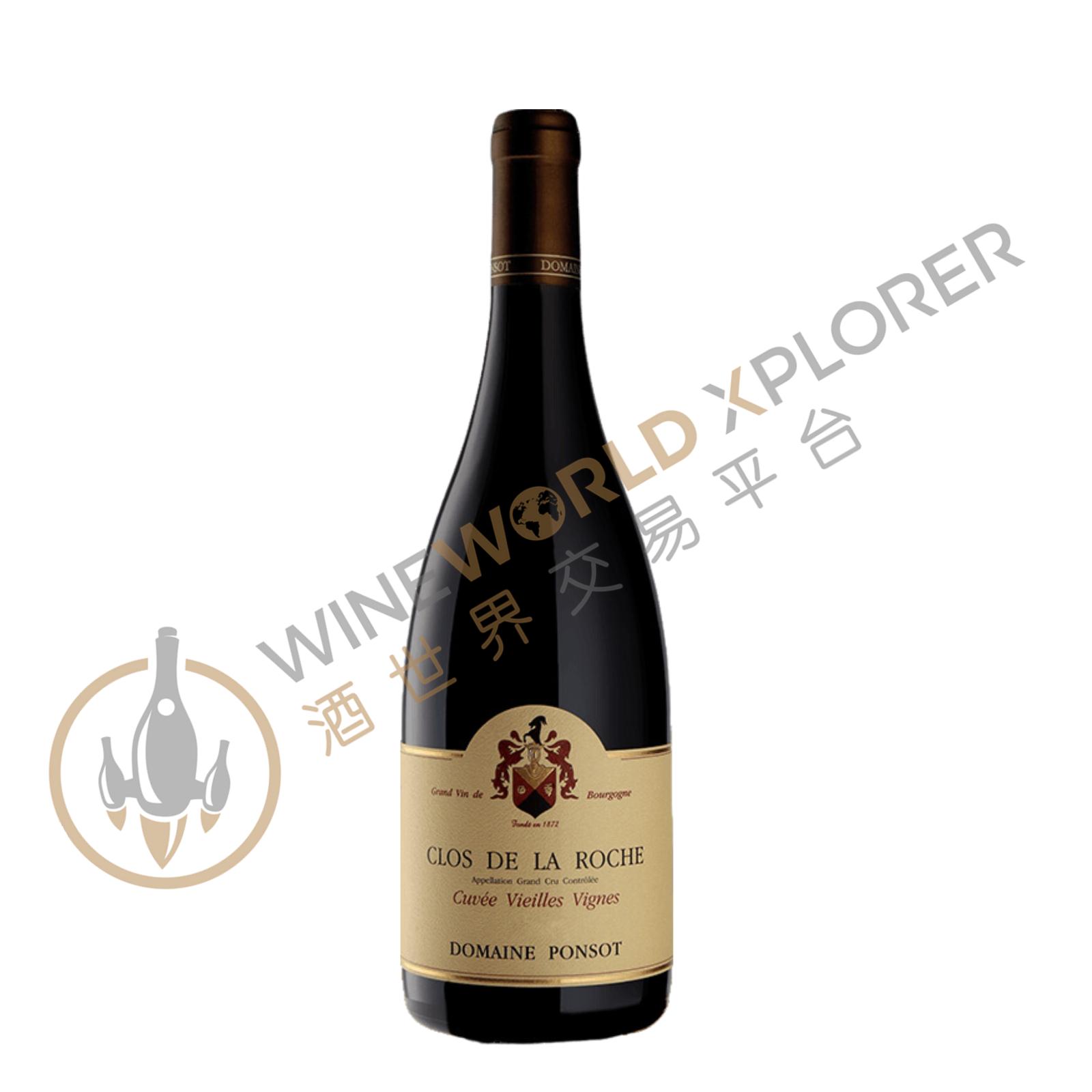
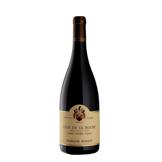
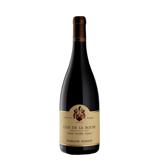
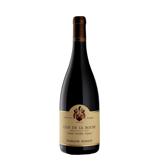
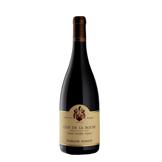
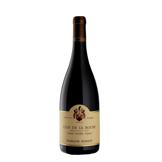
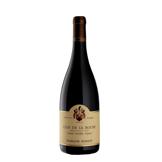
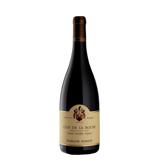
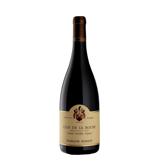
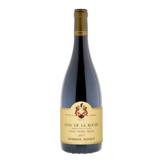
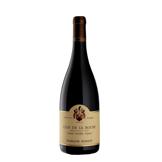
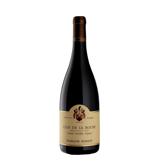
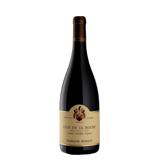
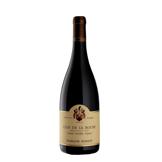
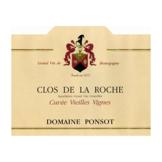
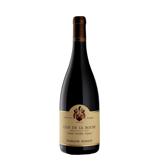
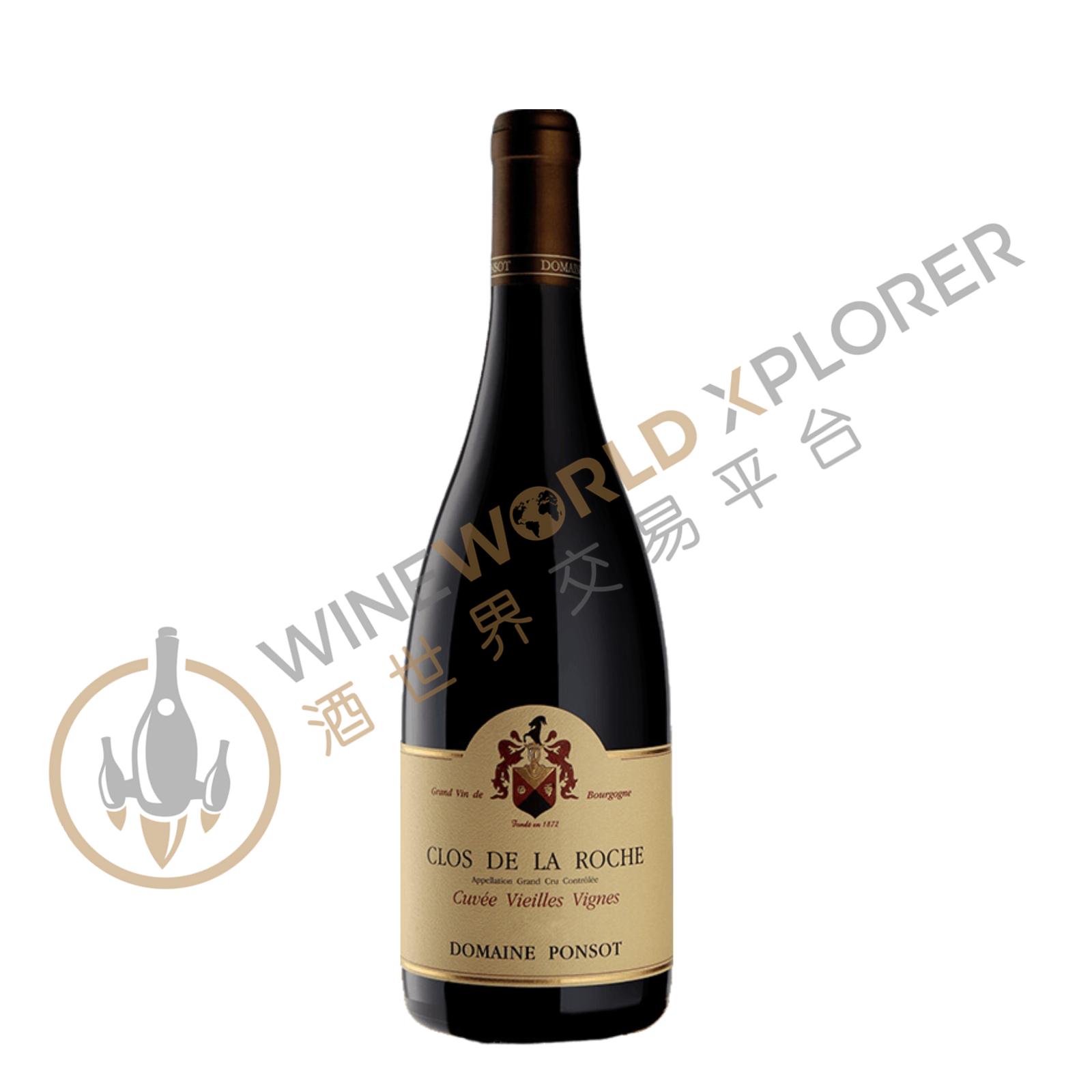
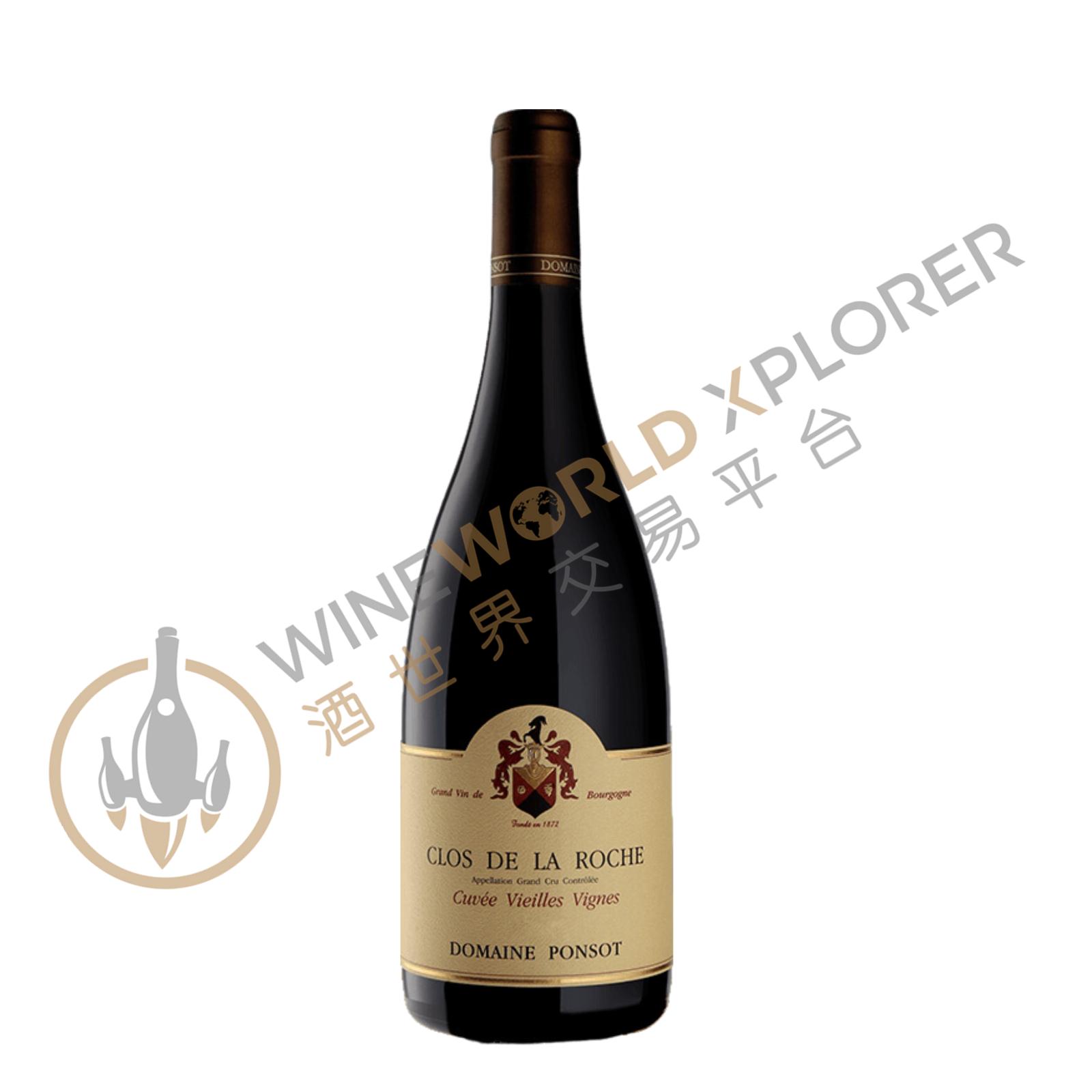
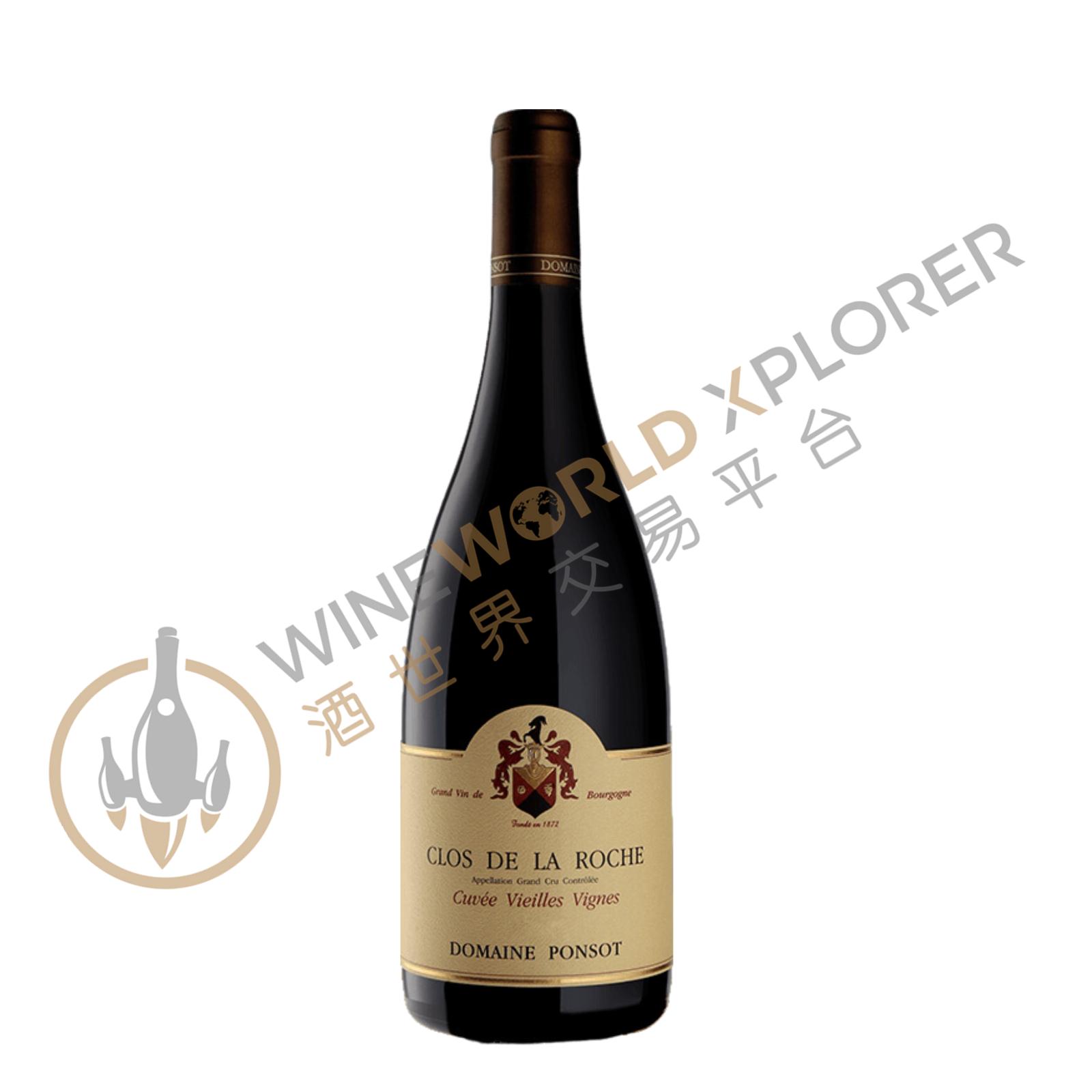
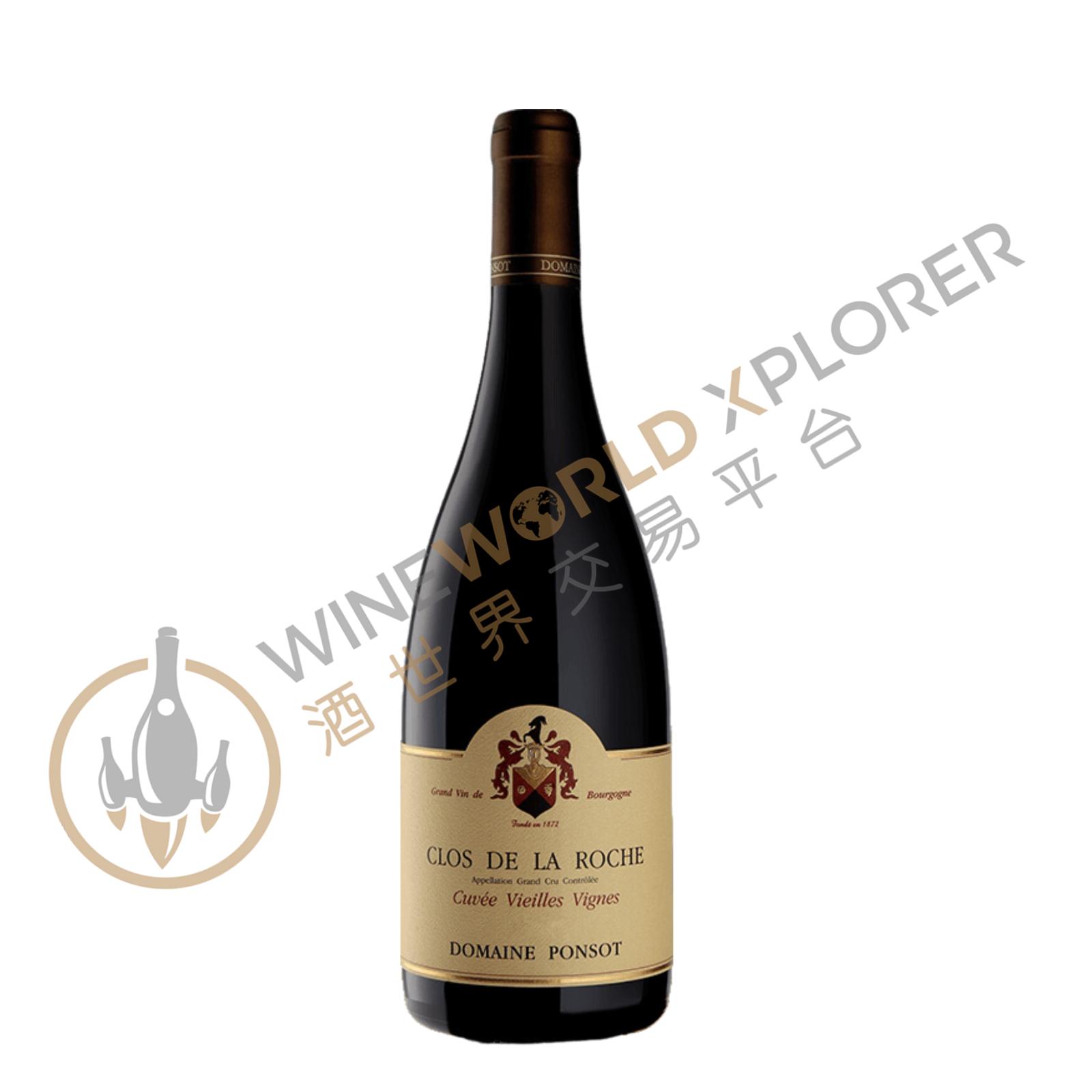
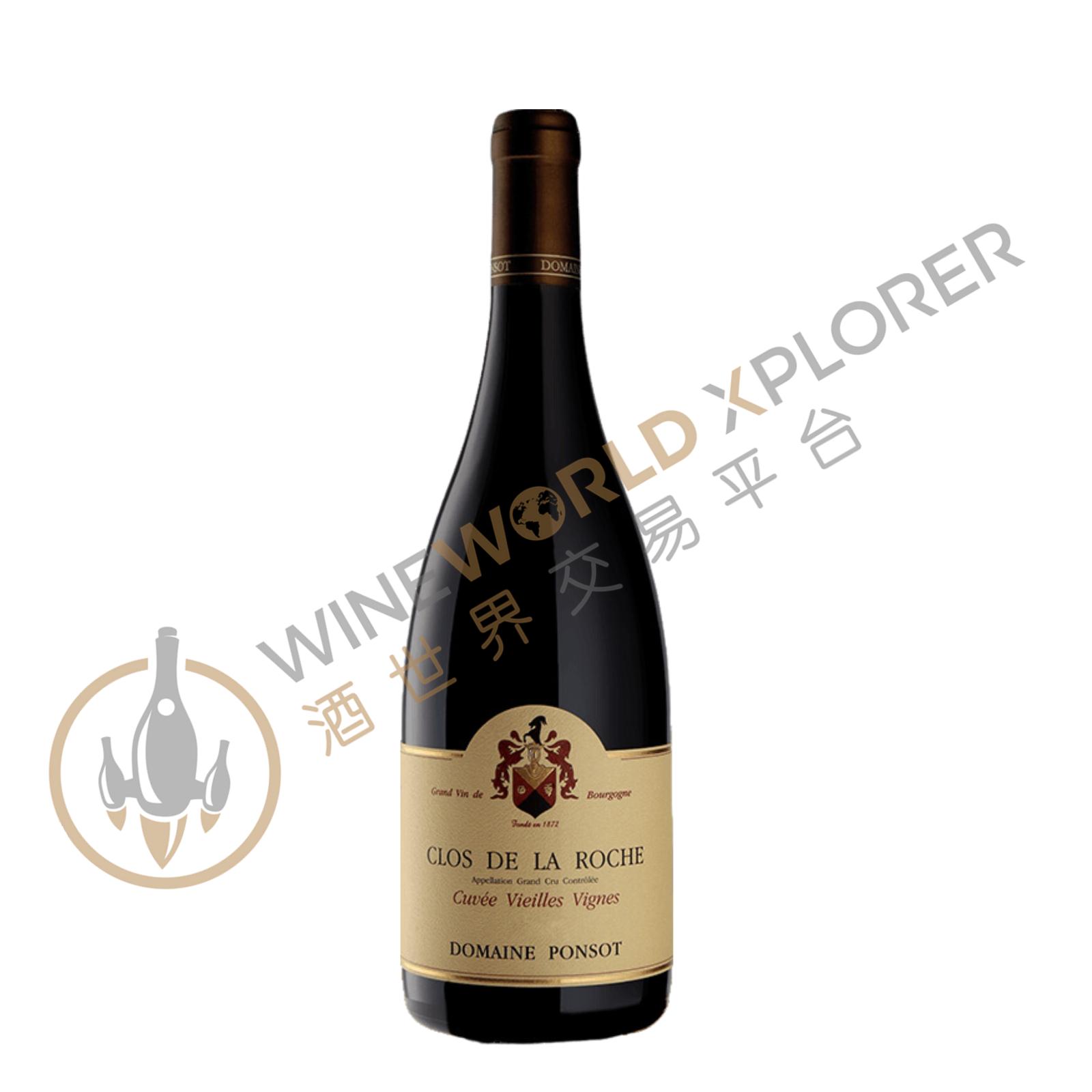
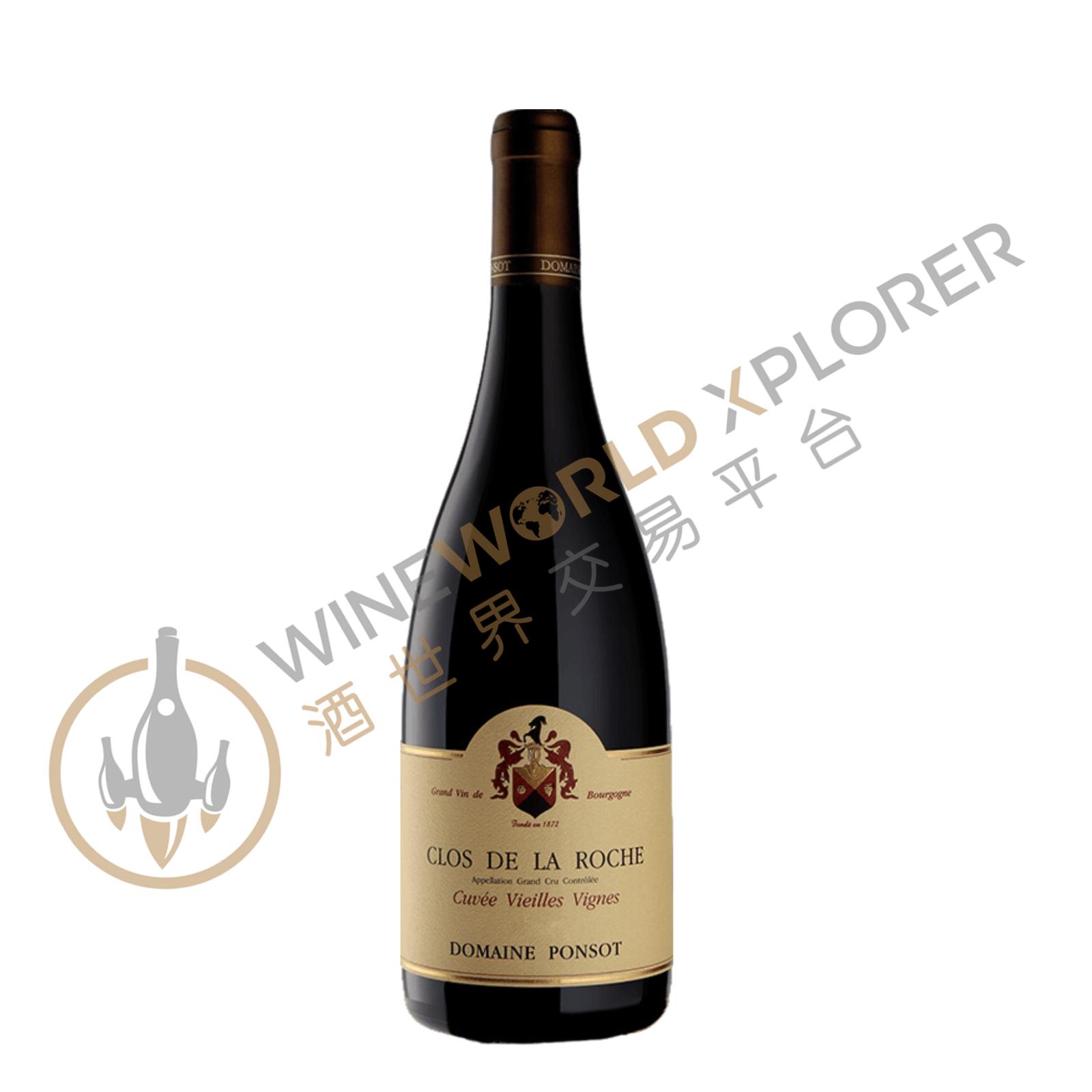
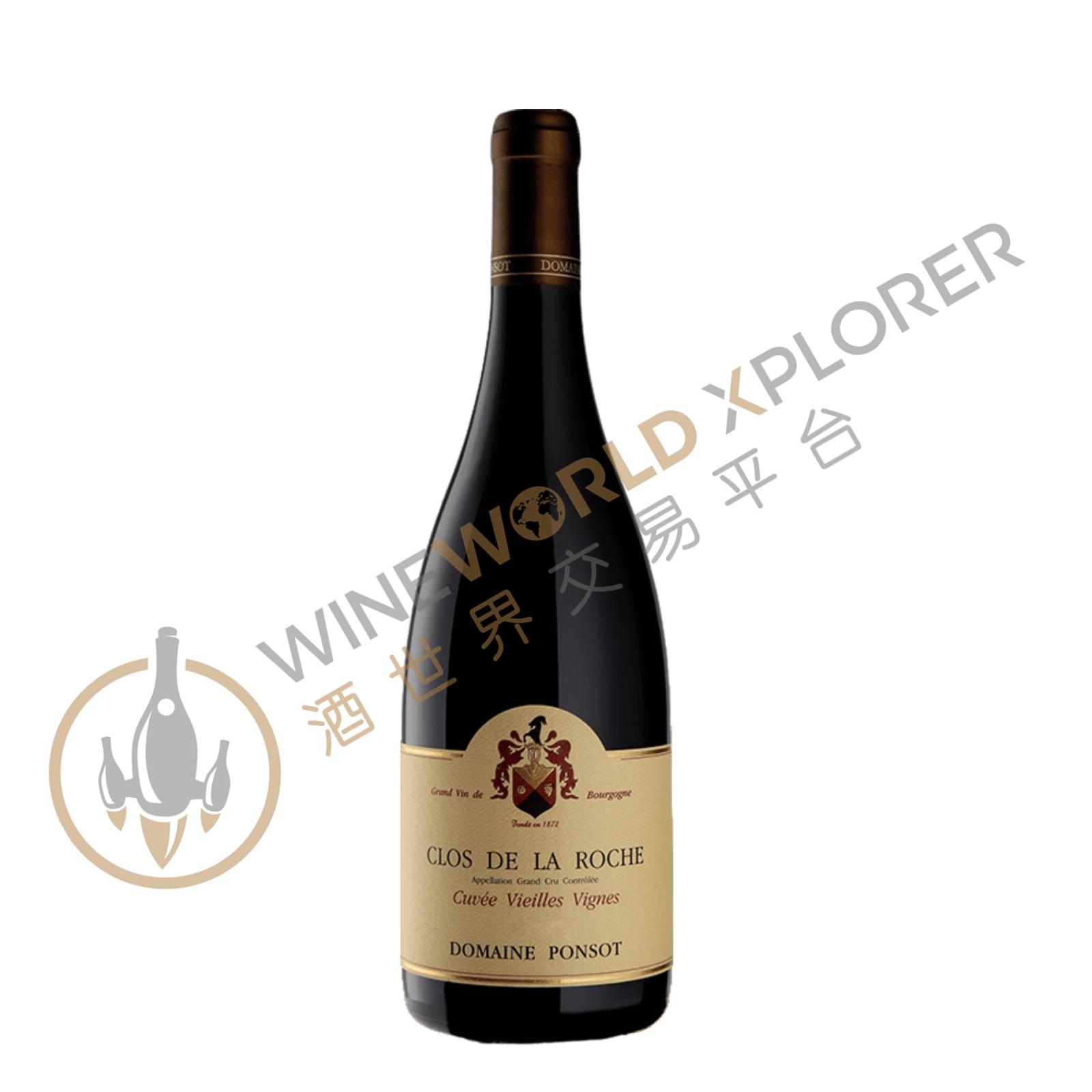
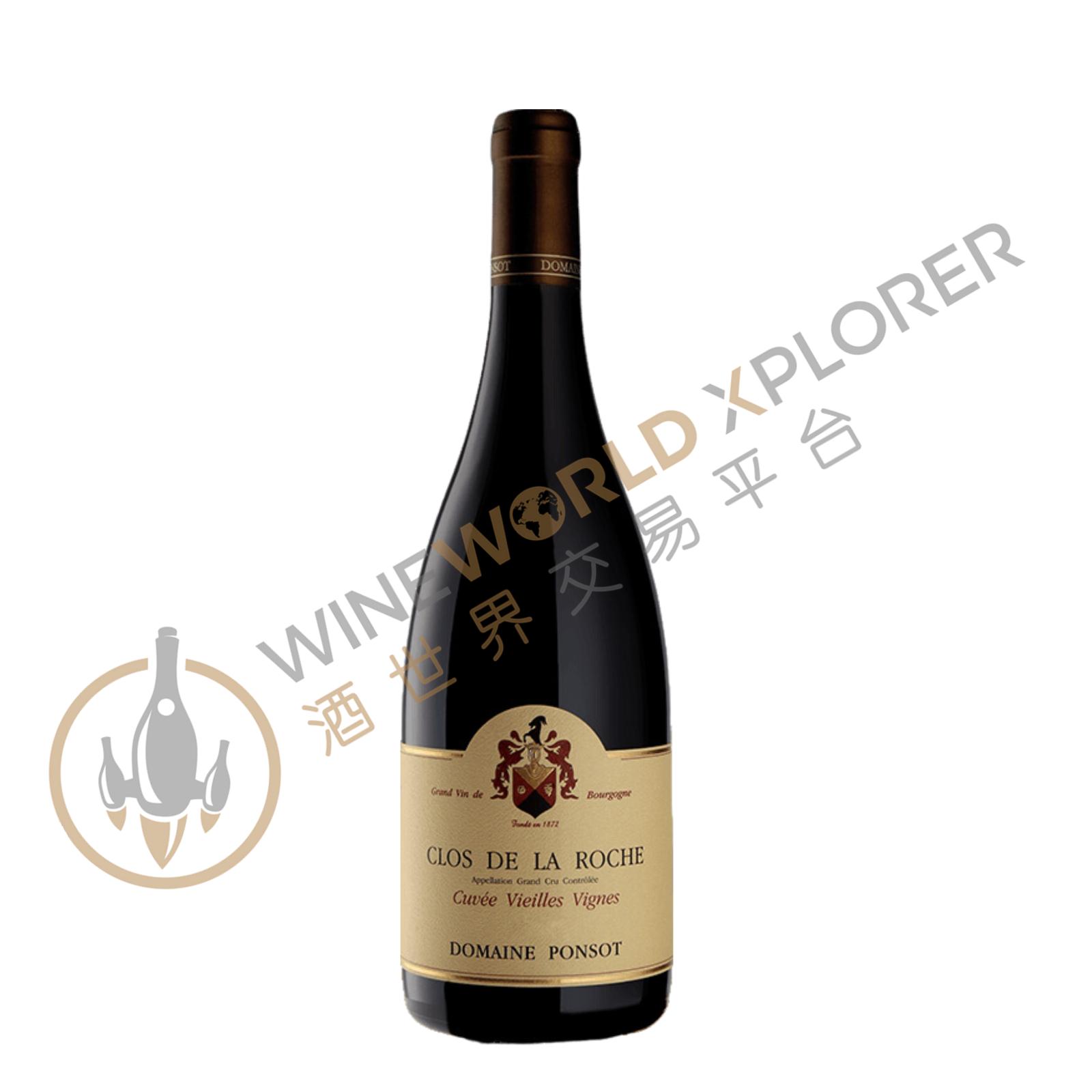
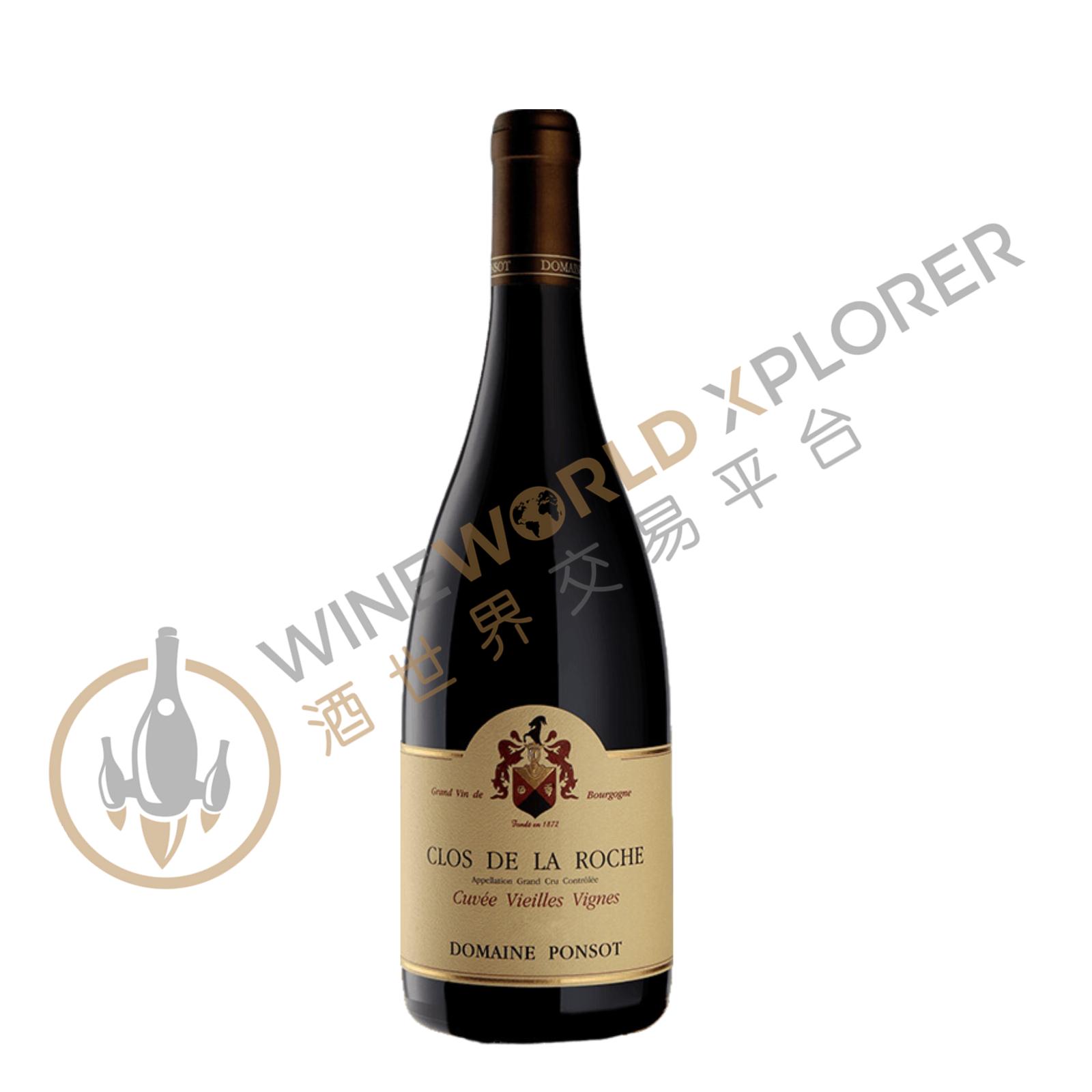
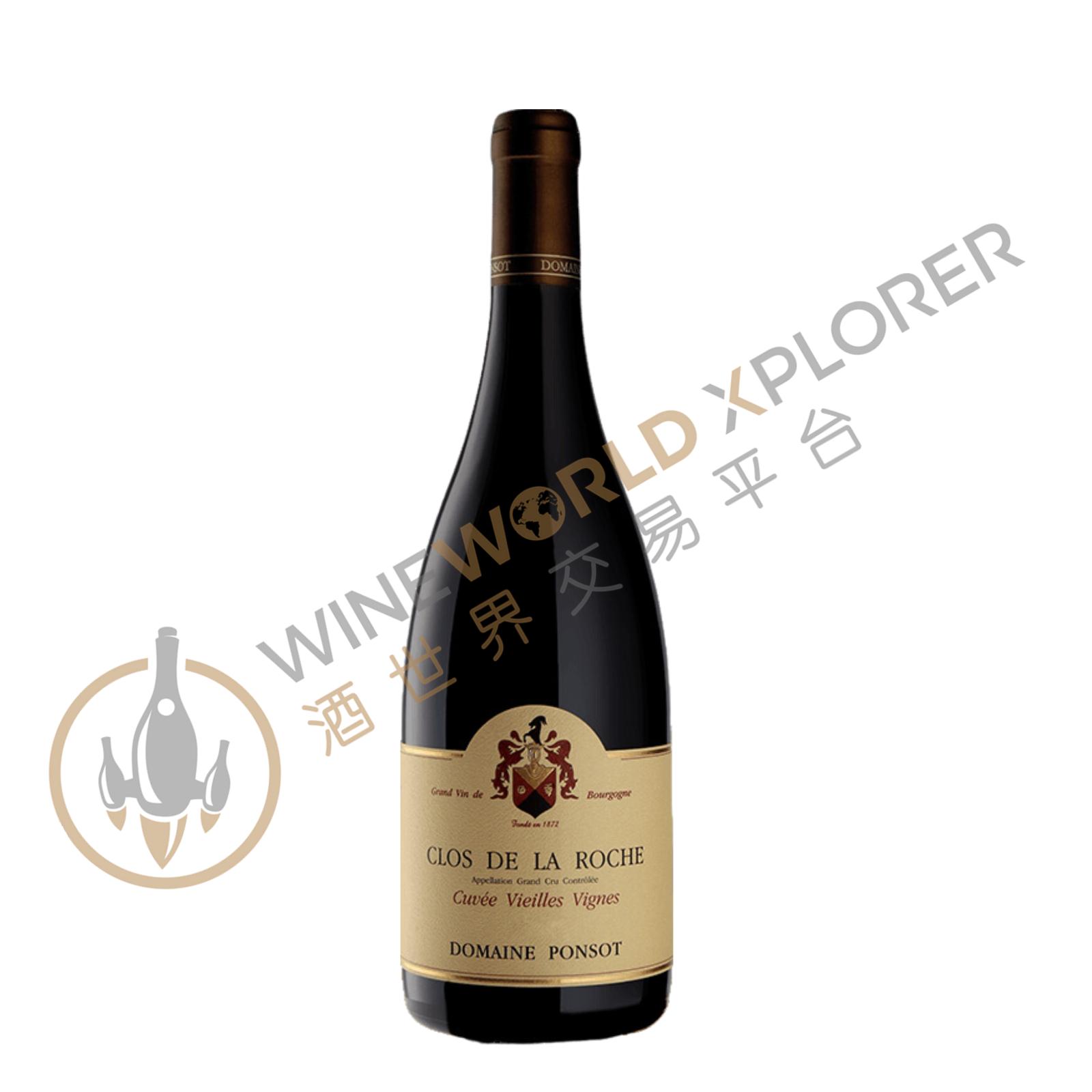
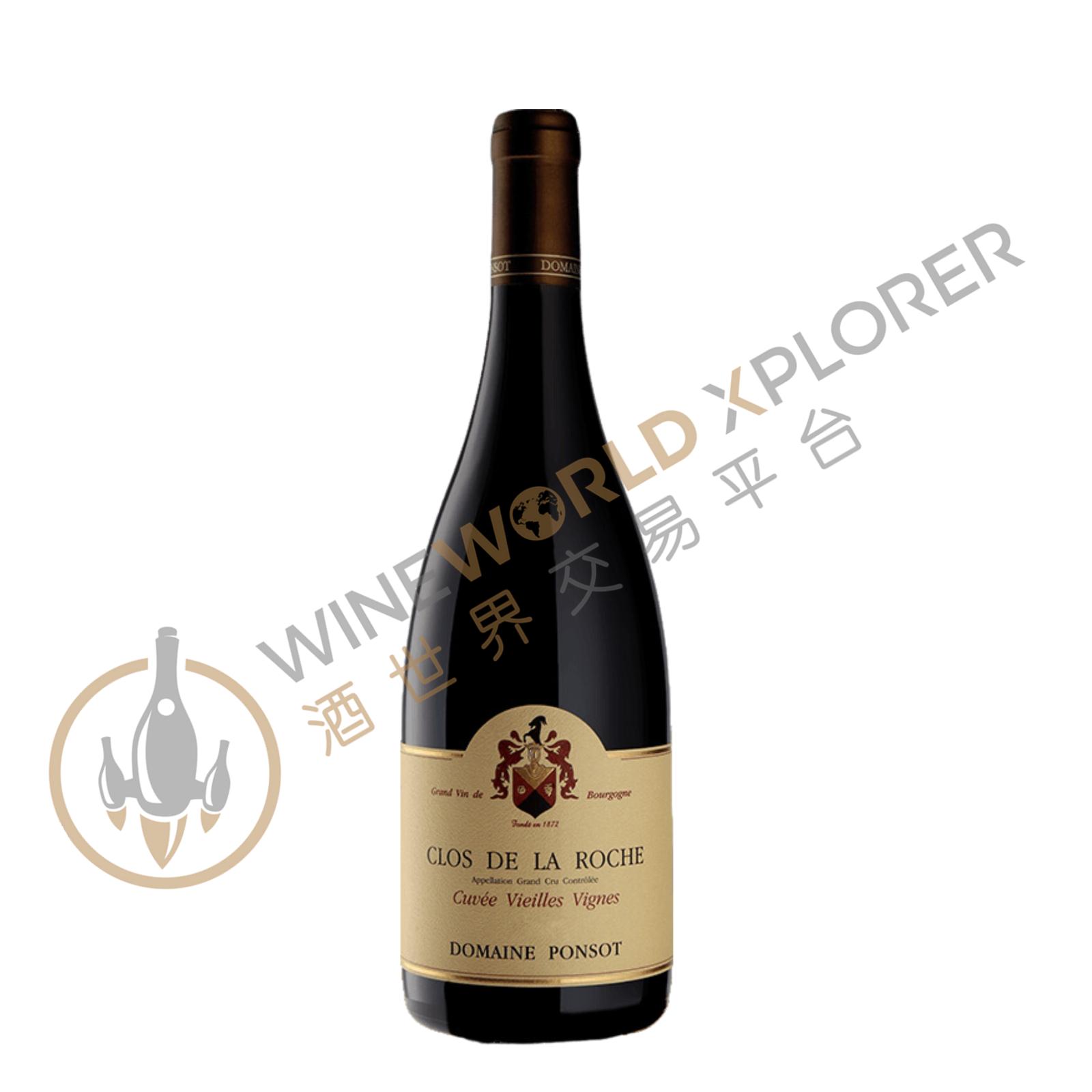
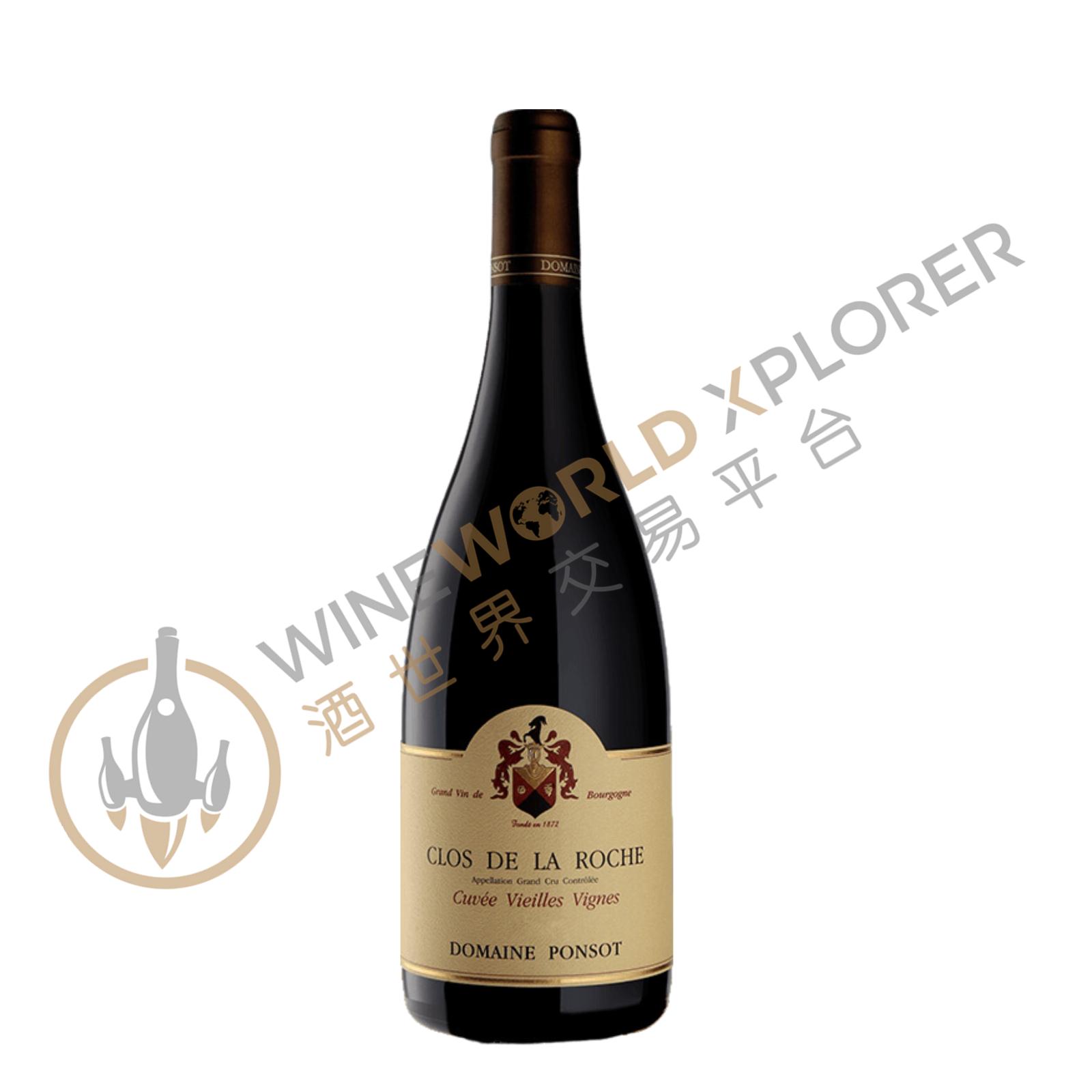
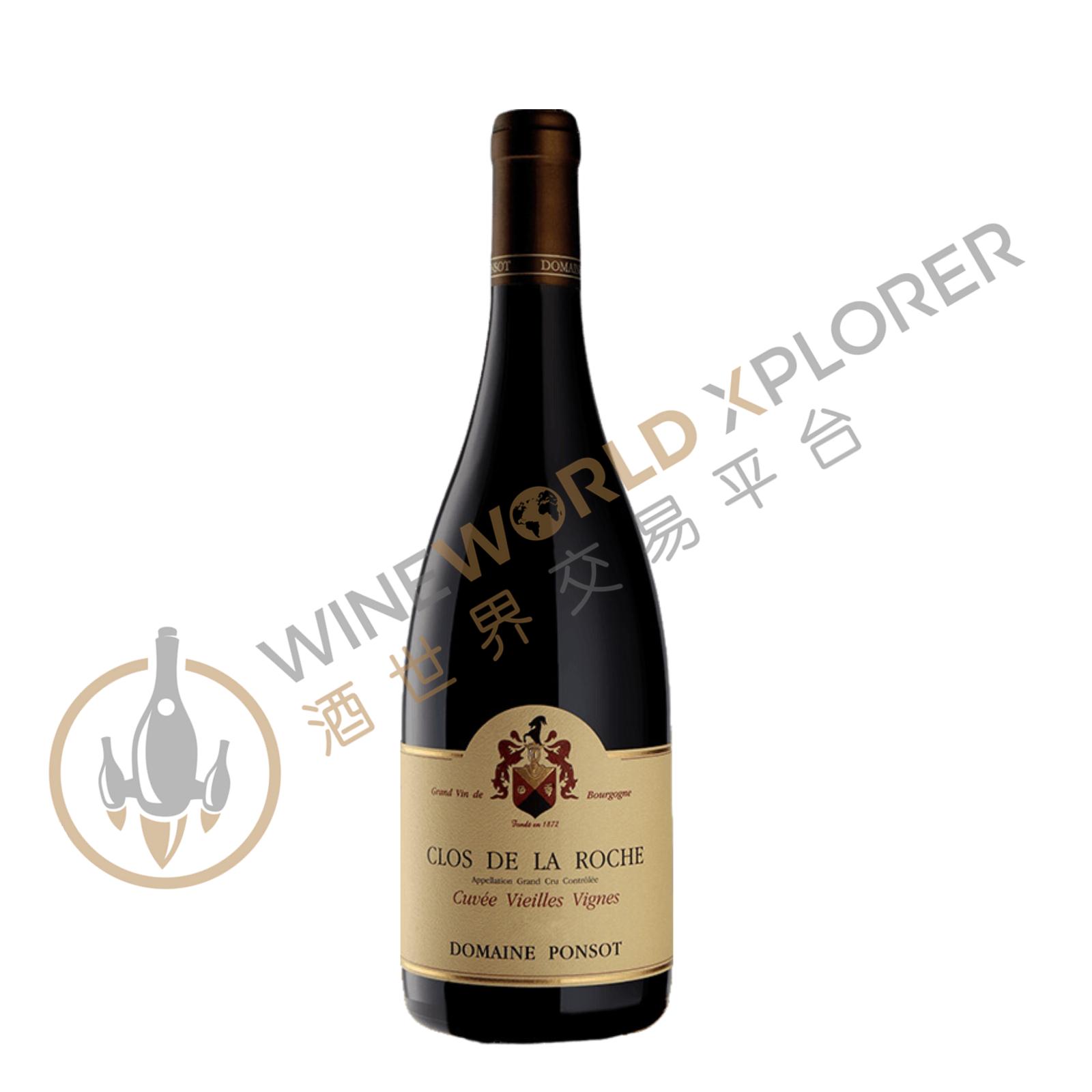
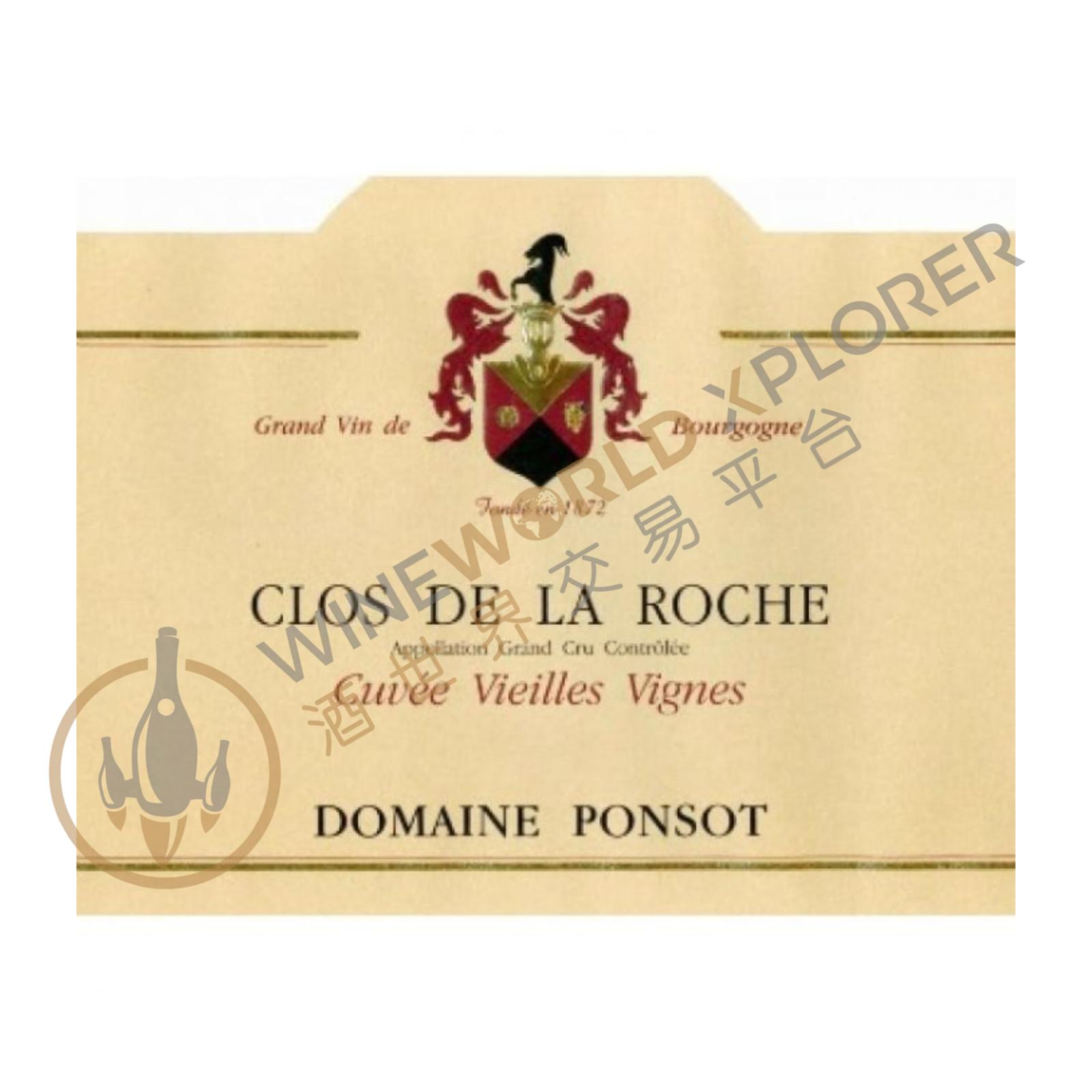
Ponsot, Clos de la Roche Grand Cru Cuvee Vieilles Vignes 2020
 View analysis


Description
Tasting notes

Reviewed by: William Kelley
The 2020 Clos de la Roche Grand Cru Cuvée Vieilles Vignes is brooding and powerful, unwinding in the glass with aromas of dark berries and cassis mingled with sweet spices, licorice, smoke and orange rind. Full-bodied, deep and muscular, with a broad attack that segues into a sweet core of fruit framed by ample reserves of rich, powdery tannins and lively acids, it concludes with a long, resonant finish. Predictably backward, this will require over a decade's patience.
Reviewed by: Neal Martin
The 2020 Clos de la Roche Vieilles Vignes Grand Cru has a lovely, well-defined bouquet with vibrant red fruit, blackberry, graphite and damp undergrowth scents. The palate is medium-bodied with grippy tannins, structured and fresh, very saline in the mouth with a bold and assertive finish that will need several years to soften.
Reviewed by: Neal Martin
The 2020 Clos de la Roche Cuvée Vieilles Vignes Grand Cru has a beautiful, concentrated bouquet, predominantly red fruit intermingled with orange zest, blackcurrant and pressed iris flower. The palate is very well structured with fine tannins, real weight and depth, this Grand Cru seeming to fill every pore of the mouth. It just fans out marvelously with a residual spicy note lingering long after the wine has departed. Superb.
About the Producer
Domaine Ponsot was founded in 1872 when William Ponsot's father purchased a house for him and some vineyards in Morey-Saint-Denis, after William returned from serving in the Franco-Prussian War. A small amount of the domaine's wine was bottled by them at this time, mainly for private use and for the family's restaurants (they owned the franchise for all the station buffets in northern Italy at the time). When William died childless in 1926, the domaine was passed to William's nephew, Hippolyte Ponsot. At the time, the domaine's holdings included Clos des Monts Luisants, a vineyard founded by William and planted with Aligoté in 1911, and a parcel of Clos de la Roche. The domaine also cultivated fruit from other appellations, such as Les Charmes and Les Combottes in Gevrey-Chambertin. The planting of Aligoté was unusual at the time; most white wine production in Burgundy had leaned towards the more economically viable Chardonnay grape in the post-Phylloxera era. The domaine began estate bottling in 1934; a rarity at the time, something only a dozen domaines did prior to World War II. They also began selling wine outside France, including to the United States, at this time. The first labels were hand-stamped and signed by Hippolyte, something he did by the fireplace in the days before television. During 1934 and 1935, Hippolyte was active in defining the Appellation d'origine contrôlée system in Burgundy, something his prior training as a lawyer and diplomat was useful in. Hippolyte retired in 1957, passing the domaine to his son, Jean-Marie Ponsot (former mayor of Morey-Saint-Denis, former president of the Cadets de Bourgogne and Grand Echanson of the Confrerie des Chevaliers du Tastevin), who had been working at the domaine since 1942 as co-winemaker and co-viticulturalist. In 1961, the domaine began working several new parcels under a type of agreement known as metayage—plots in Chambolle-Musigny, Chambertin, and Latricières-Chambertin. Their holdings expanded again in 1972, when Jean-Marie's wife, Jacqueline Ponsot Livera, inherited vines in Gevrey. The domaine was incorporated into a property company in 1975, with Jean-Marie, Jacqueline, Denis, and Marie-Antoinette Ponsot as principals. In 1981, Jean-Marie's son, Laurent Ponsot, began working at the domaine. This year also saw an expansion of the domaine's metayage agreements, adding access to Griotte Chambertin, Chambertin, Clos St Denis, and Chambolle Les Charmes from Domaine des Chezeaux (the Mercier family). Laurent took over winemaking duties at the domaine from 1983 until 2017, when he left to found Domaine Laurent Ponsot. Laurent's sister Rose-Marie remains as sole proprietor.
1990(1)1998(1)1999(2)2000(1)2001(1)2002(1)2003(2)2004(3)2005(5)2006(1)2007(2)2008(2)2009(9)2010(3)2011(3)2012(4)2013(4)2014(9)2015(7)2016(7)2017(8)2018(6)2019(7)
Package Size