Wine Advisor



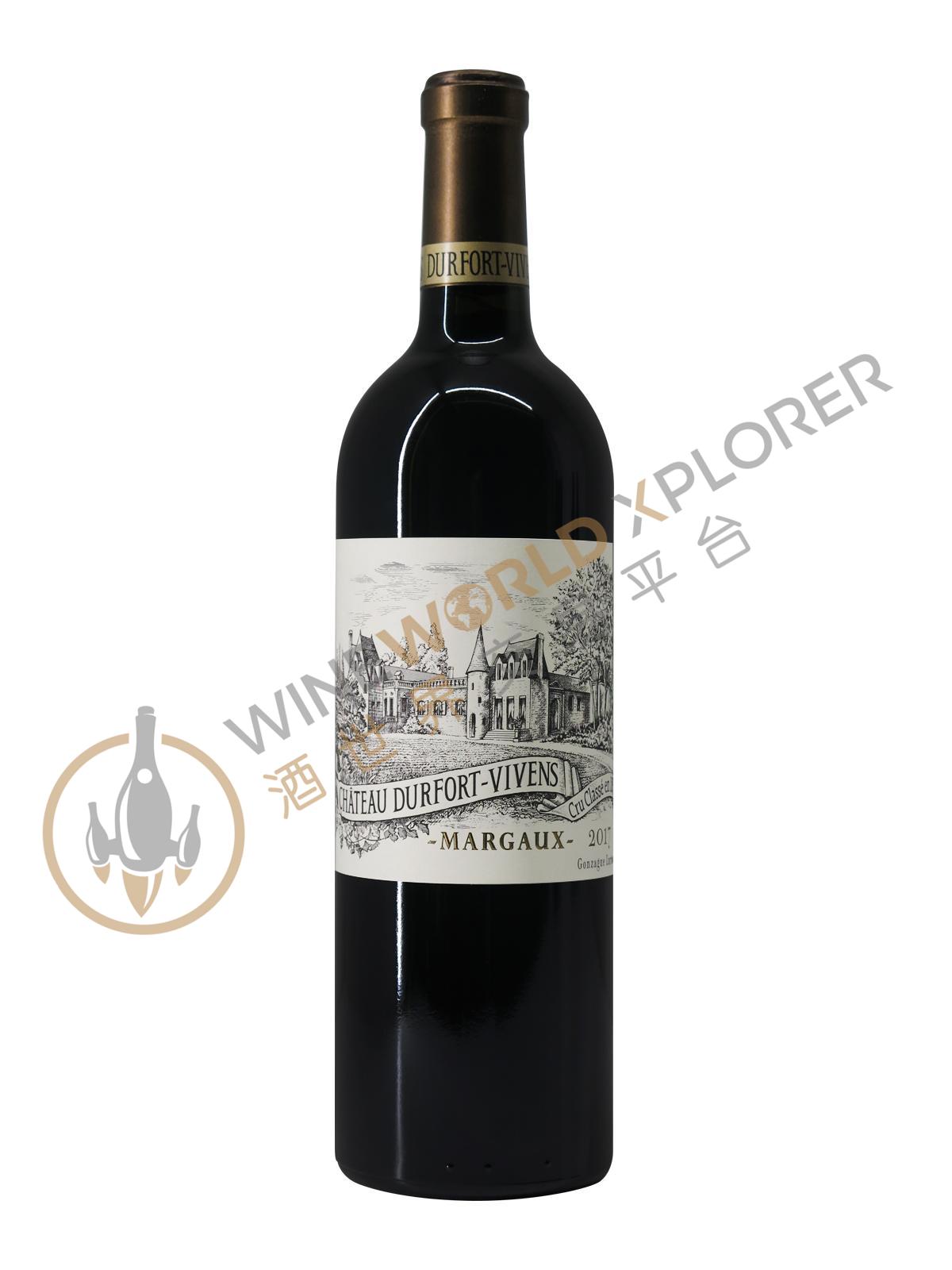
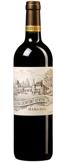
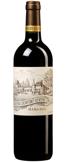
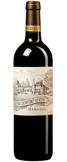
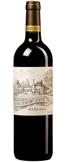
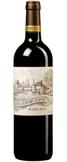
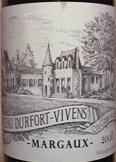
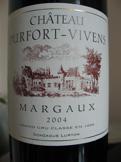
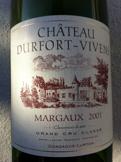
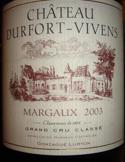
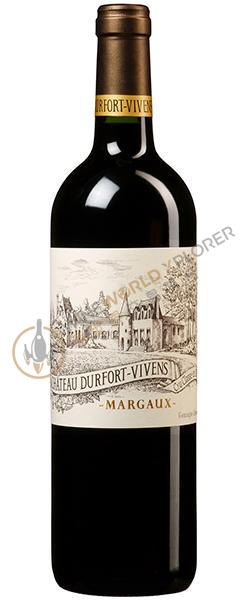
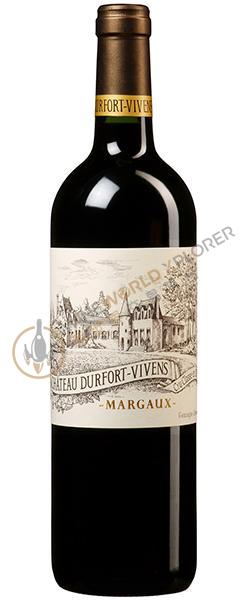
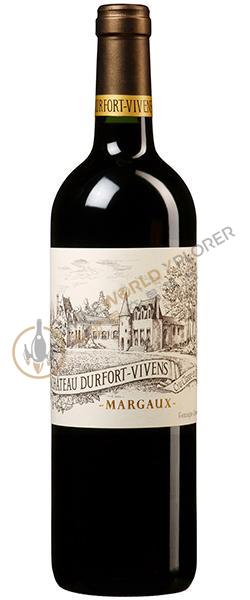
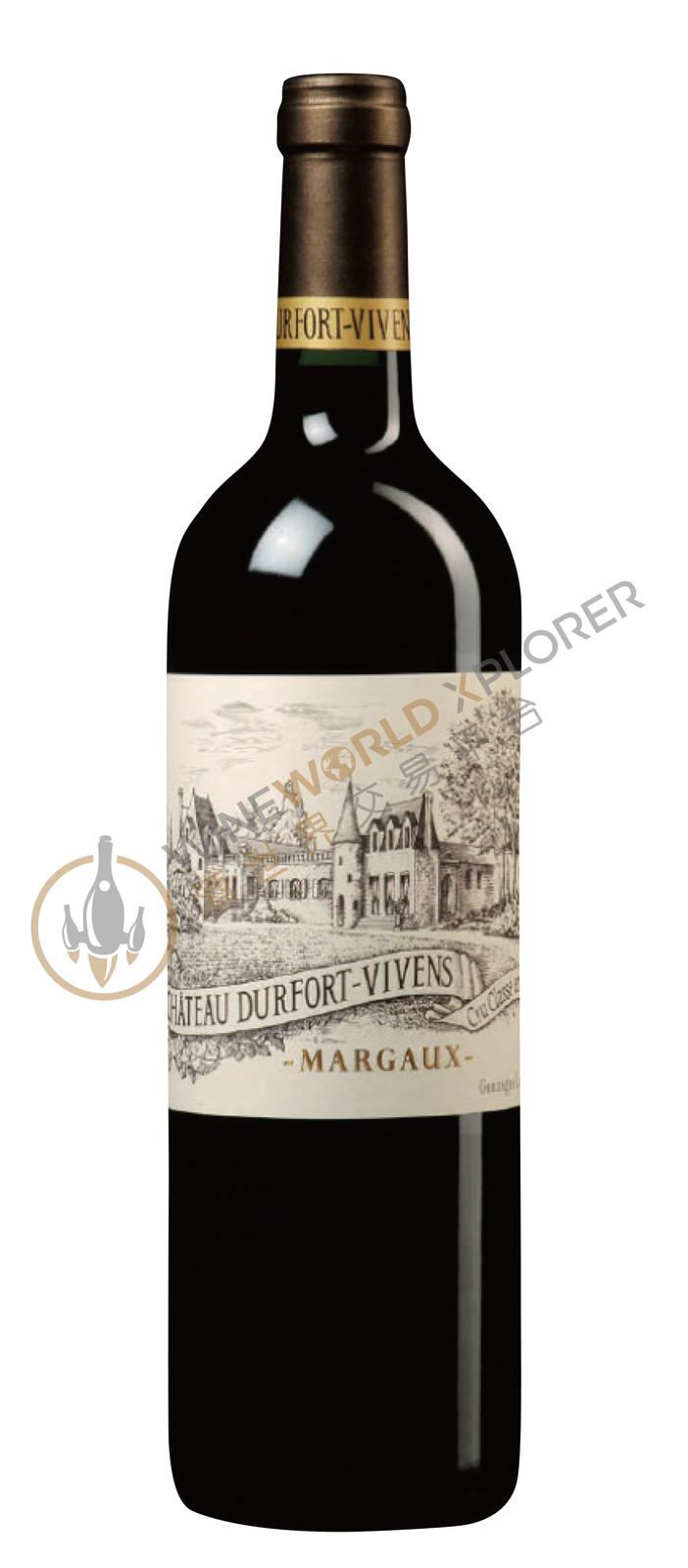
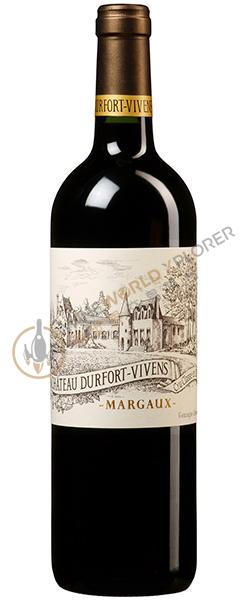
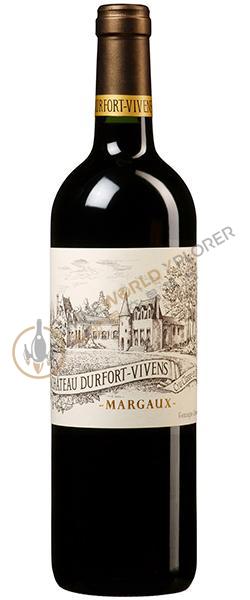
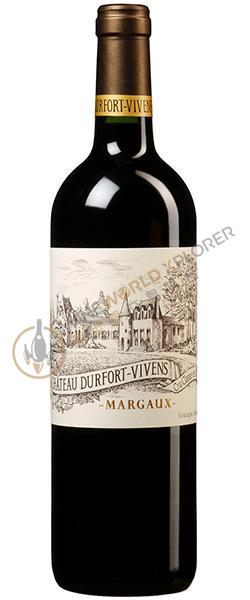
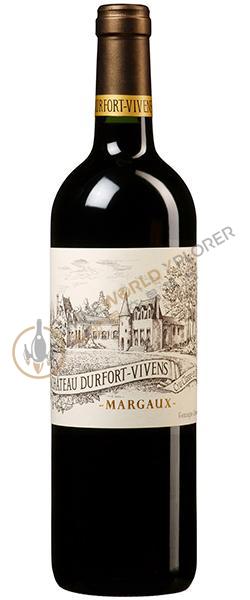
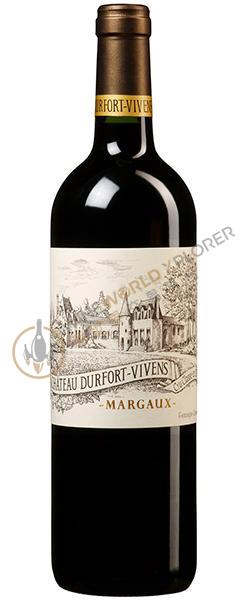
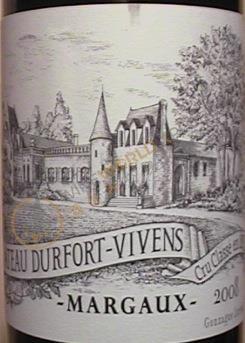
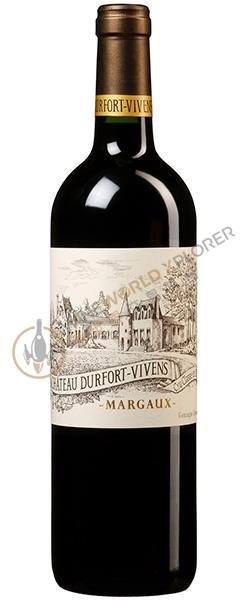
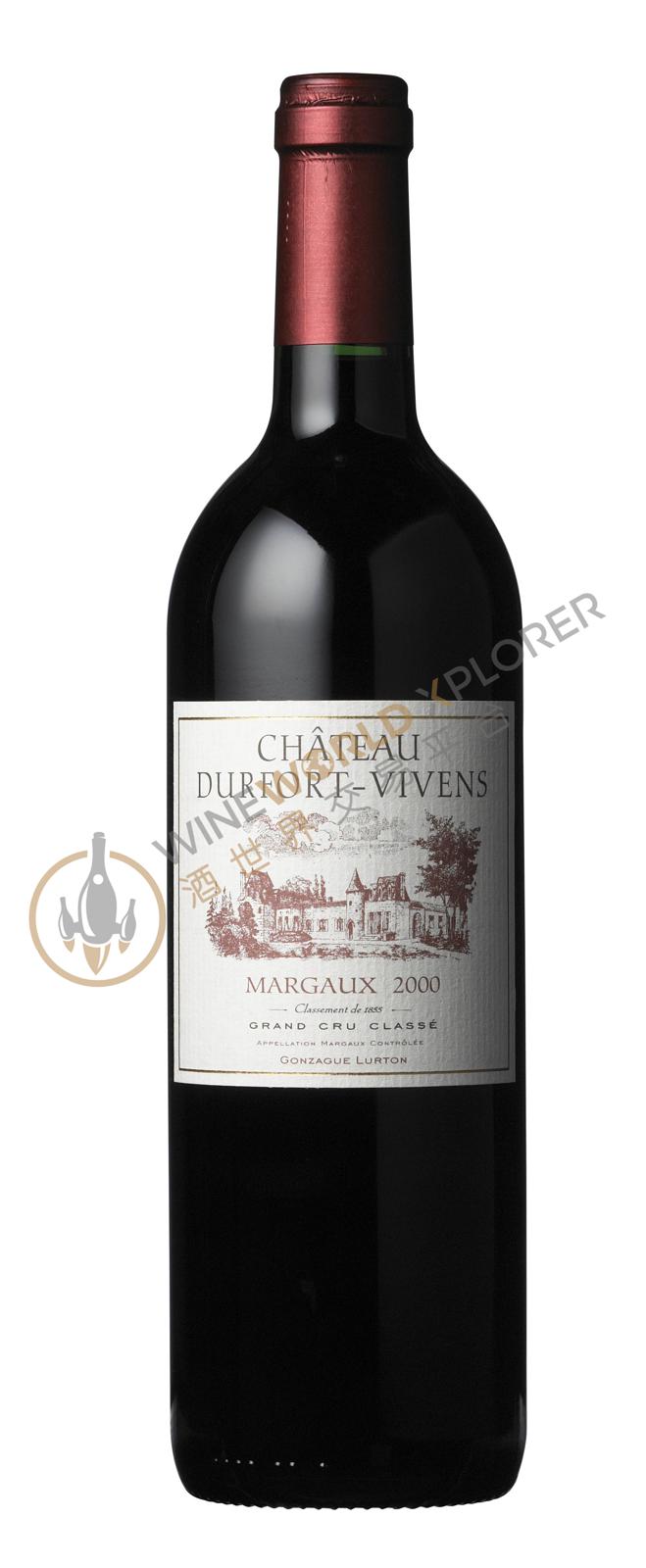
Durfort Vivens 2019
 View analysis


Description
Tasting notes

Reviewed by: William Kelley
The 2019 Dufort Vivens is a brilliant Margaux, unwinding in the glass with aromas of blackberries, licorice, sweet soil tones, spices and rose petals. Full-bodied, deep and concentrated, with a fleshy core of fruit, rich, powdery tannins and a lively spine of acidity, it concludes with a long and penetrating finish. The blend is dominated by fully 92% Cabernet Sauvignon, which lends the wine immense nobility. Anyone who isn’t aware of just how good Gonzague Lurton’s wines are these days should taste a bottle.
Reviewed by: Antonio Galloni
The 2019 Durfort-Vivens has fleshed out nicely. Silky, red/purplish fruit, blood orange and pomegranate give this plush Margaux fabulous depth. Time in the glass brings out very pretty floral accents to round things out. This classy Margaux is elegant, nuanced and polished. It's a terrific effort from Gonzague Lurton.
Reviewed by: Antonio Galloni
The 2019 Durfort-Vivens is a polished, sophisticated wine. Inky dark fruit, grilled herbs, lavender, pine and spice notes and a range of strong savory Cabernet inflections are some of the signatures. Overall, the 2019 is a wine built more on energy and persistence rather than on overt textural depth, as was the case in the 2018. Today, the 2019 feels a bit light. It will be interesting to see if it fills out more during élevage. The 2019 was fermented in a combination of vat and amphora and is aging 2/3rds in new oak and 1/3rd in amphora.
Reviewed by: Antonio Galloni
The 2019 Durfort-Vivens is a polished, sophisticated wine. The 2019 was fermented in a combination of vat and amphora. Today, the wine feels a bit light. It will be interesting to see if it fills out a bit more during élevage. The 2019 is among 2/3ds in new oak and 1/3rd in terracotta. Inky dark fruit, grilled herbs, lavender, pine, spice notes and a range of string Cabernet inflections are some of the signatures. The 2019 is a wine built more on energy and persistence than on overt textural depth, as was the case in the 2018.
Reviewed by: Neal Martin
The 2019 Durfort-Vivens was matured two-thirds in new oak barrels and one-third in amphorae. The plush nose of blueberry and violet scents is very Margaux in style, though much tighter than I was anticipating. The poised palate is medium-bodied with supple tannins, and quite delineated toward the the finish, which shows more mineralité than previous vintages and impressive linearity. Excellent.
About the Producer
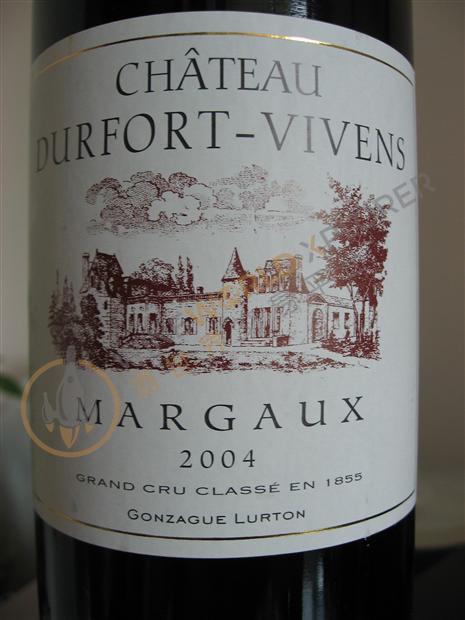
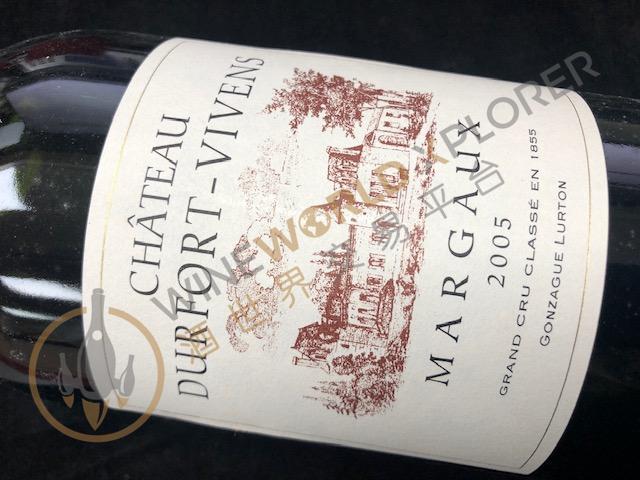
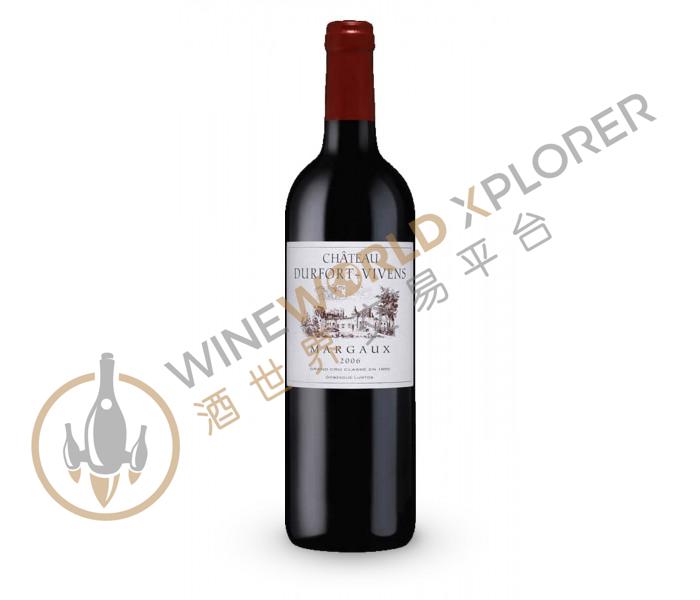
Chateau Durfort-Vivens, located in the Margaux appellation of Bordeaux, France, is a Second Growth in the 1855 Classification. It is now owned by the Lurton family, which also owns a number of other Bordeaux estates, including Chateau Brane-Cantenac and Chateau Climens, a Premier Cru in Sauternes. Originally founded by the Durfort de Duras family in the 14th century, Château Duhall was placed at the top of Château Lafite-Rothschild's wine classification list in 1787 when Thomas Jefferson, the American ambassador to France, encountered the wines of Château Duhall on his visit to Bordeaux and was so captivated by them that he placed Château Duhall at the top of his wine classification list. (In 1824, Viscount Robert Labat de Vivens inherited the estate. In 1855, Château Duhall was named a second growth. In 1937, Château Dujo was acquired by Château Margaux because of the quality and recognition of its wines. In 1961, Lucien Lurton became the sole owner of Château Dujo and passed it on to his son, Gonzague Lurton, in 1972, who resigned from the bank in 1992 to take up the position of manager. He built a new cellar and installed a number of temperature-controlled barrels and concrete fermenters. In 2009, Château Dujo began experimenting with biodynamic farming, which was fully transformed in 2013. In 2016, Château Dujo became the first Grand Cru in the Margaux region to receive this certification. The vineyards of Château Dujo are located in the hills and cover 65 hectares, 55 of which are planted with 70% Cabernet Sauvignon, 24% Merlot and 6% Cabernet Franc at a density of 6,600-7,000 vines per hectare, with newer vines planted at a higher density of 8,300 vines per hectare. The new vines are planted at a higher density of 8,300 vines per hectare. The soil is composed mainly of deep gravels formed in the Quaternary period, which are poor and have excellent drainage properties, allowing the vines to take root deeply and producing fruit with intense and concentrated flavor. The vineyard enjoys a mild and smooth climate influenced by the Atlantic Ocean, the Gironde River and the forest vegetation. The vineyards are managed with respect for the terroir and the natural environment, and the winery is constantly searching for more appropriate planting and management methods. The micro-ecological balance of the soil is maintained through tilling and the use of organic fertilizers to allow the vines to reach their full potential. The grapes are harvested by hand after ripening, sifted, destemmed and broken, and then fermented in wooden vats and concrete tanks. In order to fully interpret the terroir, the winery vinifies the fruit from different plots individually. After fermentation, the wine is transferred to French oak barrels for maturation. The ageing period for the main label wines is around 18 months, with the percentage of new barrels generally ranging between 45% and 60%, while the secondary label wines are generally matured for 12 months, with the percentage of new barrels usually 20%.
1970(1)1978(2)1988(1)1990(2)1994(1)1995(4)1996(3)1998(8)1999(2)2000(5)2002(1)2004(1)2005(2)2009(9)2010(3)2014(2)2015(1)2016(7)2017(2)2018(1)
Package Size
1 x 3L