Wine Advisor



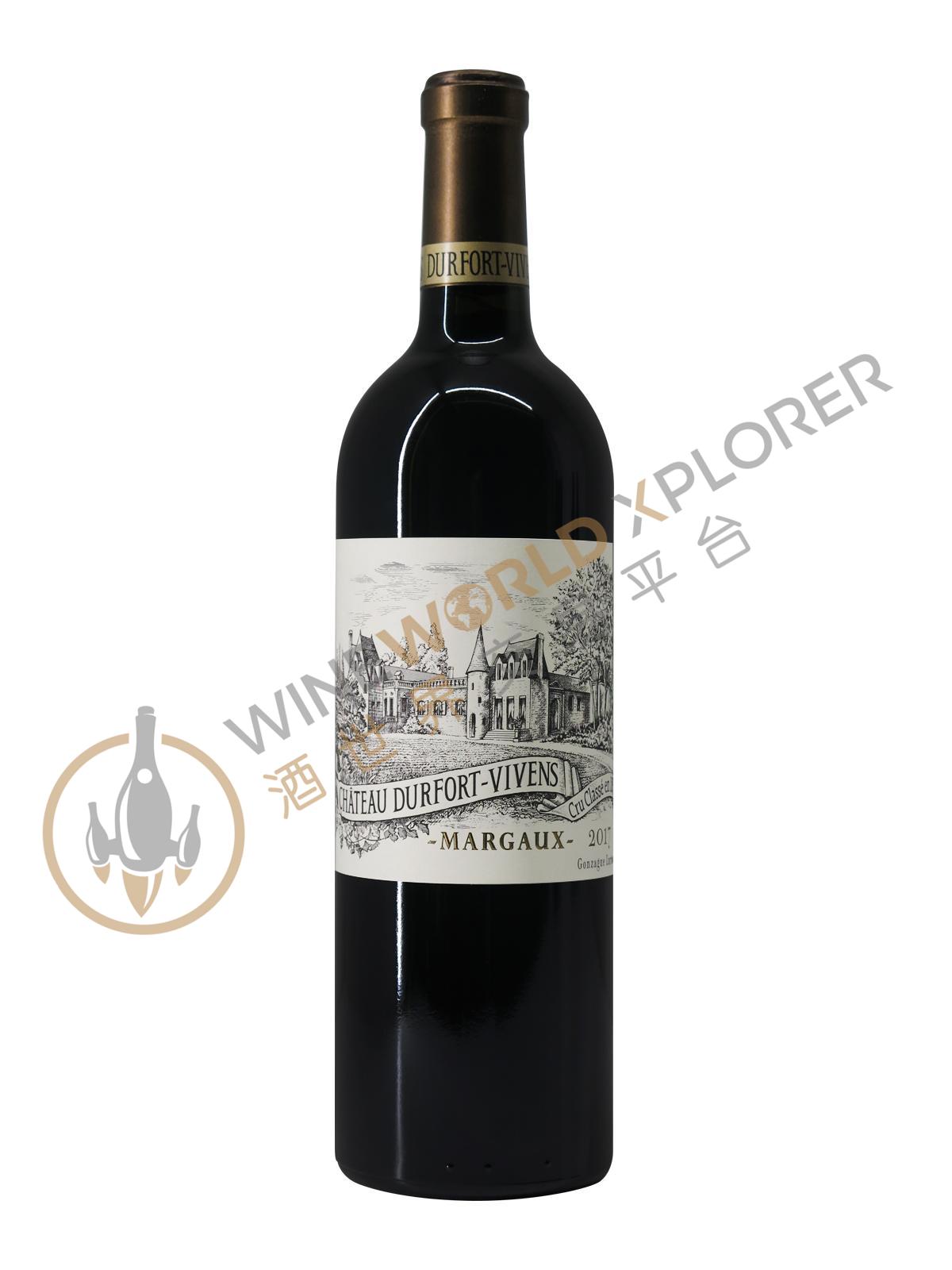
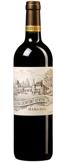
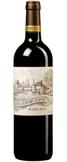
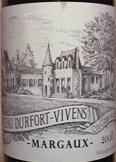
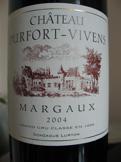
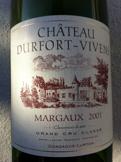
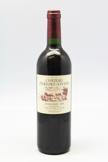
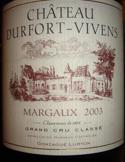
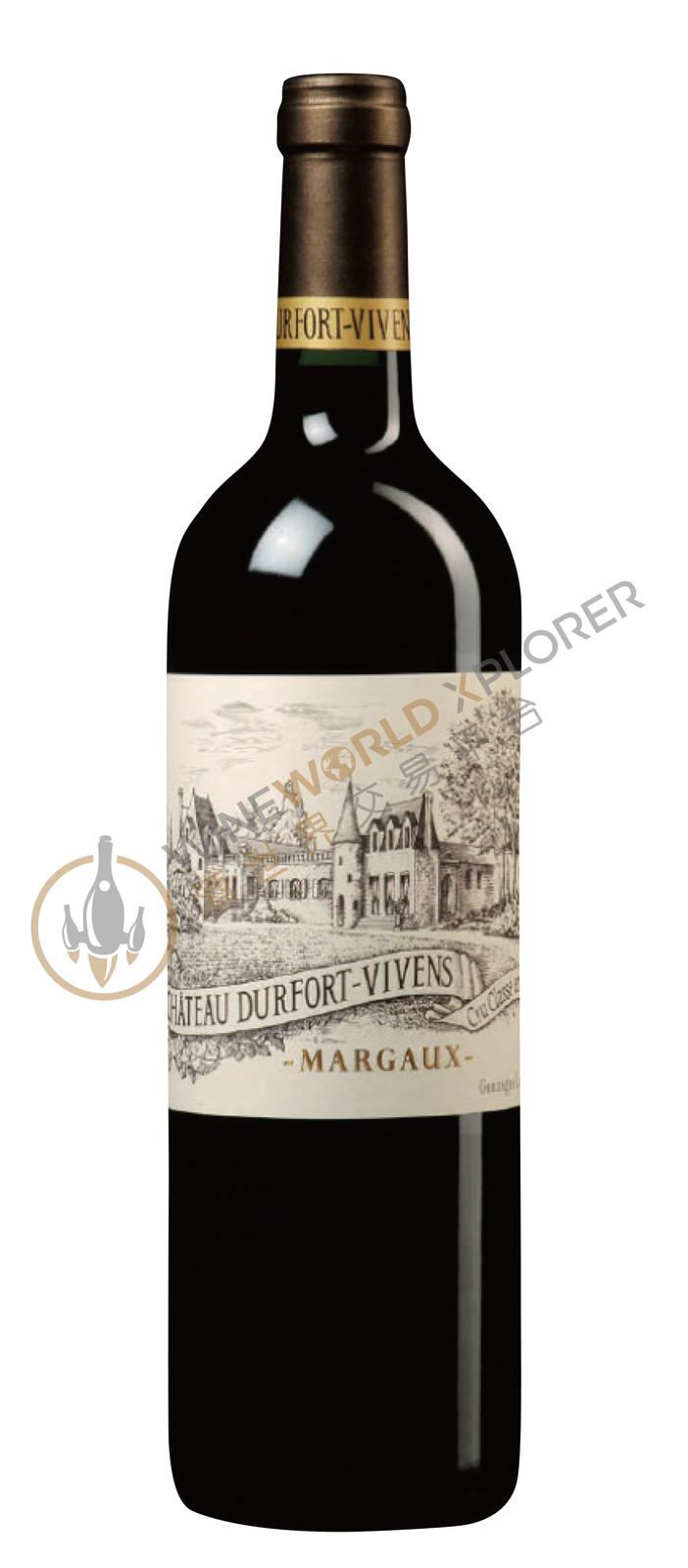
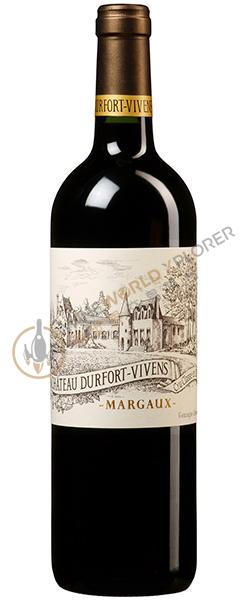
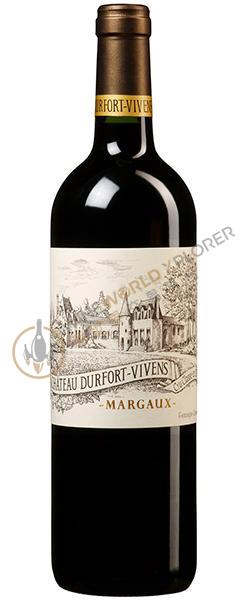
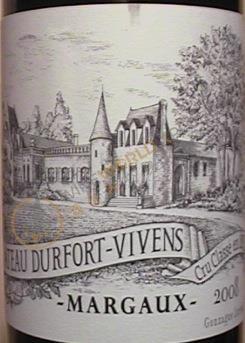
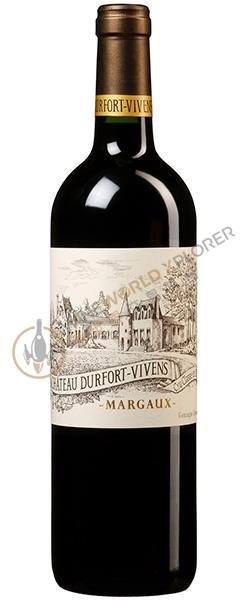
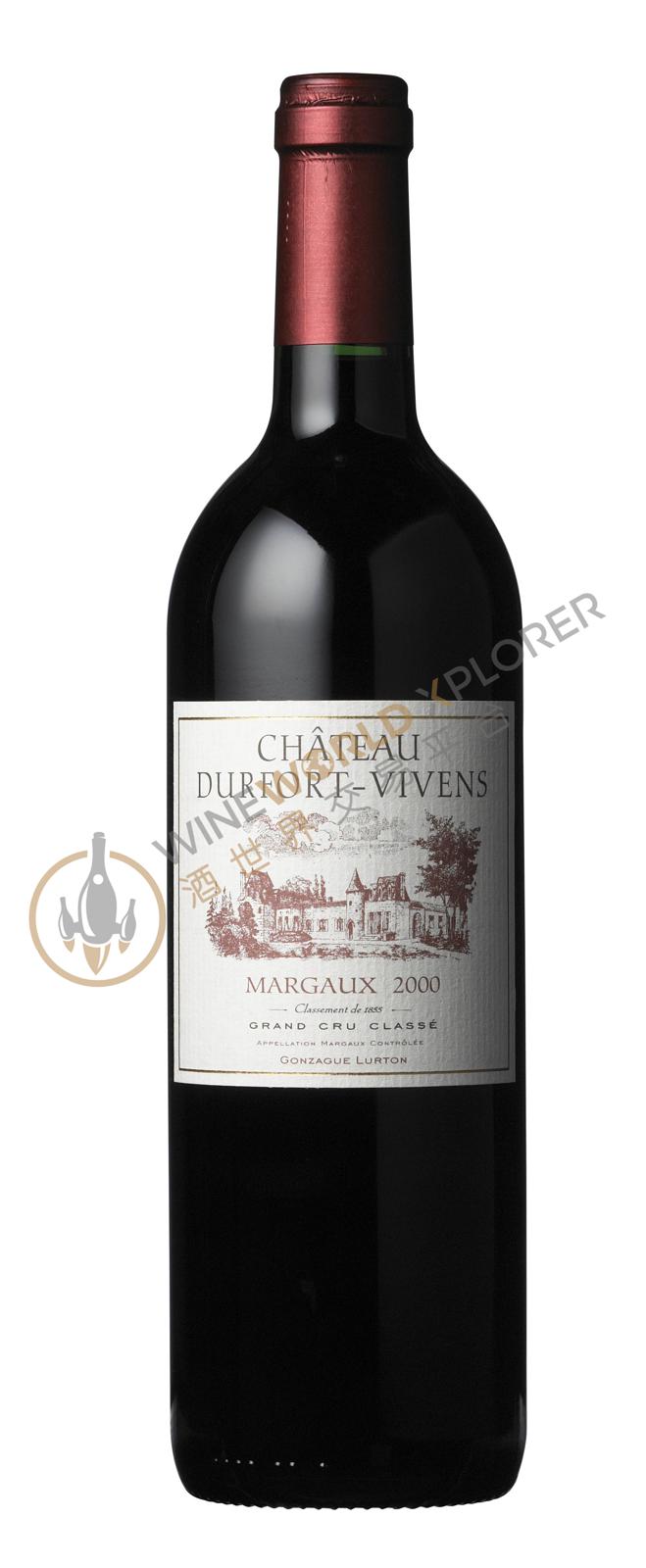
Durfort Vivens 2010
 View analysis


Description
Tasting notes

Reviewed by: Neal Martin
Tasted blind at the Southwold Bordeaux 2010 tasting. The Durfort-Vivens begins in promising fashion, demonstrating pleasing fruite on the nose, with mulberry, dark plum and a touch of cedar. The palate is medium-bodied with a sour entry, fine tannins and a light fleshy finish with hints of liquorice and truffle. The problem is a nagging green note towards the tapered finish, taking the gloss off of what could have been a decent wine. Tasted January 2014.
Reviewed by: Robert M. Parker, Jr.
Following decades of mediocrity, this property has finally produced a wine worthy of reviewing. A blend of 72% Cabernet Sauvignon, 22% Merlot and the rest Cabernet Franc, the 2010 (13.9% alcohol) possesses a dark purple color as well as a sweet bouquet of spring flowers, black currants, blueberries and damp earth. Medium-bodied, elegant and concentrated with more depth, richness and texture than other recent vintages, it will benefit from 6-8 years of cellaring and should drink well over the following two decades.
Reviewed by: Neal Martin
Tasted at Haut-Bages Liberal and twice at the UGC, this has a blend of 70% Cabernet Sauvignon, 4% Cabernet Franc and 26% Merlot, the Durfort-Vivens displays fine purity on the nose with noticeable glycerine. The palate is medium-bodied with a relatively soft entry, well-integrated oak, dark berried fruit, a touch of tar, some tobacco/espresso developing with aeration. It is quite fleshy towards the finish...a very fine effort. Tasted April 2011.
Reviewed by: Neal Martin
Tasted at the UGC tasting in London. I was really hoping for a great Durfort-Vivens 2010 after a more impressive showing out of barrel compared to recent years. It has plenty of ripe red fruit on the nose, exhibiting none of the herbaceous qualities that other vintages have shown. So far, so good. However, just when my hopes were up, the palate shows a touch of greenness on the entry that jars with the sweet ripe black fruits and it leads to a slightly astringent finish. Tasted November 2012.
Reviewed by: Robert M. Parker, Jr.
A perplexing estate, there has been some back-pedaling in quality, given the very cedary, herbaceous nose, including some notes of leafy vegetables. The wine is a medium-bodied blend of 74% Cabernet Sauvignon, 22% Merlot and the rest Cabernet Franc. The alcohol level is 13.9%, slightly lower than many of the better wines in this vintage, given the ripeness and high alcohols 2010 produced. A rather safely made, correct, but uninspiring effort, this medium-bodied Margaux should drink nicely for 10-15+ years.
About the Producer
Chateau Durfort-Vivens, located in the Margaux appellation of Bordeaux, France, is a Second Growth in the 1855 Classification. It is now owned by the Lurton family, which also owns a number of other Bordeaux estates, including Chateau Brane-Cantenac and Chateau Climens, a Premier Cru in Sauternes. Originally founded by the Durfort de Duras family in the 14th century, Château Duhall was placed at the top of Château Lafite-Rothschild's wine classification list in 1787 when Thomas Jefferson, the American ambassador to France, encountered the wines of Château Duhall on his visit to Bordeaux and was so captivated by them that he placed Château Duhall at the top of his wine classification list. (In 1824, Viscount Robert Labat de Vivens inherited the estate. In 1855, Château Duhall was named a second growth. In 1937, Château Dujo was acquired by Château Margaux because of the quality and recognition of its wines. In 1961, Lucien Lurton became the sole owner of Château Dujo and passed it on to his son, Gonzague Lurton, in 1972, who resigned from the bank in 1992 to take up the position of manager. He built a new cellar and installed a number of temperature-controlled barrels and concrete fermenters. In 2009, Château Dujo began experimenting with biodynamic farming, which was fully transformed in 2013. In 2016, Château Dujo became the first Grand Cru in the Margaux region to receive this certification. The vineyards of Château Dujo are located in the hills and cover 65 hectares, 55 of which are planted with 70% Cabernet Sauvignon, 24% Merlot and 6% Cabernet Franc at a density of 6,600-7,000 vines per hectare, with newer vines planted at a higher density of 8,300 vines per hectare. The new vines are planted at a higher density of 8,300 vines per hectare. The soil is composed mainly of deep gravels formed in the Quaternary period, which are poor and have excellent drainage properties, allowing the vines to take root deeply and producing fruit with intense and concentrated flavor. The vineyard enjoys a mild and smooth climate influenced by the Atlantic Ocean, the Gironde River and the forest vegetation. The vineyards are managed with respect for the terroir and the natural environment, and the winery is constantly searching for more appropriate planting and management methods. The micro-ecological balance of the soil is maintained through tilling and the use of organic fertilizers to allow the vines to reach their full potential. The grapes are harvested by hand after ripening, sifted, destemmed and broken, and then fermented in wooden vats and concrete tanks. In order to fully interpret the terroir, the winery vinifies the fruit from different plots individually. After fermentation, the wine is transferred to French oak barrels for maturation. The ageing period for the main label wines is around 18 months, with the percentage of new barrels generally ranging between 45% and 60%, while the secondary label wines are generally matured for 12 months, with the percentage of new barrels usually 20%.
1970(1)1978(2)1988(1)1990(2)1994(1)1995(4)1996(3)1998(8)1999(2)2000(5)2002(1)2004(1)2005(2)2009(9)
Package Size