
 Wine Advisor



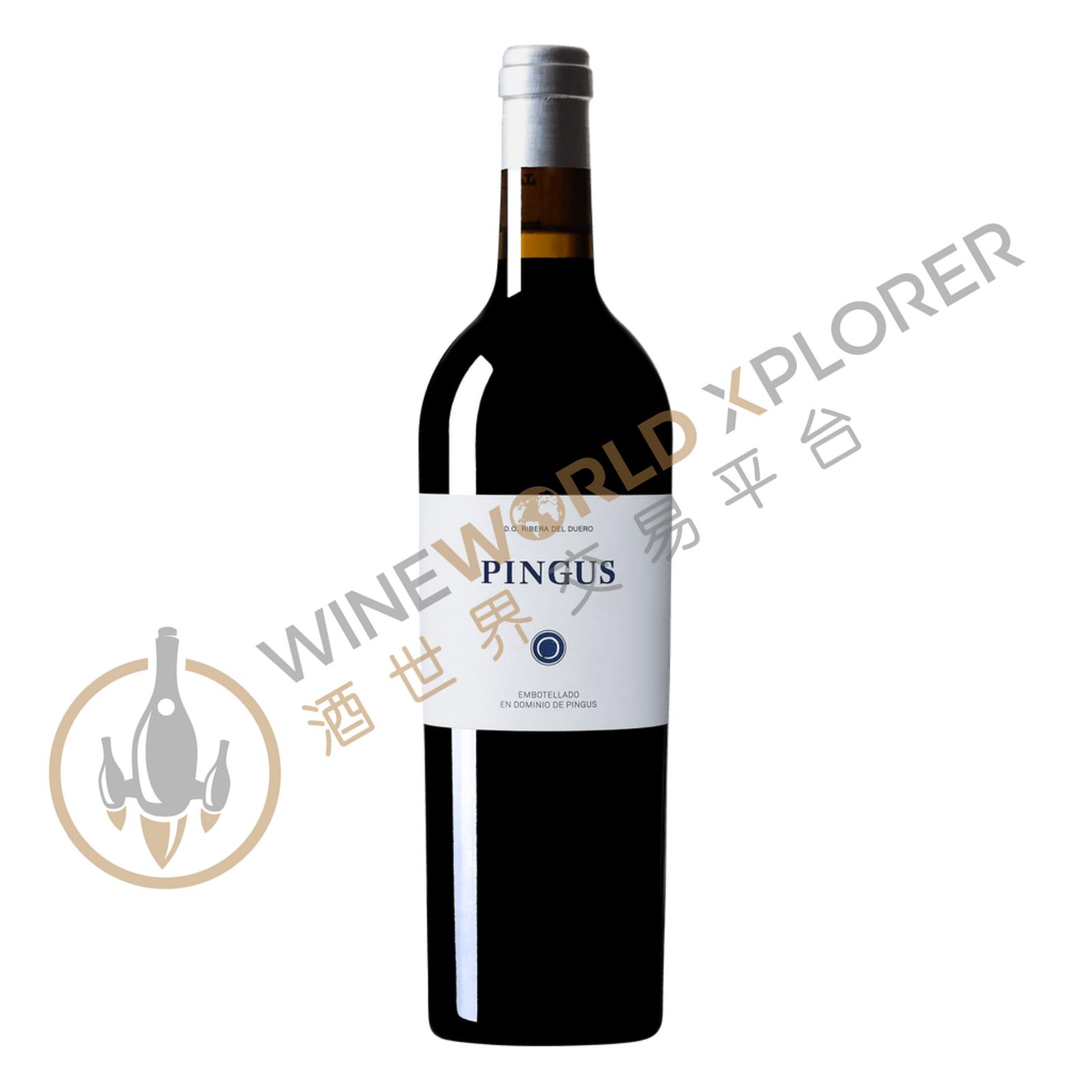
Dominio de Pingus, Pingus Ribera del Duero 2023
 View analysis


Description
Tasting notes

Reviewed by: Luis Gutiérrez
I missed the bottled 2023 Pingus by a matter of days last year, but the final blend I tasted then is what I also found in bottle now. After a shorter élevage in a year of accumulated drought and heat, the wine has finesse and elegance, perhaps a little less concentrated, and it's textured and super long, with very fine tannins that give it a chalky texture. It has contained ripeness, with around 14% alcohol. The quality of the tannins is amazing—they are super elegant. It does not have the power of the 2022, but it has the finesse. It's still young, but in the long run, the wine should develop very nicely in bottle. This could be like the 1996 and the 2024, more in the style of more powerful years like 1995, 2004 and 2015. It's not quite as fresh as the more Atlantic years, but the place has a stronger voice than the vintage; it's very long and complete. Like other 2023s, the challenge was to avoid the excess power. It's round and seems to be settled and doesn't show heat at all or over-ripeness. Only a handful of vineyards are able to do this in a year like 2023. It's pretty much about texture. The tannins are going to require some patience. 7,200 bottles produced. It was bottled in May 2025.
About the Producer
Dominio de Pingus is a prestigious winery located in Quintanilla de Onésimo, within the Ribera del Duero region of Spain. Founded in 1995 by Danish oenologist Peter Sisseck, the winery is renowned for its limited production of high-quality wines, particularly its flagship wine, Pingus, which is considered a "cult wine" and commands high prices. The estate focuses on old-vine Tempranillo, with vineyards that have never been treated with pesticides or fertilizers. Dominio de Pingus also produces a second wine, Flor de Pingus, and a special cuvée called Ribera del Duero "Amelia." The winery emphasizes biodynamic practices and minimal intervention in winemaking, resulting in wines that showcase the unique terroir of the region.
1996(1)2001(3)2003(2)2004(1)2005(1)2006(2)2007(3)2008(4)2009(3)2010(3)2011(7)2012(1)2013(3)2014(8)2015(7)2016(3)2017(5)2018(11)2019(11)2020(4)2021(4)2022(6)
Package Size
