
 Wine Advisor



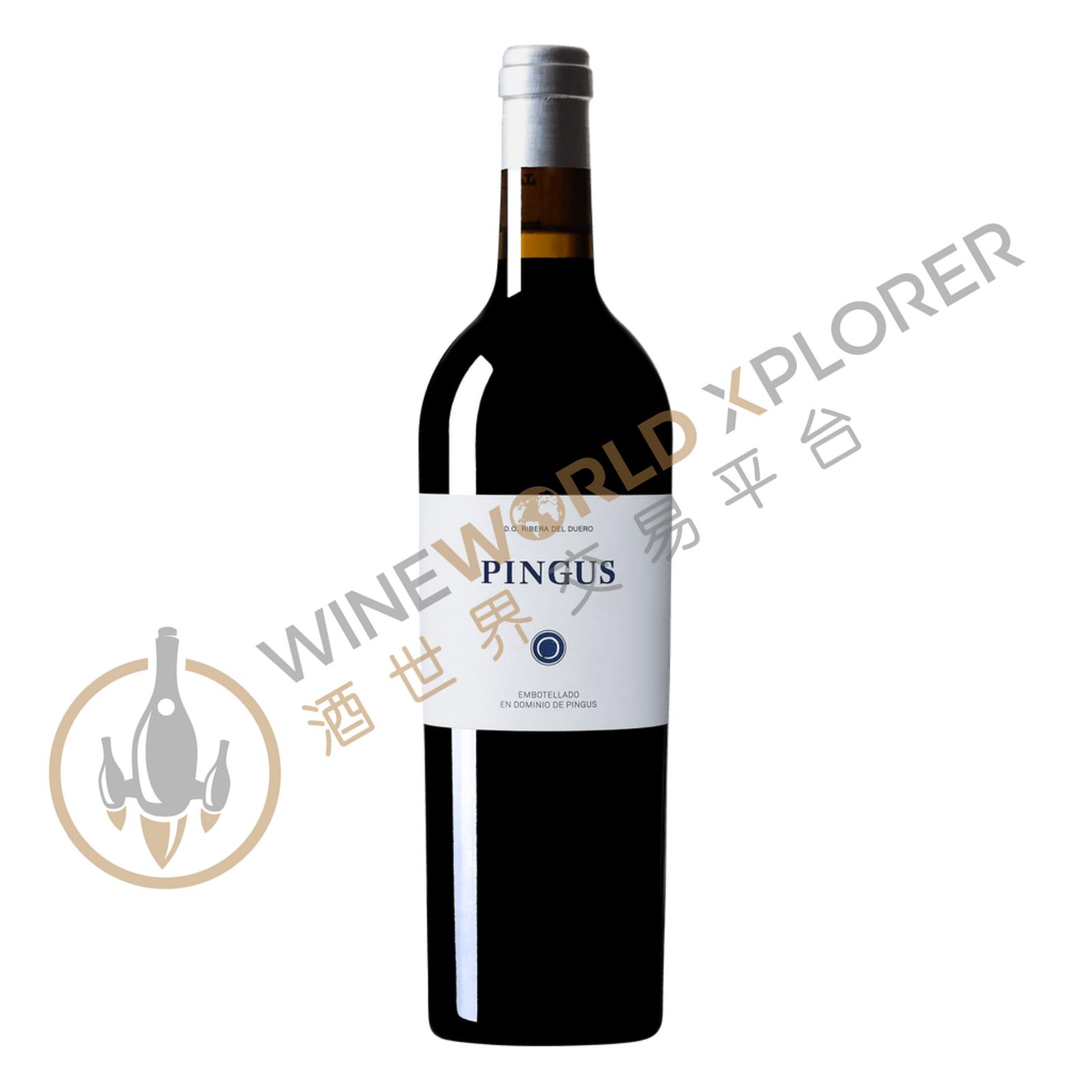
Dominio de Pingus, Pingus Ribera del Duero 2018
 View analysis


Description
Tasting notes

Reviewed by: Luis Gutiérrez
I was really looking forward to the bottled version of the 2018 Pingus after a great showing of the cask sample last year. Part of the wine matured in 20,000-liter oak casks, so it's not all barrique. This is the first time they used the vats, and based on the results, Sisseck thinks in the future Pingus will be around 50% in oak vats. The Pingus vines were planted in 1929 in two different sectors of the village of La Horra, Barroso and San Cristobal and contain some 2% other varieties. The vineyards are certified organic and biodynamic and are manicured like few vineyards in Spain. The wine is subtle and harmonious, elegant and insinuating, with all the components in very good balance. This is precise and pure; Sisseck is thorough and meticulous, and the wine shows that precision. This follows the line of the 2016, showing very well even if it was bottled only one month before I tasted it. 9,300 bottles were filled in August 2020.
Reviewed by: Luis Gutiérrez
I was really looking forward to the bottled version of the 2018 Pingus after a great showing of the cask sample last year. Part of the wine matured in 20,000-liter oak casks, so it's not all barrique. This is the first time they used the vats, and based on the results, Sisseck thinks in the future Pingus will be around 50% in oak vats. The Pingus vines were planted in 1929 in two different sectors of the village of La Horra, Barroso and San Cristobal and contain some 2% other varieties. The vineyards are certified organic and biodynamic and are manicured like few vineyards in Spain. The wine is subtle and harmonious, elegant and insinuating, with all the components in very good balance. This is precise and pure; Sisseck is thorough and meticulous, and the wine shows that precision. This follows the line of the 2016, showing very well even if it was bottled only one month before I tasted it. 9,300 bottles were filled in August 2020.
Reviewed by: Luis Gutiérrez
The good news after a short and challenging 2017 in Ribera del Duero is that the barrel sample of the 2018 Pingus I tasted promises to come back strong. The sample blend of Pingus I tasted was very harmonious, the result of a change in the élevage. Part of the wine, some 10% of the final blend, matured in 2,000-liter oak vats, and that change seems to have added texture to it; the tannins feel rounder than ever, more elegant, and the wine has kept incredible freshness. This is a slightly different style of Pingus, and Peter Sisseck is not sure if it's going to continue in other vintages or not. We'll have to see how the wine gets to bottle in the summer of 2020, because the idea is to complete the élevage in used barriques. That's if Sisseck doesn't change his mind, of course! The tannins are extremely elegant, abundant but not noticeable. This could be another twist in Pingus. Stay tuned for more news... 2018 delivered a large crop, and there will be some 9,000 bottles of this.
About the Producer
Dominio de Pingus is a prestigious winery located in Quintanilla de Onésimo, within the Ribera del Duero region of Spain. Founded in 1995 by Danish oenologist Peter Sisseck, the winery is renowned for its limited production of high-quality wines, particularly its flagship wine, Pingus, which is considered a "cult wine" and commands high prices. The estate focuses on old-vine Tempranillo, with vineyards that have never been treated with pesticides or fertilizers. Dominio de Pingus also produces a second wine, Flor de Pingus, and a special cuvée called Ribera del Duero "Amelia." The winery emphasizes biodynamic practices and minimal intervention in winemaking, resulting in wines that showcase the unique terroir of the region.
1996(1)2001(3)2003(2)2004(1)2005(1)2006(2)2007(3)2008(4)2009(3)2010(3)2011(7)2012(1)2013(3)2014(8)2015(7)2016(3)2017(5)
Package Size
1 x 1.5L
