
 Wine Advisor



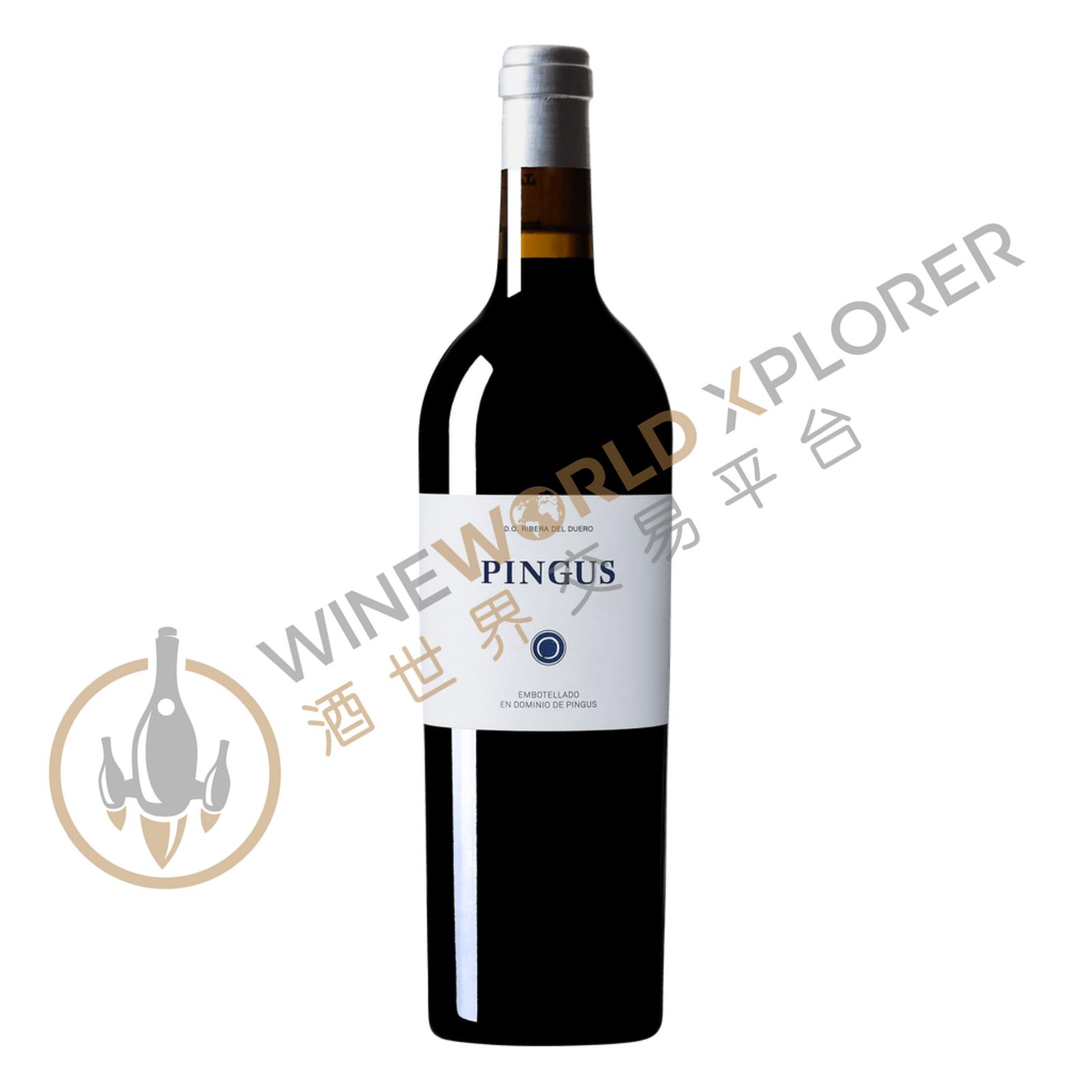
Dominio de Pingus, Pingus Ribera del Duero 2011
 View analysis


Description
Tasting notes

Reviewed by: Luis Gutiérrez
As with all the 2011s, the 2011 Pingus is riper, with never-seen-before alcohol levels (15.5%), but the wine feels extremely balanced. As usual, the highly-selected grapes were fermented in 2,000-liter oak vats with indigenous yeasts and aged for 22 months in second-and third-fill barrels. It is ripe and exuberant, with notes of violets, spices (curry!), smoky peat and umami-like meat-broth aromas. The palate is full-bodied, glyceric with sophisticated tannins, but plenty of them, so they need to calm down a little. I believe there will be a lot of people who will really love this 2011, it's showy and exuberant. 6,000 bottles produced. Drink 2016-2020. I had a relaxed and superb tasting with Peter Sisseck, where we had time to discuss the wines and Ribera del Duero in general as Sisseck is now part of the Consejo Regulador. It was also a great learning experience as he showed me some experimental wines that resulted in adjustments from the 2012 vintage onward, and a big jump in precision for the wines, with the yet unbottled 2012 Pingus verging on perfection. He explained the range of wines he produces as it follows: PSI is the regional wine, Flor de Pingus is the village, and Pingus is the Cru. PSI is the newer wine in the lineup and the one that might require more explanation. In 2007, a difficult vintage in Ribera del Duero, he lost quite a lot of grapes for Flor de Pingus because of a big hailstorm, so he had to look for grapes he could purchase. He then realized how much Ribera had grown: from 6,000 hectares in 1985 to 9,000 hectares in 1990 and more than 22,000 hectares today! There is a big surplus of grapes, so the grapes from old vineyards are not valued. He decided that he wanted to support the people who were keeping their old vineyards and not ripping them up, or going to younger vines and high yields. He purchased their grapes, paid a fair price and produced PSI with them. Besides tasting extensively and slowly, I retasted 2010 Pingus and I also had the chance to preview the 2013 Pingus (clean, pure, with great acidity, but still too young) plus some experimental cuvees, some of which might see the light in the future. They have never produced better wines at Pingus. Bravo! Importer: The Rare Wine Company, Sonoma, CA; www.rarewineco.com
Reviewed by: Neal Martin
The 2011 Pingus has a gorgeous, pure black cherry, cassis and blueberry scented bouquet interlaced by orange blossom and apricot. The oak is beautifully assimilated into the aromatic profile. The palate is full-bodied with a decadent entry. The tannins are ripe and rounded, imparting great tension and focus. There is both dimension and grace to this formidable Pingus that should blossom once it finishes its gestation. This is an outstanding Ribera del Duero wine. Drink 2020-2035+.
Reviewed by: Josh Raynolds
Inky purple. An exotic, expressive bouquet displays scents of blueberry, black cherry, violet, licorice and Asian spices, with a subtle smoky nuance in the background. Offers an array of densely packed black and blue fruit and floral flavors that are enlivened by bright minerality. Shows outstanding clarity and energy on the intense, lingering finish.
About the Producer
Dominio de Pingus is a prestigious winery located in Quintanilla de Onésimo, within the Ribera del Duero region of Spain. Founded in 1995 by Danish oenologist Peter Sisseck, the winery is renowned for its limited production of high-quality wines, particularly its flagship wine, Pingus, which is considered a "cult wine" and commands high prices. The estate focuses on old-vine Tempranillo, with vineyards that have never been treated with pesticides or fertilizers. Dominio de Pingus also produces a second wine, Flor de Pingus, and a special cuvée called Ribera del Duero "Amelia." The winery emphasizes biodynamic practices and minimal intervention in winemaking, resulting in wines that showcase the unique terroir of the region.
1996(1)2001(3)2003(2)2004(1)2005(1)2006(2)2007(3)2008(4)2009(3)2010(3)
Package Size
