
 Wine Advisor



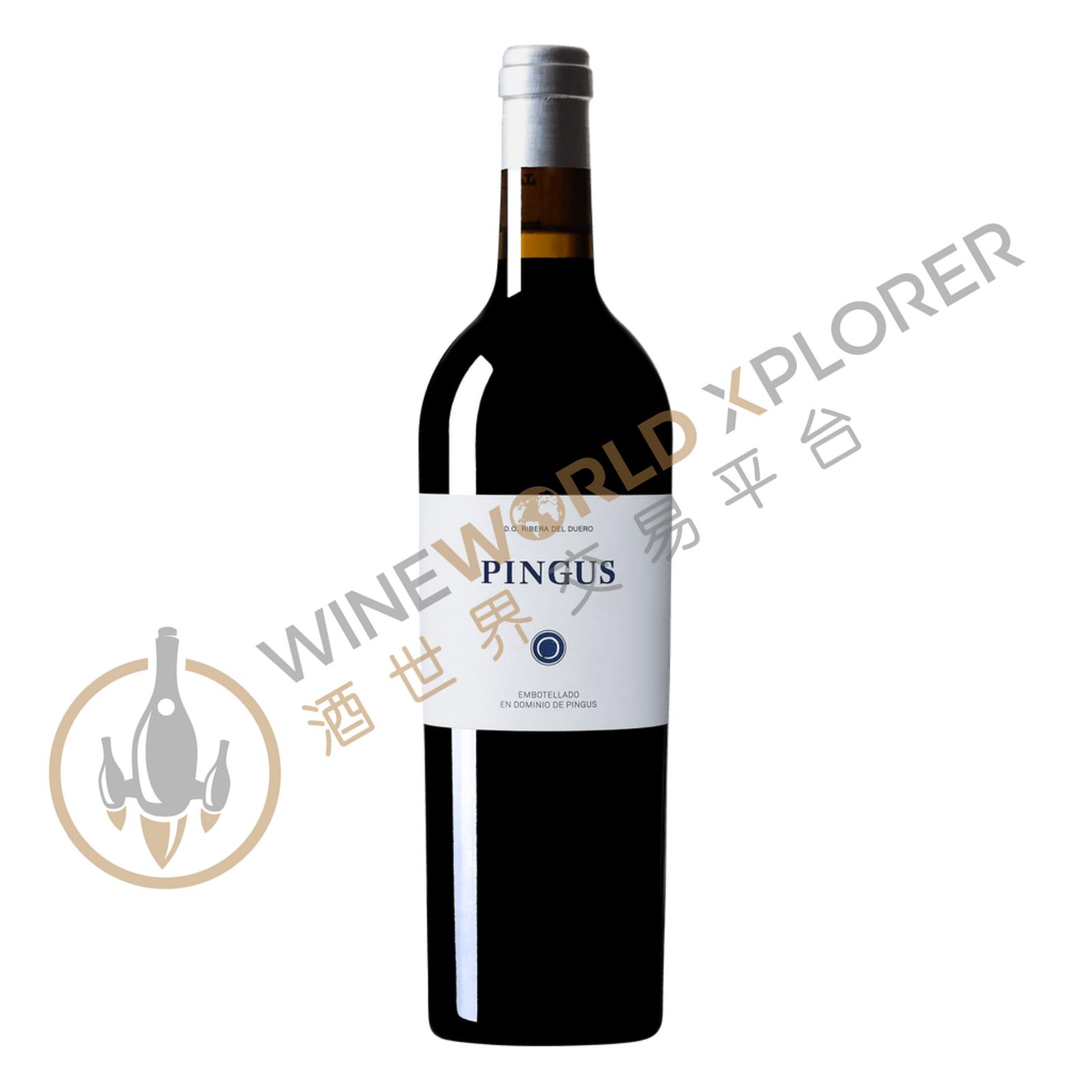
Dominio de Pingus, Pingus Ribera del Duero 2009
 View analysis


Description
Tasting notes

Reviewed by: Jay S Miller
The flagship, the 2009 Pingus (300 cases) is a monumental offering that defies description. Dense, complex, loaded, sexy, these are just some of the words that come to mind, but the only way to truly experience the 2009 Pingus will be to do whatever it takes to get a taste. It will easily last for 50 years. Dominio de Pingus is where Peter Sisseck, Danish ex-pat, works his magic. Having visited the cellars in May 2010 where I first tasted these wines and again in February 2011 with the importer, there is no doubting that these (along with the 2004s) are the greatest wines of Sisseck’s career. Pingus is pricy (but no more expensive than a Bordeaux First Growth) while Flor de Pingus (as they say in boxing) is pound for pound one of the great values in winedom. These 2009s (all 100% Tempranillo) are barrel samples but since they will go into bottle without manipulation the consumer can have complete confidence in what is being purchased. Importer: Mannie Berk, The Rare Wine Company, Sonoma, CA; Tel. (800) 999-4342; www.rarewineco.com
Reviewed by: Luis Gutiérrez
The 2009 Pingus was released last year, but it should still be pretty available. It was harvested on October 5 and 6 under perfect conditions. It is a powerful and concentrated vintage for Pingus. I’m amazed at how much the wine integrated with one extra year in the bottle – the aromas are more precise, starting to reveal the true personality of the wine. The nose is very perfumed and balsamic, with notes of violets and ripe, juicy fruit, quite high-pitched. The oak is well-integrated into the wine. The palate is very powerful, full-bodied, concentrated but balanced, and wearing its 14.5% alcohol lightly, in a very difficult combination of power and elegance, with abundant but silky tannins. Very long aftertaste. 5,600 bottles were produced. Drink: 2015-2035. I believe it’s important to guide readers to select the wines they are going to like the most, and in the case of multiple vintages of the same wine, getting the information through about the style of the year and what the differences between the wines are seems vital. Generally speaking, both 2009 and 2010 were very good vintages for Ribera del Duero, but they are stylistically different. Sisseck makes the comparison between 2009-2010 and 1995-1996, with 2009 and 1995 producing powerful wines, and 2010 and 1996 a little colder, giving wines with more acidity and finesse. It will be fascinating to follow the evolution of the two vintages. The yields are very low in both years, around 11 hectolitres/hectare, and the vinification and upbringing of the wine pretty similar: the whole grapes are fermented in 2,000 litre oak foudres, malolactic was carried out in French oak barriques where the wine was aged for 22 months. Importer: The Rare Wine Company, Sonoma, CA; www.rarewineco.com
Reviewed by: Josh Raynolds
Dark purple. Drop-dead gorgeous aromas of spicy dark berries complicated by vanilla, mocha, espresso, iron, licorice and sexy oak spices. Sweet and expansive, showing great depth to its ripe blackberry and boysenberry flavors. Notes of candied flowers, cola and mocha gain strength with air and carry through an extremely long, sweet finish. There's plenty of structure here but it's hidden under all the dense fruit right now. That price is correct, sadly.
About the Producer
Dominio de Pingus is a prestigious winery located in Quintanilla de Onésimo, within the Ribera del Duero region of Spain. Founded in 1995 by Danish oenologist Peter Sisseck, the winery is renowned for its limited production of high-quality wines, particularly its flagship wine, Pingus, which is considered a "cult wine" and commands high prices. The estate focuses on old-vine Tempranillo, with vineyards that have never been treated with pesticides or fertilizers. Dominio de Pingus also produces a second wine, Flor de Pingus, and a special cuvée called Ribera del Duero "Amelia." The winery emphasizes biodynamic practices and minimal intervention in winemaking, resulting in wines that showcase the unique terroir of the region.
1996(1)2001(3)2003(2)2004(1)2005(1)2006(2)2007(3)2008(4)
Package Size
1 x 1.5L
