
 Wine Advisor



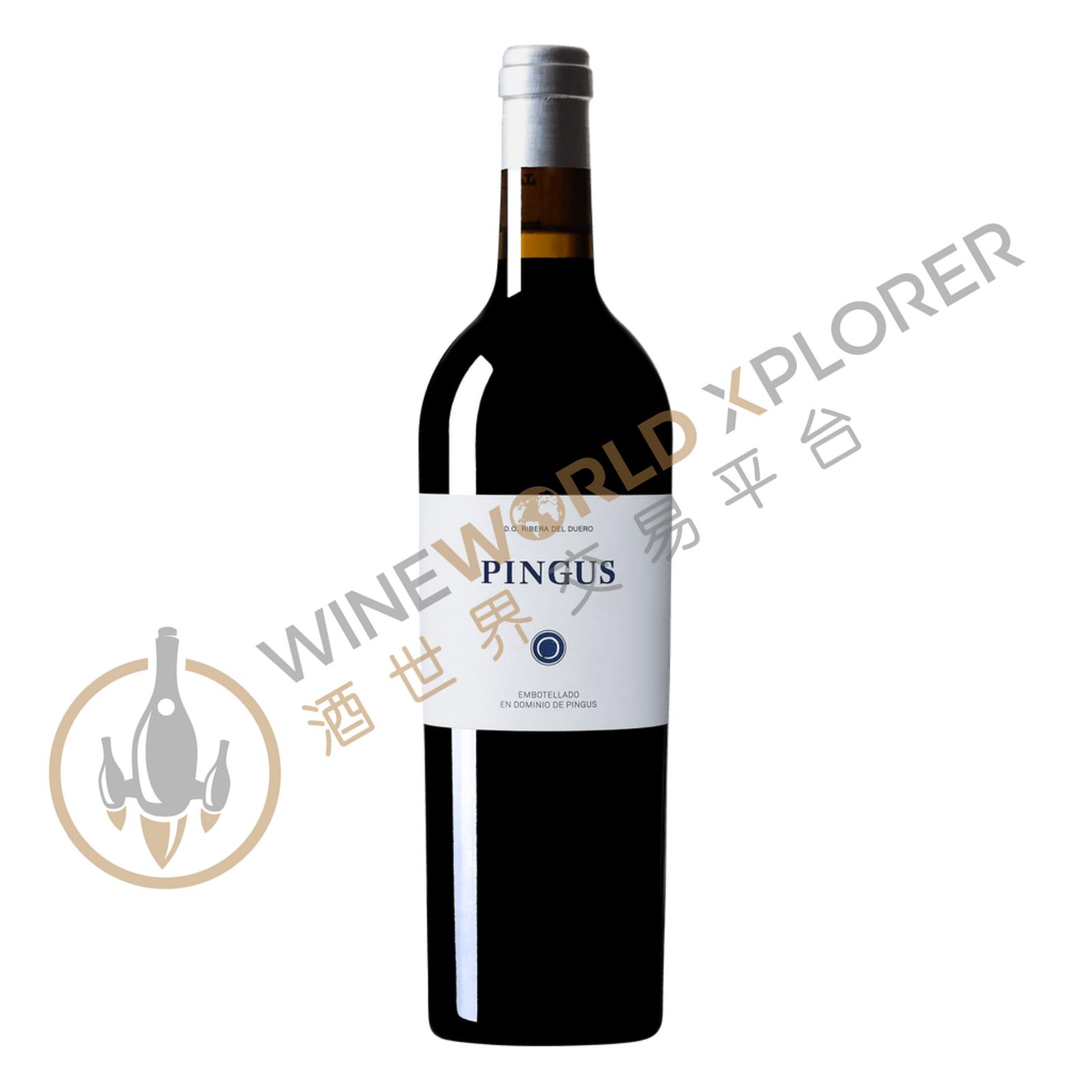
Dominio de Pingus, Pingus Ribera del Duero 2007
 View analysis


Description
Tasting notes

Reviewed by: Jay S Miller
Vintage conditions required a stricter selection for the flagship 2007 Pingus. The aromatics are more brooding but seriously multifaceted. Smoke, pencil lead, truffle, Asian spices, blackberry, and licorice notes are followed by a chewy, dense, rich, powerful wine with fully integrated oak, savory black fruits, ripe tannins, and a decade of aging potential. Drink it from 2020 to 2047, if not longer. The first vintage of Dominio de Pingus, owned and produced by Peter Sisseck, was in 1995. The estate has been biodynamically farmed since 2000 and the wines are bottled without fining or filtration. Importer: Manny Berk, The Rare Wine Co., Sonoma, CA; tel. (707) 996-4484
Reviewed by: Jay S Miller
Vintage conditions required a stricter selection for the 2007 Pingus. The aromatics are more brooding but seriously multifaceted. Smoke, pencil lead, truffle, Asian spices, blackberry, and licorice notes are followed by a chewy, dense, rich, powerful wine with fully integrated oak, savory black fruits, ripe tannins, and a decade of aging potential. Drink it from 2020 to 2037 if not longer. Dominio de Pingus is located in the La Horra region of Ribera del Duero. Owner/winemaker, Peter Sisseck, an oenologist originally from Denmark, started the estate in 1995. There are currently 3 wines produced, Flor de Pingus, a single barrel cuvee called Amelia which began in 2003, and the flagship Pingus. In a normal vintage there are usually about 4000 cases of Flor de Pingus, 500 cases of Pingus, and 25 cases of Amelia. Flor de Pingus is sourced from a number of small parcels located in the La Horra zone. The vines are all over 35 years of age and have been farmed biodynamically since 2005.They are either owned or rented by Peter Sisseck, so Flor de Pingus always comes from the same pieces of ground. In that sense it is not a second wine but there is no question that is a very close approximation of Pingus at a fraction of the price. That makes it a relative bargain in the scheme of things. The wine is 100% Tempranillo typically aged for 14 months in new French barriques. The first vintage of Pingus was in 1995. The estate has been biodynamically farmed since 2000 and, according to Sisseck, has never been treated with fertilizer or pesticides. The Pingus vines are all at least 65 years of age and yields are typically under 1 ton per acre. The wines, made from 100% Tempranillo, are bottled without fining or filtration. Importer: Manny Berk, Rare Wine Company, Sonoma, CA
Reviewed by: Josh Raynolds
Glass-staining ruby. Pungent, mineral-driven aromas of black raspberry, bitter cherry, smoky minerals and potpourri, plus a sexy smoky note of cola. Sweet and powerful, with brilliant definition and intensity to the ripe dark berry and cherry flavors. Lush and creamy but energetic, with silky tannins giving shape to the expansive fruit. Highly concentrated but very young wine with a strong, sappy, penetrating finish that echoes the floral note. This is a weighty wine but there's no excess fat or thickness. Stash it away for at least another six years.
About the Producer
Dominio de Pingus is a prestigious winery located in Quintanilla de Onésimo, within the Ribera del Duero region of Spain. Founded in 1995 by Danish oenologist Peter Sisseck, the winery is renowned for its limited production of high-quality wines, particularly its flagship wine, Pingus, which is considered a "cult wine" and commands high prices. The estate focuses on old-vine Tempranillo, with vineyards that have never been treated with pesticides or fertilizers. Dominio de Pingus also produces a second wine, Flor de Pingus, and a special cuvée called Ribera del Duero "Amelia." The winery emphasizes biodynamic practices and minimal intervention in winemaking, resulting in wines that showcase the unique terroir of the region.
1996(1)2001(3)2003(2)2004(1)2005(1)2006(2)
Package Size
12 x 75cl
