
 Wine Advisor



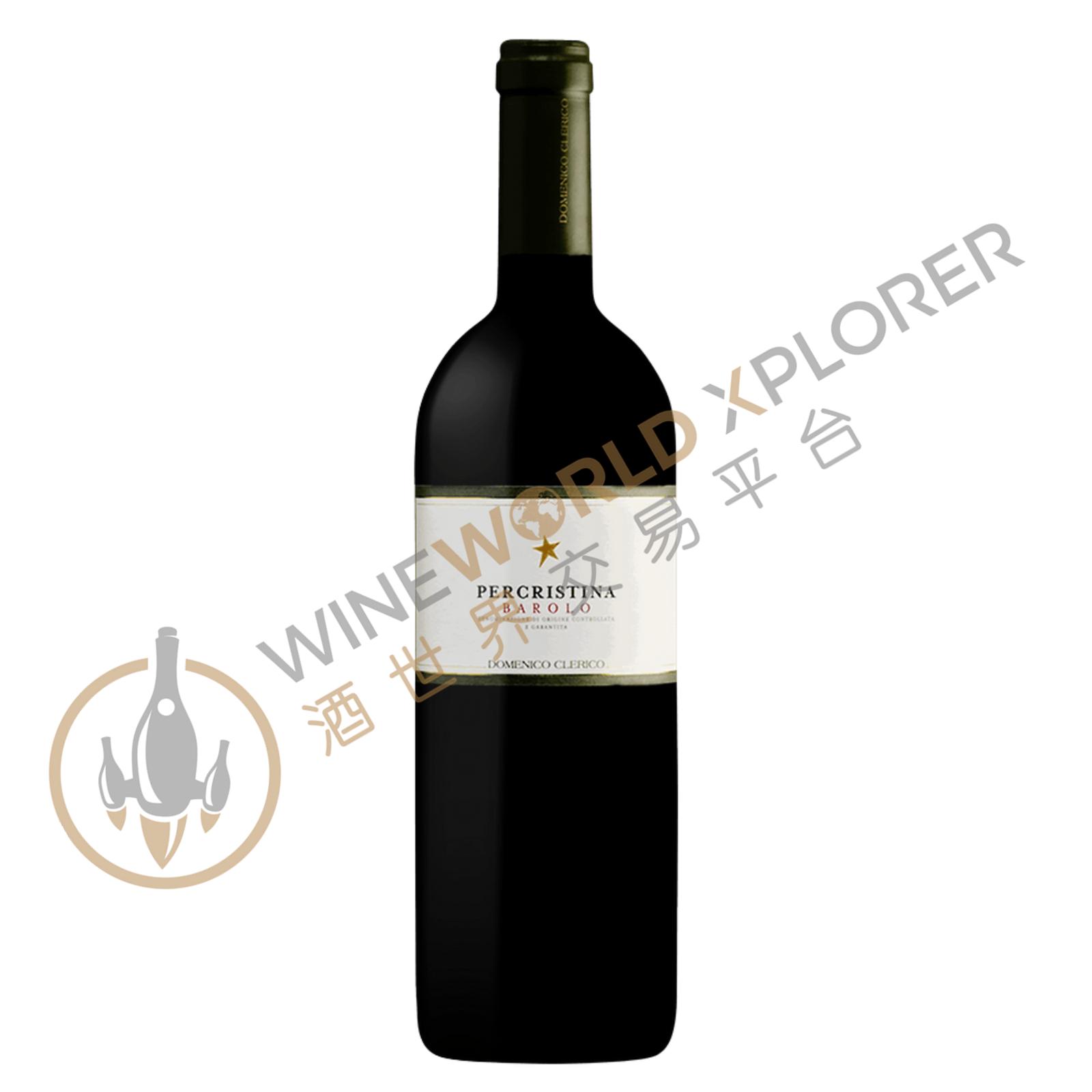
Domenico Clerico, Barolo Percristina 2003
 View analysis


Description
Tasting notes

Reviewed by: Antonio Galloni
2003 Barolo Percristina—The 2003 Percristina is another excellent wine from this producer. It displays an exotic mix of aromas and super-ripe fruit, with excellent length and balance in a potent, concentrated style. The old vines at Mosconi seem to have been a help in 2003. (90-93), 11/05 Domenico Clerico’s 2003s are typical of the vintage-rich, concentrated and tannic. Because they have been aged in new oak, they also show a lot of wood tannins, which admittedly makes the wines hard to evaluate. If the wines come together a bit more, they may eventually deserve higher scores. Clerico’s stunning 2004s are shaping up to be among the best wines of the vintage. These Barolos are aromatically compelling and packed with layers of fruit, with much depth, complexity and personality. They are really something to marvel over and are well worth the wait. I always find it interesting to taste the three Barolos from barrel together, as it is easier to evaluate the Percristina, which is released a year later, when it is in the company of its siblings from the same vintage.
Reviewed by: Antonio Galloni
The 2003 Percristina shows the effects of the super-hot vintage. It is a powerful, densely constituted wine but today hard, astringent tannins dominate the wine’s overall balance and harmony. Anticipated maturity: 2011-2018. A Marc de Grazia Selection, various American importers, including Michael Skurnik, Syosset, NY; tel. (516) 677-9300, Vin Divino, Chicago, IL; tel. (773) 334-6700, and Estate Wines, Ltd., San Rafael, CA; tel. (415) 492-9411
Reviewed by: Antonio Galloni
The 2003 Barolo Percristina, from Mosconi, a south-facing site in Monforte d'Alba, is the most forward of Clerico's Barolos. Early signs of oxidation have begun to creep in. Still, the 2003 is nicely textured, supple and round, with all of the breadth of Mosconi. Here, too, the tannins are imposing, and will only become more so with the passage of time. In a scorching hot year, due south-facing sites are often penalized, as is the case here, although I must point out that the Pajana, which is also from a south-facing site, has handled time more gracefully.
About the Producer
Clerico Barolo is one of the pioneers of the emerging movement to improve the winemaking of modern Barolo. His wines are round and concentrated, with more fruity aromas, bright ruby red wine with a mulberry taste, reminiscent of burgundy. The Estherso Grand Cru in the Roots, and it is unexpected that these wines are Barolo wines made from Nebbiolo grapes. Clerico was the first state-of-the-art winery in the Barolo region to use the single-campus concept, bottling the wines separately from the different pockets. Let the wine tell the characteristics of the land, so that the wine produced has a unique personality. Clerico believes that the timing of the grape harvest is a very important factor, picking it earlier than other wineries, because he believes that the ripening of tannins is more important than the ripening of grape sweetness. High sweetness only produces wine with a strong alcohol taste. High-quality tannin is the quality guarantee of high-level wine. He especially emphasizes acidity, because acidity will make the wine have a perfect and strong skeleton. Clerico's flagship wine, Cristina, is stored in large oak barrels for 3 years, small oak barrels for 2 years, and 5 years in the bottle for a total of 10 years. Fascinating, is a rare good wine, its wine is to commemorate the unfortunate death of the owner's daughter Cristina when she was 7 years old, and the best grapes are specially selected to make this Percristina wine to commemorate the beloved daughter. Clerico Barolo has been praised as the most representative heavyweight winery in Barolo by virtue of its continuous introduction of amazing wines over the years, and it is also highly praised by wine critics. winery.
