
 Wine Advisor



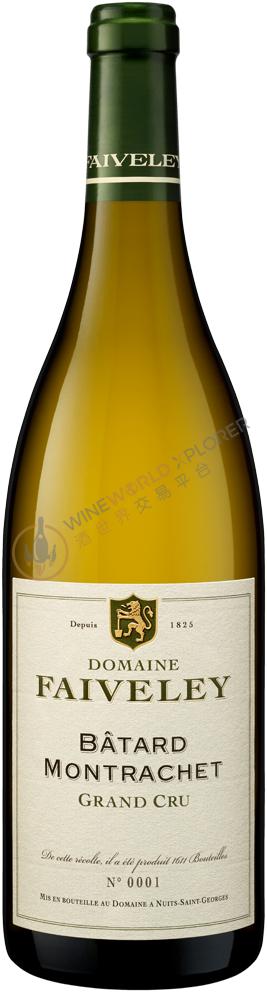
Domaine Faiveley, Batard Montrachet Grand Cru 2017
 View analysis


Description
Tasting notes

Reviewed by: Neal Martin
The 2017 Bâtard-Montrachet Grand Cru has a more introspective bouquet compared to the Bienvenue, perhaps more malic, with a subtle, almost algal scent. The palate is very precise, maybe a bit meaner and more Chablis-like than the Bienvenue, but almost Zen-like toward the finish. It does not have the charm of the Bienvenues and frankly, it isn’t trying to. This is more a cerebral, terroir-driven wine.
Reviewed by: Stephen Tanzer
Pale yellow. Inexpressive and backward on the nose but quite pure, hinting at pineapple, white peach, citrus peel and menthol. Then juicy and penetrating in the mouth, conveying a stronger impression of acidity and salinity than the Bienvenue; this wine is more floral, while the Bienvenue shows more lemon and mandarin orange fruitiness. Here the easy fruit is already disappearing and the terroir is beginning to emerge owing to a very early malolactic fermentation (in January), but this powerful, sappy grand cru will need time to evolve in bottle.
Reviewed by: William Kelley
Aromas of fresh pear, ripe citrus fruit, dried white flowers and praline introduce the 2017 Bâtard-Montrachet Grand Cru, a full-bodied, elegantly textural wine with a ripe core of fruit, excellent tension at the core, bright acids and chalky structuring extract, concluding with a lively, saline finish. Nicely integrated and impressively complete, it's one of the finer Bâtards I've tasted from Faiveley.
Reviewed by: William Kelley
Domaine Faiveley's 2017 Bâtard-Montrachet Grand Cru is showing very well, unfurling in the glass with notes of Anjou pear, white peach, orange oil, white flowers and an elegant top note of nutmeg. On the palate, it's full-bodied, satiny and supple, with lively acids, excellent concentration and a precise finish. This is a beautifully balanced Bâtard that represents a decidedly elegant interpretation of this sometimes hulking and massive Grand Cru.
Reviewed by: Neal Martin
Pale yellow. Inexpressive and backward on the nose but quite pure, hinting at pineapple, white peach, citrus peel and menthol. Then juicy and penetrating in the mouth, conveying a stronger impression of acidity and salinity than the Bienvenue; this wine is more floral, while the Bienvenue shows more lemon and mandarin orange fruitiness. Here the easy fruit is already disappearing and the terroir is beginning to emerge owing to a very early malolactic fermentation (in January), but this powerful, sappy grand cru will need time to evolve in bottle.
