
 Wine Advisor




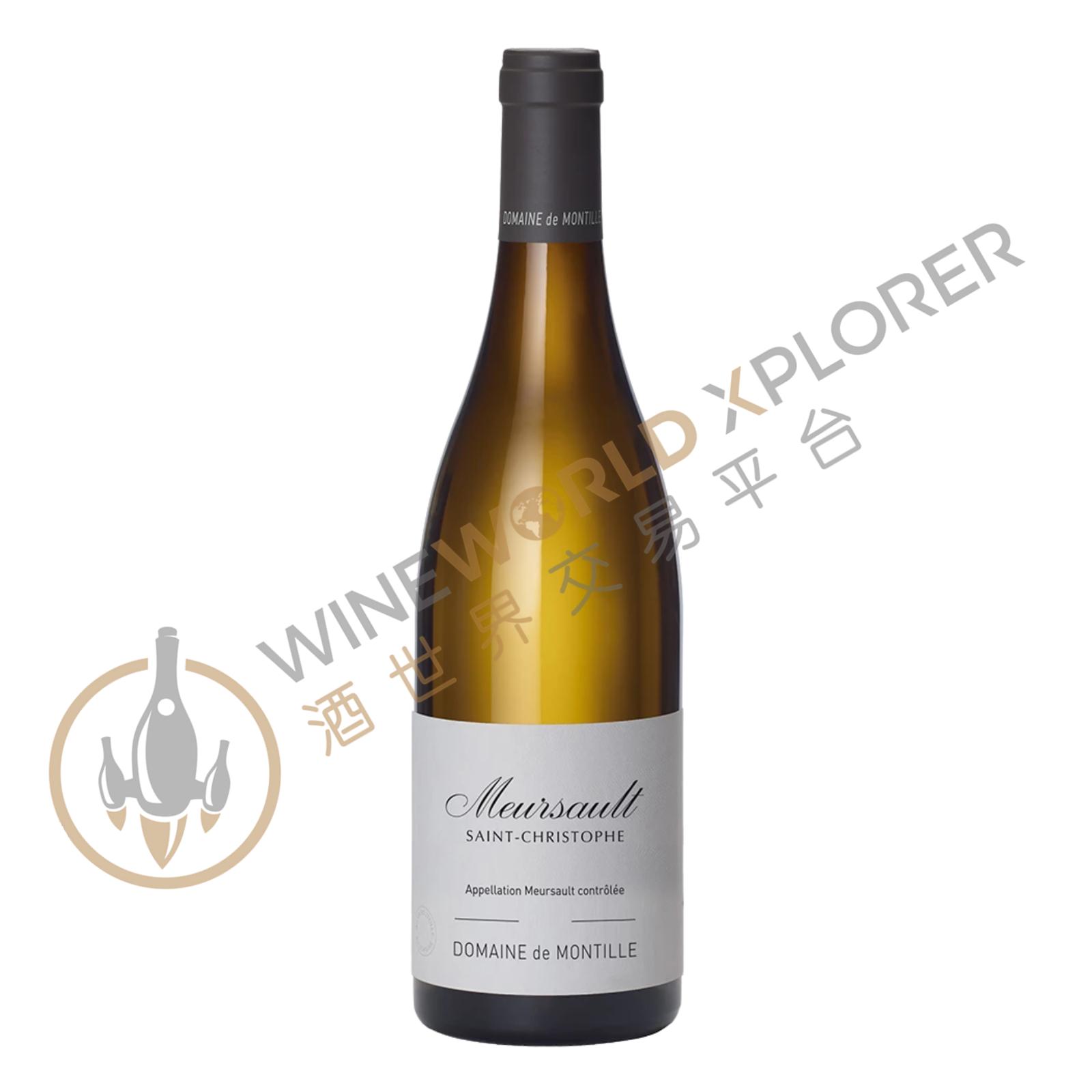
Domaine de Montille, Meursault St Christophe 2018
 View analysis


Description
Tasting notes

Reviewed by: Neal Martin
The 2018 Meursault "St. Christophe" is a blend of three vineyards and sees slightly less new oak that other cuvées from de Montille. There is just a slight reduction on the nose, which develops light menthol notes with aeration. The palate is easygoing, perhaps a bit commercial in style, but there is nothing wrong with that. Finishes pleasantly peachy. Drink over the next five or six years.
Reviewed by: William Kelley
The 2018 Meursault Saint-Christophe has also turned out well, exhibiting aromas of pear, citrus oil, hazelnuts and white flowers, followed by a medium to full-bodied, satiny and supple palate that's fresh and chalky. As usual, this is a cuvée composed from holdings in Casse-Tête, Petits Charrons and Narvaux du Dessous.
About the Producer
Domaine de Montille, located in the Cote de Beaune wine region of Bourgogne, France, is managed by siblings Alix de Montille and Etienne de Montille. It is now managed by two siblings, Alix de Montille and Etienne de Montille. The Montille Family has been living in Creancey since the 17th century, and in the mid-18th century the double Montille winery was officially founded in Volnay under the name Hubert de Montille, which was changed to Château de Montille in 1863 when Etienne's great-grandparents married. This marriage enabled the de Montille family to own estates in both Volnay and Crescentes. At that time, the De Monti family was in financial crisis as they were selling off the best grapes from their vineyards. Hubert de Montille, father of Agnès de Monti and Étienne de Monti, decided to change the business model of the estate. The vineyard was reduced to 3 hectares, and in 1947 Hubert introduced bottling equipment to the estate, which opened up a new chapter in the estate's development. 1950 saw the introduction of the latest vineyard management model in Burgundy. In 1983, Étienne de Montaigne began studying winemaking with his father. In 1995, he began to manage the vineyards using organic viticulture. Since 2002, Ennis and Etienne have been managing the estate together, following in their father's footsteps. Château De Monti currently has a total vineyard area of 20 hectares, with vineyard areas in the first and top growths of the Volnay, Pommard, Beaune, Nuits-Saint-Georges and Vosne-Romanee appellations. The vineyards of Château De Monti are blessed with a unique terroir and are planted with the appropriate grape varieties according to the soil and terroir of each vineyard, and are strictly managed in an ecological way. The red wines of Château de Monti are characterized by their freshness, elegance and full-bodied flavor profiles. The traditional Burgundian winemaking process of aging the wines in oak barrels produces excellent wines that perfectly reflect the unique terroir of the grape variety, such as Beaune Premier Cru "Les Sizies", Volnay Premier Cru "Les Mitans" and Clos-Vougeot Grand Cru. The wines of outstanding quality are very popular among consumers.
