
 Wine Advisor



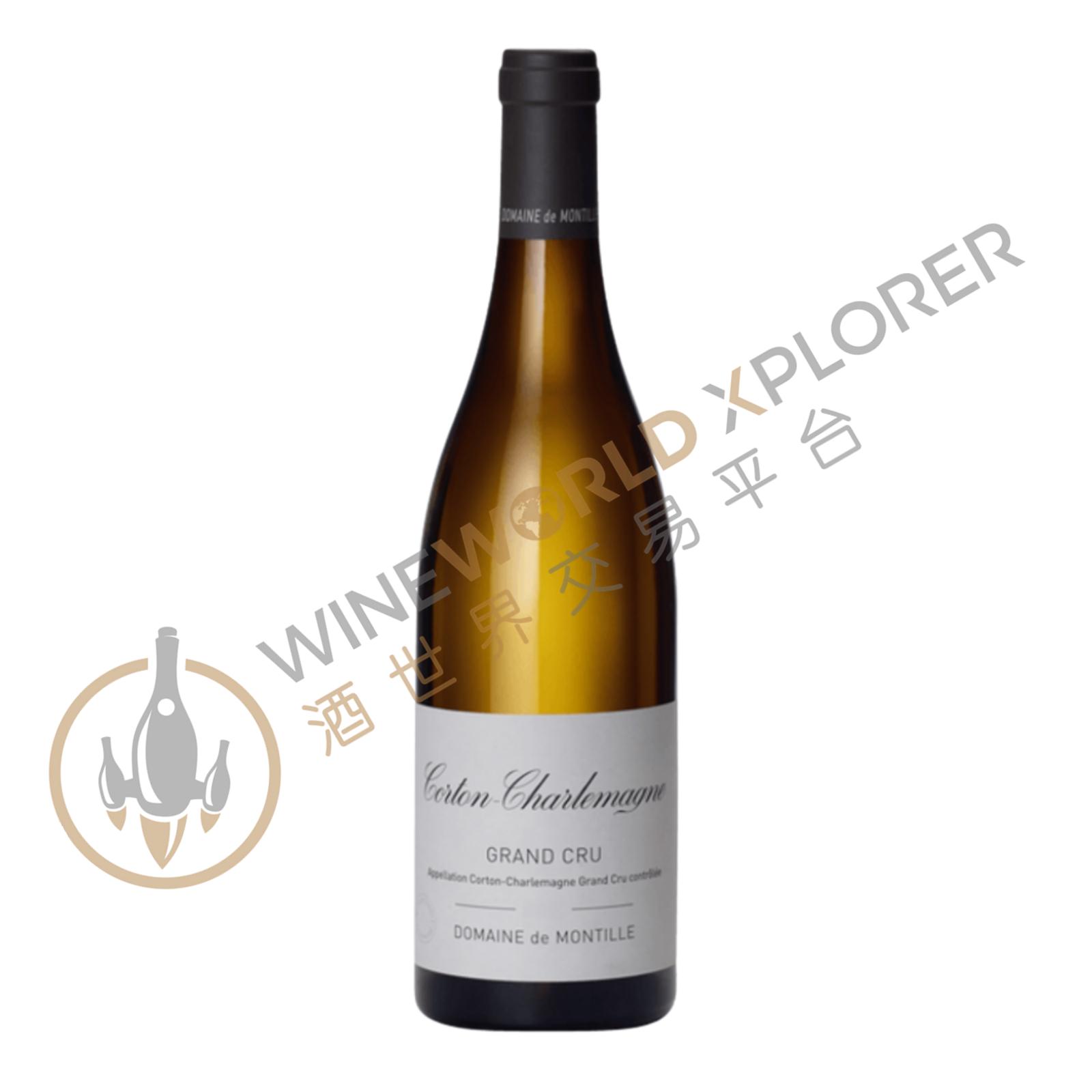
Domaine de Montille, Corton Charlemagne Grand Cru 2017
 View analysis


Description
Tasting notes

Reviewed by: Neal Martin
The 2017 Corton-Charlemagne Grand Cru felt pinched and a little reduced on the nose. However, the palate is built around a fine bead of acidity and good energy. It feels spiky toward the finish and needs more depth and rondeur. Too slight for a Corton-Charlemagne? At least there is freshness, and it does improve in the glass, but it falls below my expectations from barrel. Tasted blind at the annual Burgfest tasting in Savigny-lès-Beaune.
Reviewed by: Neal Martin
The 2017 Corton-Charlemagne Grand Cru comes from Les Pougets and matures in just under 30% new oak. This has a vivacious and tensile bouquet with orange zest and Japanese yuzu aromas that burst from the glass. The palate is well balanced with a fine bead of acidity, quite taut for a Corton-Charlemagne but it is graced with impressive balance. The spicy finish is welcome. This is a finally crafted Grand Cru.
Reviewed by: William Kelley
Aromas of green apple, beeswax, lemon oil and white flowers introduce the 2017 Corton-Charlemagne Grand Cru, a medium to full-bodied, nicely concentrated wine with succulent acids, an open-knit mid-palate and a long, stony finish. This bottling derives from a parcel in Corton Pougets that was formerly planted to Pinot Noir and part grafted over, part replanted in 2005.
Reviewed by: William Kelley
The 2017 Corton-Charlemagne Grand Cru is performing well from bottle, revealing scents of green orchard fruit, white flowers, fresh pastry and toasted almonds. Medium to full-bodied, textural and succulent, it's lively and precise, concluding with a delicately chalky finish.
Reviewed by: Neal Martin
The 2017 Corton-Charlemagne Grand Cru felt pinched and a little reduced on the nose. However, the palate is built around a fine bead of acidity and good energy. It feels spiky toward the finish and needs more depth and rondeur. Too slight for a Corton-Charlemagne? At least there is freshness, and it does improve in the glass, but it falls below my expectations from barrel. Tasted blind at the annual Burgfest tasting in Savigny-lès-Beaune.
Reviewed by: James Suckling
The purity of yellow citrus fruit here is stunning and there’s a distinctive, chalky wedge to the nose, too. The palate has a very elegant, sleek and contained feel with a strong line of acidity and creamy, lees-derived weight. This has the DNA of power and the length is exceptional. Regal. Try in 2022.
About the Producer
Domaine de Montille, located in the Cote de Beaune wine region of Bourgogne, France, is managed by siblings Alix de Montille and Etienne de Montille. It is now managed by two siblings, Alix de Montille and Etienne de Montille. The Montille Family has been living in Creancey since the 17th century, and in the mid-18th century the double Montille winery was officially founded in Volnay under the name Hubert de Montille, which was changed to Château de Montille in 1863 when Etienne's great-grandparents married. This marriage enabled the de Montille family to own estates in both Volnay and Crescentes. At that time, the De Monti family was in financial crisis as they were selling off the best grapes from their vineyards. Hubert de Montille, father of Agnès de Monti and Étienne de Monti, decided to change the business model of the estate. The vineyard was reduced to 3 hectares, and in 1947 Hubert introduced bottling equipment to the estate, which opened up a new chapter in the estate's development. 1950 saw the introduction of the latest vineyard management model in Burgundy. In 1983, Étienne de Montaigne began studying winemaking with his father. In 1995, he began to manage the vineyards using organic viticulture. Since 2002, Ennis and Etienne have been managing the estate together, following in their father's footsteps. Château De Monti currently has a total vineyard area of 20 hectares, with vineyard areas in the first and top growths of the Volnay, Pommard, Beaune, Nuits-Saint-Georges and Vosne-Romanee appellations. The vineyards of Château De Monti are blessed with a unique terroir and are planted with the appropriate grape varieties according to the soil and terroir of each vineyard, and are strictly managed in an ecological way. The red wines of Château de Monti are characterized by their freshness, elegance and full-bodied flavor profiles. The traditional Burgundian winemaking process of aging the wines in oak barrels produces excellent wines that perfectly reflect the unique terroir of the grape variety, such as Beaune Premier Cru "Les Sizies", Volnay Premier Cru "Les Mitans" and Clos-Vougeot Grand Cru. The wines of outstanding quality are very popular among consumers.
