
 Wine Advisor



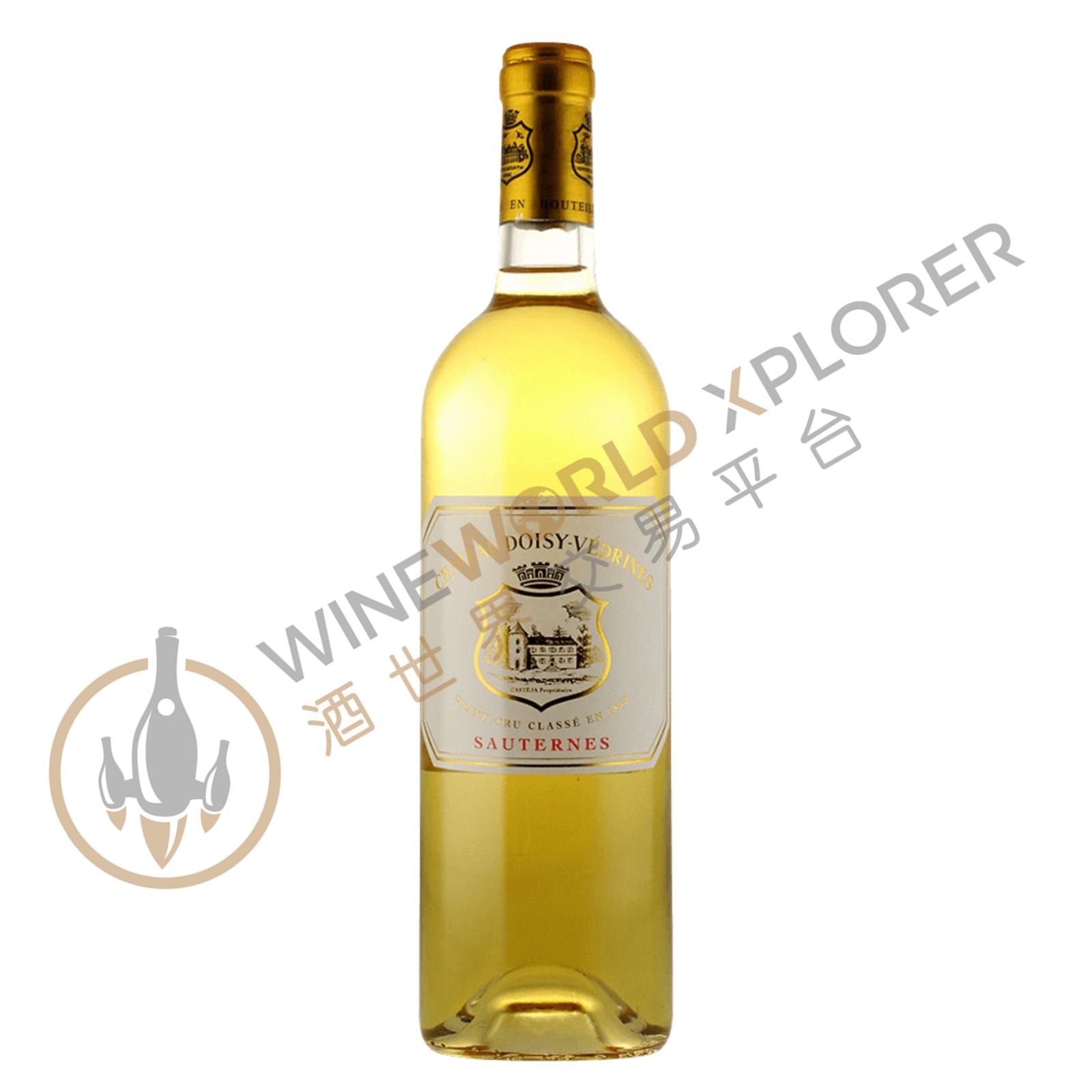
Doisy Vedrines 2003
 View analysis


Description
Tasting notes

Reviewed by: Neal Martin
Ex-chateau bottle tasted blind in Sauternes. I have huge respect for Olivier Casteja, but the ’03 Doisy-Vedrines has never been one of my preferred vintages. Under blind conditions, it is missing some complexity on the nose with simple honeysuckle and quince aromas that need more delineation. The palate is actually better with quince and bitter orange, although there is a touch of flatness towards the finish that does not leave you compelled to take another sip. Tasted April 2013.
Reviewed by: Neal Martin
Tasted at the château, the 2003 Château Doisy-Védrines has a slightly muffled bouquet with dried orange peel and melted wax aromas. The palate is full-bodied, rich and unctuous, though it needs more acidity and feels a little fat and laboured on the finish. This is enjoyable but I feel it is treading water compared to other vintages.
Reviewed by: Neal Martin
A light nose than Daene with notes of pineapple and lemon. Lacks a little complexity and verve but there is a pretty mid-palate of apricot and orange peel with a touch of marmalade on the finish. Moderate levels of botrytis - I don't think this has the aging potential of Daene but still and excellent wine. Tasted again after bottling at the UGC in October 2005. A light nose that upon reexamining my pre-bottling notes has changed little with aromas of pineapple, lemon plus a little chalk this time. The palate is well-balanced with notes of sweet grapefruit, creme brulee and coconut. Moderate level of botrytised fruit with a hint of marmalade on the finish. Medium length. Understated, quite feminine and attractive, though I would drink this before Doisy-Daene.
Reviewed by: Robert M. Parker, Jr.
It is against my better judgment to taste the sweet wines of Barsac and Sauternes at such an early age, as I find they typically require at least 12 months to reveal the definition/delineation so essential in these creamy, creme brulee, and honeysuckle-flavored offerings. Nevertheless, because this vintage is so highly regarded, I tasted through most of the top estates. The 2003s appear to be somewhat in the style of the 1990s, with high levels of residual sugar (higher than 2001 for the most part) as well as botrytis, low acidity, and fat, full-bodied personalities. This region’s harvest began extremely early (early September), and was completely finished within three weeks. It does not appear that the nobleness and racy richness of the 2001 vintage will be found in the 2003s, but readers who like the big, flamboyant, over the top style of the 1990s will enjoy the 2003s even more than I did. Unlike most of my red wine tastings, this offering was only tasted once. Readers should keep in mind that this a very early, pre-bottling judgment from very unevolved wine that is not nearly as defined and easy to evaluate as the reds.
Reviewed by: Robert M. Parker, Jr.
No tasting note was given.
Reviewed by: Robert M. Parker, Jr.
Space limitations preclude including tasting notes. 2003 is a rich, sweet vintage of powerful, full-bodied wines that possess huge levels of glycerin, alcohol, and residual sugar.
Reviewed by: Neal Martin
Tasted at the Doisy-Vedrines vertical at the chateau. The nose is lacking the vibrancy and the precision of the 2004, this is more stony and minerally in quality with touches of pear and apple. The palate is medium-bodied, lots of honeyed fruit, lacking a little complexity though, the finish rounded, honeyed but lacking a little tension. This will be an earlier-drinking Doisy-Vedrines. Slight bitterness on the finish. Drink now-2015. Tasted September 2008.
About the Producer
The Chevaliers de Védrines owned this estate for centuries and gave their name to it. Included in the 1855 classification, it was acquired by the family of the present owners in the mid-19th century. Doisy-Védrines is located on the clay-limestone rise in Haut Barsac. The soil is ploughed the traditional way and the grapes are picked by hand in several waves (up to 6 or 8). Fermentation and ageing take place in barrels (exclusively French oak). The combination of modern and traditional techniques gives Château Doisy-Védrines its trademark richness and finesse typical of the great growths of Sauternes. Annual production amounts to 40,000 bottles. When young, the wine is well-balanced and very pleasant, especially as an aperitif. Older vintages are a delight at the end of a meal.
