
 Wine Advisor



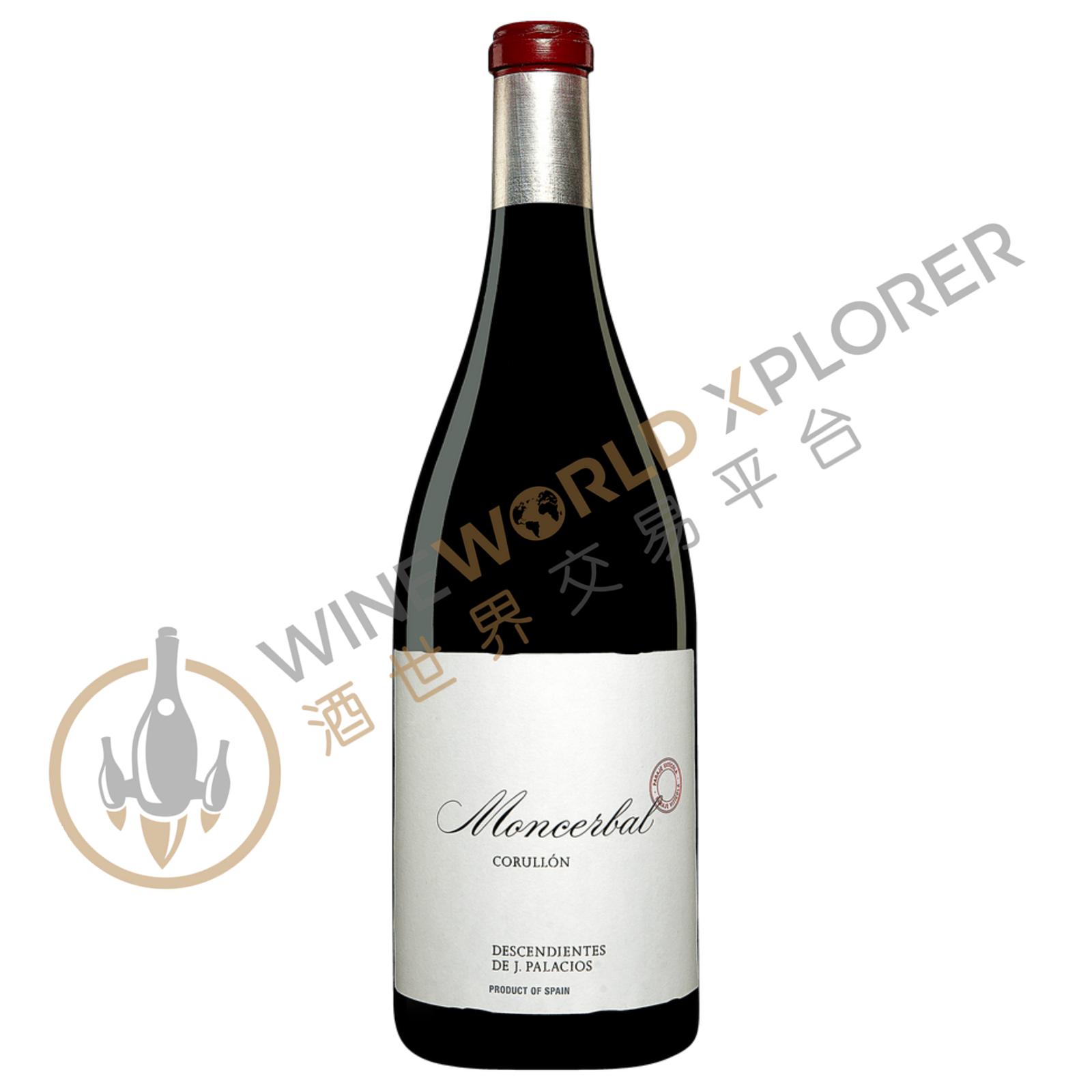
Descendientes de Jose Palacios, Moncerbal 2019
 View analysis


Description
Tasting notes

Reviewed by: Luis Gutiérrez
The 2019 Moncerbal is a "vino de paraje," produced with grapes (mostly Mencía but also 4% white grapes) from different plots that totaled 1.51 hectares in the same zone of the village of Corullón. It fermented with some full clusters and indigenous yeasts in oak vats for 46 days and matured in oak barrels and foudres for 11 months. It's one of the lower-alcohol wines (together with the Corullón) at 13.5% alcohol. This is super aromatic and floral, with notes of violets and also white flowers and even a citrus touch. This is the showier wine of the 2019s—textured, long and gentle, with a great finish. It has changing aromas and flavors, mixing flowers, herbs, berries, earth and even a lactic touch sometimes. It should develop further complexity in bottle. This is a great vintage for Moncerbal, keeping the freshness and poise of the 2018 in a warmer year. They use less and less new oak barrels, contrary to what they thought they'd need with the new winery. 3,488 bottles, 101 magnums and some larger formats were produced in 2019.
Reviewed by: Luis Gutiérrez
The 2019 Moncerbal is a "vino de paraje," produced with grapes (mostly Mencía but also 4% white grapes) from different plots that totaled 1.51 hectares in the same zone of the village of Corullón. It fermented with some full clusters and indigenous yeasts in oak vats for 46 days and matured in oak barrels and foudres for 11 months. It's one of the lower-alcohol wines (together with the Corullón) at 13.5% alcohol. This is super aromatic and floral, with notes of violets and also white flowers and even a citrus touch. This is the showier wine of the 2019s—textured, long and gentle, with a great finish. It has changing aromas and flavors, mixing flowers, herbs, berries, earth and even a lactic touch sometimes. It should develop further complexity in bottle. This is a great vintage for Moncerbal, keeping the freshness and poise of the 2018 in a warmer year. They use less and less new oak barrels, contrary to what they thought they'd need with the new winery. 3,488 bottles, 101 magnums and some larger formats were produced in 2019.
About the Producer
Descendientes de José Palacios (DJP) is one of three estates of the family of Álvaro Palacios. The 'Descendientes' are Álvaro Palacios and his nephew Ricardo Perez Palacios, both of whom grew up in the Palacios family home in Alfaro, Rioja. Both are descendents of Álvaro's father, José Palacios, who died in 2000, just as the first Bierzo wines were being prepared and for whom the Bierzo project was then named. DJP commenced in 1999, when the young Ricardo was studying permaculture in Leon, subsequent to his viticultural studies in Bordeaux. Ricardo came across some very old plantings of Mencía high on the mountain slopes above the village of Corullón, and recognised these as heritage material of great potential and importance, just as Álvaro has done a decade earlier with the remnant old autochthonous Garnatxas of Priorat. Álvaro was summoned to inspect and an immediate decision was made to invest and investigate. Ever since, Ricardo and Álvaro have been purchasing and renovating old vineyards, massale propogating heritage genetic material throughout their holdings, all the while refining how to grow and vinify Mencía.
