
 Wine Advisor



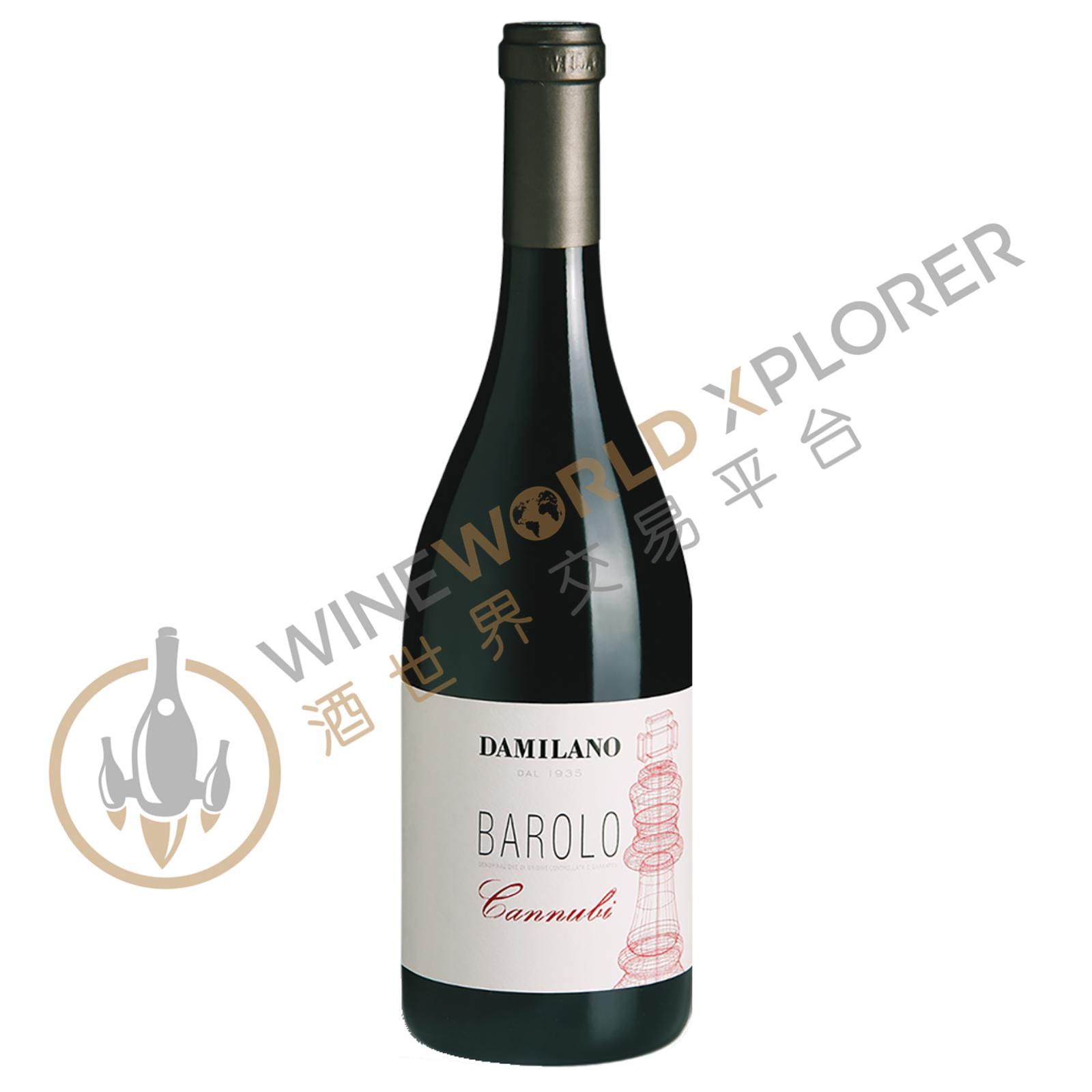
Damilano, Barolo Cannubi 2010
 View analysis


Description
Tasting notes

Reviewed by: Antonio Galloni
Floral and lifted at the outset, the 2010 Barolo Cannubi opens up nicely on the mid-palate and finish. Dark red cherries, mint, cinnamon, plums and sweet tobacco are some of the notes that linger in this expressive, nuanced Barolo.
Reviewed by: Monica Larner
The 2010 Barolo Cannubi shows great definition and staying power within a delicate and feminine framework. The wine is characterized by a luminous garnet color, mild consistency and pretty menthol highlights. Drink: 2017-2032. Importer: Vias Imports, www.viaswine.com
Reviewed by: James Suckling
Subtle and complex aromas and flavors of chocolate, hazelnut, plum and orange peel. Full body, with super refined tannins and a long, long finish. Shows the finesse and density of a truly great Cannubi. Drink or hold.
Reviewed by: Antonio Galloni
Floral and lifted at the outset, the 2010 Barolo Cannubi opens up nicely on the mid-palate and finish. Dark red cherries, mint, cinnamon, plums and sweet tobacco are some of the notes that linger in this expressive, nuanced Barolo.
About the Producer
Damilano is one of few traditional, ancient, ultra-centenary Barolo winemakers. In fact, the Damilano family has been active since 1890 when Giuseppe Borgogno, the great-grandfather of the current owners, started farming and making wine from the family-owned vineyard in Barolo (Cuneo), the town in the Langhe area that the homonymous wine was named after; a beautiful and generous land that has been the heart of the vocation to produce the “king of wines” for centuries. It wasn’t until the following generation that Giacomo Damilano, the founder’s son-in-law, gave the current name to the winery. Giacomo Damilano gave the stimulus to preserve the vines and apply constant innovation in the quality of the winemaking process, making the winery become a “jewel” to proudly pass on to his nephews, who have managed the company since 1997. Guido, Mario, and Paolo Damilano have been capable of giving new lymph and push to the family company, particularly giving value to the prince grape of the Langhe, the Nebbiolo, and specific terroirs, the Cannubi above all.
