
 Wine Advisor



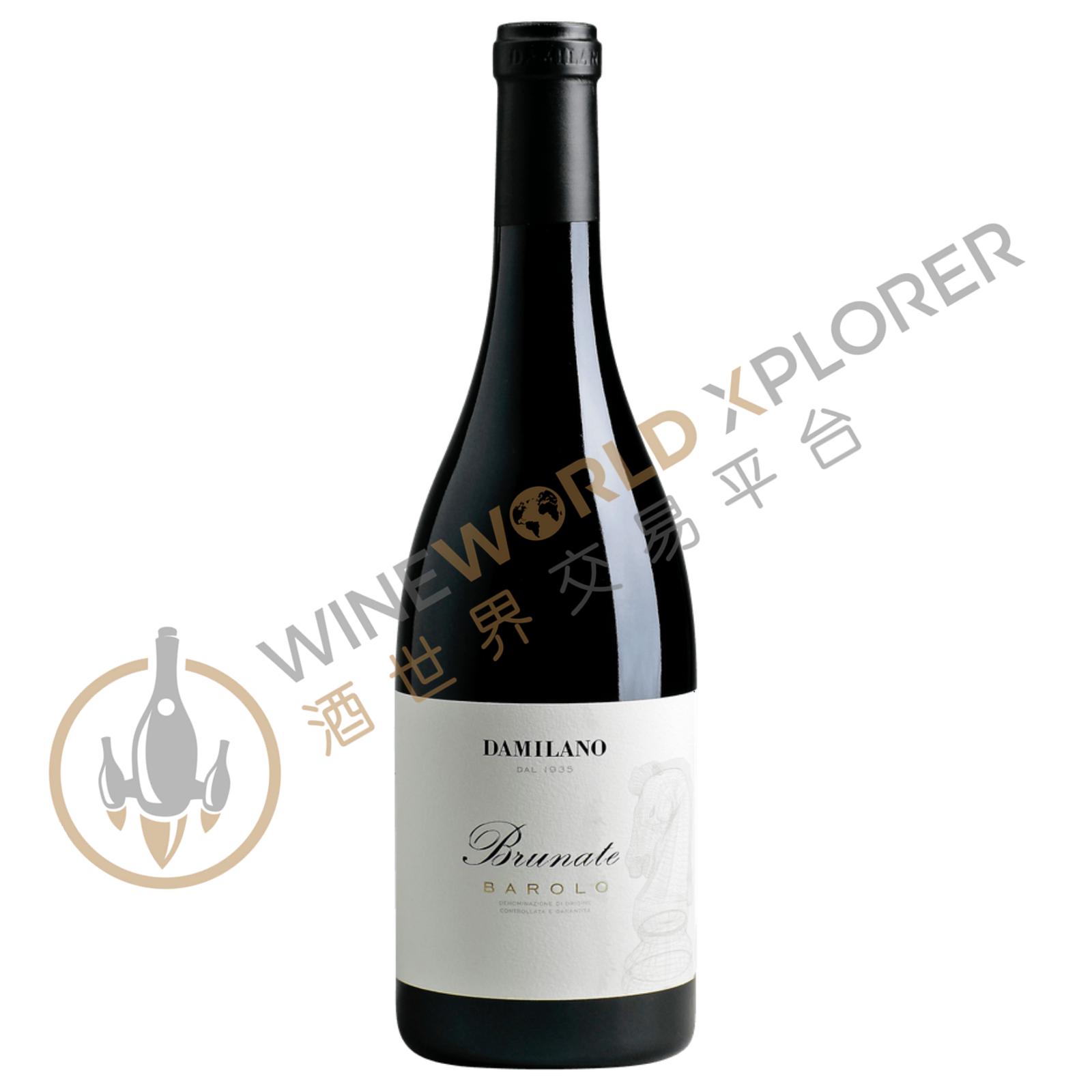
Damilano, Barolo Brunate 2016
 View analysis


Description
Tasting notes

Reviewed by: Monica Larner
This wine takes us to Brunate, one of the most celebrated vineyards in the appellation and one of five prized sites farmed by the Damilano family. The 2016 Barolo Brunate definitely shows its pedigree and is perhaps the most classic wine in this group of five, thanks to its intensity and its notable depth. When Brunate delivers, it delivers, and you get dark fruit, rusty nail, blood orange and lilac, all presented in an absolutely pure and pristine manner. The Brunate cru is composed of 25% sand, 45% silt and 30% clay, so you get a bit more structure here compared to the more ethereal Cannubi right over the next hill. Damilano has crafted a terrific wine in this edition of only 2,900 bottles (released in April 2020).
Reviewed by: James Suckling
So beautifully perfumed with blueberries, raspberries, violets and flowers. Full-bodied, transparent and so clear with intense, chewy tannins and a seamless finish. Tight and powerful. Needs two or three years to soften.
About the Producer
Damilano is one of few traditional, ancient, ultra-centenary Barolo winemakers. In fact, the Damilano family has been active since 1890 when Giuseppe Borgogno, the great-grandfather of the current owners, started farming and making wine from the family-owned vineyard in Barolo (Cuneo), the town in the Langhe area that the homonymous wine was named after; a beautiful and generous land that has been the heart of the vocation to produce the “king of wines” for centuries. It wasn’t until the following generation that Giacomo Damilano, the founder’s son-in-law, gave the current name to the winery. Giacomo Damilano gave the stimulus to preserve the vines and apply constant innovation in the quality of the winemaking process, making the winery become a “jewel” to proudly pass on to his nephews, who have managed the company since 1997. Guido, Mario, and Paolo Damilano have been capable of giving new lymph and push to the family company, particularly giving value to the prince grape of the Langhe, the Nebbiolo, and specific terroirs, the Cannubi above all.
