Wine Advisor



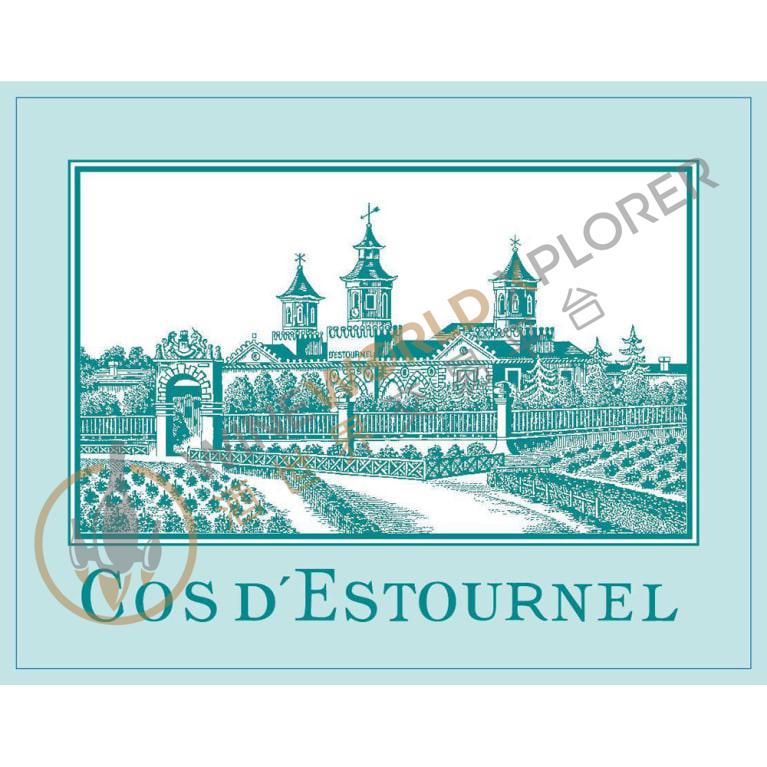
Cos d'Estournel, Blanc 2017
 View analysis


Description
Tasting notes

Reviewed by: Lisa Perrotti-Brown
A blend of 80% Sauvignon Blanc and 20% Semillon, the 2017 Blanc comes sailing out of the glass with bold notes of white peaches, fresh pineapple, lemon tart and lime cordial plus suggestions of honeysuckle, beeswax and musk perfume with a touch of wild sage. Medium-bodied and with a beautiful silky texture, the palate is packed with vibrant stone fruit and tropical fruit flavors, sporting a racy line of freshness, and it finishes long with an invigorating lift.
Reviewed by: Lisa Perrotti-Brown
Cos d'Estournel started making this white wine in 2005 from the Goulée vineyard. The 2017 Blanc is composed of 80% Sauvignon Blanc and 20% Sémillon. It gives beautiful, expressive grapefruit, ripe peach and passion fruit notes with touches of baker’s yeast, powdered ginger, nutmeg and beeswax. Medium-bodied, vibrant, racy and with great finesse, it has a very long citrus and tropical fruit-laced finish. With plenty of structure and intensity, it should age reasonably well.
Reviewed by: James Suckling
This is a very rich white with sliced, dried mango and apple, as well as cooked apples, candle wax and light vanilla. Full-bodied, layered and intense. Big, rich wine, yet remaining fresh and vivid. Needs time to come together. A blend of 80% sauvignon blanc and 20% semillon. but the semillon really marks the wine. Searing acidity, too. Try after 2021.
About the Producer
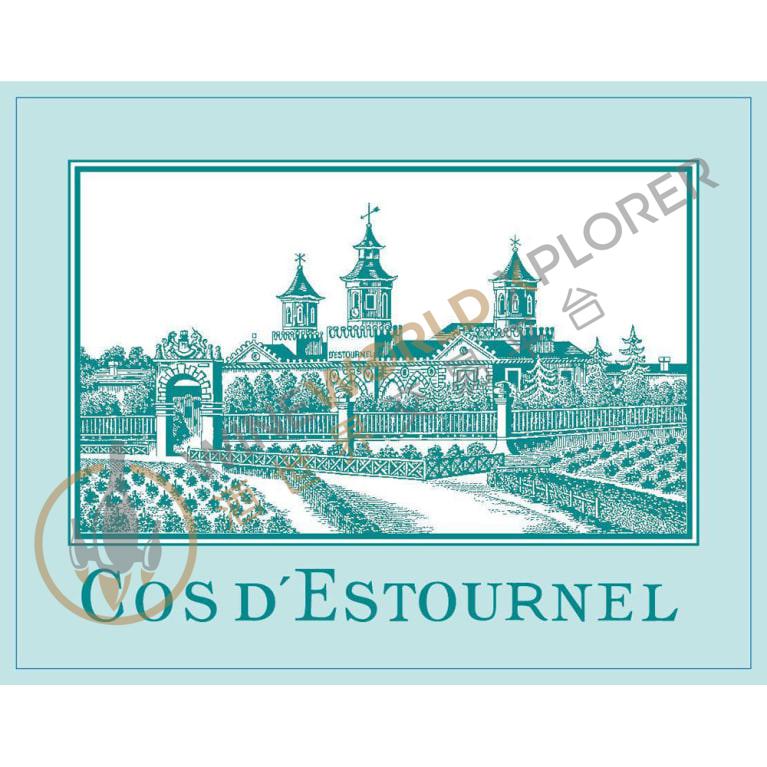
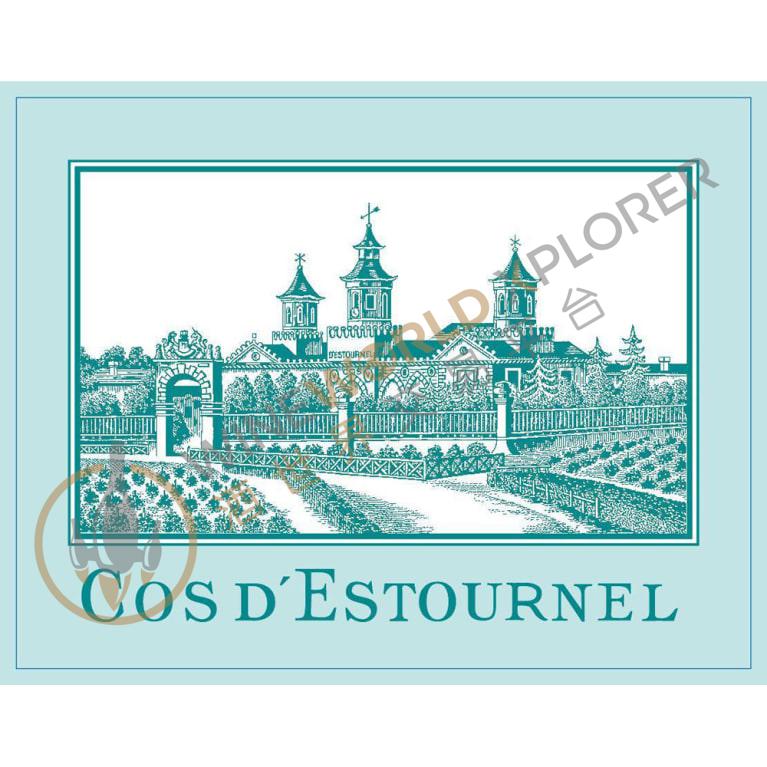
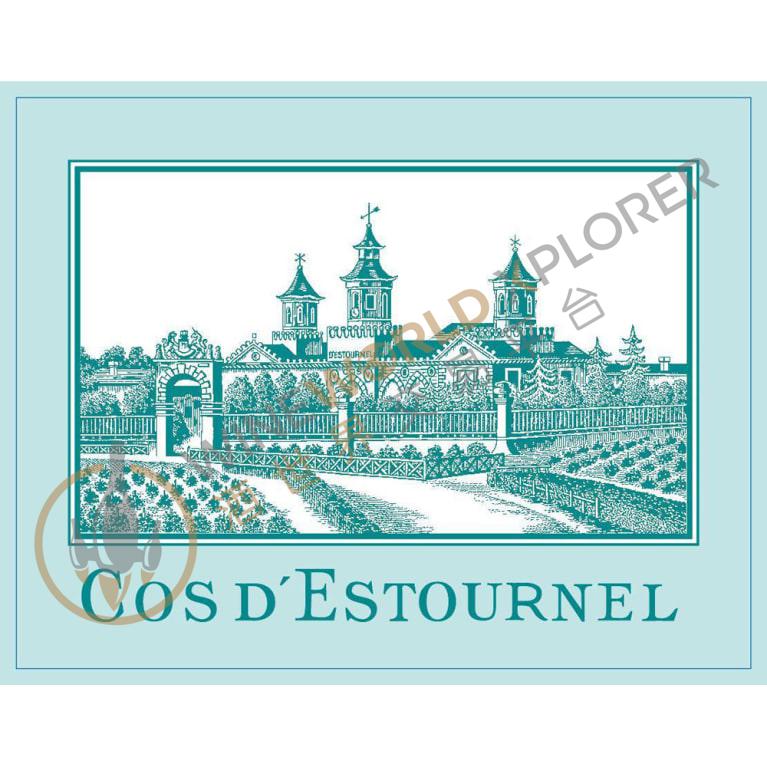
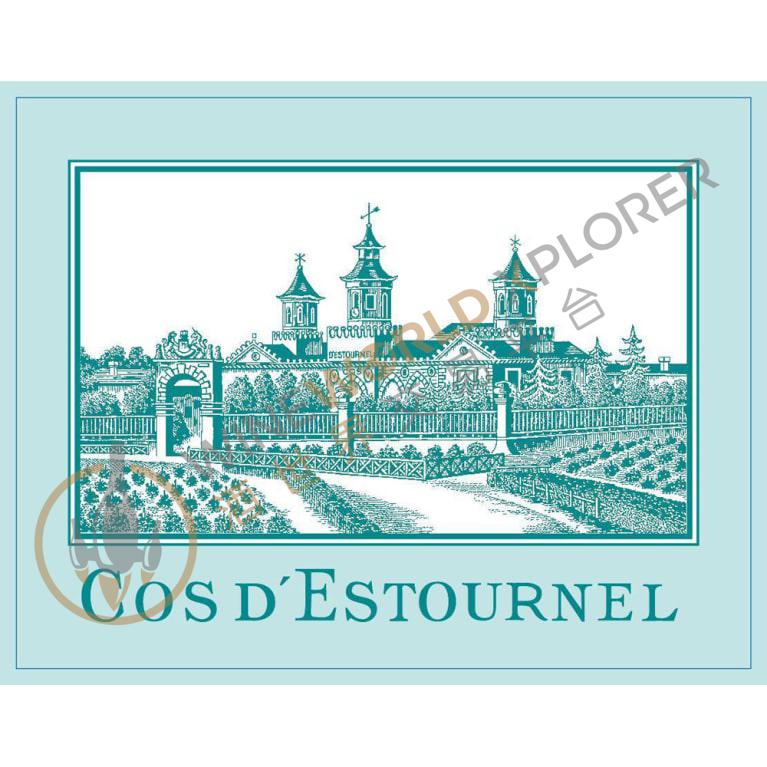
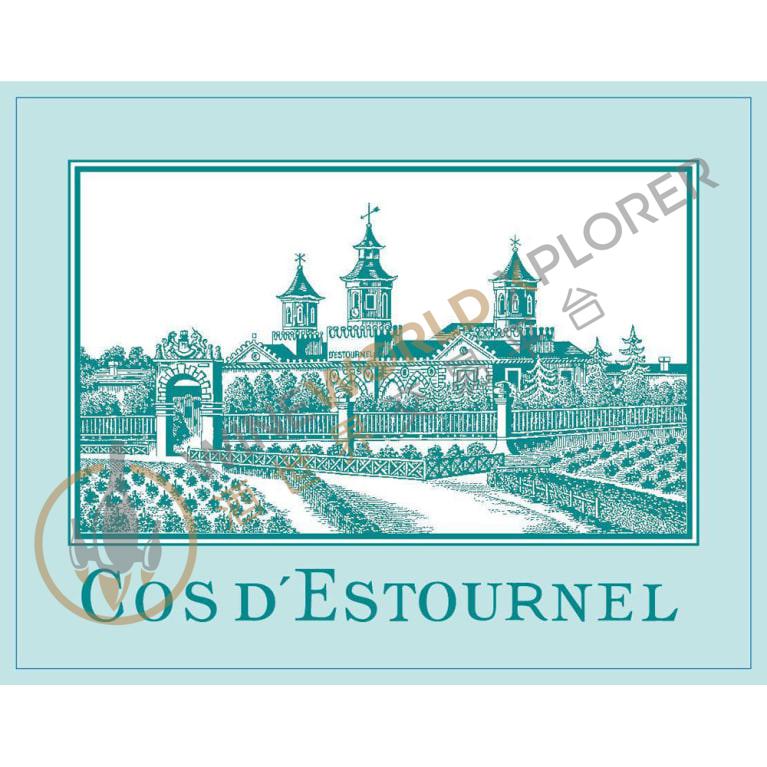
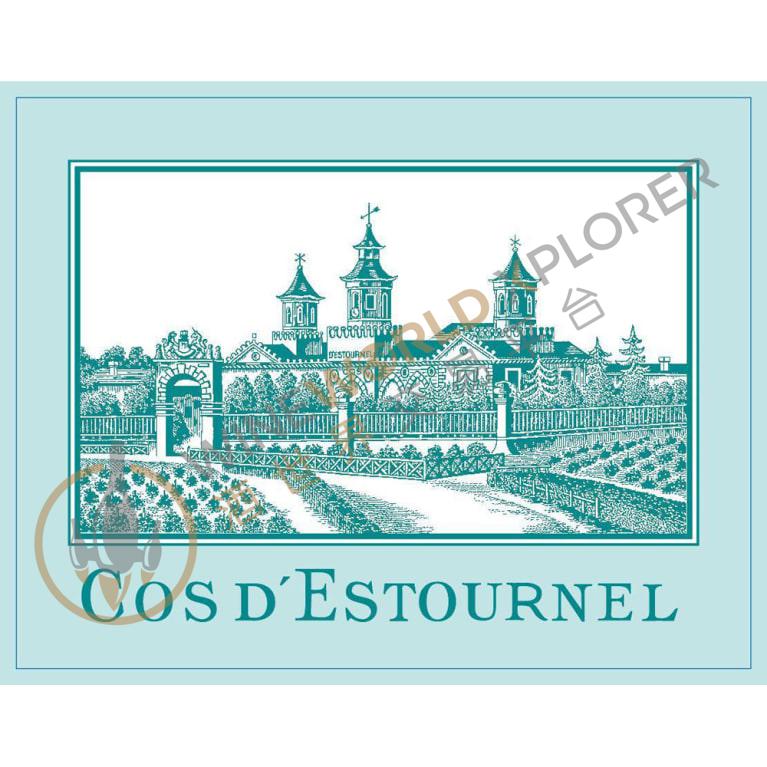
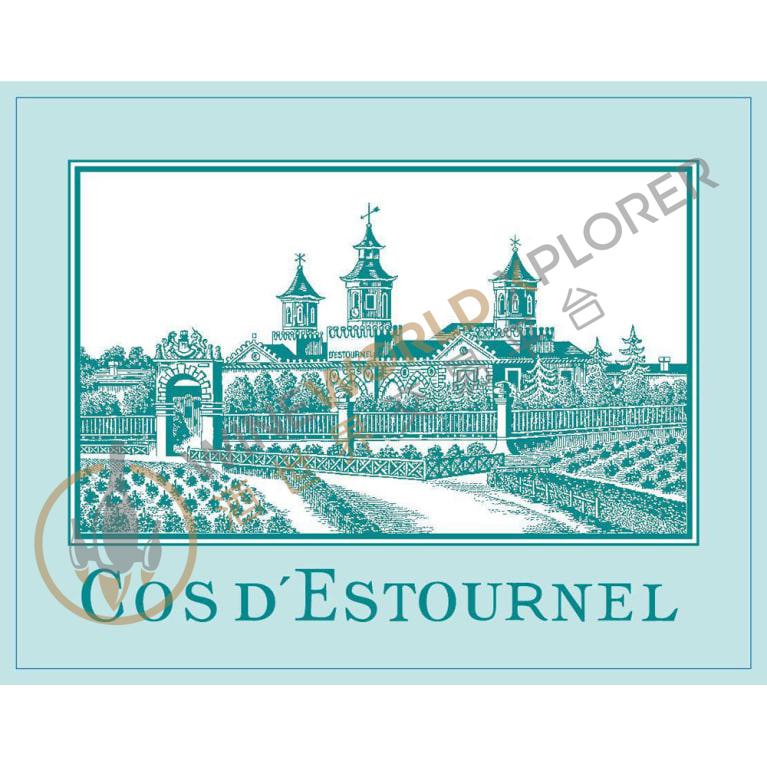
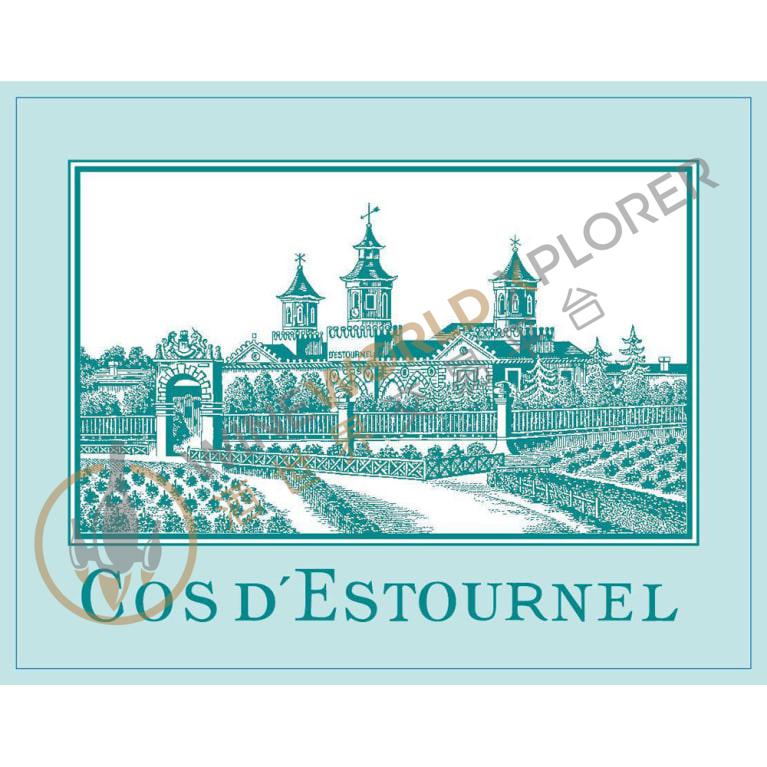
Located in the village of Saint-Estephe on the left bank of Bordeaux, France, Chateau Cos d'Estournel (also known as Chateau Estournel) is a second growth in the 1855 classification and is now recognized as one of the "super second growths". The history of Château Estournel is long and special, dating back to the end of the 18th century, when Louis Gaspard d'Estournel inherited a plot of land called "Cos" in the village of Saint-Estephe in 1791. He thus began to develop his winery. The property is located on a gentle rocky slope, "Cos" meaning "little rocky hill" in French, and the founder's surname, "d'Estournel The name of the winery is the result of the founder's surname "d'Estournel". Louis had a passion for wine and devoted himself to improving the quality of the winery, selling it several times due to financial pressures, only to buy it back after paying off his debts. In 2000, Michel Reybier and his family purchased the estate and have continued to write a new chapter for Château d'Estourde with the same passion and innovation. The vineyards of Château d'Estour cover 100 hectares near the mouth of the Gironde River. The mild maritime climate, the uniform sunshine and the smooth air flow contribute to the excellent terroir. The vineyards are covered with deep soils rich in gravel and limestone, with excellent drainage. Currently, two-thirds of the vineyard is planted to Cabernet Sauvignon, with the remainder dominated by Merlot and a smaller percentage of Cabernet Franc and Petit Verdot. The average age of the vines used for the production of the main wine is about 55 years, and there are also some valuable old vines left in the vineyard, which can be 80 to 100 years old. In 2008, the new vineyard of Château d'Estour was inaugurated, the first in Bordeaux to be fully equipped with the gravity-flow method of winemaking. This is the first winery in Bordeaux to rely entirely on gravity flow to transport the grapes and the wine. The winery is currently equipped with 84 temperature-controlled stainless steel fermenters of different sizes, which allow the vinification of different plots and lots of grapes separately. Château d'Estour produces wines in the typical style of Saint-Estèphe, with concentrated and elegant flavors, rich layers, firm bones and a combination of complexity and finesse. Its main wine, Chateau Cos d'Estournel (Saint-Estephe, France), is a regular high scorer on the lists of major wine critics and wine reviewers. In addition to the main wine, the estate currently produces two red wines, including the secondary wine Pagodes de Cos (Saint-Estephe, France), and one white wine.