Wine Advisor



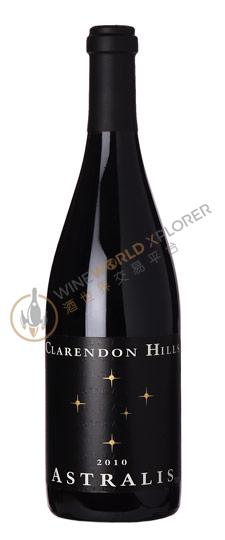
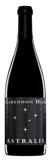
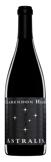
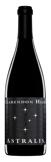
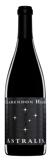
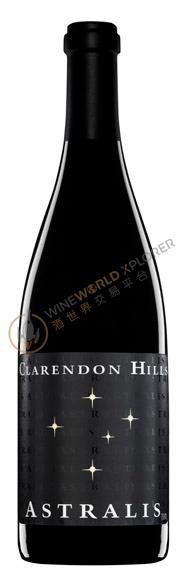
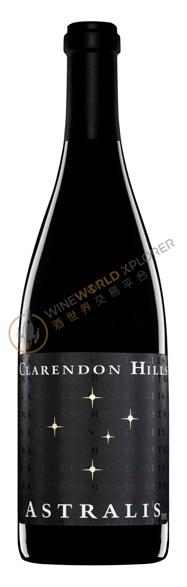
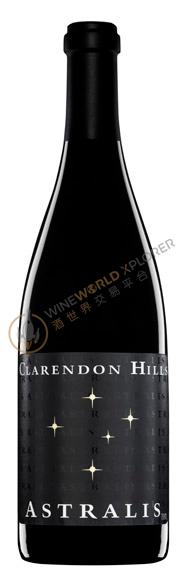
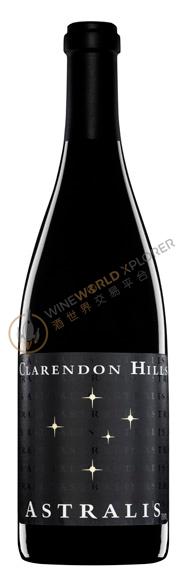
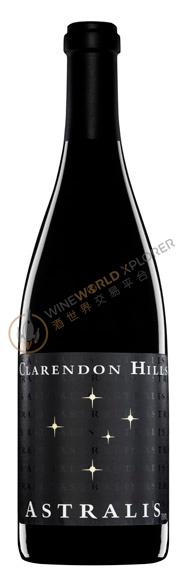
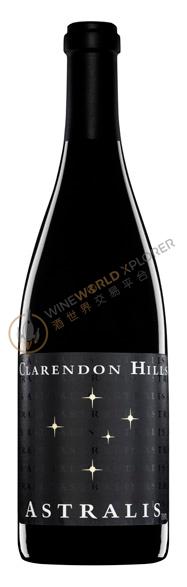
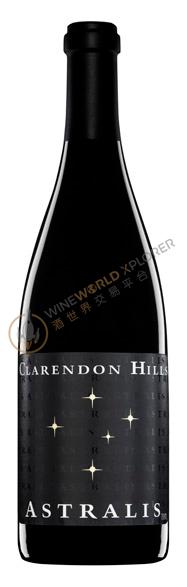
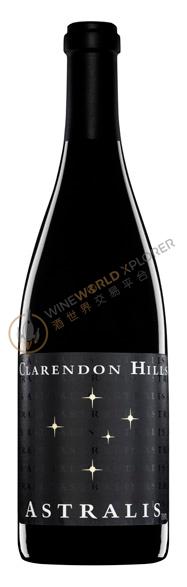
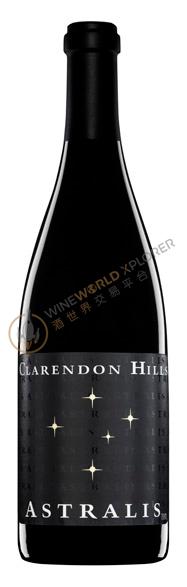
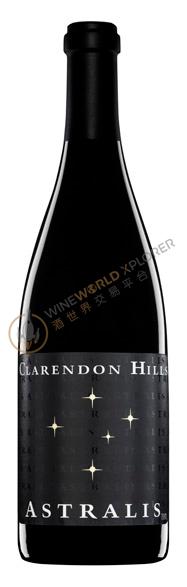
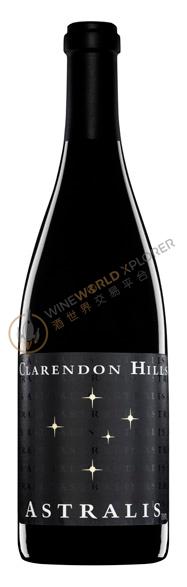
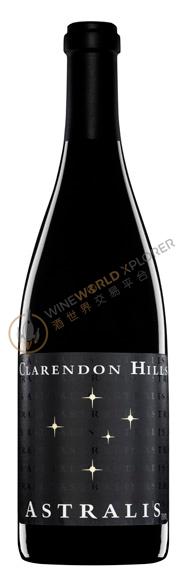
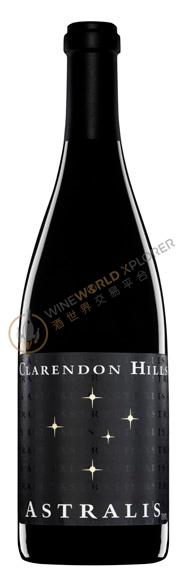
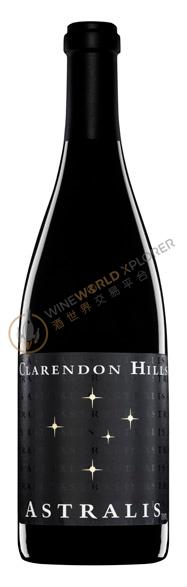
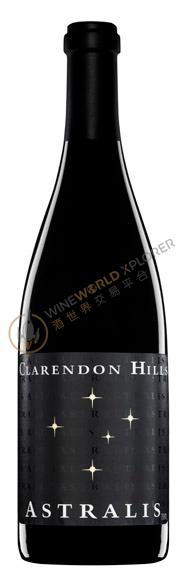
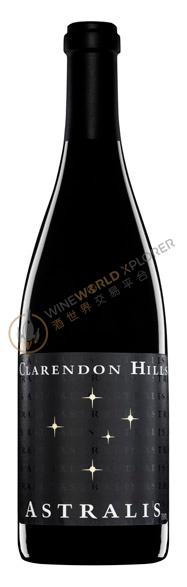
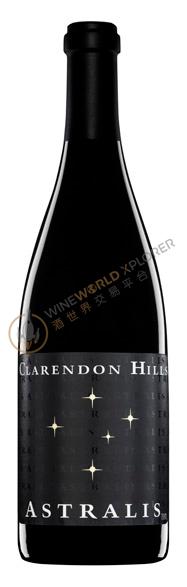
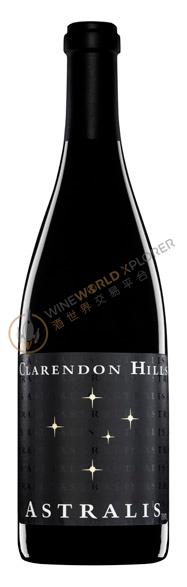
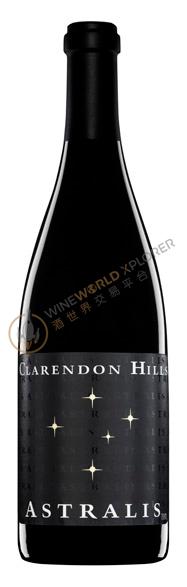
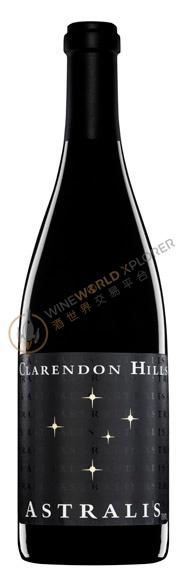
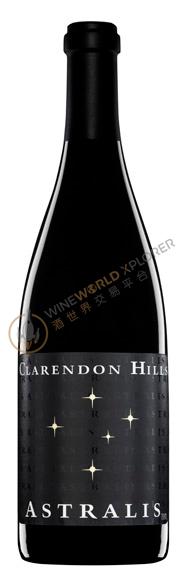
Clarendon Hills, Astralis Shiraz 2006
 View analysis


Description
Tasting notes

Reviewed by: Neal Martin
Tasted at the London Wine Trade Fair. It has been a while since I have tasted Astralis. This has an almost opaque purple/black core. The nose is not as showy as other vintages but obviously very ripe, brimming with blueberry, cassis and a touch of creme de menthe. Again, the palate is much more introspective than one would anticipate and has a lovely smooth, very polished texture. The trouble I have with the wine is that although it is supremely well-crafted, it lacks a little soul, it does not say anything to me. I can understand others’ love for Astralis, but I would rather spend my hard-earned money elsewhere. Drink 2016-2030. Tasted May 2008.
Reviewed by: Lisa Perrotti-Brown
Deep garnet-purple in color, the 2006 Astralis has stunning nose redolent of warm blackberries, meat, toast and charcoal, infused with notes of smoked duck, anise and a slight bit of peat. Though still very youthful, this big, rich, and powerful full-bodied wine has firm yet velvety tannins, a vibrant acid line and is very long on the finish. Drink it now to 2026+. I am grateful to Roman Bratasiuk for presenting me with small verticals from his cellar of some of his greatest vineyard sources for this report, including the Merlot (as an indication that Merlot can do well in Australia!), the Old Vines/Romas Vineyard Grenache and a vertical of the Astralis vineyard Shiraz going back to 1991. Readers should note that the 2011 vintage Clarendon Hills wines are being released a little later than usual and therefore were not available for tasting in time for this report. However, I have been informed that they will be available for tasting very soon and will hopefully make the South Australia report. Importer: Wine Brokers Unlimited, Hayward, CA
Reviewed by: Jay S Miller
The flagship of Clarendon Hills is the 2006 Syrah Astralis Vineyard. It is holding more in reserve but when it has fully blossomed in another 10-15 years my score may appear conservative. Roman Bratasiuk’s Clarendon Hills is one of the world’s great wine estates. The wines are all 100% varietal, produced from Cabernet Sauvignon, Merlot, Grenache, and Syrah. The vineyards are all ungrafted, planted on their own roots, most of them with very old vines. Only French oak is utilized, seasoned barrels for the Grenache, 100% new for the Merlot and Cabernets, and 50-100% new for the Syrahs depending upon the vineyard. The wines typically spend 18 months in oak prior to bottling without fining or filtration. All of the above 2006 bottlings were reviewed from barrel samples in Issue 173. The vintage was an excellent one, not quite as exceptional as 2005, but there may be cases in which selected 2006s may eventually outshine their 2005 counterparts. All of the 2006s fell within their predicted ranges (mostly near the high end) so I will keep my comments brief. Clarendon Hills 2006 Syrahs are superb. They appear to be less structured and more forward than the 2005s and will be more approachable early on. As an aside, Clarendon Hills’ USA importer does not bring in the Onkaparinga Grenache and Syrah cuvees. In Issue 173 I rated the Onkaparinga Grenache (92-95) and the Onkaparinga Syrah (92-95). Importer: E & J Gallo, Modesto, CA; www.clarendonhills.com.au
Reviewed by: Jay S Miller
The 2006 Syrah Astralis Vineyard is more reticent than its peers. It reveals a splendid nose of toasty oak, crushed rock, Asian spices, violets, blackberry, and blueberry compote. It is tightly wound but impeccably balanced. Full-bodied, opulent, and intense, it will evolve for a minimum of a decade and provide pleasure through 2036. It is an exceptional achievement. Importer: E. & J. Gallo Winery, Modesto, CA; www.clarendonhills.com.au
About the Producer
Clarendon Hills is located in the famous McLaren Vale wine region, 40 kilometers south of Adelaide, the capital of South Australia. The vineyards at Clarendon Hills cover 200 acres (81 hectares) and are planted to Grenache, Merlot, Shiraz and Carbernet Sauvignon. The average age of the vines is 75 years for Grenache, 25 years for Merlot, 75 years for Shiraz and 60 years for Cabernet Sauvignon. In terms of vineyard management, the winery's owners practice minimal human intervention and respect the characteristics of the vineyard, the grapes and the vintage. The grapes are pruned by hand during the growing process and picked by hand when ripe. For winemaking, the grapes are picked and fermented naturally in open stainless steel vats for 14 to 21 days. Although most wineries in South Australia use American oak barrels to age their wines, the owner, Roman Bretesque, who is a fan of French wines, prefers to use French wines as a reference and only uses French oak barrels for the aging phase of his wines, which lasts for 18 months. The wines are then not clarified or filtered, in order to preserve the character of the vintage and the vineyard. Although Clarendon Hills also produces some Merlot and Cabernet Sauvignon, it is the Grenache and Syrah wines from this single vineyard that are among the world's finest. These wines combine the elegance of French wines with the intensity of Australian wines, with a ripe, full-bodied palate and exceptional aging potential. Recent outstanding vintages include the 2003, 2002, 2001, 1998, 1996 and 1992.