
 Wine Advisor



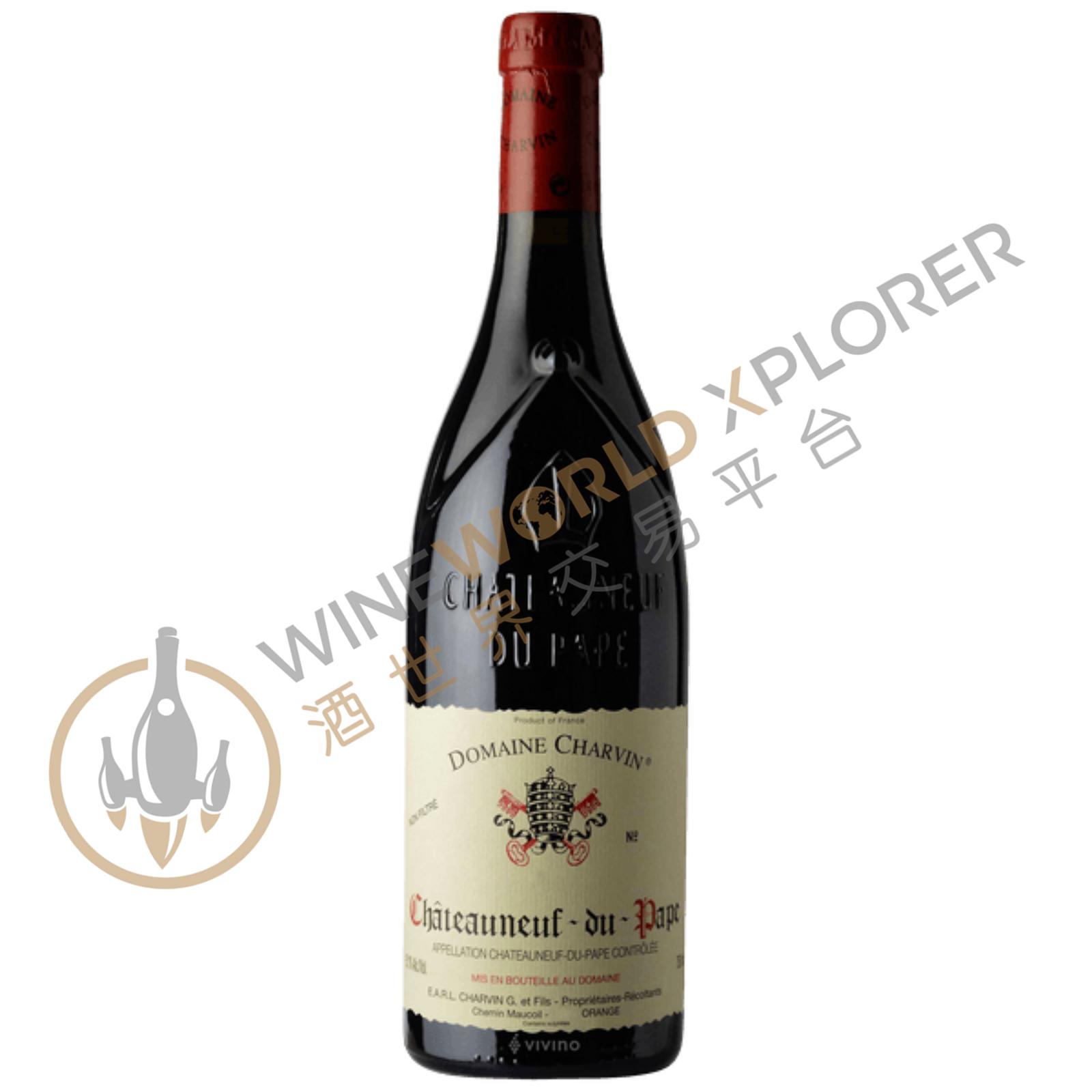
Charvin, Chateauneuf du Pape 2000
 View analysis


Description
Tasting notes

Reviewed by: Stephen Tanzer
Full ruby-red. Expressive aromas of roasted blackberry, black raspberry and espresso. Lush and superripe, with compelling mid-palate fat and fullness. Fresh flavors of dark berries and dark chocolate. Finishes very ripe and long, with sweet, suave tannins. Offers a rare combination of stuffing and finesse.
About the Producer
Domaine Charvin was founded in 1851, but it wasn't until a century later, in 1951, that the first bottle of wine was bottled at Charvin, solely for private family use. It was only in 1990 that Laurent Charvin, the 6th generation heir of the estate, began selling wine under the Charvin label, with an annual production of just 8,000 bottles. The family owns approximately 8 hectares of vineyards in the Chateauneuf-du-Pape region and an additional 16 hectares in other areas of the Rhone Valley. The average age of the grapevines is around 45 years. During the harvest, the grapes are sorted, and the wine is made using 80% Grenache, 15% Syrah, and the remainder being a blend of Mourvedre and Vaccarese. The grapes are lightly crushed and fermented in concrete vats without destemming. This very traditional winemaking process lasts for about three weeks for fermentation and maceration, followed by 18 months of maturation entirely in concrete vats. The wines produced by the estate are unfiltered, a bold move that sets them apart from other wineries. This approach results in pure and concentrated wines with flavors of black raspberry fruit and a sweet, deep, and layered mouthfeel. It is worth noting that Domaine Charvin is located north of Chateauneuf-du-Pape, near Orange. The soils here are composed of clay and limestone, and their full potential has yet to be fully realized. The vineyards benefit from a relatively cool climate in the northern part of Chateauneuf-du-Pape. Laurent Charvin follows the most traditional and primitive winemaking methods, without destemming, filtering, or the use of oak barrels. There are no secrets or embellishments, relying solely on old vines, low yields, and minimal human intervention to create wines that express the purest terroir of Chateauneuf-du-Pape.
