
 Wine Advisor



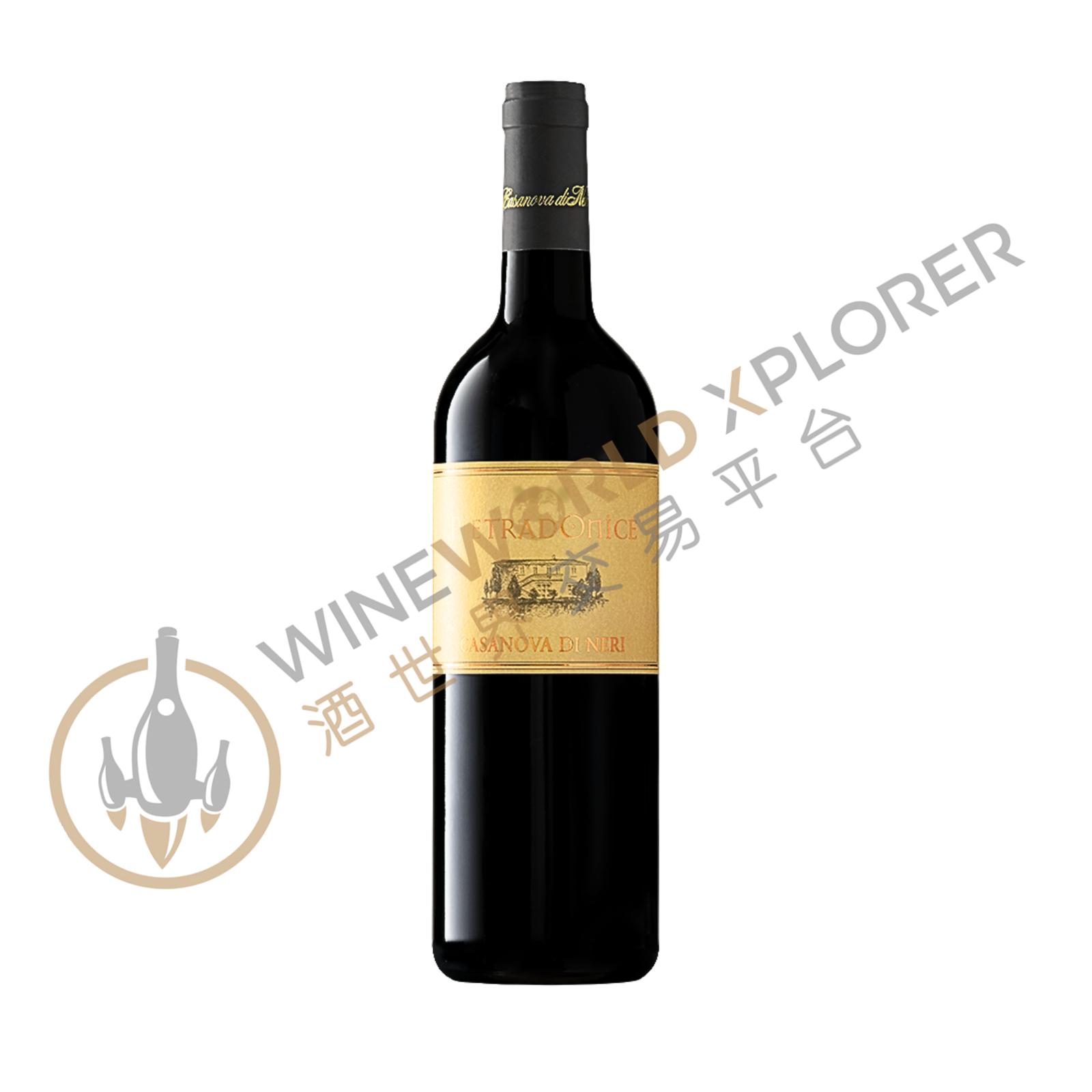
Casanova di Neri, Pietradonice Toscana IGT 2007
 View analysis


Description
Tasting notes

Reviewed by: Antonio Galloni
The estate’s 2007 Pietradonice is surprisingly forward and fruity in this vintage. There isn’t a whole lot of varietal character, but attractive suggestions of strawberries and flowers framed by soft tannins follow through to the round, sensual finish. The 2007 Pietradonice should be ready to drink upon release. Anticipated maturity: 2010-2022. Proprietor Giacomo Neri makes some of the richest, most textured Brunellos readers will come across. The house style favors a lush expression of fruit with a softness that makes the wines very appealing upon release. In recent years the wines have become more elegant, with less of the excessive heaviness that characterized prior vintages. Based on what I tasted from barrel, future vintages hold quite a bit of promise as well. This year, readers – especially those on a budget (who isn’t on a budget these days?) should focus on the 2005 Brunello di Montalcino (sometimes also known as the ‘white label’), which is an overachiever because it includes fruit from the Cerretalto vineyard, the source of the estate’s top wine, which was not bottled in 2005. Importer: Dalla Terra, Napa, CA; tel. (707) 259-5405
About the Producer
Casanova di Neri is founded by Giovanni Neri, a 48-year-old grain merchant from the town of Montevarchi in the Arno valley south of Florence. Passionate about wine, Neri had long dreamed of making a great Italian red, and although the long-established wine zone of Chianti Classico was just on his doorstep, it was remote Montalcino and its austere Sangiovese wines that fascinated him. Brunello di Montalcino had achieved DOC (controlled origin) status just four years previously, and there were still only around thirty producers in the whole area, compared to more than 250 today. One rural property on the market had caught Neri’s attention during his frequent forays to Montalcino: Podere Casanova, a working farm of around 200 hectares on the eastern side of town. Wine represented only a small part of the farm’s production at the time, and what was made was sold in bulk, but Neri recognized that thanks to its altitude, aspect and soil composition, the place had the potential to make great Brunellos. In May 1971, he bought Podere Casanova, changed its name to Casanova di Neri, and in consultation with some of Tuscany’s leading winemakers, immediately began work to restore the estate’s existing Sangiovese vines and plant new ones.
