
 Wine Advisor



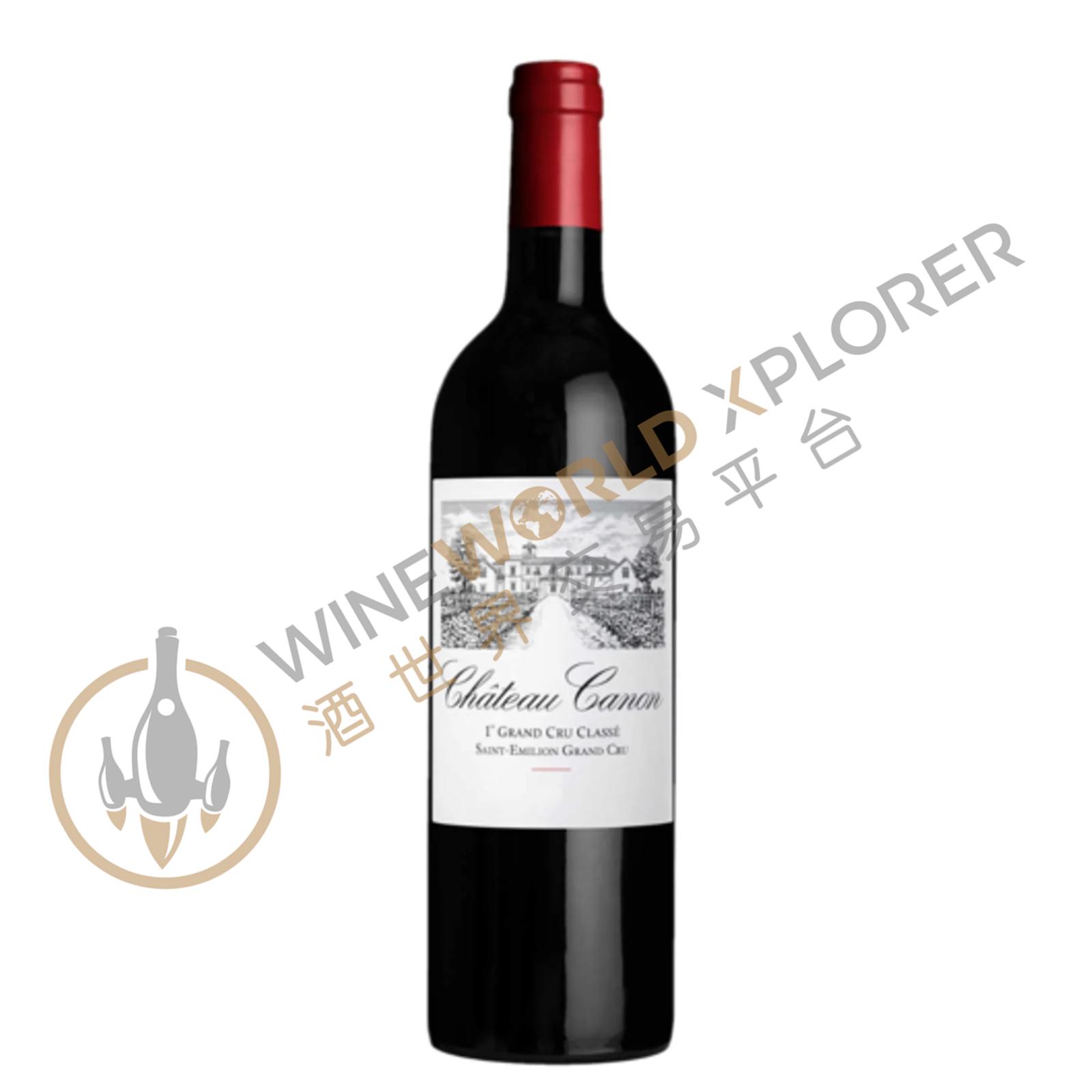
Canon 2001
 View analysis


Description
Tasting notes

Reviewed by: Neal Martin
A ripe, blackberry leaf, cherry sorbet and mocha-tinged nose that lacks a little definition and suffers just a little volatility. The palate is a little better with some sour cherry, mocha and redcurrant although it lacks some cohesion but a nice grainy, slightly dry finish that has a touch of greenness and astringency that knock off a couple of points. Tasted October 2007.
Reviewed by: Robert M. Parker, Jr.
A closed, firm, mineral-laden effort, this medium-bodied, concentrated, backward St.-Emilion possesses a dense ruby/purple color as well as a sweet nose of black fruits and liquified stone aromas. It has excellent texture and considerable persistence. This may ultimately turn out to be as good as the 2000. Anticipated maturity: 2008-2020.
Reviewed by: Neal Martin
A deep garnet hue. A broody nose at first, the Cabernet Franc quite pronounced with blackberry leaf, a touch of forest floor and a hint of mocha. Perhaps a little rustic? But certainly well defined and fresh. The medium-bodied palate displays natural balance, good acidity, moderate weight but lots of freshness and vivacity. Again, the Cabernet Franc seems to dominate proceedings at the moment and my hunch is that it could be a longer lasting wine that I once thought. Dry, perhaps a little astringent on the finish but it leave the palate salivating for more. Drink 2012-2020. Tasted September 2008.
Reviewed by: Robert M. Parker, Jr.
A distinctive, structured, mineral-infused, medium-bodied effort, the 2001 Canon exhibits notes of damp earth, sweet cherries, and spice, a firm structure, and very good purity. This is clearly an estate on the rebound. Anticipated maturity: 2005-2014.
Reviewed by: Neal Martin
Then in November 2005 at the MW horizontal. None of that "cheesy" scent on the nose, but still a little disjointed with blackberry leaf and a little soy. Builds nicely in the glass. The palate is well-knit with abundant toasty fruit and fine acidity. Well-poised, a dash of black pepper towards the finish that is marred by a touch of astringency. Personally I much prefer the Canon 2000. Tasted November 2005.
Reviewed by: Robert M. Parker, Jr.
This medium-bodied, backward St.-Emilion is a closed, firm, austere, mineral-laden effort. It possesses a dense ruby/purple color as well as a sweet nose of black fruits and liquified stone aromas. Anticipated maturity: 2008-2016.
Reviewed by: Neal Martin
Tasted at the Château Canon vertical, the 2001 Canon is a good if not great contribution to the vintage, though within the context of great Right Bank wines, I am convinced that it should be better. It has a nicely defined nose that rather lacks some elegance and complexity: red pastilles, a touch of cherry liqueur and balsamic. The palate is medium-bodied with grainy tannin, quite mature for a 2001, leathery and a little loose knit with an attenuated, soy-tinged finish. This is just so-so. A second bottle is poured and granted, it is better. But it still does not match the bar set by what was a great Right Bank vintage. It just seems rather conservative, unwilling to make the effort to create a great Canon à la 2005, 2009 or 2010. Tasted October 2015.
About the Producer
Château Canon is a Premier Grand Cru Classé château in Saint-Émilion, Bordeaux. It owns pockets of vineyards close to Saint-Émilion town, with a large core parcel right on the very edge. This parcel is almost completely walled in and is traditionally hand-harvested and ploughed by horses. It is planted entirely with Merlot. This is regularly used in the Château Canon grand vin, along with a smaller proportion of Cabernet Franc from the estate's various other vineyards. More than 60 percent of Canon's vineyards are planted to Merlot. Most of the rest is Cabernet Franc, although a small portion of Cabernet Sauvignon survived the cull in the late '90s. The grapes are blended carefully to get the most from each: Merlot brings smoothness, finesse and intense fruit aromas; while Cabernet Franc brings structure and extra ability to age. The Château also makes the Croix Canon wine from an 11-hectare (27-acre) vineyard that borders the Canon estate. Buyers should be aware of the high number of wines from the Right Bank whose names include the word "Canon". This includes two distinct wines named Château Canon from Canon-Fronsac, one of which has a very similar label to this more famous wine.
1980(1)1985(1)1989(1)1994(1)1997(1)2000(2)
Package Size
