
 Wine Advisor



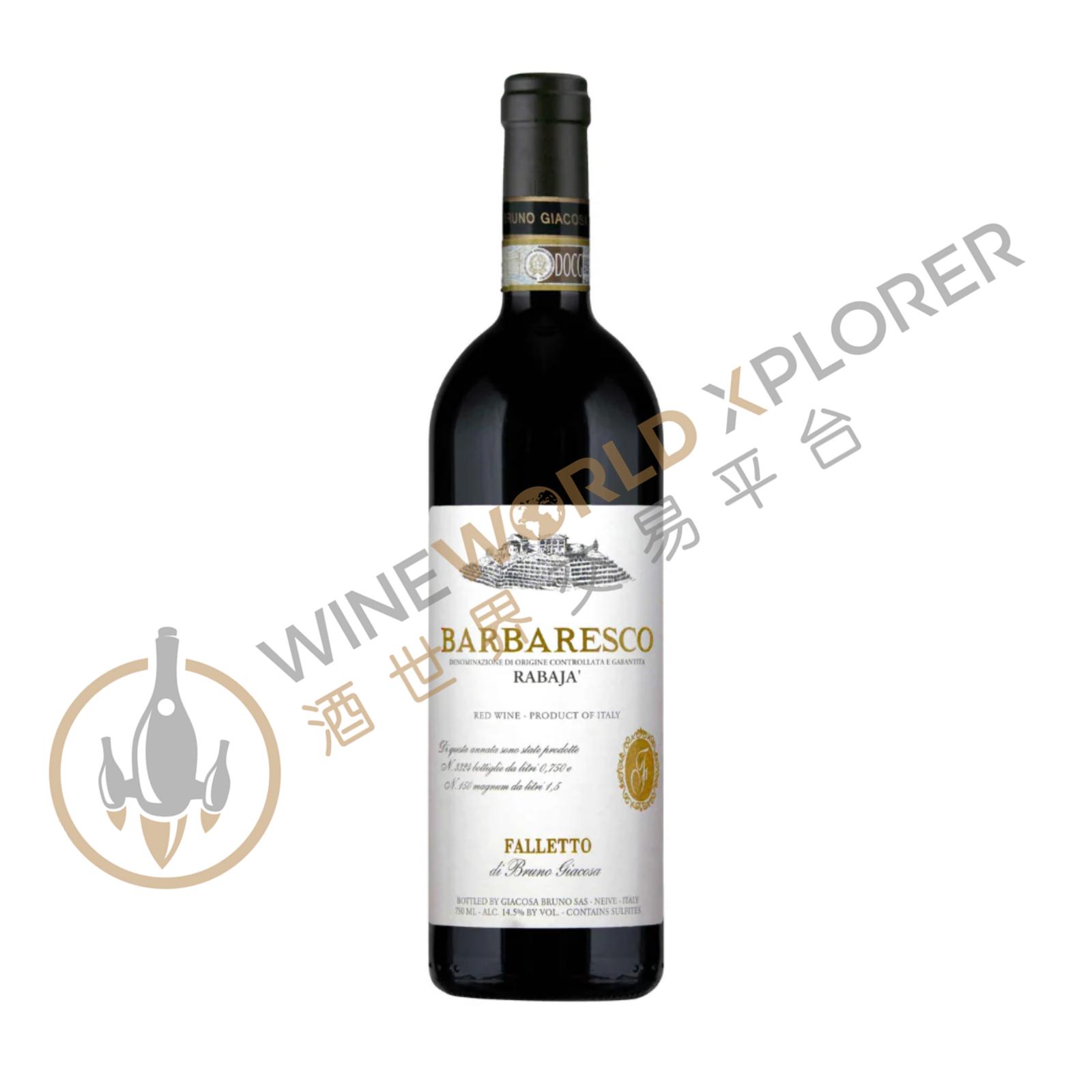
Bruno Giacosa, Barbaresco Rabaja 2013
 View analysis


Description
Tasting notes

Reviewed by: Monica Larner
This is the exciting new wine being presented by the Bruno Giacosa estate this year. The 2013 Barbaresco Rabajà comes from a half-hectare parcel purchased by Bruna Giacosa (Bruno's daughter) in 2013. Past incarnations of this wine were made with fruit that has now become part of the Asili cru under the revised map of vineyard crus. In other words, the name of the wine is technically the same, but the grapes used to make it are sourced from a different place starting with this vintage. This is a darkly enriched expression with ample power and muscle. The bouquet pours forth a beautiful array of dark fruit aromas with spice, smoke, laurel leaf and balsam herb. There's even a touch of aged cheddar or pecorino cheese that adds a spicy or piquant touch to the finish.
Reviewed by: Antonio Galloni
The 2013 Barbaresco Rabajà is terrific. Vibrant in color, aromatics and fruit, the 2013 exudes class from start to finish. The dark cherry, plum, lavender and spice flavors are beautifully delineated throughout in a sculpted, chiseled Barbaresco loaded with personality. The 2013 does not quite have the depth or pedigree of the very finest Giacosa Barbarescos, nor does it reach the level of the 2001 (Riserva), 2004 or 2005, but it is nevertheless very fine. More importantly, the 2013 suggests Giacosa is on the road to making at least sound and competent wines. It remains to be seen if Giacosa can climb the ladder and join Piedmont's elite producers again. Regardless, I was absolutely thrilled to taste the 2013 Rabajà, which is also the first Barbaresco Giacosa has made from a newly acquired parcel that previously belonged to Lorenzo Alutto's Ca' du Rabajà.
Reviewed by: Antonio Galloni
The 2013 Barbaresco Rabajà is terrific. Vibrant in color, aromatics and fruit, the 2013 exudes class from start to finish. The dark cherry, plum, lavender and spice flavors are beautifully delineated throughout in a sculpted, chiseled Barbaresco loaded with personality. The 2013 does not quite have the depth or pedigree of the very finest Giacosa Barbarescos, nor does it reach the level of the 2001 (Riserva), 2004 or 2005, but it is nevertheless very fine. More importantly, the 2013 suggests Giacosa is on the road to making at least sound and competent wines. It remains to be seen if Giacosa can climb the ladder and join Piedmont's elite producers again. Regardless, I was absolutely thrilled to taste the 2013 Rabajà, which is also the first Barbaresco Giacosa has made from a newly acquired parcel that previously belonged to Lorenzo Alutto's Ca' du Rabajà.
About the Producer
Bruno Giacosa, located in the south and south-west of Piemonte, has been performing well for three generations, thanks to the careful selection of high quality grapes and the emphasis on traditional winemaking techniques. The vineyard covers 44.7 acres (18 hectares) and is planted with Nebbiolo d'Alba, Barbera and Dolcetto varieties. The average age of the vines is 15 years and the planting density is between 4,500 and 5,000 vines per hectare, with an average yield of 4,800 litres per hectare. In terms of winemaking, the owner has a classic quote: "For us, the philosophy of traditionalism means making wines that are not only strongly local to the vine and the grape variety, but also maintain the various local terroirs. We have always made single-variety wines. Our winemaking techniques have been improved and we also make use of gentle pressing, crushing operations, advanced rotary systems and optimised cold and hot treatment techniques." For Garcosa, technology and tradition are not necessarily at odds with each other. In the winemaking process, the grapes are first fermented in steel containers and then transferred to wooden containers for ageing, which varies slightly depending on the type of wine. Finally, the wine is bottled without filtering. The main wines produced by the winery are the Barbaresco Garina, the Barbaresco Santo Stefano, the Barbaresco Asili, the Barbaresco Wabasha and the Barbaresco Asili. Barbaresco Rabaja, Barolo Falletto and Barolo Le Rocche del Falletto. Some of the more recent vintages are 2001, 2000, 1998, 1997, 1996, 1990, 1989, 1982 and 1978. These vintages are often relatively closed and uninteresting when first bottled, but after 10 years in the cellar, they all show an irresistible magic.
