
 Wine Advisor



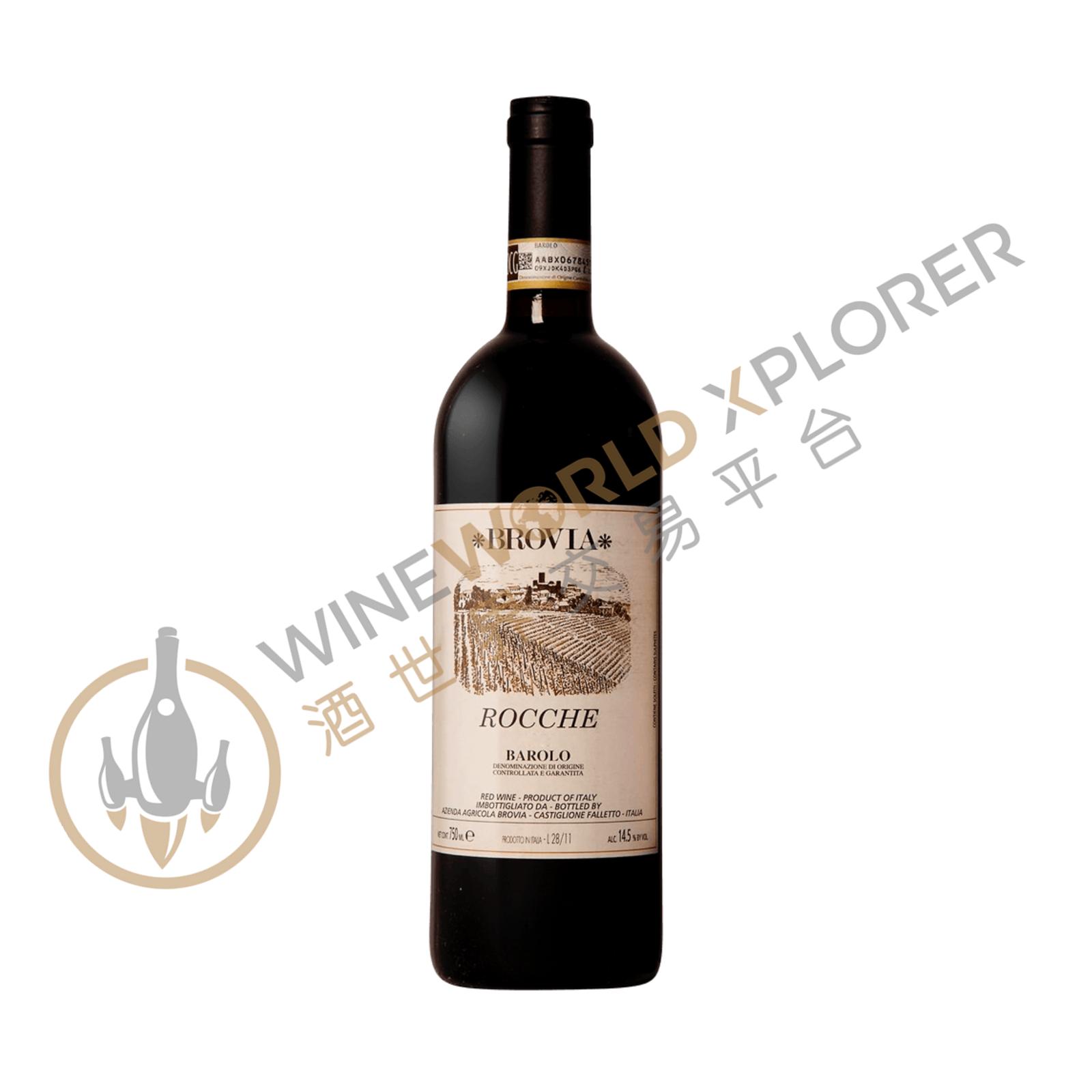
Brovia, Barolo Rocche 2008
 View analysis


Description
Brovia, Barolo, Rocche Brovia, Piedmont, Italy, Still, Red, 2010
Tasting notes

Reviewed by: Antonio Galloni
An open, floral nose announces the 2008 Barolo Rocche. This is a surprisingly steely, intense Rocche with little of the early appeal this wine usually offers. Instead, readers will find a structured, inward Barolo that should develop handsomely for at least two decades. A hint of feminine, Rocche sensuality emerges on the finish, but readers are best served cellaring this beauty for at least a handful of years. Anticipated maturity: 2018-2028. I can’t say enough good things about the Brovia family and what they have accomplished over the years, but especially over the last decade or so, which has seen them jump into the upper echelon of Barolo producers. The 2008s had just been bottled when I tasted them in November 2011. Now that the wines have been in bottle a little longer, it is clear they are fulfilling all of their early promise. Importer: Rosenthal Wine Merchants, Pine Plains, NY; tel. (800) 910-1990
Reviewed by: Antonio Galloni
An open, floral nose announces the 2008 Barolo Rocche. This is a surprisingly steely, intense Rocche with little of the early appeal this wine usually offers. Instead, readers will find a structured, inward Barolo that should develop handsomely for at least two decades. A hint of feminine, Rocche sensuality emerges on the finish, but readers are best served cellaring this beauty for at least a handful of years.
About the Producer
Brovia was founded in 1863 and remains to this day a small, family owned and run winery. Broiva has one of the most impressive vineyards collection in the entire Barolo: 19 hectares of vineyards in Castiglione Falletto and Serralunga d'Alba which read like a list of the greatest vineyards in Barolo: Garbèt Suѐ, Rocche, Villero in Castiglione Falletto, and Brea in Serralunga d’Alba. Brovia’s production is tiny, around 60,000 bottles of wines per annum (half of it are Barolo). Yields in the vineyard and also in the winemaking are kept very low to produce the best wines. Brovia practices organic farming, uses natural yeast fermentation, maceration time is around 20-25 days. The wines are aged in the most traditionist method: in 3,000 liters botti (big barrels) until it is ready for bottling unfiltered.
