 Wine Advisor




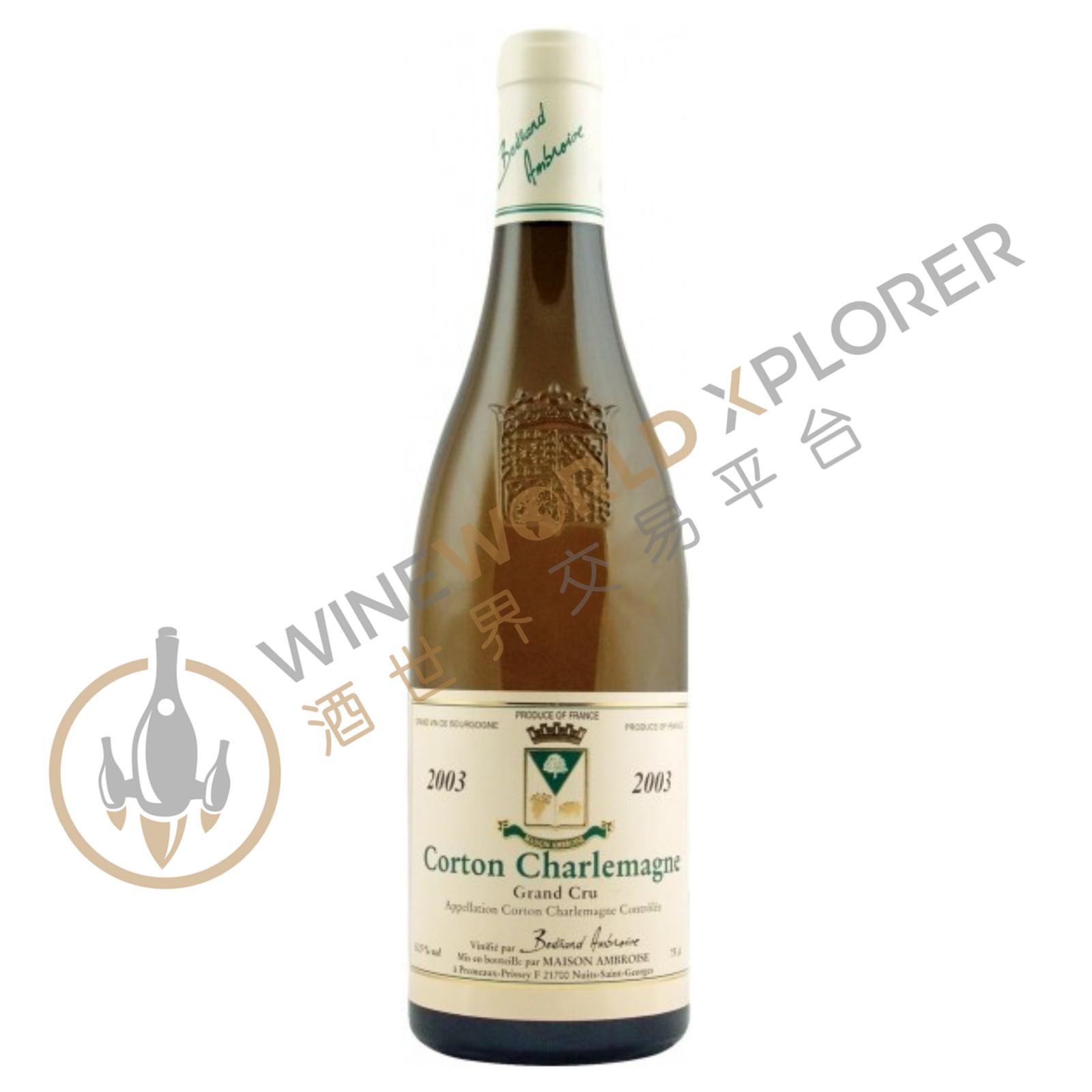
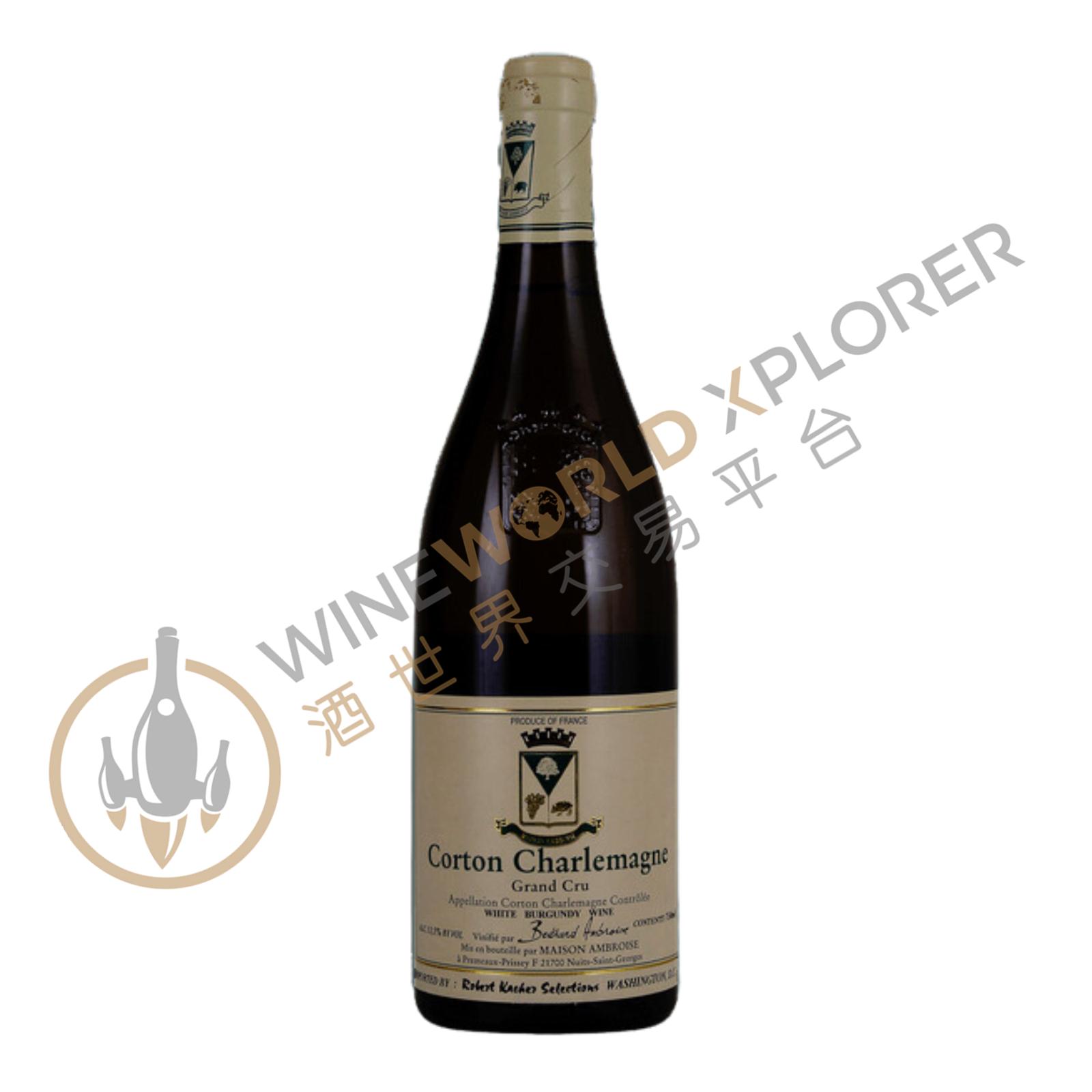
Bertrand Ambroise, Corton Charlemagne Grand Cru 2011
 View analysis


Description
Tasting notes

Reviewed by: Neal Martin
The 2011 Corton-Charlemagne Grand Cru has a relatively deep straw color. The nose is well-defined. It demonstrates a lot of oak at the moment, though there appears to be sufficient fruit to absorb it given three or four years in bottle. The palate is medium-bodied with a keen line of acidity. Again, the new oak is playing a key role here and tends to smother the terroir and personality of Corton-Charlemagne. That said, it remains a pleasurable white Burgundy with respectable delineation on the finish, though it would benefit from more persistency. Drink 2015+. I have regularly tasted the wines from Maison Ambroise since I commenced the raft of Burgundy tastings in London. Bertrand Ambroise took over the running of the ancient Primeaux-Prissey- based negociant in 1987, and whenever I have met him, he seems to be a conscientious vigneron that cares deeply for his wine. The tenets here are all admirable: organic viticulture, handpicked fruit, rigorous sorting, minimal use of sulphur and so forth. But – and it is a big “but” – I have consistently found the wines to be smothered in superfluous new oak and at a time when many growers are generally reconsidering, and in many cases retreating from, its usage. Tasting through their 2011s seemed to say more about the cooperage than the individuality of the terroirs. Here, 100% new oak is used for both the premier and grand cru wines and it rendered them uniform and even a little passe. There is clearly high quality fruit here and there is also a keen focus upon creating the best wines possible. However, I have always felt that if Ambroise could dial down that new oak (not eradicate it completely) to a level commensurate with the fruit concentration in each cuvee, they would reveal far more personality. Still, there are some good wines to be found such as the Nuits-Saint-Georges Les Vaucrains and a respectable Corton-Rognets. Importer: Robert Kacher Selections, Washington, DC; tel. (202) 832-9083
About the Producer
Located in Nuits-Saint-Georges, a sub-appellation of the Cote de Nuits appellation in Burgundy, France, Maison Ambroise is a historic boutique winery within the appellation. The history of Ambroise dates back to the 18th century when Bertrand Ambroise took over the family estate in 1987. Under Bertrand's leadership, Ambrose has undergone a transformation and has slowly begun to take off, and in 2013 it was certified by Ecocert, a French international certification body, for its commitment to organic farming. The vineyards of Ambroise cover an area of about 21 hectares and are planted with Pinot Noir and Chardonnay grapes. Ambroise has always been guided by a philosophy of respect for nature, respect for old vines, sustainability and the production of organic wines that reflect the terroir. In the cultivation of the grapes, Ambroise does not use any chemical substances to combat disease. The vines are planted in a natural way so that they are deeply rooted in the ground and resistant to the harsh climate. As for the winemaking process, Ambroise also follows the principle of "minimalism". Apart from the manual harvesting and selection of the grapes, there is minimal human intervention in the winemaking process to ensure the pure and natural flavour and structural integrity of the wines. Ambroise now offers a wide range of red and white wines, including the critically acclaimed Beaune 1er Cru Les Tuvilains and the Ambroise Echezeaux Grand Cru.