
 Wine Advisor




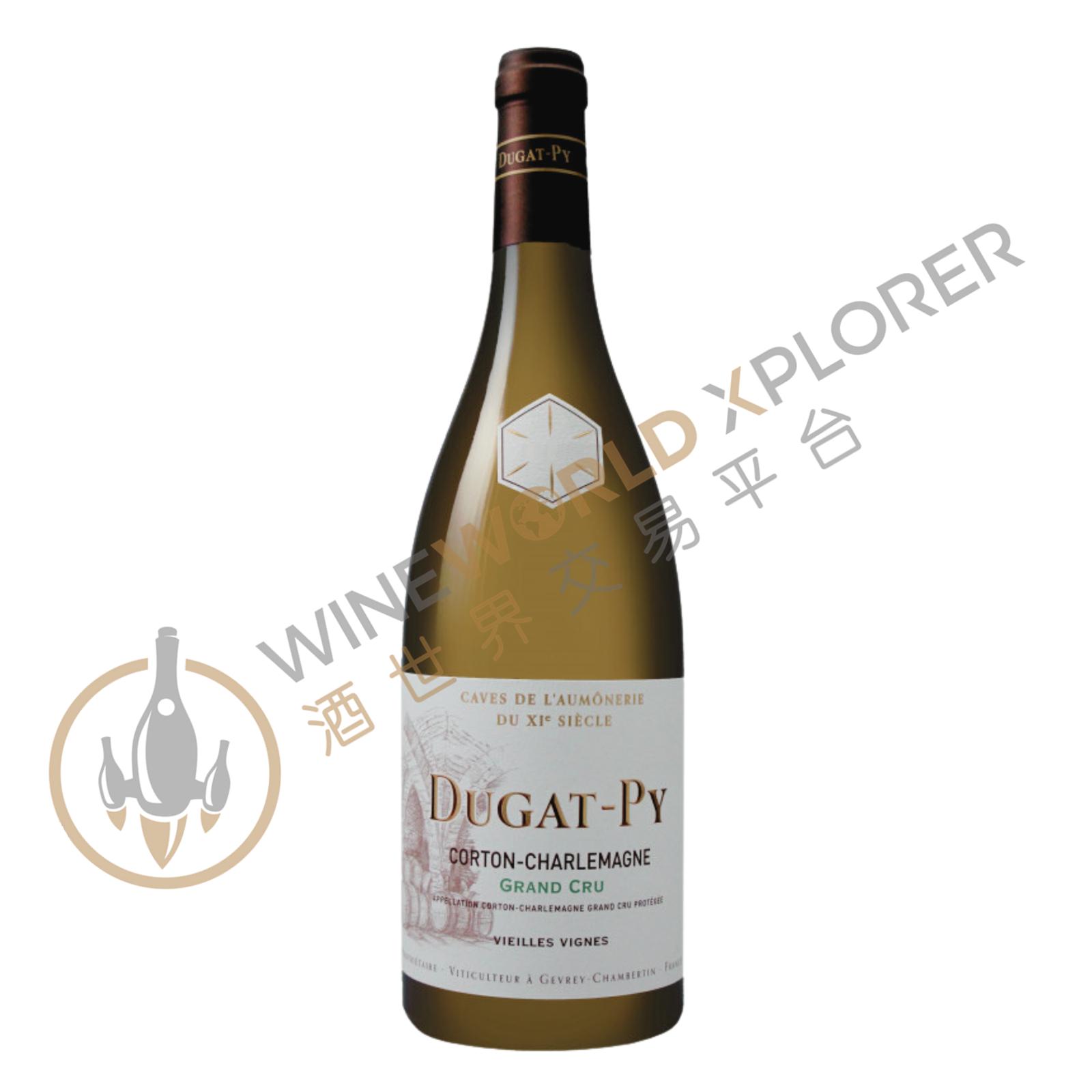
Bernard Dugat-Py, Corton Charlemagne Grand Cru Vieilles Vignes 2011


Description
Tasting notes

Reviewed by: William Kelley
The 2011 Corton-Charlemagne Grand Cru from Dugat-Py is superb, opening in the glass with a complex bouquet of preserved lemon, citrus pith, white peach, oatmeal and a subtle framing of smoky reduction. On the palate, the wine is full-bodied and multidimensional, with an elegantly glossy attack, lovely mid-palate amplitude and a pure, precise finish. This is a touch more open on the palate today than when I last tasted it two years ago, but it is evolving at a very leisurely pace and should develop beautifully for at least another decade. From vines planted in 1970 at mid-slope in the heart of En Charlemagne on the Pernand-Vergelesses side.
About the Producer
Domaine Dugat-Py is located in the Gevrey-Chambertin appellation and has been rated by Robert Parker as one of the best châteaux in Burgundy. The Dugat family, the founders of Château Dugat, have been making wine for generations and began growing grapes in Gevrey-Chambertin in the early 17th century. The current owner, Bernard Dugat-Py, is the twelfth generation of the family to have dedicated himself to using his unique knowledge of winemaking to work in the vineyards and offer wines in the spirit and style of his ancestors for over four centuries. Château Duga's philosophy in winemaking is to "minimise human intervention", to preserve the original quality of the grapes and to allow the wine to develop fully in the bottle. The majority of vintages in the vineyard are 100% destemmed, but there are exceptions (such as the 2002 vintage). After destemming, the grapes are fermented in concrete or wooden fermenters for 3-4 weeks. The percentage of new oak barrels is renewed depending on the year's production, with a minimum of 20%. After fermentation, the wine is usually aged in wooden barrels for 14-20 months, without clarification or filtration before bottling. The main wines produced by Château Duga include Chambertin, Charmes-Chambertin, Mazis-Chambertin and Gevrey-Chambertin wines. For almost 10 years, this 10-hectare estate has been releasing a succession of great wines, a testament to the Duggar family's constant quest for excellence. The wines produced here, like most Burgundy wines, are intense and full-bodied, none of which are meant to be enjoyed in a short period of time. Even in the lighter vintages, the wines still require 4-6 years of cellaring. In the case of fine wines, even 10-12 years of bottle ageing is required.