
 Wine Advisor



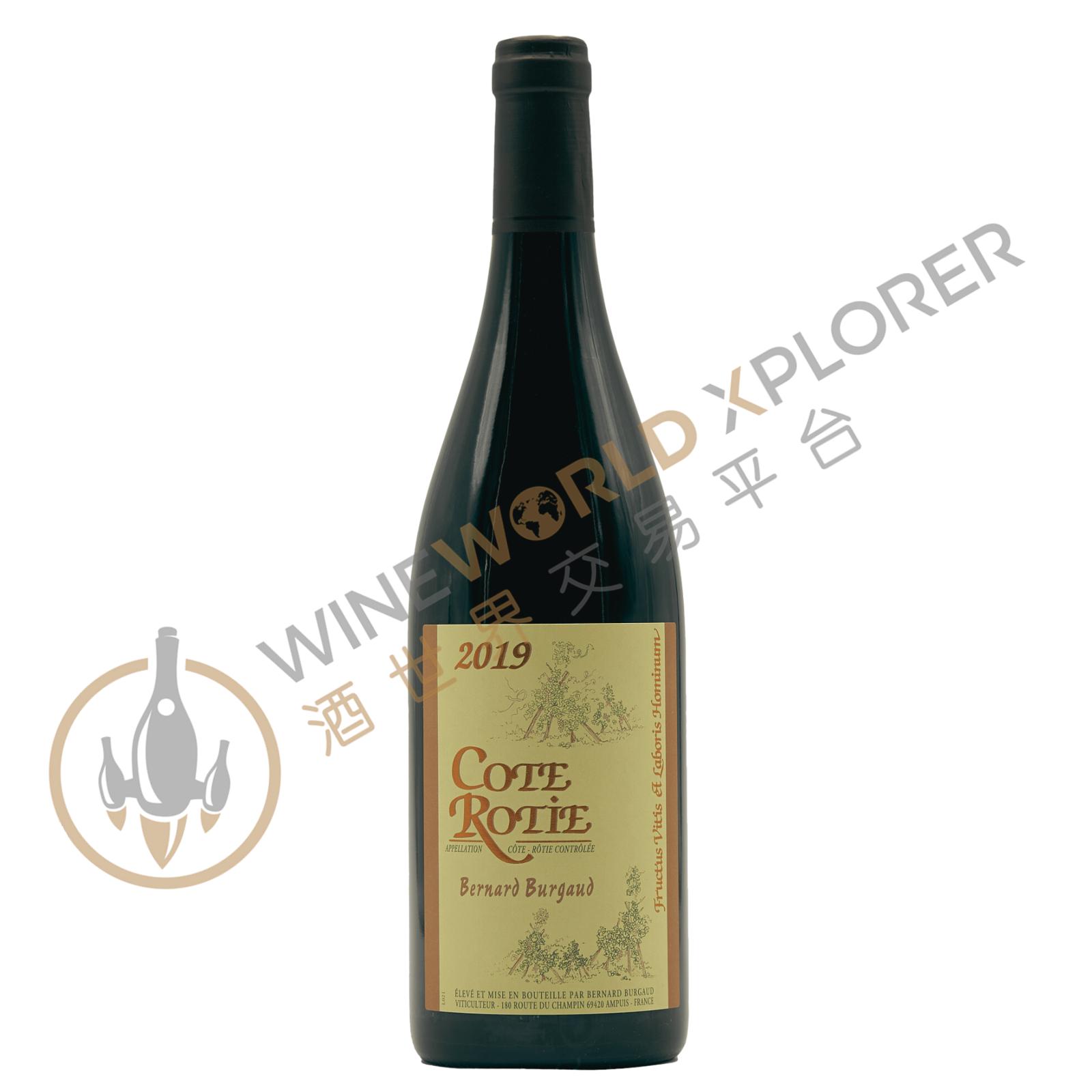
Bernard Burgaud, Cote Rotie 2002
 View analysis


Description
Tasting notes

Reviewed by: Stephen Tanzer
(bottled in December of 2003) Good medium ruby. Rustic, slightly high-toned aromas of leather, game, pepper and barnyard; could use more verve. Flavors similar to the aromas. Rather soft in the middle and a bit dry, with modest real intensity. Distinctly rustic wine, with a peppery quality running through it. The fruit came in between 10% and 10. 5%, according to Burgaud, and the finished wine is about 12% alcohol. "All the parameters were at the minimum," he summarized. The crop level of 40 hectoliters per hectare was exactly double that of 2003, says Burgaud.
About the Producer
Origins of The Estate The tradition of vine growing and winemaking started at the beginning of the 20th century and the wine became one of the farm’s products. The wine was made in two wooden tanks and two concrete tanks. The production was for family consumption and two barrels were sold to the bistros in the neighbourhood and the surrounding villages. The wine was Roger Burgaud passion, so he bought and re-planted beautiful plots of land in the prestigious wine region Côte-Rotie. In 1980, Bernard Burgaud turned the family farm into a winery. The « Domaine Burgaud » was born. During 1980-2000, Bernard took over the land and re-planted abandoned vineyards. He belongs to a generation of winemakers who represent the renaissance of the Côte Rôtie. In 2020, Bernard’s son Pierre takes over the estate. The Estate Located in Ampuis, the historical heart of the Côte Rôtie, the estate has 5 ha (12 ac) of vines on the following “lieux dits”. Bernard Burgaud produces only one wine, their Côte Rôtie, that comes from several lieux-dits, including Côte Blonde, Champin, Leyat, Fongeant, Les Moutonnes, and Brosse. The average age of the vines is 40 years. Bernard Burgaud have just one blend per vintage, and don’t produce “cuvée speciale” or “cuvée parcelaire”. Bernard Burgaud is one of the more understated producers of the Côte-Rôtie appellation, making just one wine from 100% Syrah. Vinification Côte-Rôtie is the northernmost area where Syrah comes to maturity. In the north of Lyon, the grape doesn’t ripe fully. To have rich and concentrated wines that age well, they have to be extra careful. The choice of a variety of Syrah, yield control, quality of grapes, harvest date, etc. is very important. They harvest each parcel at its best, usually during September and October. Winemaking: they do total destemming to avoid dry tannins. They are undesirable in young wine and they do not bring anything interesting during aging. they use only their wild yeast because they are the part of the terroir / the appellation. Aging The wine ages in oak barrels of 228 liters. they renew 20% of barrels each year. More than 20% of the new oak (flavor) would bring too much wooden flavor and it would erase the terroir and the vintage.
