
 Wine Advisor



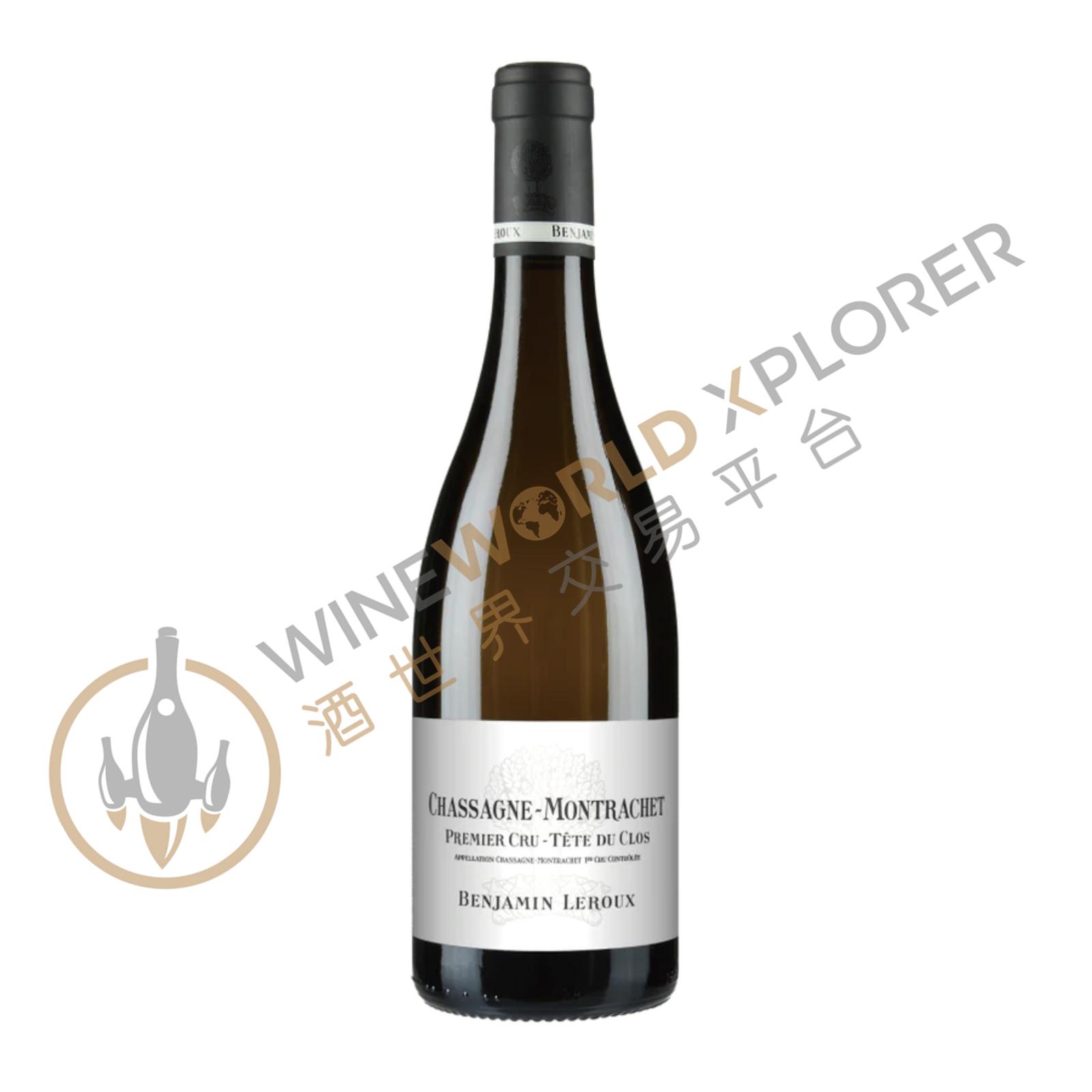
Benjamin Leroux, Chassagne Montrachet 1er Cru Tete du Clos Blanc 2017
 View analysis


Description
Tasting notes

Reviewed by: Neal Martin
The 2017 Chassagne-Montrachet Tête du Clos 1er Cru is showing a lot of reduction on the nose and it is difficult to see through the terroir. There’s a touch of struck match here. Likewise, the palate is reduced and sultry, but there is balance and fruit concentration. This is one of those wines that could burst open after several years. If you have a bottle, don’t think about touching it. Tasted blind at the annual Burgfest tasting in Savigny-lès-Beaune.
Reviewed by: Stephen Tanzer
Spicy nose is going through a slightly oxidative phase (this wine is lower in total sulfur today than the Abbaye de Morgeot and Les Baudines). Very rich and pliant but salty and hard to assess today, with its peachy yellow fruits in the background. This densely packed, nutty wine finishes with terrific grip, excellent length and a powerful impression of dry extract. These vines are 50 to 60 years of age and struggling, Leroux told me. There's barely 20 centimeters of topsoil here and the vines don't look healthy but they produce very concentrated grapes, added Leroux, who refers to this wine as his baby grand cru. (13% alcohol)
About the Producer
Located in the Cote de Beaune region of Burgundy, France, Maison Benjamin Leroux is a small boutique winery in the region. Established in 2007, Benjamin Leroux is a very young winery, but the owner, Benjamin Leroux, has a lot to live up to. Benjamin does not come from a family of winemakers, but from his childhood he set out to become a winemaker. He entered the Lycee Viticole de Beaune at the age of 13, went on to obtain a degree in oenology at the University of Dijon and was head winemaker at Domaine Comte Armand from the age of 26. With a thorough and comprehensive knowledge of the terroir of the vineyards of the Côte de Bern and a strong sense of innovation in winemaking, Benjamin has been hailed by the renowned wine critic Allen Meadows not only as one of the most talented and gifted winemakers in the region, but also as the most likely successor to Henri Jayer, the master winemaker of Burgundy. The number of vineyards owned by Château Benjamin Le Hu is small and most of the grapes used to make the wine are purchased from other vineyards. Benjamin's aim is to produce wines of comparable quality to those of the great estates without owning a large number of vineyards, and to this end he sets high standards for the vintners he works with, most of whom he has known for many years, who practice organic or biodynamic farming, and who grow grapes of consistently high quality. Benjamin also often pays these growers on the basis of acreage rather than yield, giving him absolute control over ripeness, yields and harvest dates. Benjamin also has a knack for discovering lesser-known vineyards with very distinctive terroirs, each of which he treats as a Grand Cru, giving them the same attention and effort as a Grand Cru. At present, Benjamin Le Hu has over 40 wines released. The estate produces around 60,000 bottles a year, of which two, Auxey-Duresses Blanc and Savigny-les-Beaune, alone account for a third, with the majority of the rest being produced in quantities of only 600-1,500 bottles. The wines produced by the estate are well balanced and expressive, and are favoured by critics and consumers alike.
