
 Wine Advisor



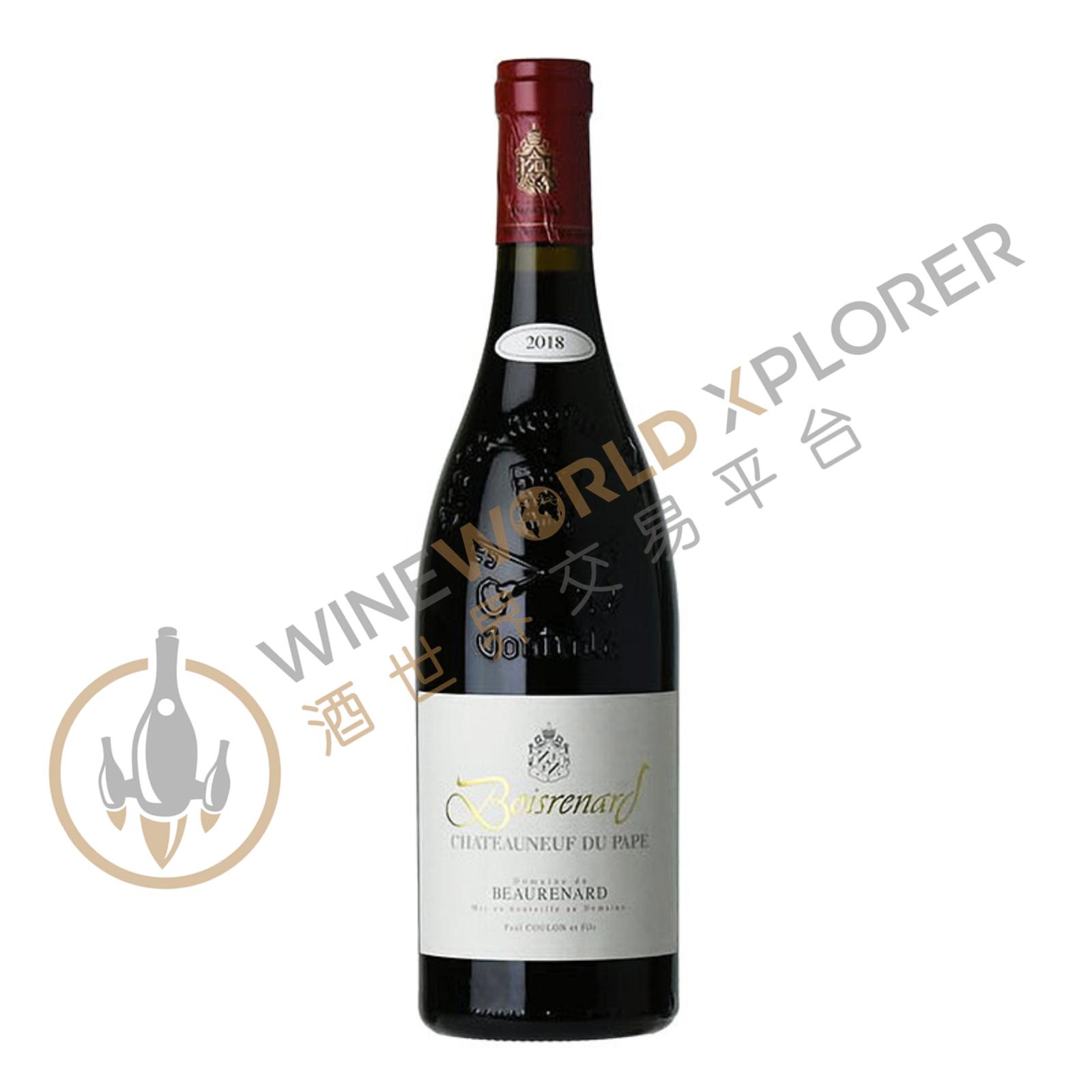
Beaurenard, Chateauneuf du Pape Cuvee Boisrenard 2005
 View analysis


Description
Tasting notes

Reviewed by: Jeb Dunnuck
While I have some concerns with the tannin in the classic cuvee, I’ve no such reservations with the 2005 Châteauneuf du Pape Cuvee Boisrenard and it’s a gorgeous wine that’s still young and vibrant. Cassis, licorice, sweet oak, menthol and spice and all emerge here, and it’s full-bodied, big-boned and structured, with a balancing amount of fruit and texture. Give this beauty another year or three and enjoy bottles through 2030.
Reviewed by: Robert M. Parker, Jr.
The brilliant modern school of winemaking is well-represented by the inky purple-colored 2005 Chateauneuf du Pape Boisrenard. With well-integrated oak and pure creme de cassis notes intermixed with licorice, truffle, espresso roast, and chocolate, the wine is dense, pure, rich, complex, and capable of lasting two decades It is another stunning wine and has the potential to be the best Boisrenard since the 2001 or 1998. Anticipated maturity: 2011-2025. Domaine de Beaurenard is a consistent estate that has been making top-notch wines for as long as I have been writing about wine, which is now 28+ years. In fact, the 1929 tasted a year ago still had some life left in it. In any event, the Coulon family, who have been major estate bottlers not only in Chateauneuf du Pape but also in Rasteau, have an almost unmatched record of quality and were one of the first to begin making a more progressive style of Chateauneuf du Pape – purer, cleaner, with more fruit, without sacrificing Provencal typicity. Importer: New Castle Imports, Myrtle Beach, SC; tel. (843) 448-9463
Reviewed by: Robert M. Parker, Jr.
Dense dark ruby/purple with a nose of pain grille, melted licorice, espresso, chocolate, blackberry and cherry, the modern-styled 2005 Chateauneuf du Pape Boisrenard has little evidence of spicy oak but is deep in color, structured, masculine, with less flesh than some of the previous top vintages such as 1998, 2000, and 2001, but with plenty of power, concentration, and intensity. This is certainly one of the best Boisrenards since the 2001, and needs a good 4-5 years of bottle age. It should keep for at least two-plus decades. One of the great families of Chateauneuf du Pape, the Coulons, have been estate bottling for nearly 100 years, and have an impressive, nearly unmatched record of quality. Moreover, one needs to keep an eye out for their best value wine, the Rasteau cuvees they produce. Importer: New Castle Imports, Myrtle Beach, SC; tel. (843) 448-9463
About the Producer
In the 14th century, during their stays in Avignon, the popes – and especially Pope John XXII – built a papal castle in Châteauneuf-du-Pape. Impressed by the area's exceptional soils, they established vineyards on the slopes surrounding the château and were instrumental in promoting the local wine's reputation around the world. Domaine de Beaurenard in Châteauneuf-du-Pape has been a family-run estate for seven generations. The Coulon brothers, Daniel and Frédéric, have taken over from Paul and Régine and are striving to sustain tradition. Terroir The terroir of Châteauneuf-du-Pape is unique: here the large sun-warmed stones diffuse a gentle, providential heat that helps the grapes to mature and their juice to concentrate. The Domaine is home to the " Symphony of 13 varieties" typical of this AOC, which provide aromatic complexity, strength, and balance. For the red wines, four varieties dominate : Grenache, Syrah, Mourvèdre and Cinsault, supplemented by Counoise, Muscardin, Terret Noir and Vaccarèse. The whites are made from white-grape vines : Clairette, Roussane, Bourboulenc, Grenache Blanc, Picardan and Picpoul. The vines are 45 years old on average, and their yield in Châteauneuf varies from 15-35hl/ha. The Rasteau vines are planted in clay-chalk soil with a blue-clay subsoil, on fully south-facing slopes and terraces. All of Domaine de Beaurenard's vines (60ha) are cultivated organically (Ecocert certified) and even biodynamically (Demeter certified), without synthetic chemicals. Vinification & Ageing Faithful to the old adage, “To make good wine, you need good grapes”, here at Domaine de Beaurenard they harvest entirely by hand – for all the wines we make. Each picker is given two buckets and, once the bunches are cut, separates the finest bunches from the damaged or immature grapes. The grapes, picked at optimal maturity, are taken to the vat room in small bins so that they are not squashed, which would cause oxidation and therefore affect quality. This stringent selection process improves the colour, smell, taste, and digestibility of our wine, and ensures that consistent quality is maintained despite the whims of nature. The traditionally lenghy fermentations (15-35 days), with native yeasts (no external inputs) and constant control of vinification temperature to preserve the natural aromas of the grapes and soil (lowers, fruit, minerals). The white wines are vinified at a lower temperature to preserve the natural aromas of the grapes and soil (flowers, fruit, minerals). A vat room for vinification in wood, consisting of small truncated oak barrels, now supplements Beaurenard's winemaking facilities. Fermentation in oak vats allows effective cap-punching, moderate oxygenation, and a softening and polymerisation of the tannins, to give the gives the wines a mellower and more rounded character.
