
 Wine Advisor



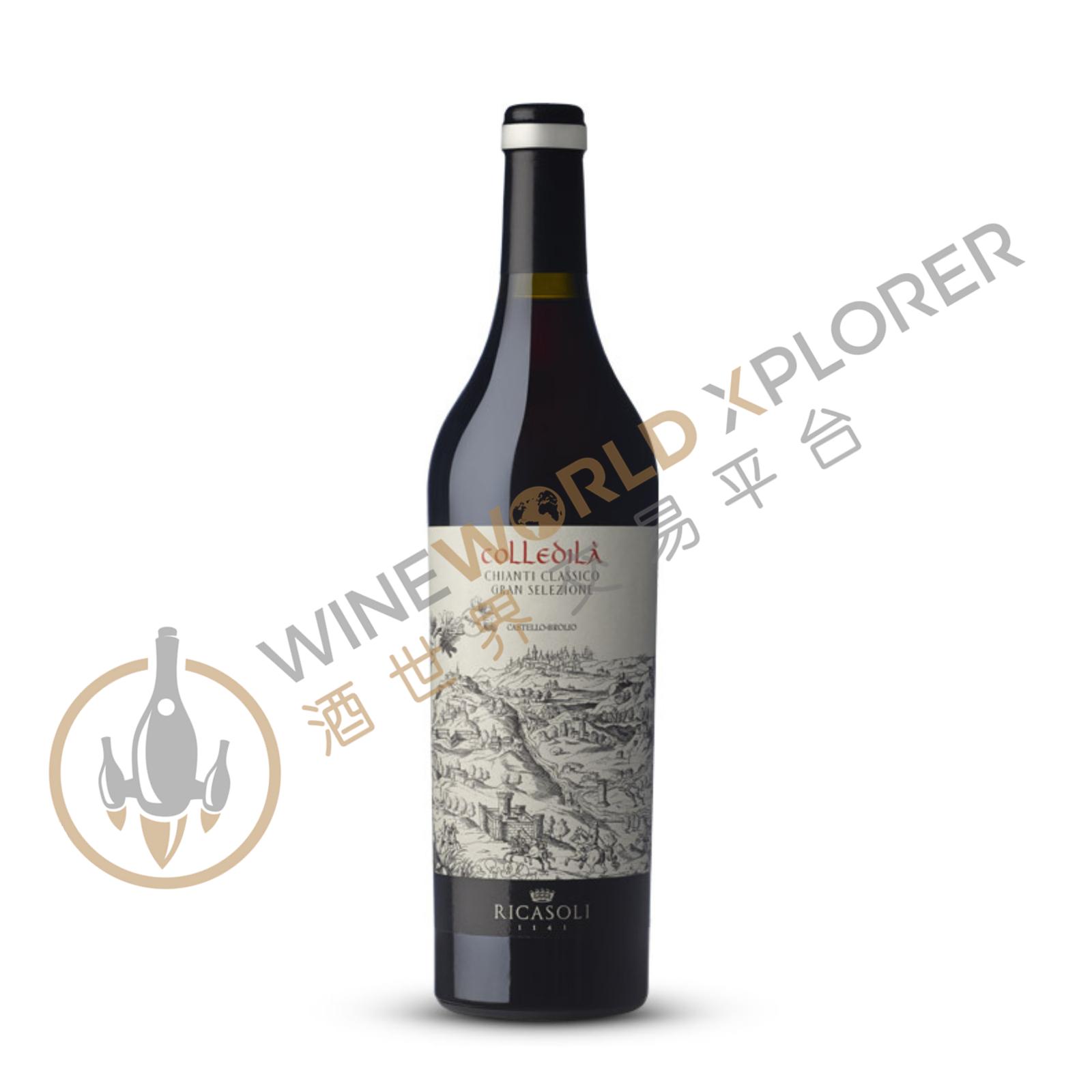
Barone Ricasoli, Colledila Chianti Classico Gran Selezione 2020
 View analysis


Description
Barone Ricasoli, Chianti Classico, Gran Selezione, Colledila, Tuscany, Red, 2018
Tasting notes

Reviewed by: Monica Larner
Of these releases from 2020, I feel that the Barone Ricasoli 2020 Chianti Classico Gran Selezione Colledilà is the most sensitive to the warm growing season. You sense more fruit ripeness in this wine with savory spice, leather and toasted espresso bean. There is plenty of plum and purple fruit that is framed by crushed stone and campfire ash. Although the bouquet is not quite as brilliant as the 2019 vintage, this expression from 2020 does indeed offer pretty, balanced freshness in terms of mouthfeel. The vineyards see limestone alberese soils, and the wine ages in 500-liter barrel for 22 months (with only 30% new oak). Production is 14,000 bottles.
Reviewed by: James Suckling
Very perfumed with hibiscus flower, citrus and fresh cherry aromas that follow through to a medium body with layers of fruit and very fine tannins that go on and on. Totally integrated. A joy to taste and drink but will improve beautifully in the bottle. All about harmony. Drink or hold.
About the Producer
Barone Ricasoli, located in the Chianti Classico region of Tuscany, is one of the oldest wineries in Italy. Château Ricasso covers 1,200 hectares, of which 240 hectares of vineyards are located on hillsides between 220 and 500 metres above sea level, mostly with a south or south-west orientation. The climate is Mediterranean, with concentrated rainfall in spring and autumn, mild winters with little snow and hot, dry summers. The main grape variety grown on the estate is Sangiovese, while other varieties include Merlot, Cabernet Sauvignon and Chardonnay. In order to better understand the unique characteristics of the terroir, the current owner, Francesco Ricasoli, has divided the vineyards into plots (crus) and carried out a systematic study of the soil types, identifying 19 different soil types and five main soil substrates: the first is sandstone, which has good drainage and is suitable for the production of The second is the Galestro soil, composed of schist, which produces wines with high tannin content and deep colour; the third is the Alberese limestone soil, which is rocky and poor and gives wines with excellent structure and soft tannins; the fourth soil type is composed of marine sediments and clay, which produces wines with freshness, fruitiness and elegance. The fifth group consists of chalky and clayey soils formed by the action of rivers and lakes, producing wines with complex aromas, full body and good persistence. In terms of vineyard management, the winery is committed to a sustainable development plan, which includes the non-use of chemical herbicides and pesticides, the choice of fertiliser and pest control systems stricter than those used in organic farming, extensive forest cover and the protection of biological activities, with the aim of maintaining the ecosystem and biodiversity. In terms of winemaking, the winery harvests each vineyard plot individually. After harvesting, the grapes are transported to the winery where they are sorted by plot and variety and placed in small stainless steel tanks for vinification. The maceration process uses gravity infusion techniques to extract the pigments, tannins and flavours from the skins of the grapes in a more gentle punching down process. At the end of fermentation, the wine is transferred to oak barrels of varying sizes for ageing. Each wine is aged for several months before being released for sale.
