
 Wine Advisor



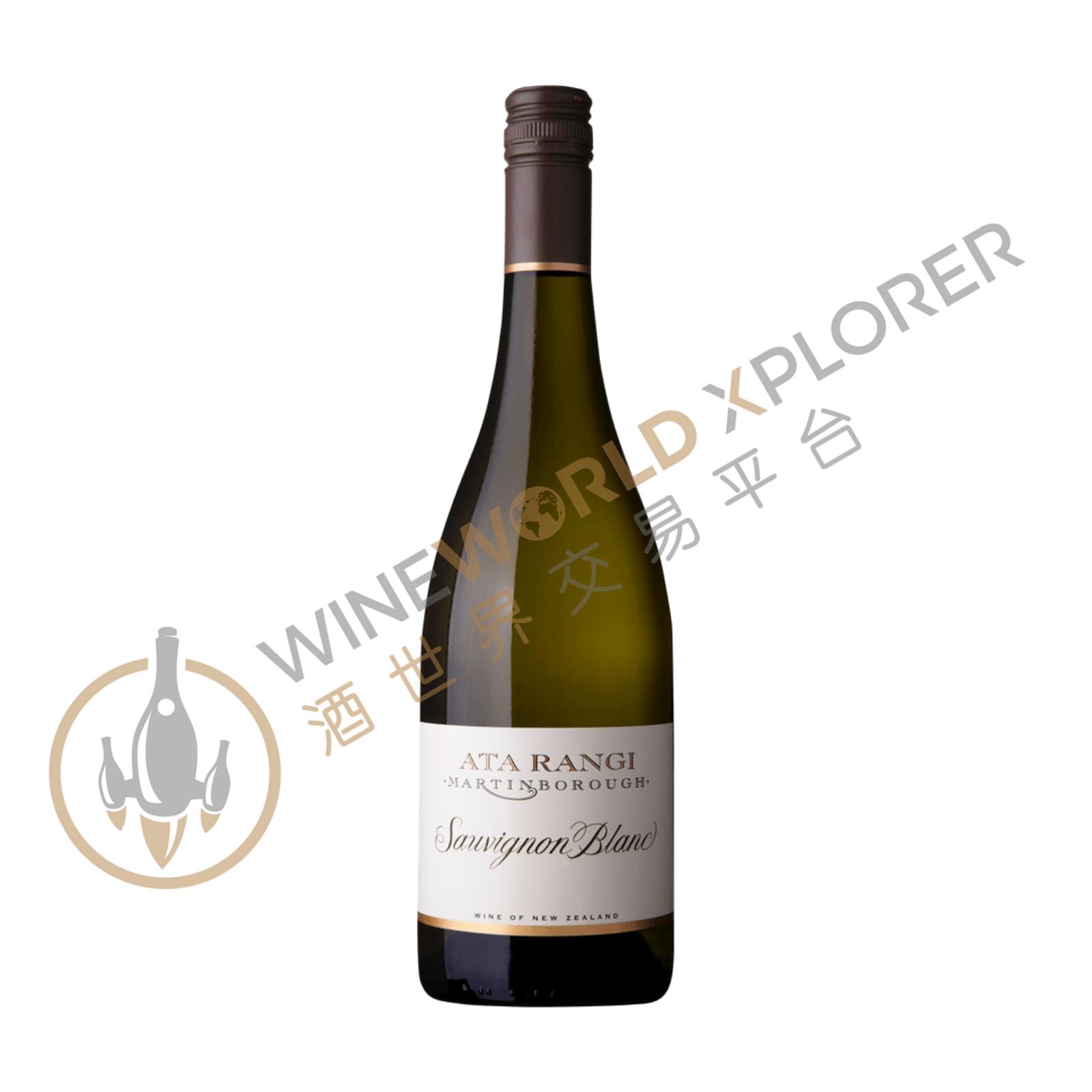
Ata Rangi, Raranga Sauvignon Blanc 2018
 View analysis


Description
Tasting notes

Reviewed by: Joe Czerwinski
The 2018 Raranga Sauvignon Blanc follows winemaker Helen Master's recent trend of incorporating a small portion of skin-contact fermentation for increased texture/phenolics and exotic aromas. It's a fine effort, offering up hints of red currants and pink grapefruit on the nose, ample weight and concentration on the creamy-textured palate and a long, tactile finish.
Reviewed by: Rebecca Gibb MW
This is Sauvignon Blanc made in a host of ways, hence the name Raranga, which means “woven” in Māori. There were parcels fermented in tank and in barrels, while a small proportion was fermented on skins, and a splash was whole-bunch fermented. After a couple of years, this is starting to shed its primary fruit and taking on characters of lanolin and oatmeal alongside citrus, pear and lemon tart. It has good depth and concentration and offers some interest texturally. The finish is clean and zesty although a little brief.
About the Producer
Ata Rangi, meaning "dawn sky" or "new beginning" is a small New Zealand winery with an enviable international reputation for PInot Noir. Located at the southern end of the North Island, it is owned and managed by a family trio - Clive Paton, wife Phyll and Clive's sister Ali. Clive planted the first vines on a small, stony sheep paddock at the edge of the Martinborough village in 1980 as one of a handful of people who pioneered winegrowing in the area. Ata Rangi Pinot Noir is undoubtedly the flagship wine, and in 2010 was honoured with the inaugural Tipuranga Teitei o Aotearoa or "Grand Cru of New Zealand". Soil health is our big focus. We're now certaified to fully organic status, after several years of transition. Weeds are now kept under control by a Berti Ecology under-vineweeder which means herbicides are a thing of the past. Insecticides have never been used in the 30+ years of vineyard management at Ata Rangi, instead favouring biological options such as predatory wasps for leaf roller caterpillar control. Large scale compost is made on site from winery 'waste' - grape stalks, skins, pips and yeast lees. Biodiversity, vital in maintaining balanced insect and bird populations, is encouraged with the use of mixed native shelter-belts and inter-row wildflower planting. Ata Rangi is one of only a handful of ISO 14001 certified wineries in the world. This management standard, achieved over 15 years ago, calls for continual commitment to improve on practises which impact on the environment. We measure water, fuel and energy use, and challenge ourselves to find ways to reduce dependence on these resources. The vineyard and winery are also founding members of SWNZ (Sustainable Winegrowing of New Zealand) - a voluntary, industry-wide initiative developed to provide a 'best practice' model of environmental practices in both vineyard and winery.
