
 Wine Advisor



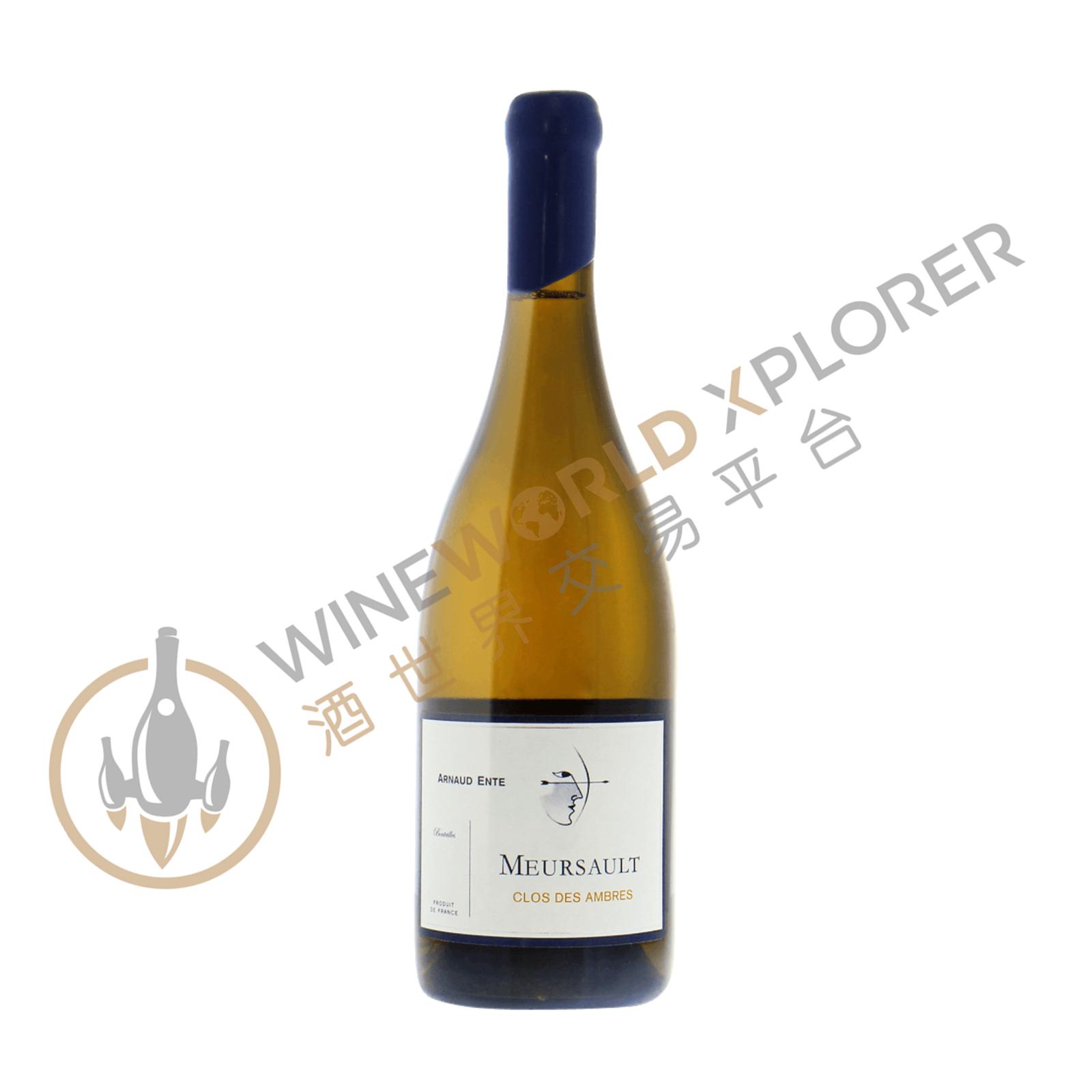
Arnaud Ente, Meursault Clos des Ambres 2018
 View analysis


Description
Tasting notes

Reviewed by: William Kelley
A beautiful wine, Ente's 2018 Meursault Clos des Ambres unwinds to reveal aromas of pear, orange oil, wheat toast, chamomile and subtle hints of praline. Medium to full-bodied, bright and incisive, with lively acids and chalky structuring extract, it's an elegant, nicely concentrated rendition of a cuvée that I've always particularly enjoyed chez Ente. I suspect it will develop very nicely with some time in bottle.
Reviewed by: William Kelley
The 2018 Meursault Clos des Ambres has turned out well, mingling pear, beeswax and lemon oil with notions of dried white flowers and warm bread in an incipiently complex bouquet. On the palate, it's medium to full-bodied, satiny and complete, with more concentration and texture than the communal bottlings that preceded it, concluding with a precise finish.
About the Producer
Arnaud Ente left Coche Dury, the god of white wine, in 1991 to establish his own winery! After 20 years of hard work, after winning the French Wine of the Year Person of the Year in 2012, the reputation has gradually been competed by lovers of pure and meticulous white wine go! Mr. Michel Bettane has pointed out that in his nearly 30 years of wine evaluation, the only white wine that has given him praise and surprises turned out to be Arnaud Ente's Bourgogne Aligoté, he now thinks this should be a Grand Cru. The vineyard of Chateau Arnoant is less than 5 hectares, not only does it not have any grand crus, but 80% of the plots are Bourgogne and Village. Regardless of the grade of the plot, Arnaud Ente takes care of it in the same way, using the Lutte Raisonnée method, which strictly controls the yield to improve the quality of the grapes. Take 2012 as an example, the average output per hectare of the entire winery is only 1,900 liters, about 2,500 bottles, and some wines even have only 600 liters of output, such as Meursault Clos des Ambres with an average vine age of more than 50 years. This way of strictly controlling production is definitely the only way he can make great wines. Another standout is that the harvest is brought forward in order to obtain finer grapes. There is better, beautiful acidity in the harvested grapes, giving the wine more layer, variety, and complexity.
