Wine Advisor



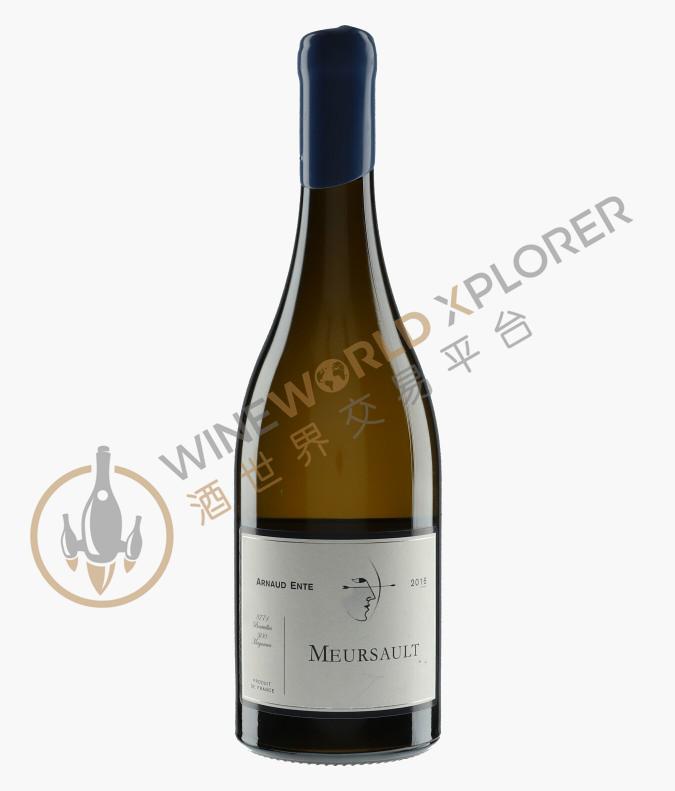
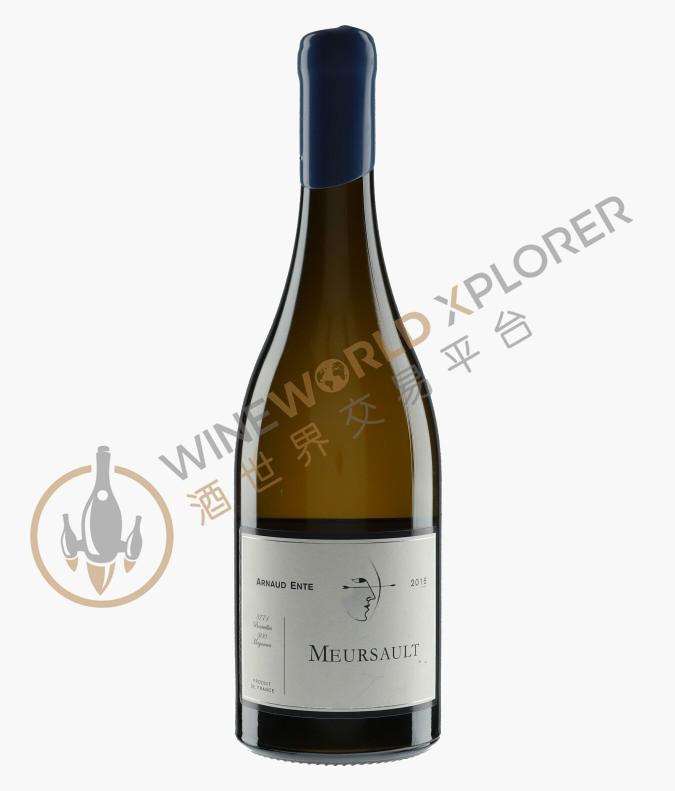
Arnaud Ente, Meursault 2013
 View analysis


Description
Tasting notes

Reviewed by: Stephen Tanzer
(an assemblage of three cuvees, all with alcohol levels between 12.2% and 12.5%): Pale yellow. Slight whiff of reduction to the aromas of musky grapefruit, ginger and flowers. Sweet and fine-grained, showing lovely cut and cool inner-mouth perfume to the precise citrus and mineral flavors. Fresh, intense and persistent wine with moderate ripeness. (Ente's Bourgogne Blanc, weighing in at a modest 11.9% alcohol, boasts lovely cut and lemon-limey intensity and should make easy early drinking. His young Aligote was even more penetrating, showing the vivacity of the year but coming across as a bit more tart.)
About the Producer
Arnaud Ente left Coche Dury, the god of white wine, in 1991 to establish his own winery! After 20 years of hard work, after winning the French Wine of the Year Person of the Year in 2012, the reputation has gradually been competed by lovers of pure and meticulous white wine go! Mr. Michel Bettane has pointed out that in his nearly 30 years of wine evaluation, the only white wine that has given him praise and surprises turned out to be Arnaud Ente's Bourgogne Aligoté, he now thinks this should be a Grand Cru. The vineyard of Chateau Arnoant is less than 5 hectares, not only does it not have any grand crus, but 80% of the plots are Bourgogne and Village. Regardless of the grade of the plot, Arnaud Ente takes care of it in the same way, using the Lutte Raisonnée method, which strictly controls the yield to improve the quality of the grapes. Take 2012 as an example, the average output per hectare of the entire winery is only 1,900 liters, about 2,500 bottles, and some wines even have only 600 liters of output, such as Meursault Clos des Ambres with an average vine age of more than 50 years. This way of strictly controlling production is definitely the only way he can make great wines. Another standout is that the harvest is brought forward in order to obtain finer grapes. There is better, beautiful acidity in the harvested grapes, giving the wine more layer, variety, and complexity.