
 Wine Advisor



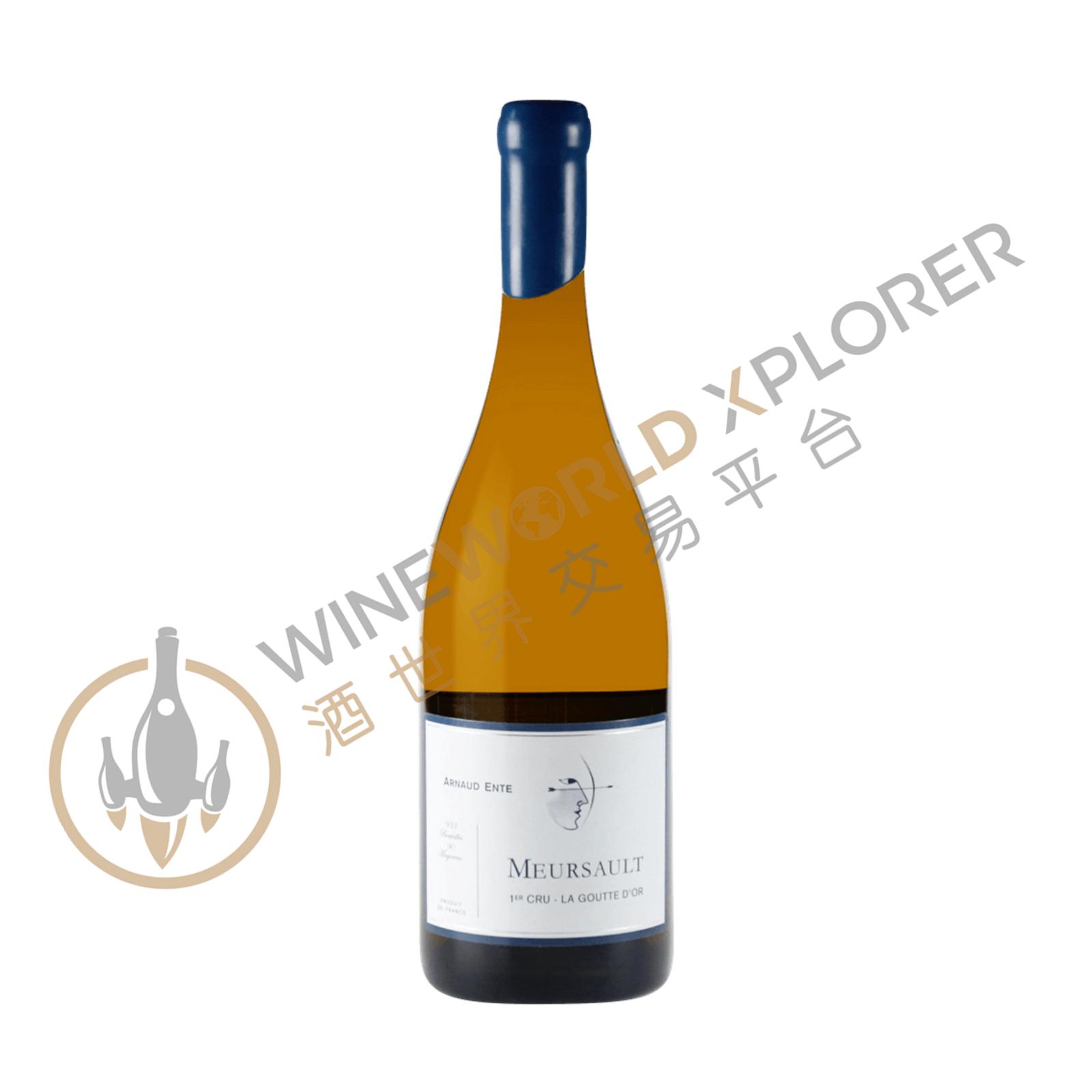
Arnaud Ente, Meursault 1er Cru La Goutte D'Or 2006
 View analysis


Description
Tasting notes

Reviewed by: Neal Martin
Moving on to the whites, I first tackled the magnum of 2006 Meursault La Goutte d’Or 1er Cru from Domaine Arnaud Ente. I have a love/hate relationship with this producer. I dislike how prices have attained astronomical levels, even compared to the rest of Burgundy, and I must confess that occasionally I taste a bottle that leaves me wondering whether the adulation is misplaced. Yet this Meursault is indisputably stunning. Quite deep in hue, it sports a slight reduction on the nose but displays brilliant delineation and scents of tangerine, grilled hazelnuts and a touch of smoke, almost Chablis-like. The palate is taut and focused, powerful yet exceptionally well balanced and loaded with mineralité. It just seems to reach a higher level with every sip, until I could not deny that this is a thrilling wine.
About the Producer
Arnaud Ente left Coche Dury, the god of white wine, in 1991 to establish his own winery! After 20 years of hard work, after winning the French Wine of the Year Person of the Year in 2012, the reputation has gradually been competed by lovers of pure and meticulous white wine go! Mr. Michel Bettane has pointed out that in his nearly 30 years of wine evaluation, the only white wine that has given him praise and surprises turned out to be Arnaud Ente's Bourgogne Aligoté, he now thinks this should be a Grand Cru. The vineyard of Chateau Arnoant is less than 5 hectares, not only does it not have any grand crus, but 80% of the plots are Bourgogne and Village. Regardless of the grade of the plot, Arnaud Ente takes care of it in the same way, using the Lutte Raisonnée method, which strictly controls the yield to improve the quality of the grapes. Take 2012 as an example, the average output per hectare of the entire winery is only 1,900 liters, about 2,500 bottles, and some wines even have only 600 liters of output, such as Meursault Clos des Ambres with an average vine age of more than 50 years. This way of strictly controlling production is definitely the only way he can make great wines. Another standout is that the harvest is brought forward in order to obtain finer grapes. There is better, beautiful acidity in the harvested grapes, giving the wine more layer, variety, and complexity.
