Wine Advisor



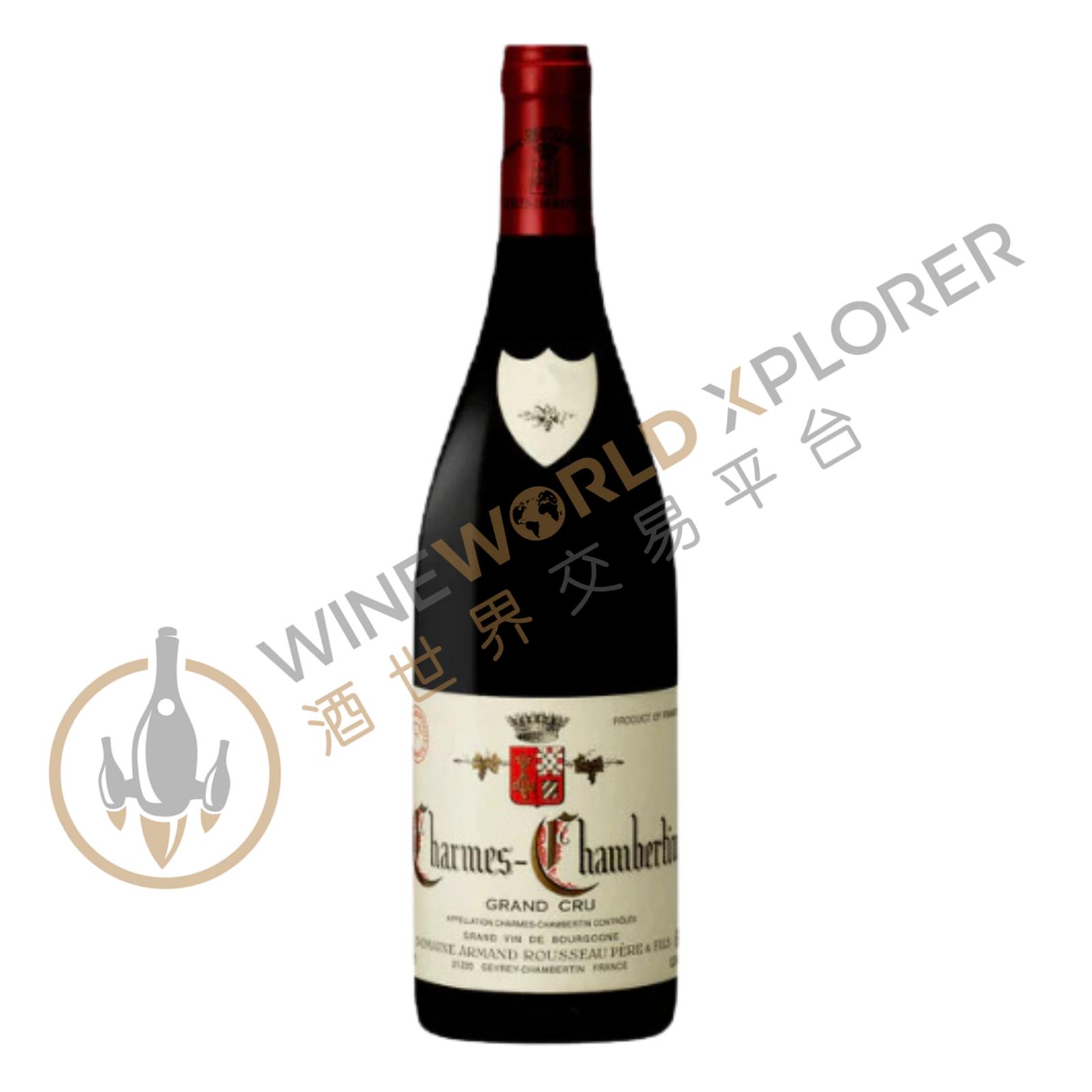
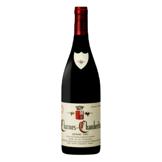
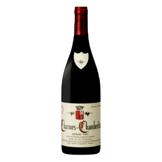
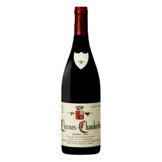
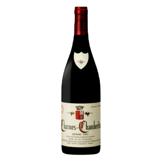
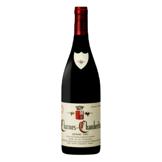
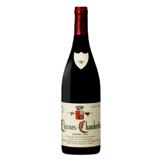
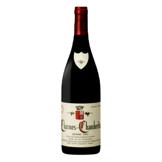
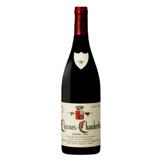
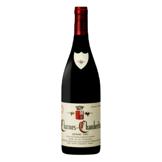
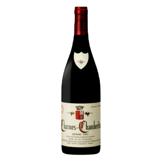
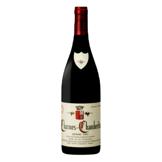
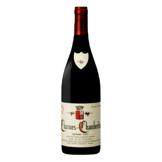
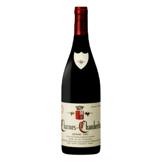
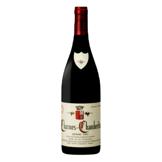
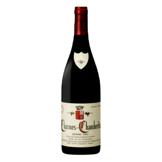
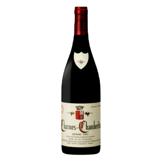
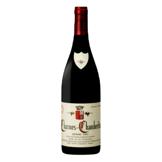
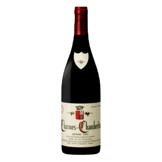
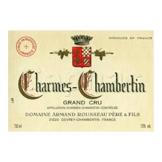
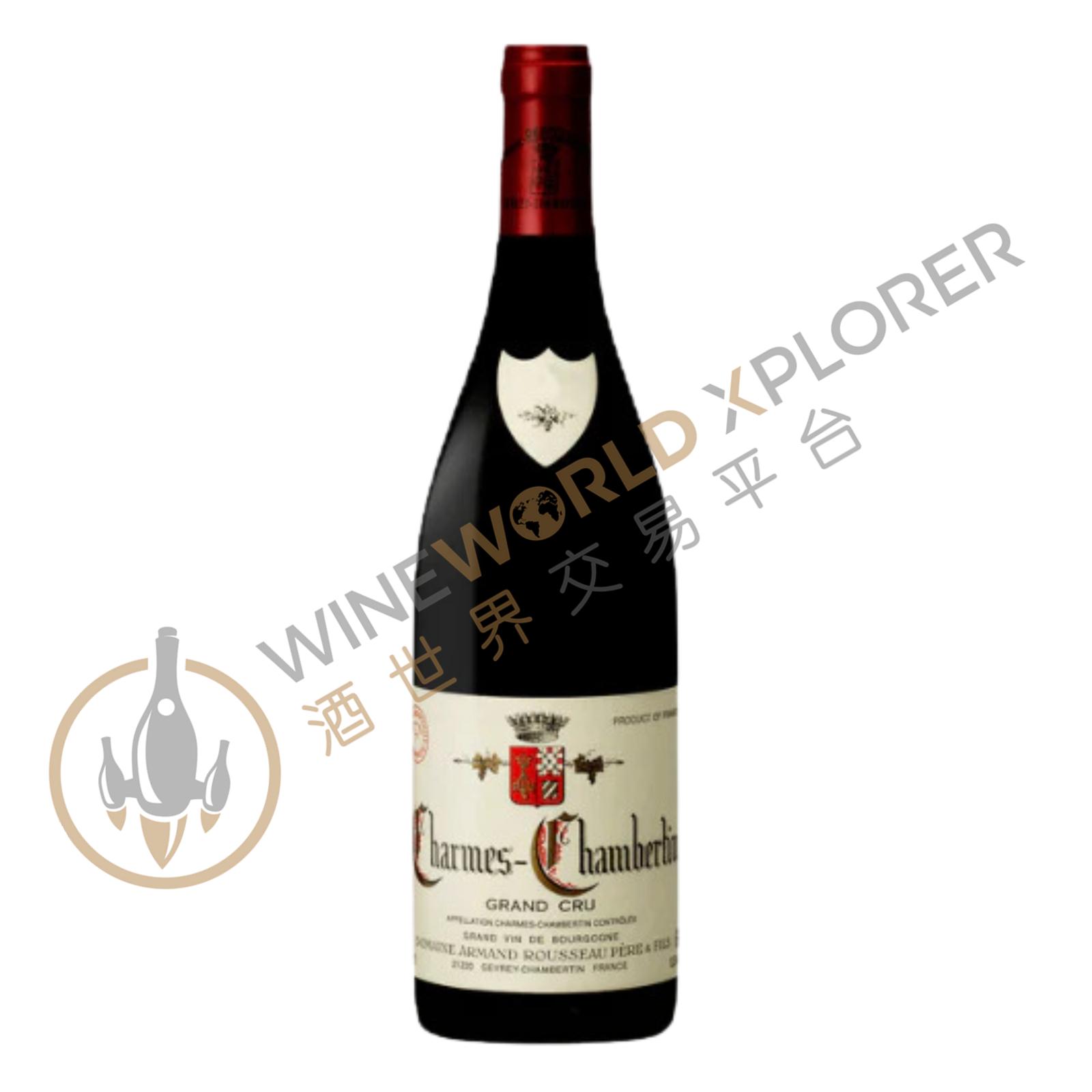
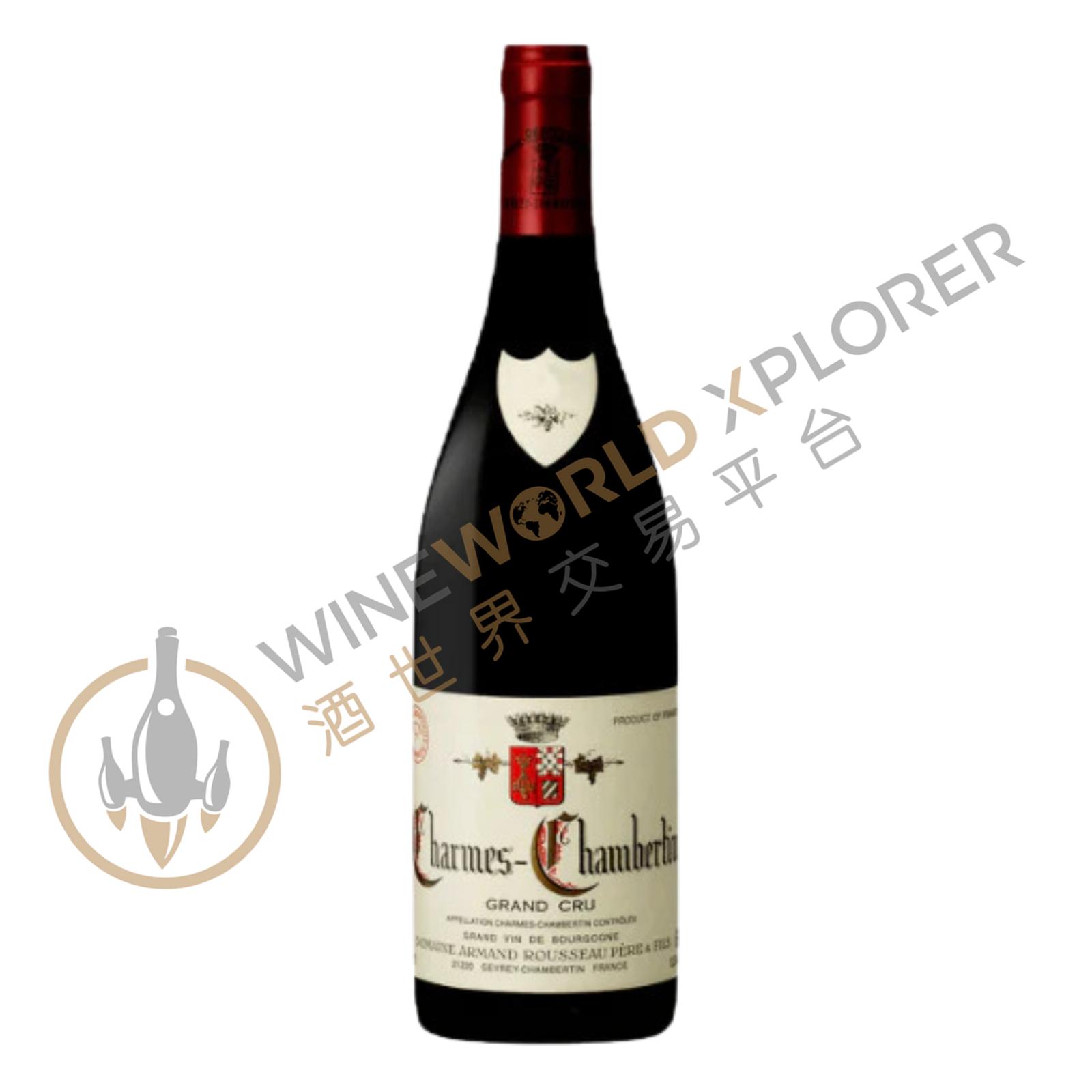
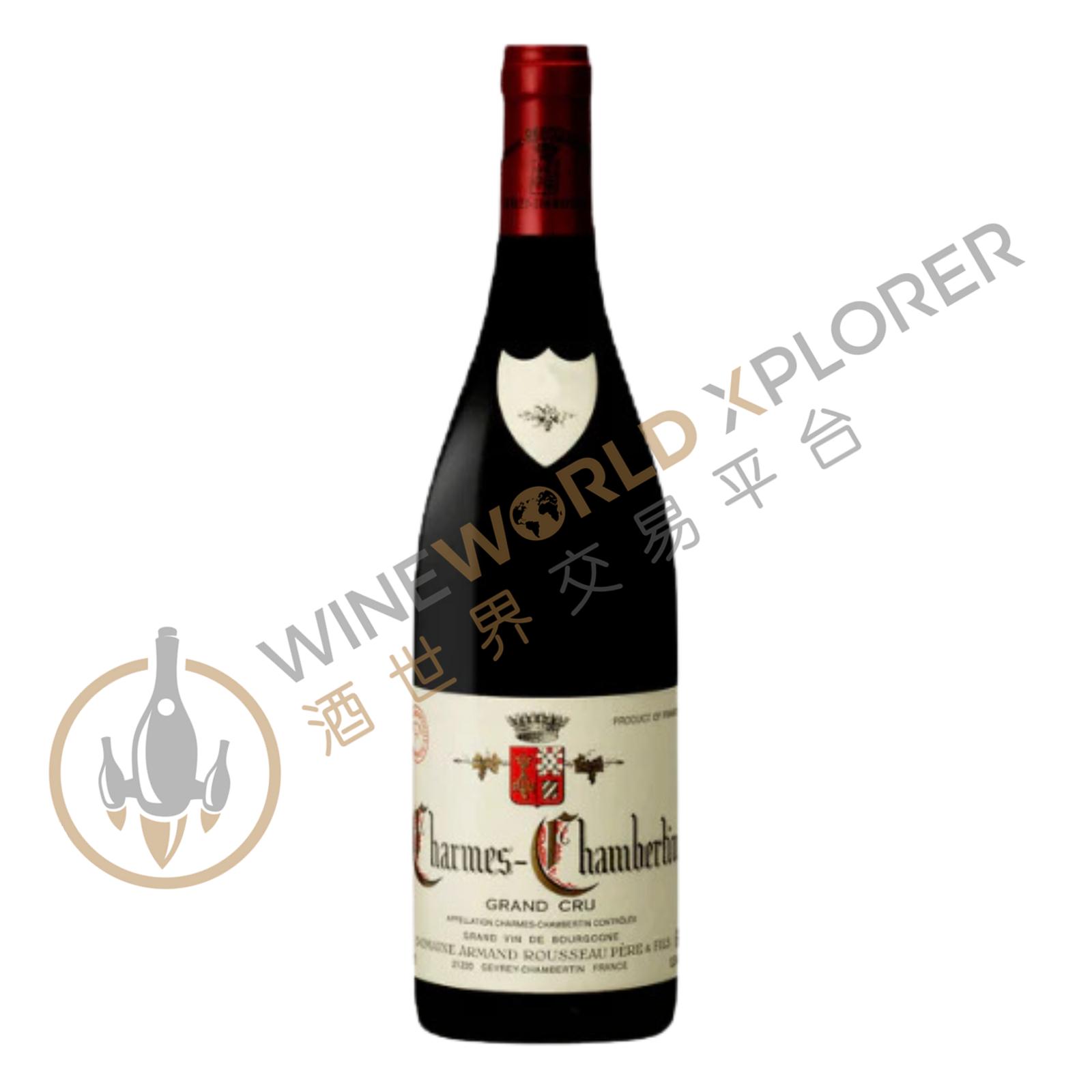
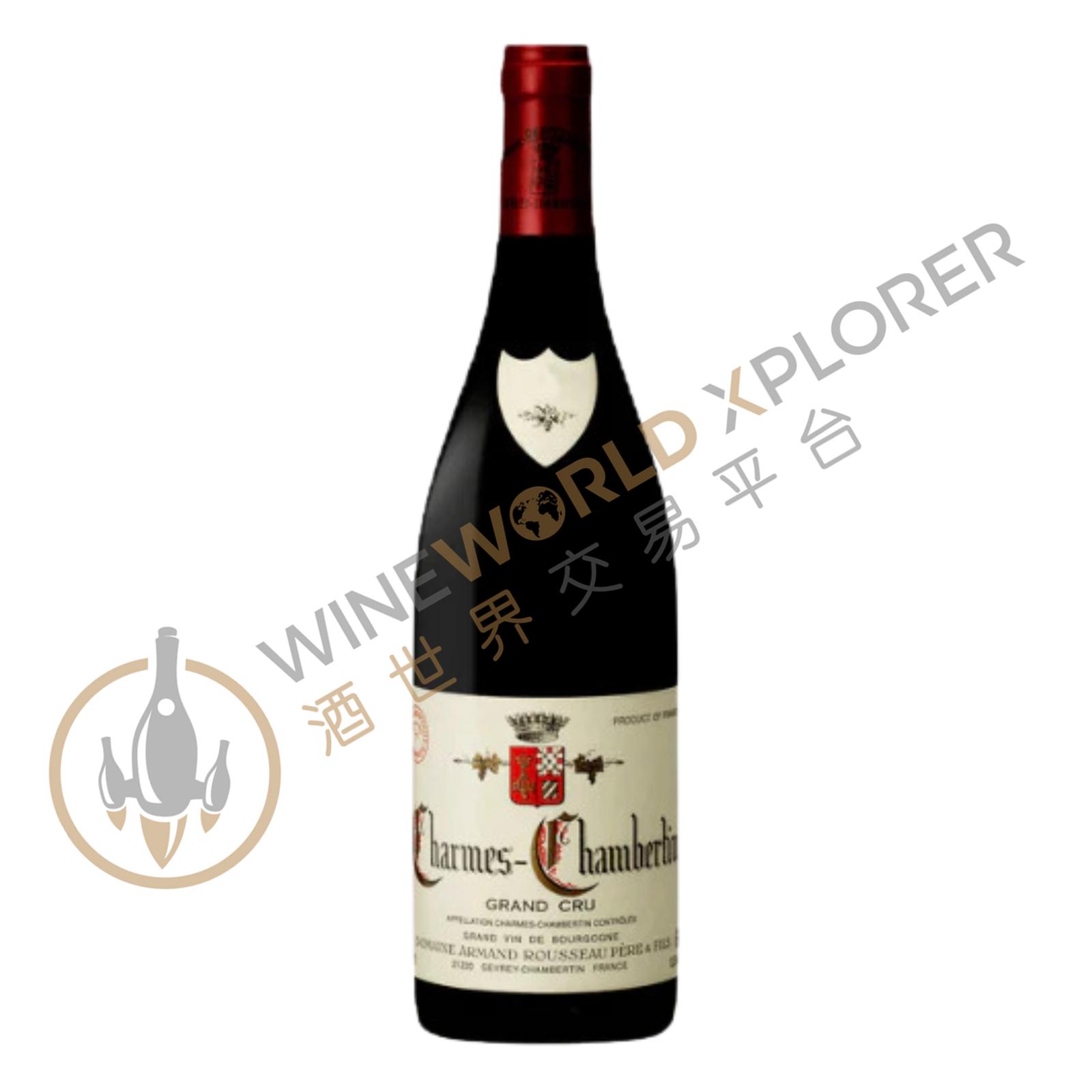
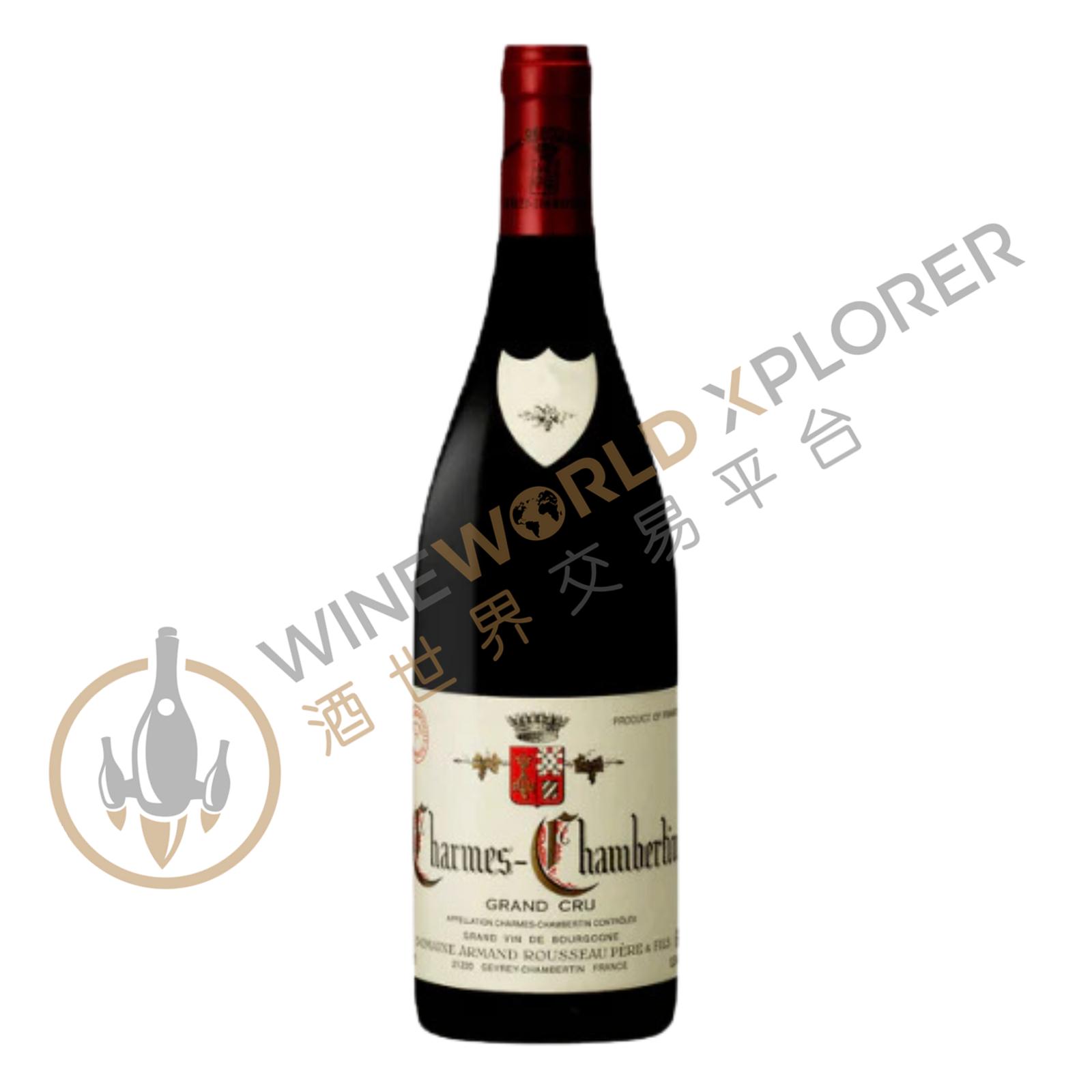
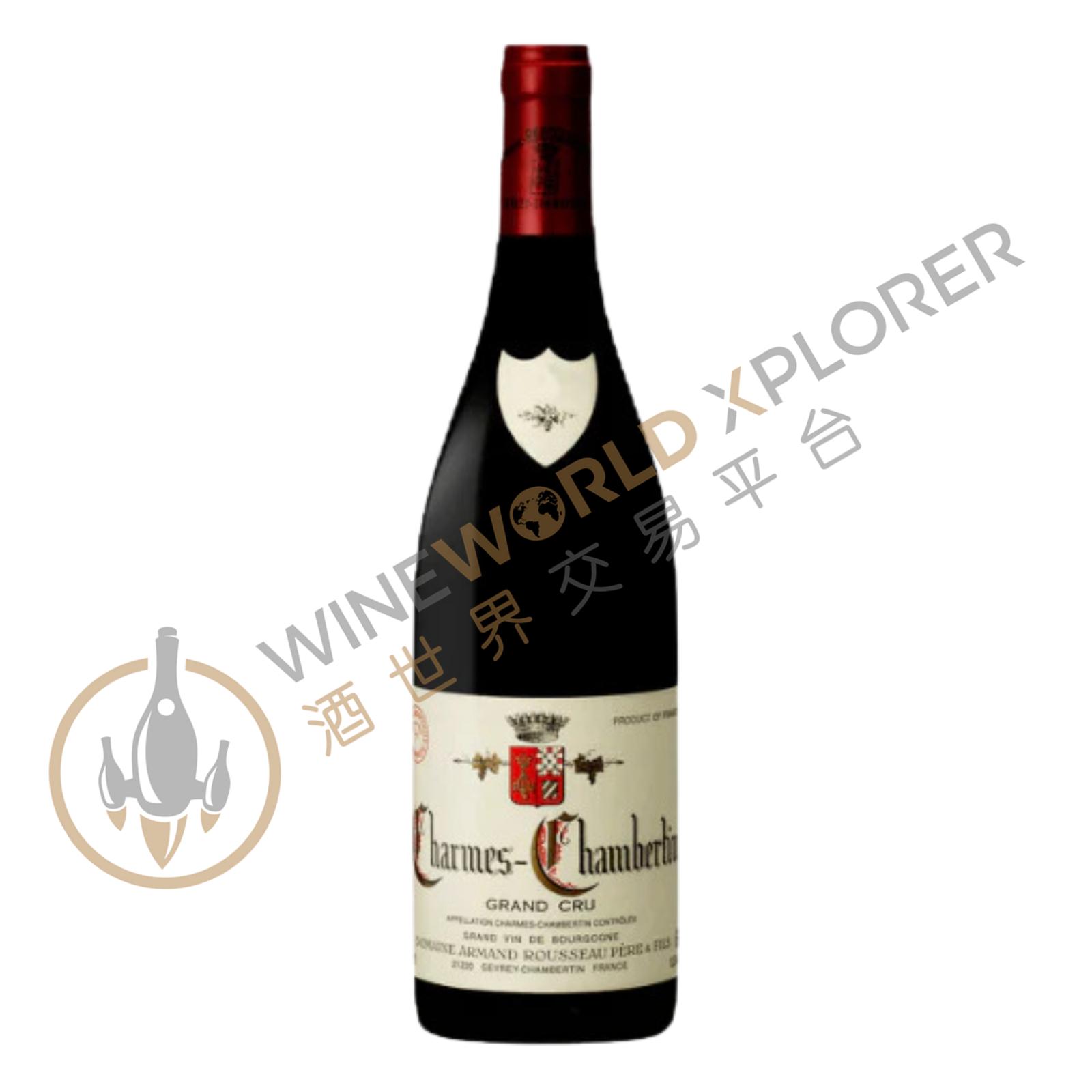
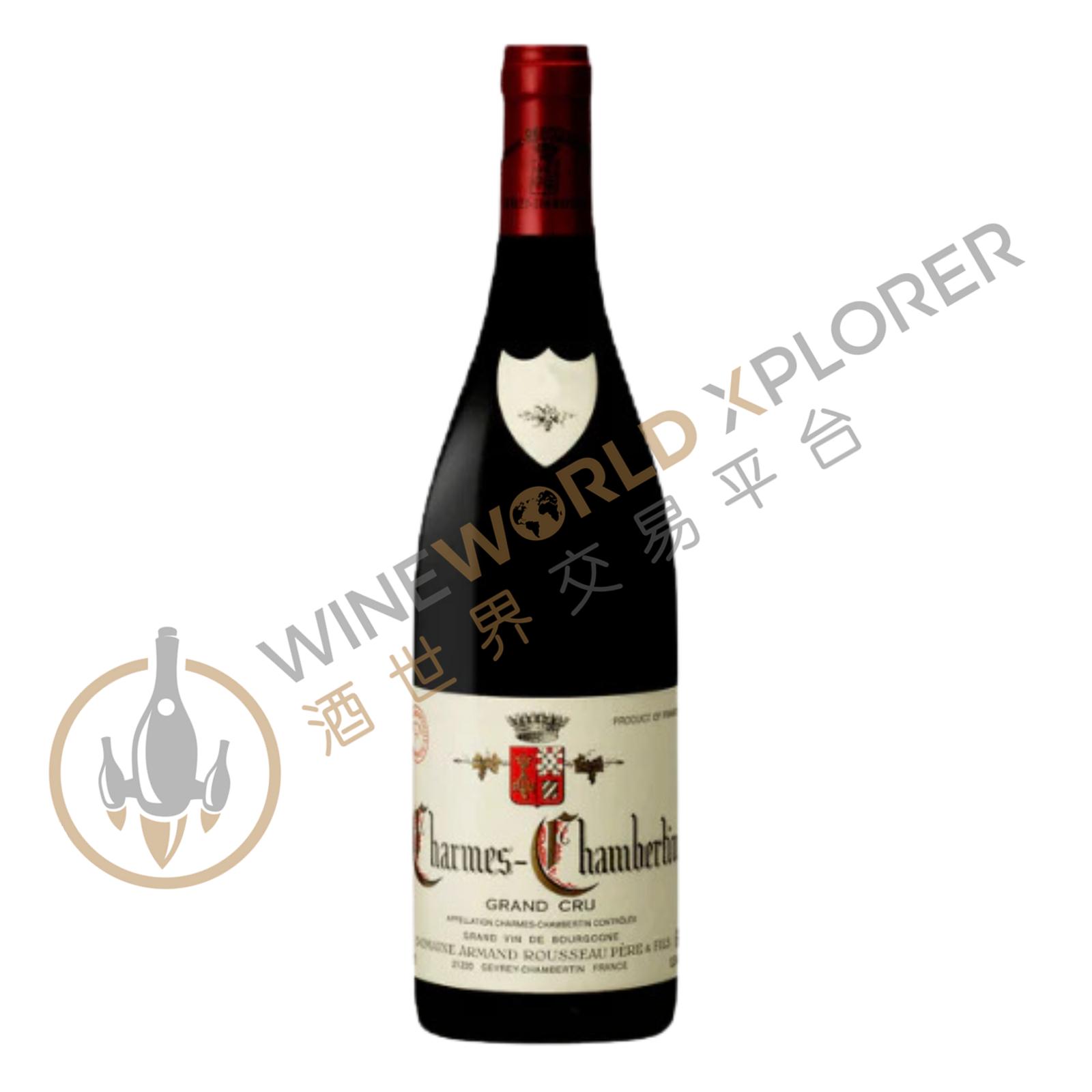
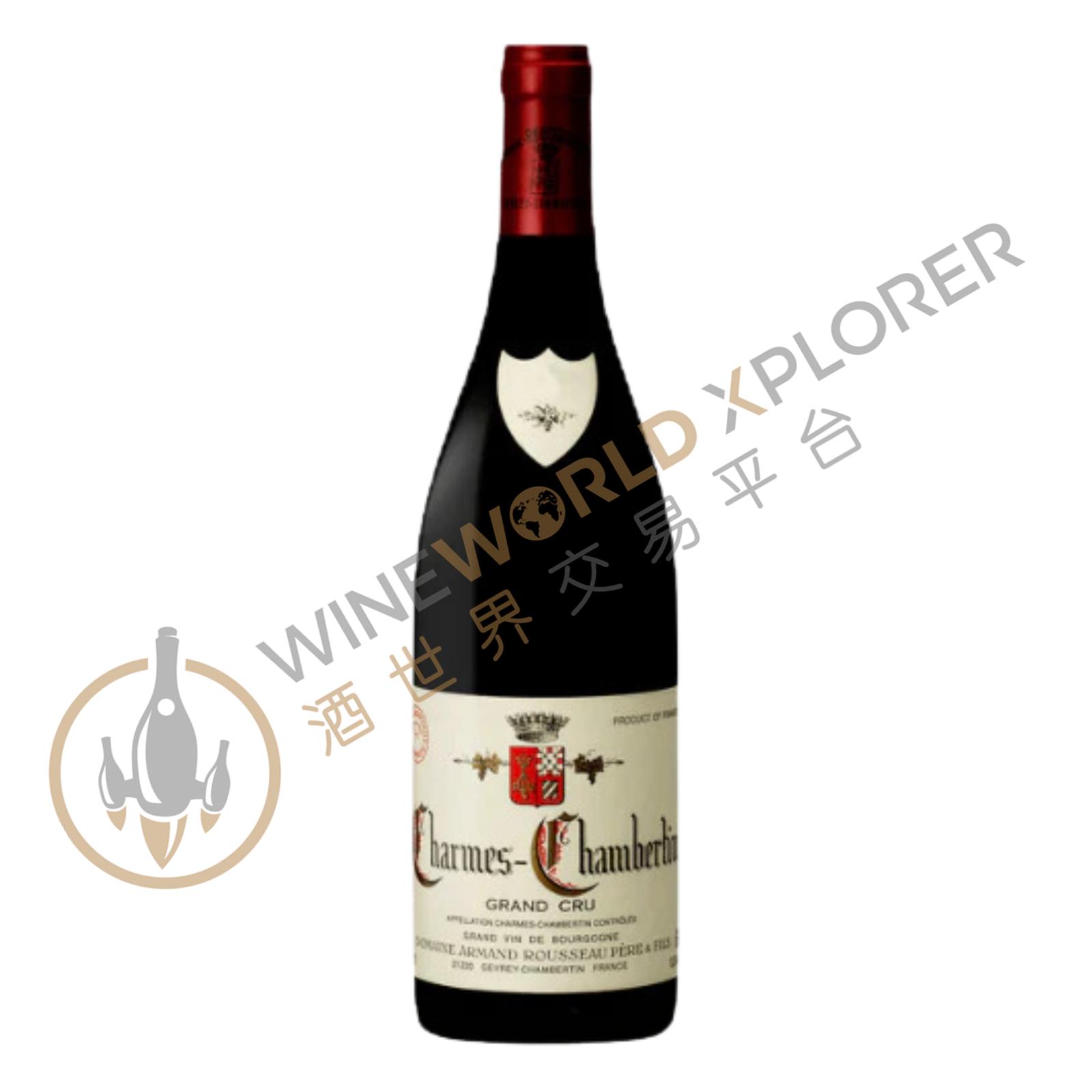
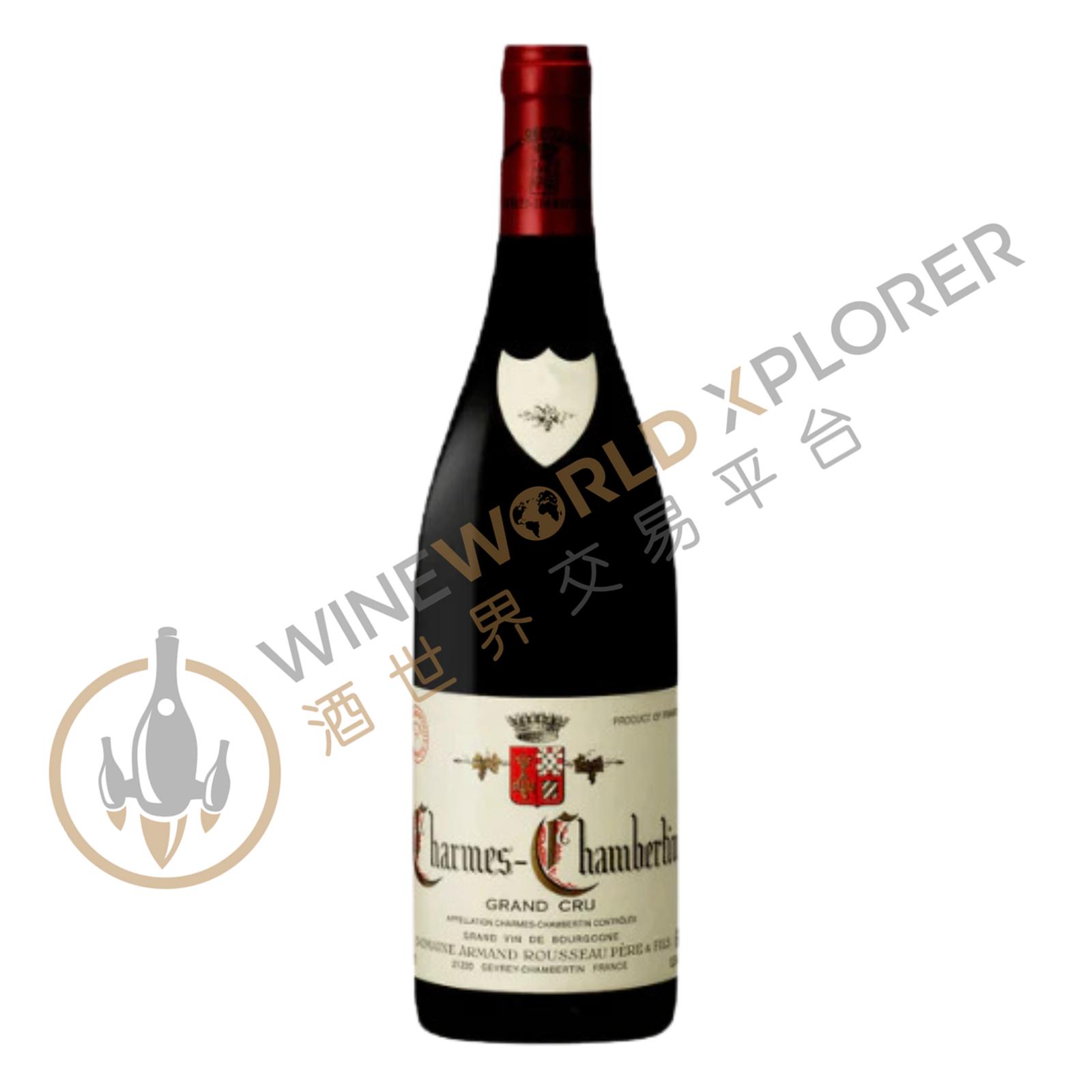
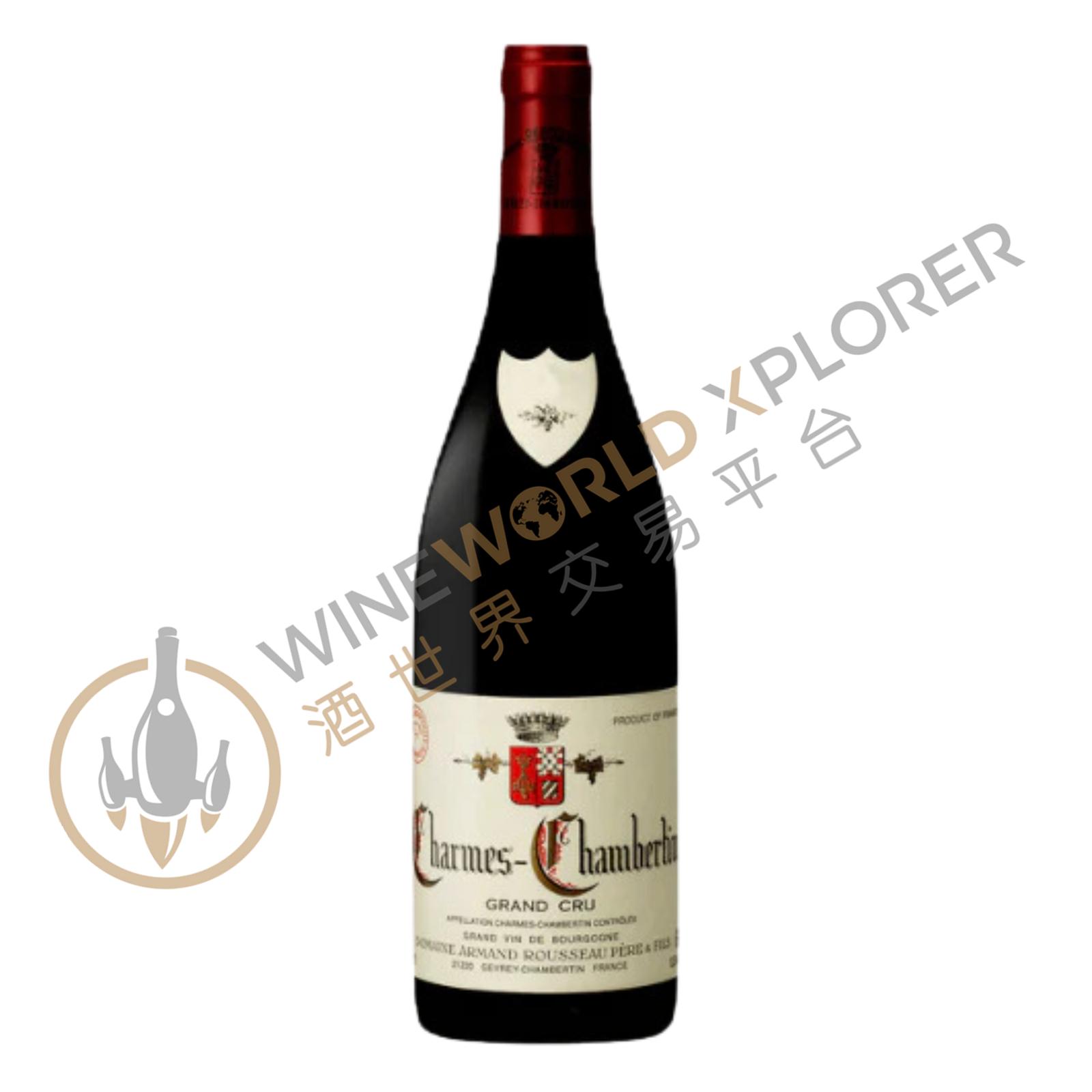
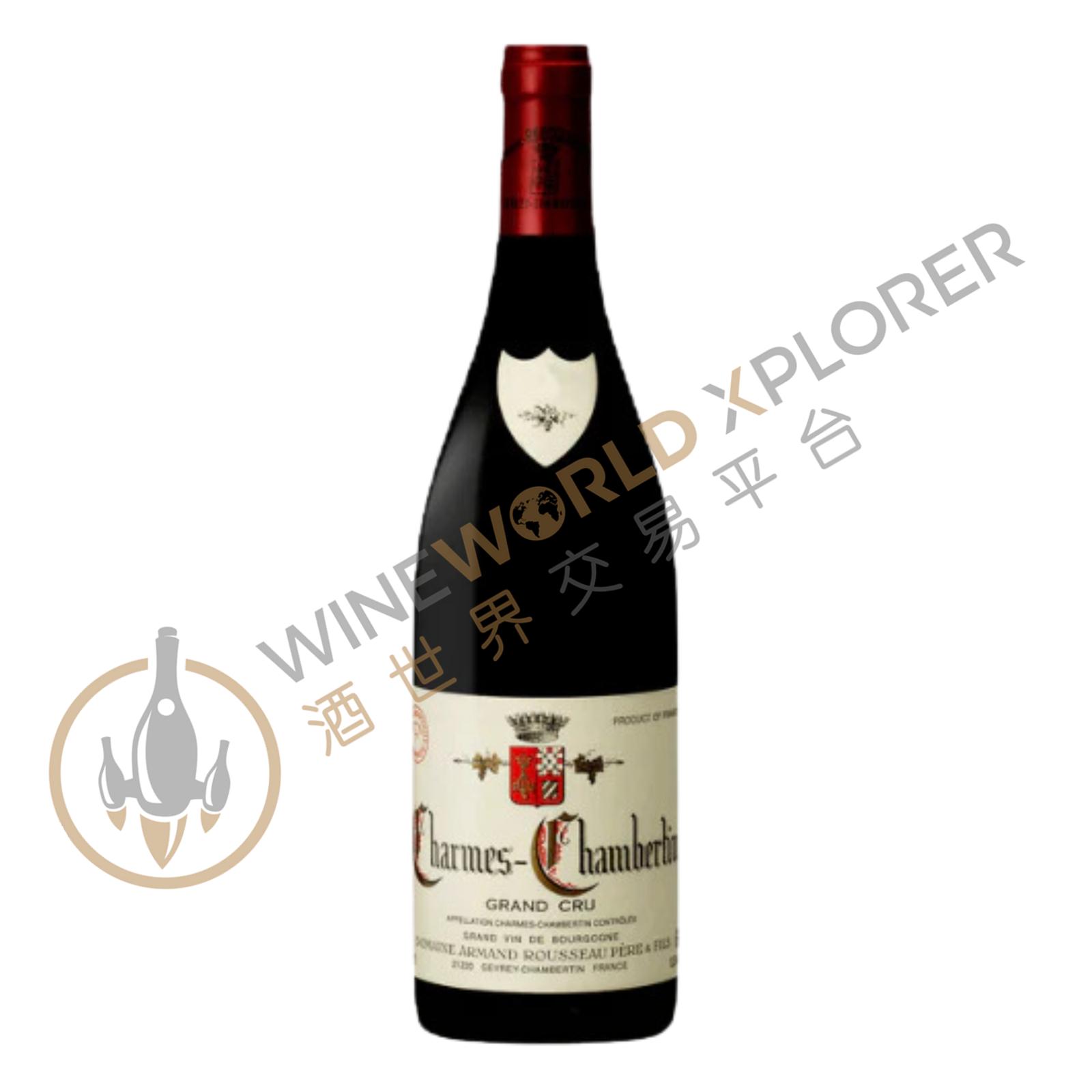
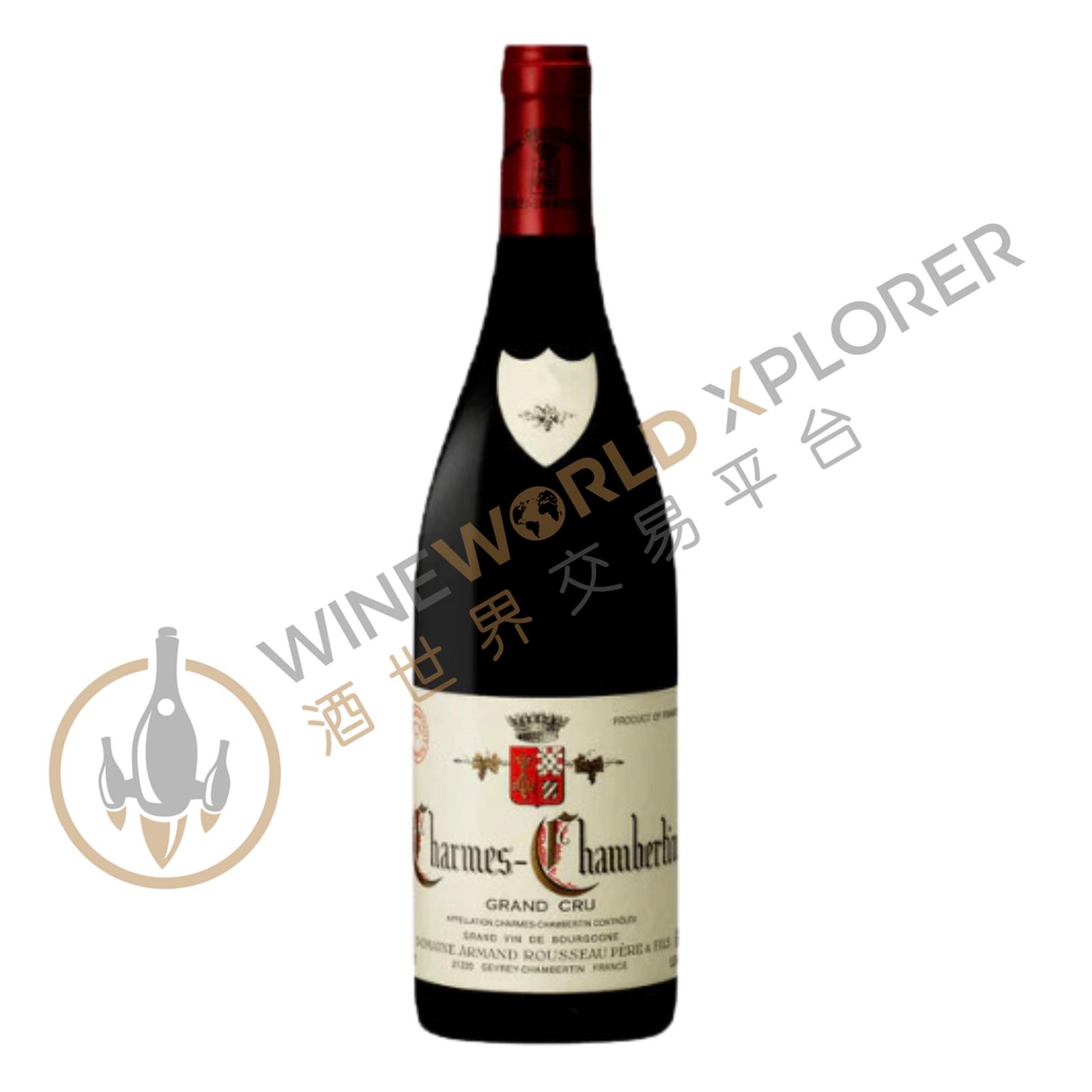
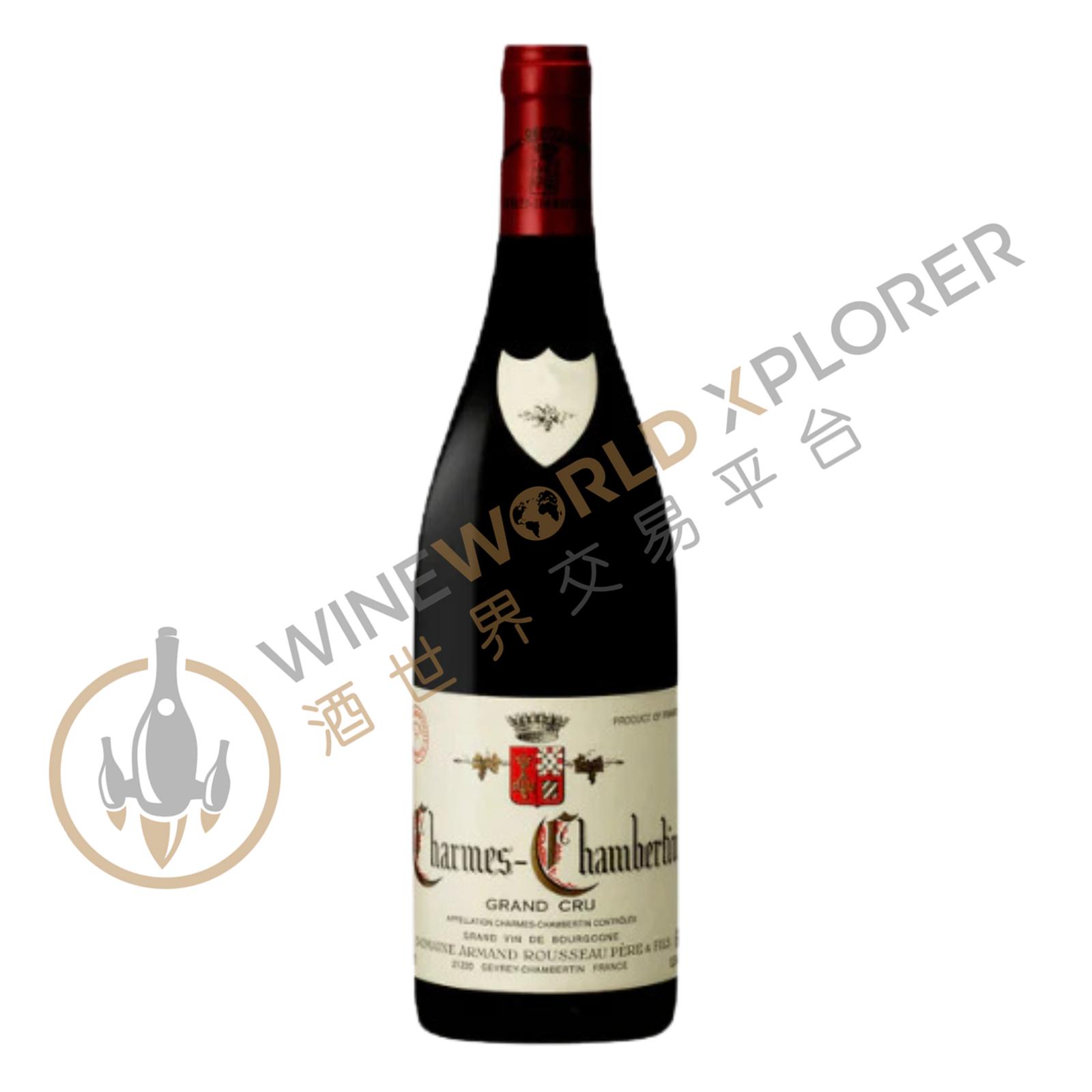
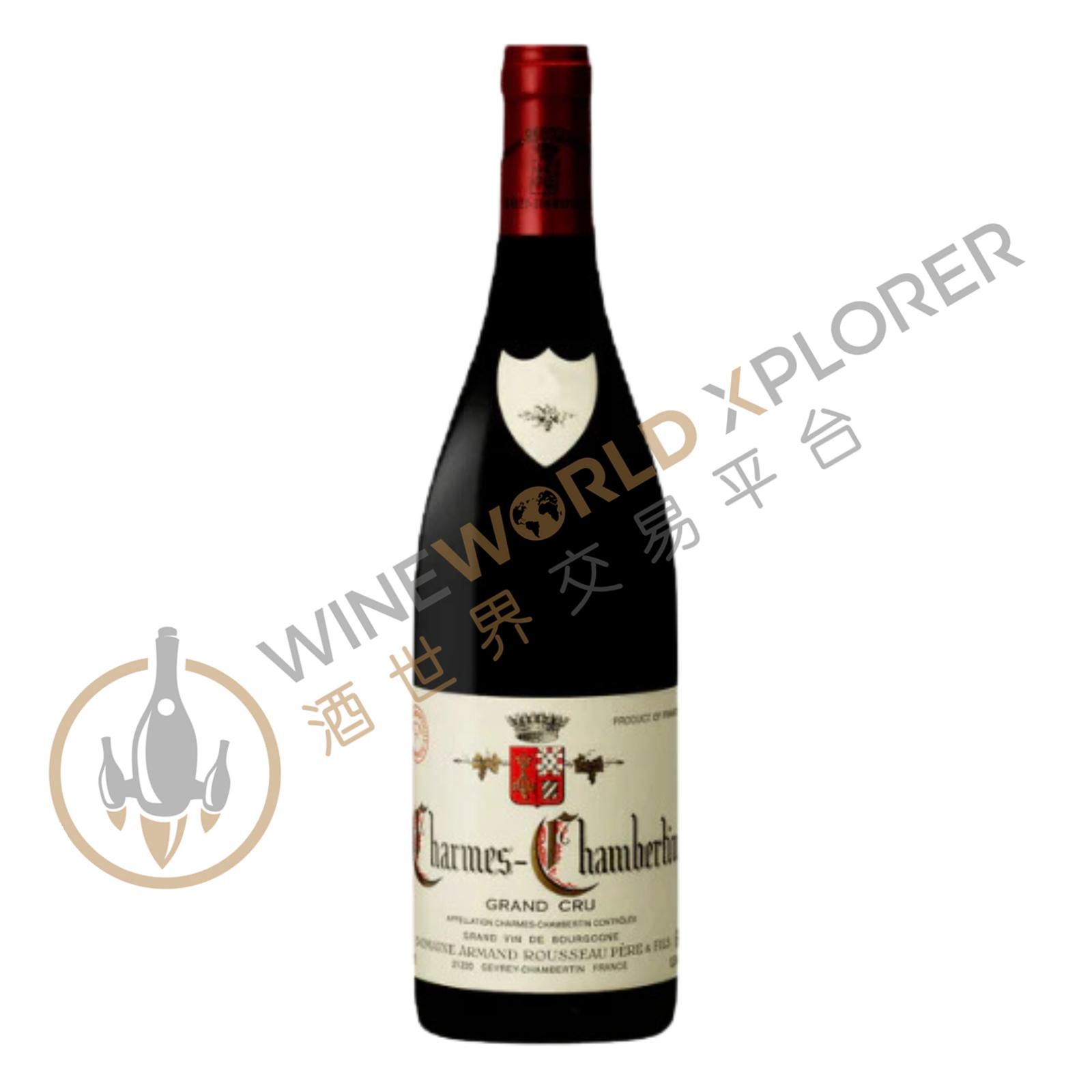
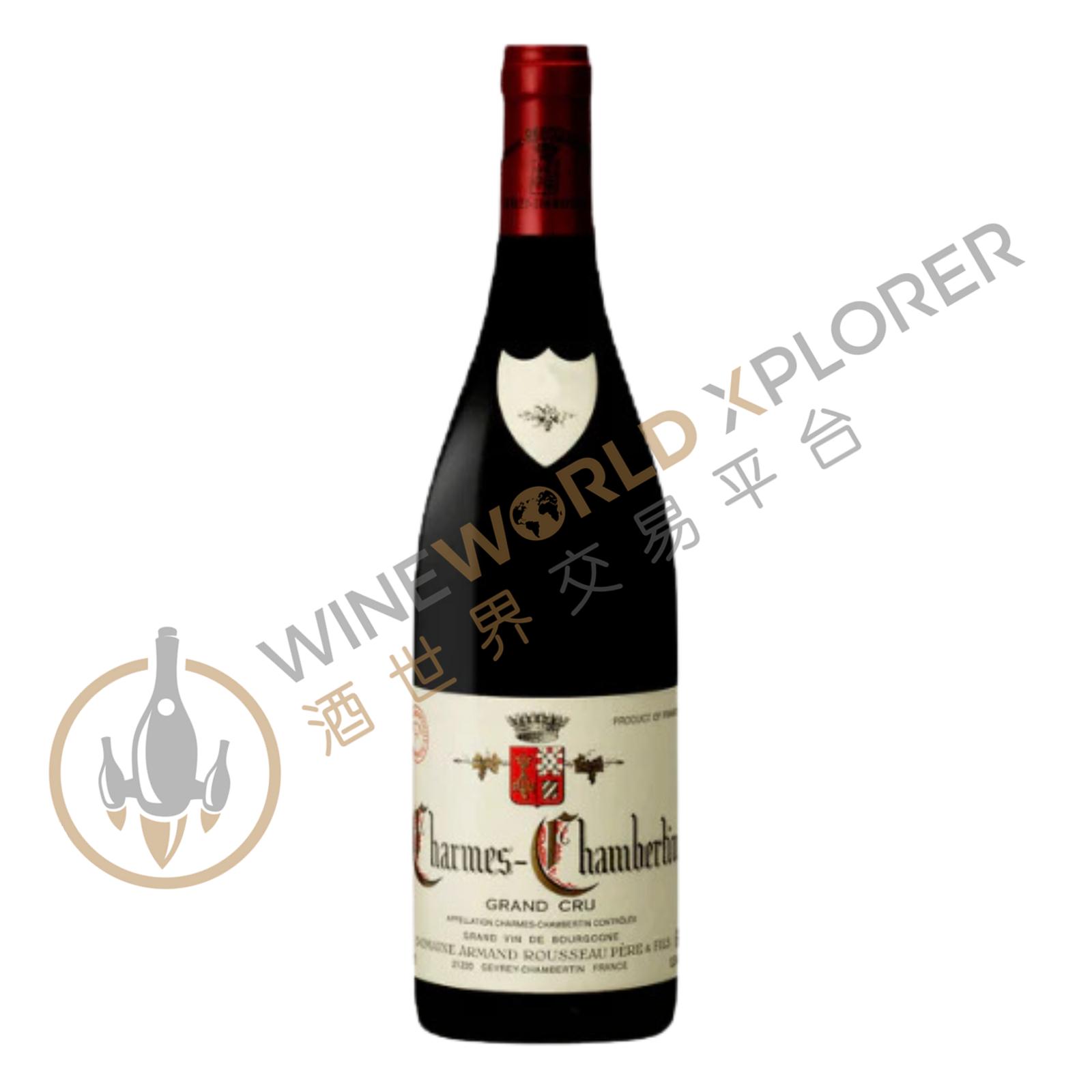
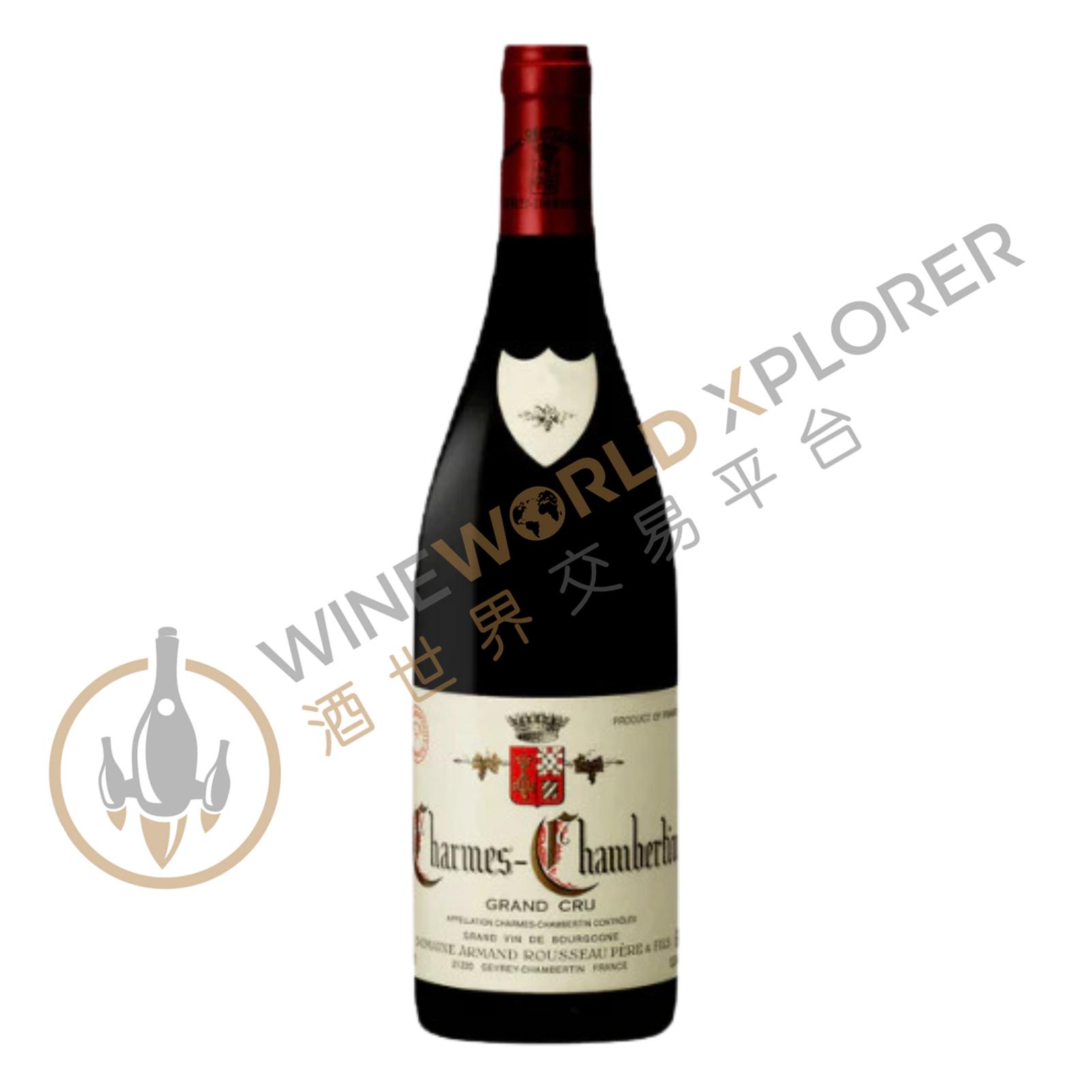
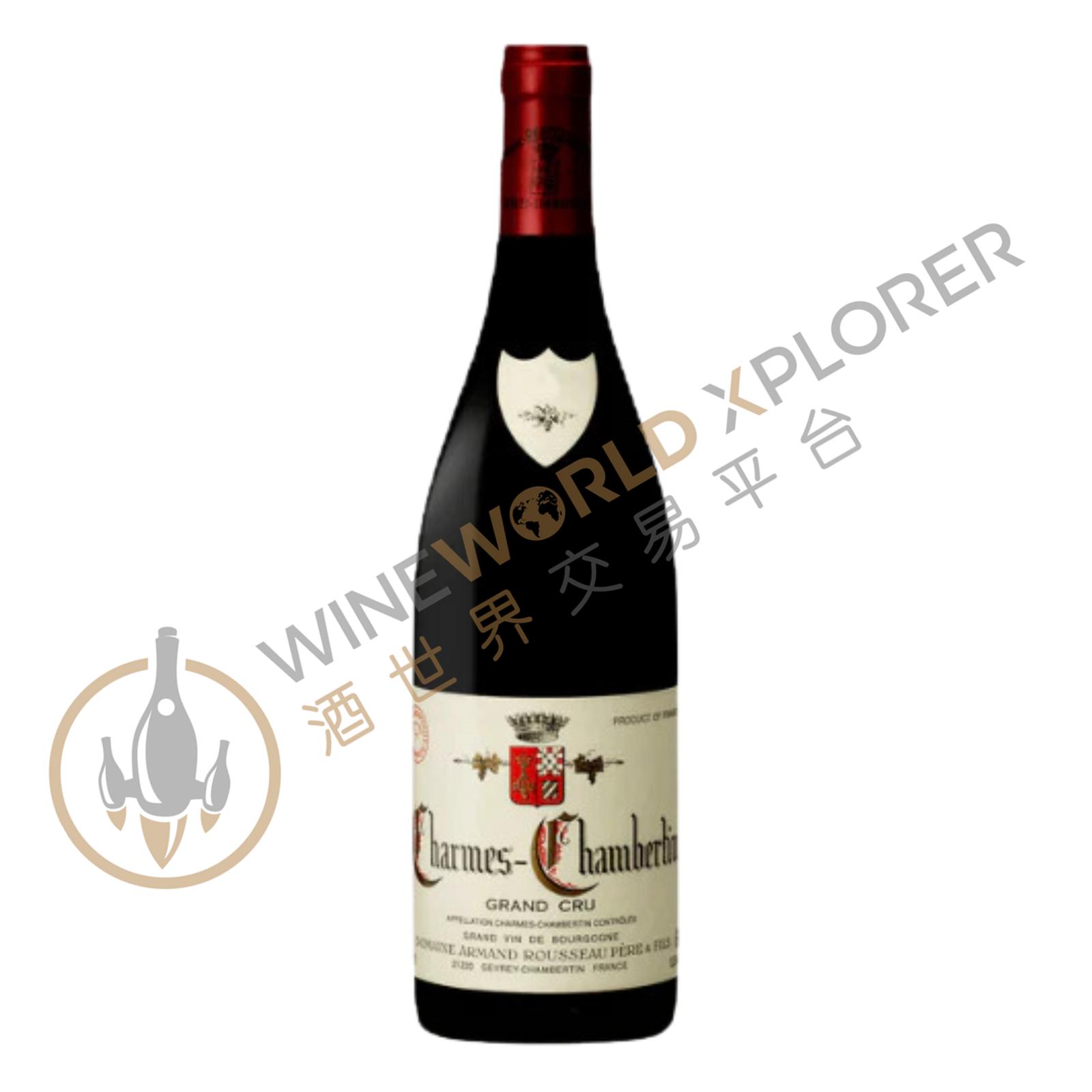
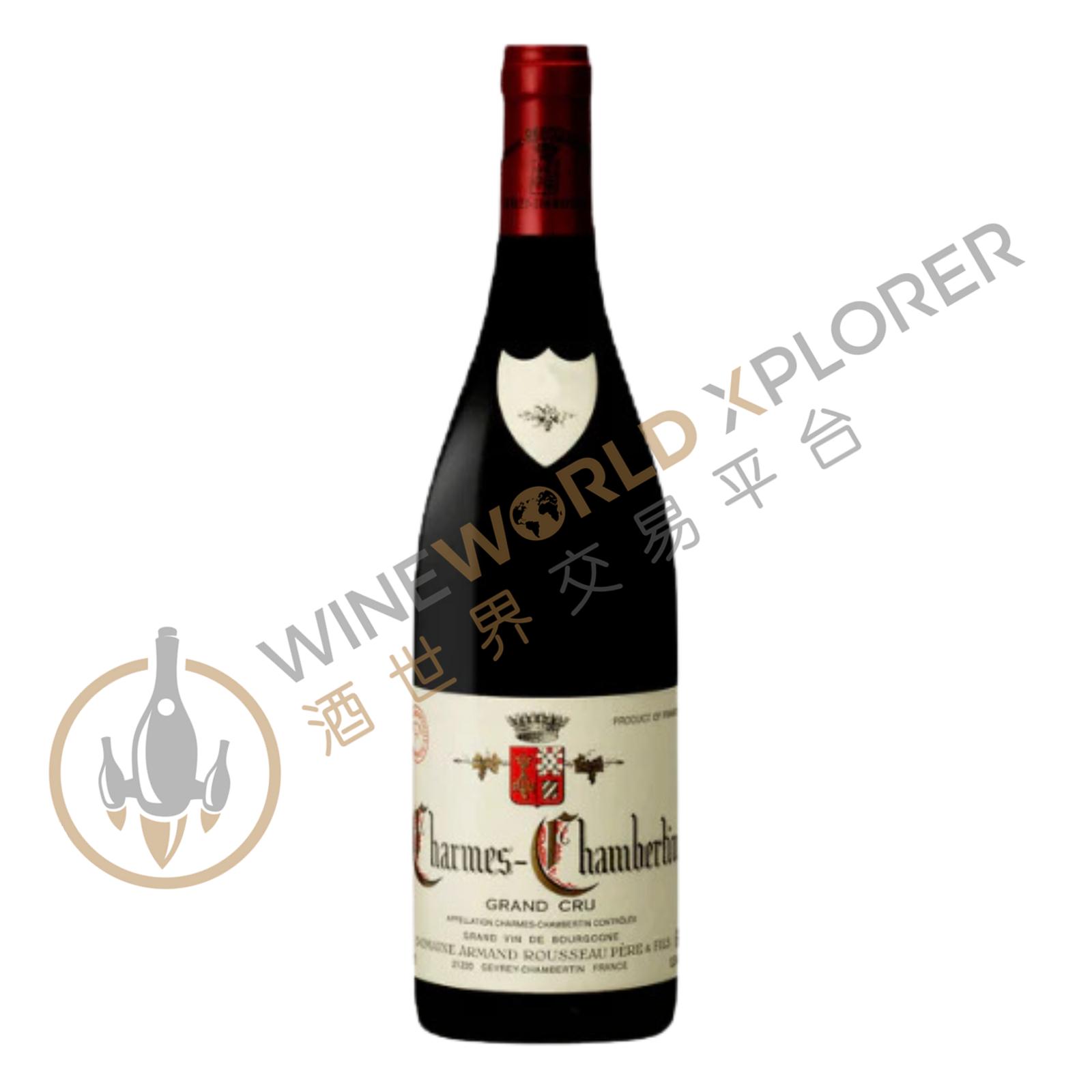
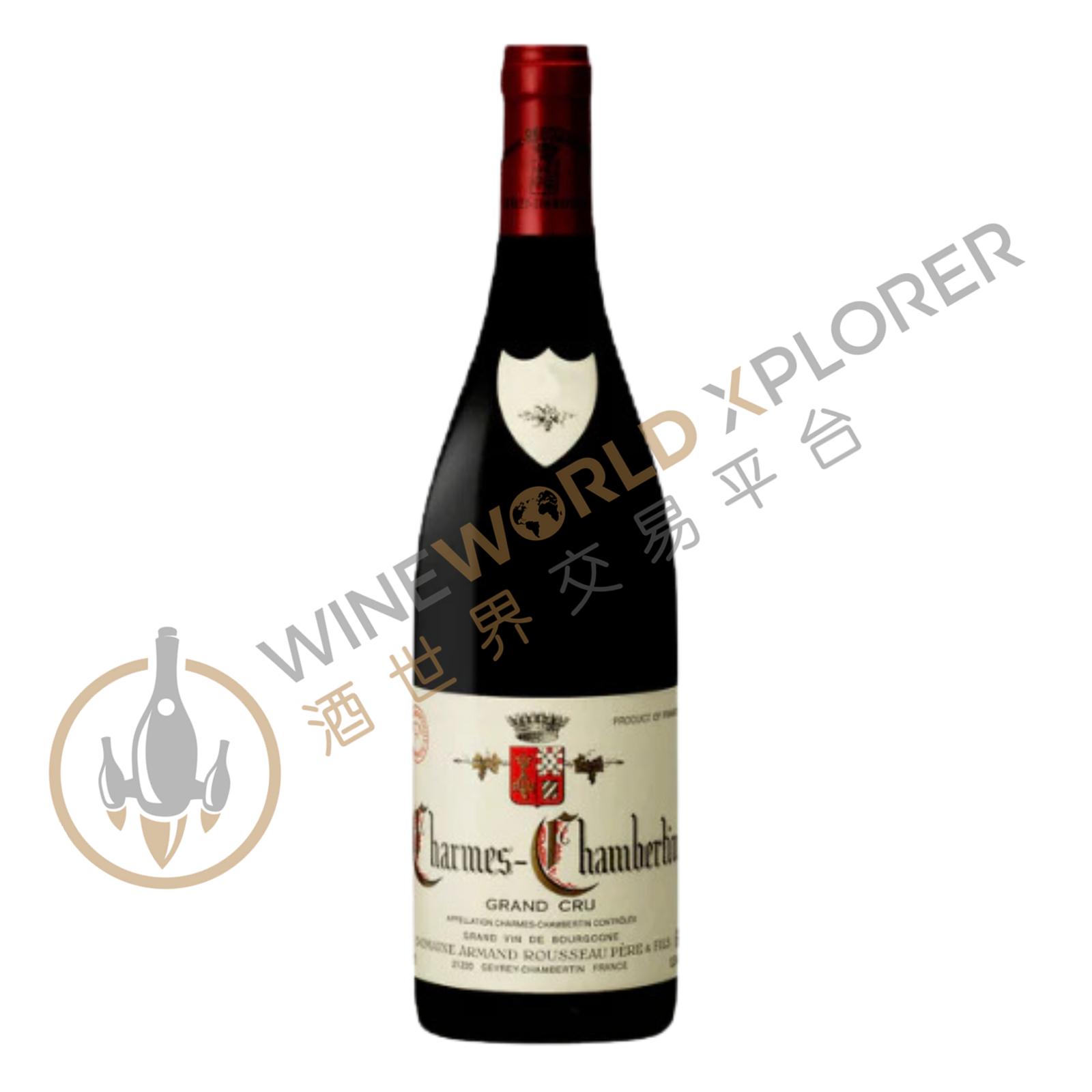
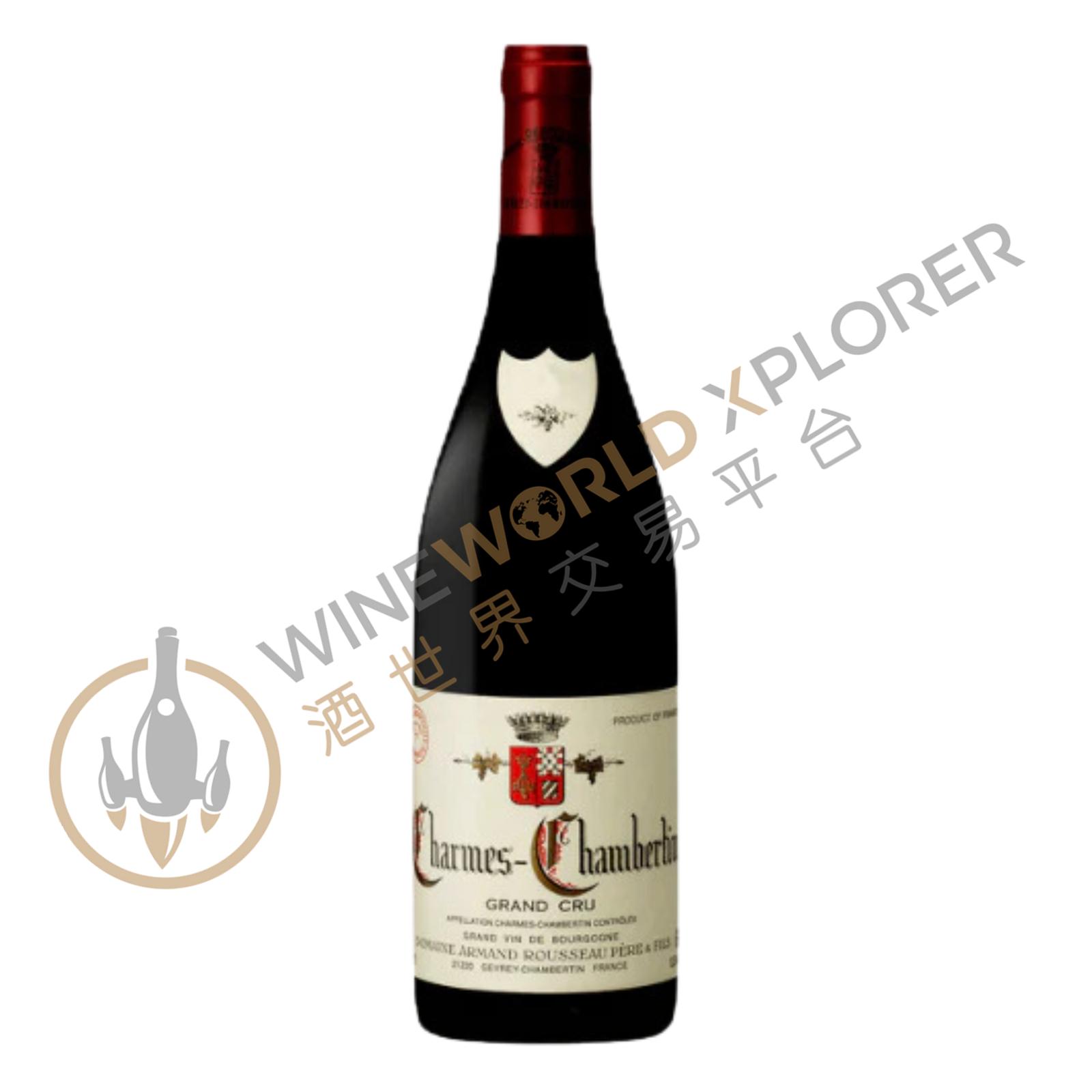
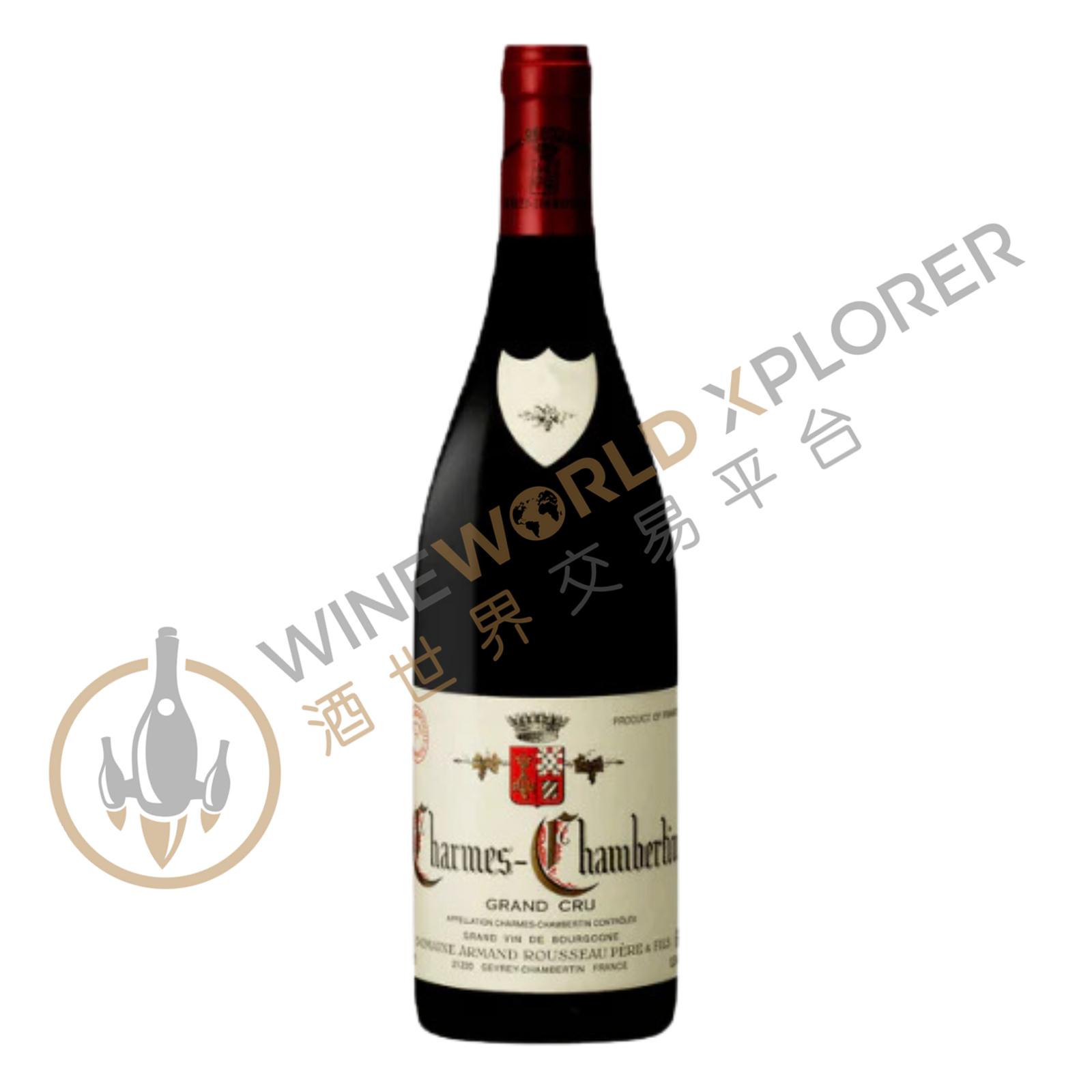
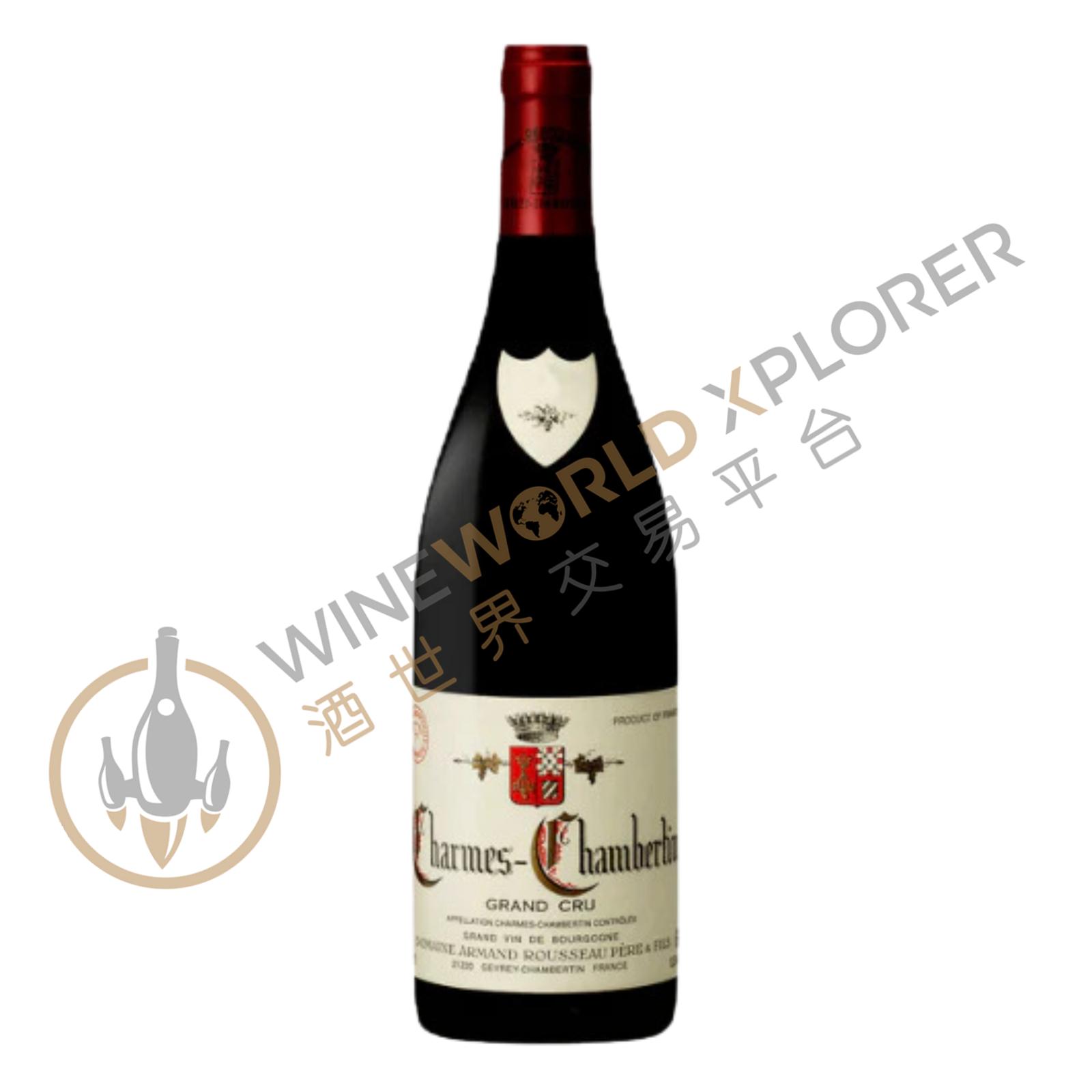
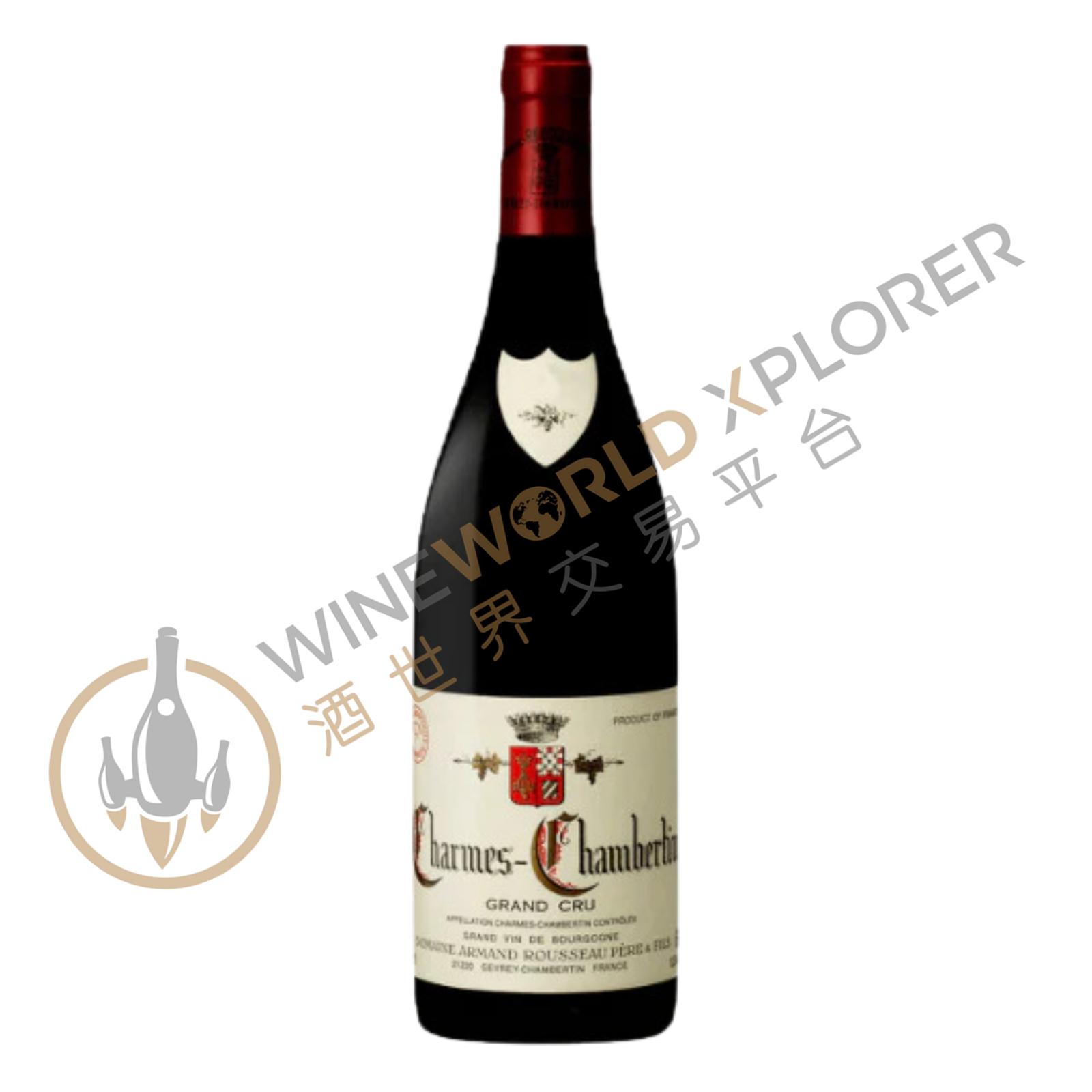
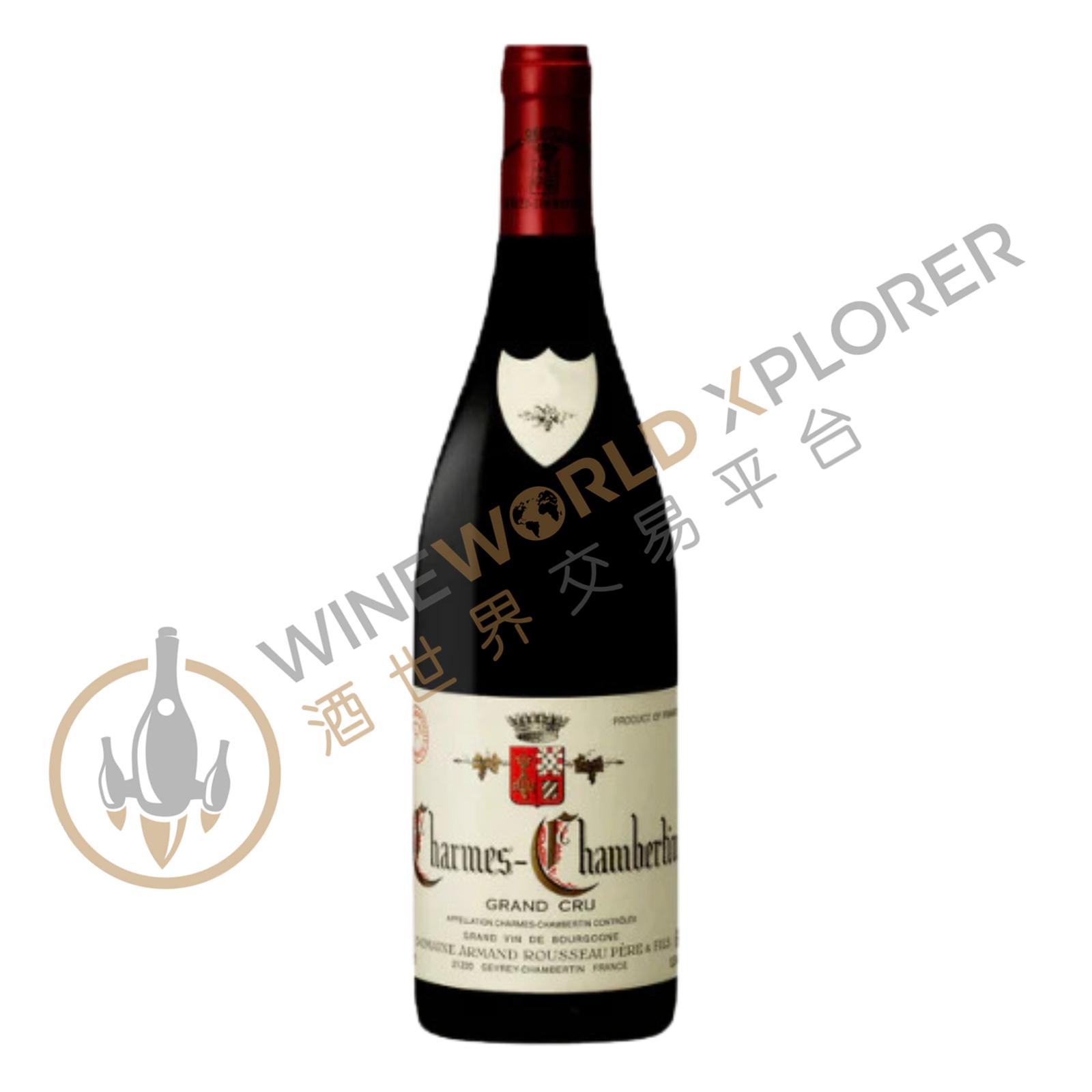
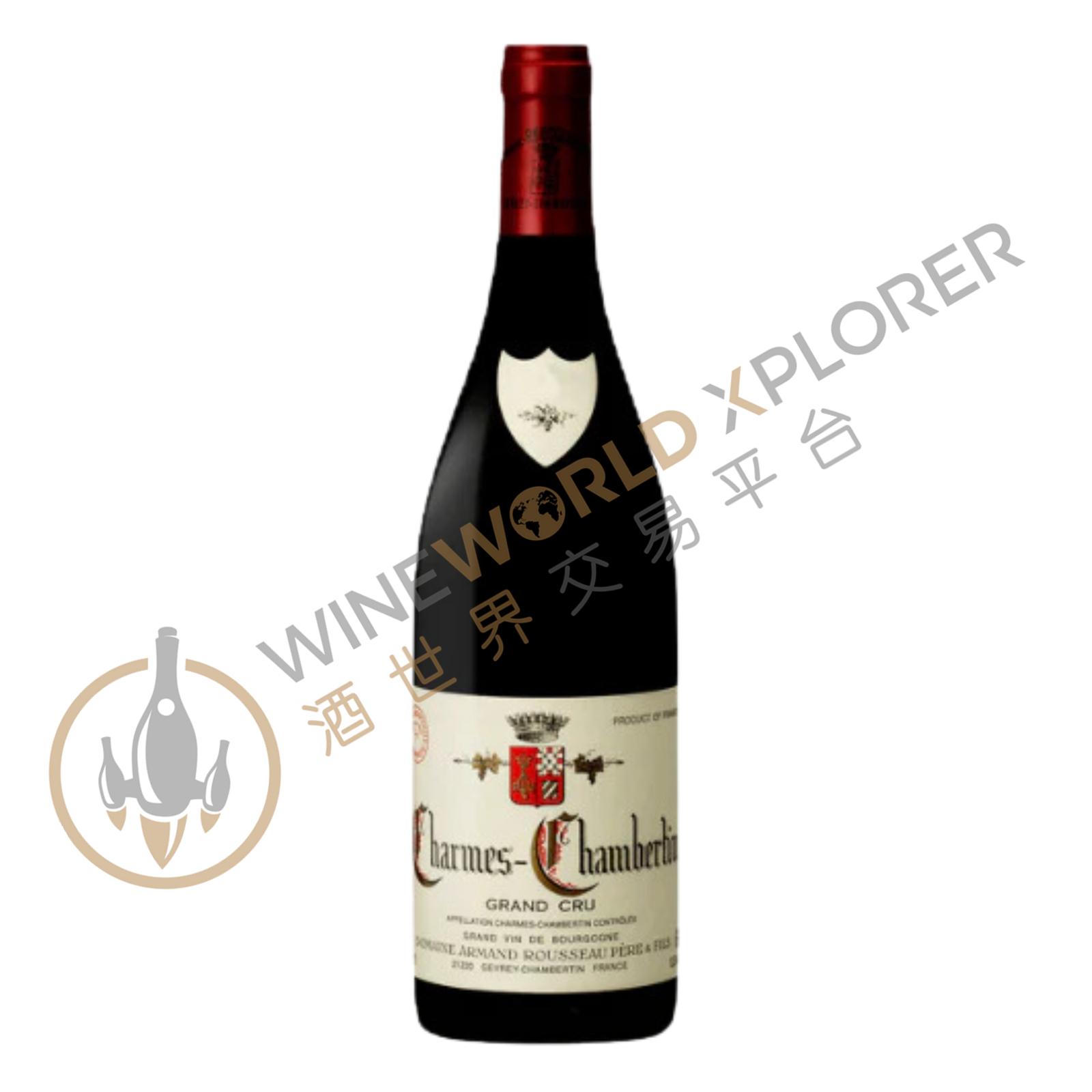
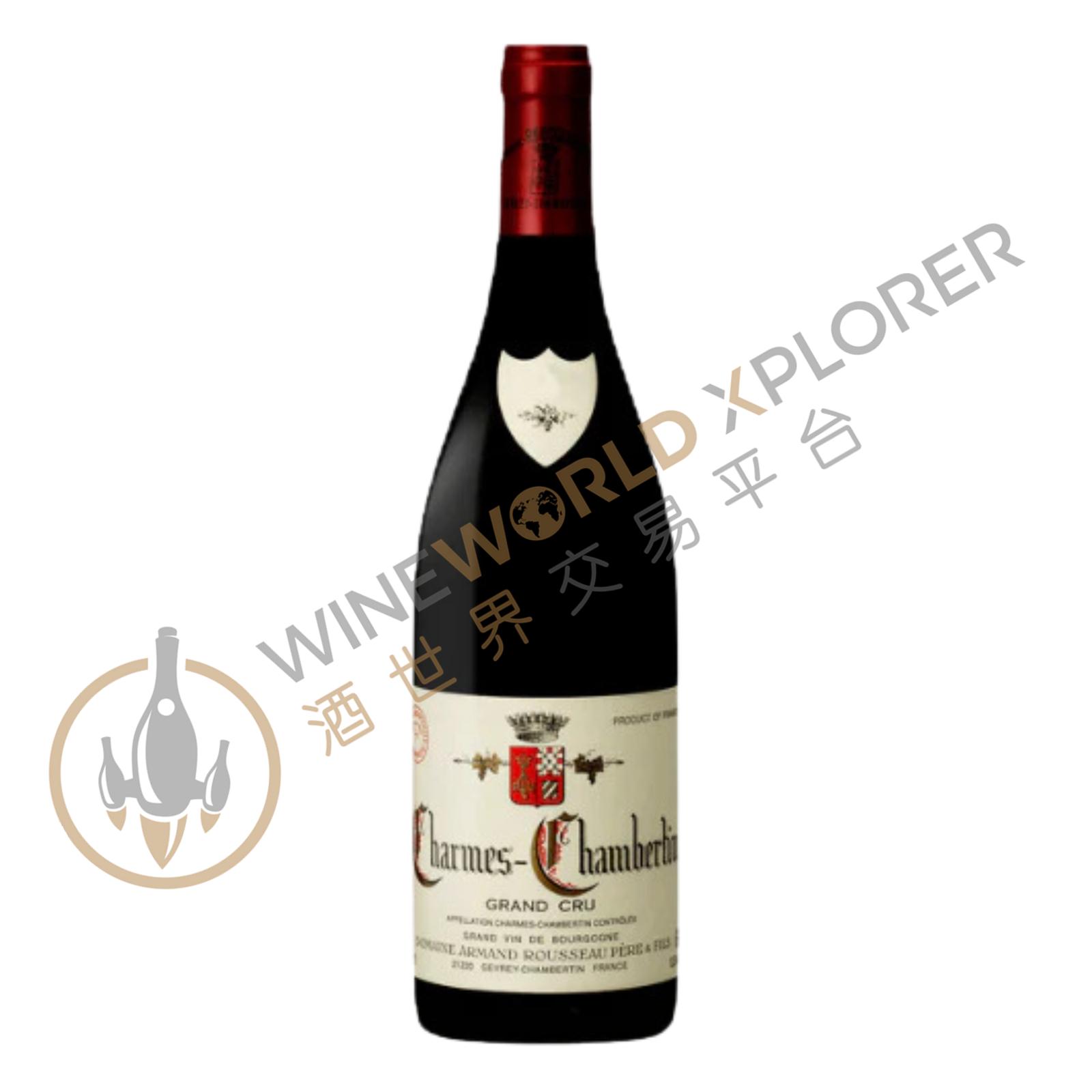
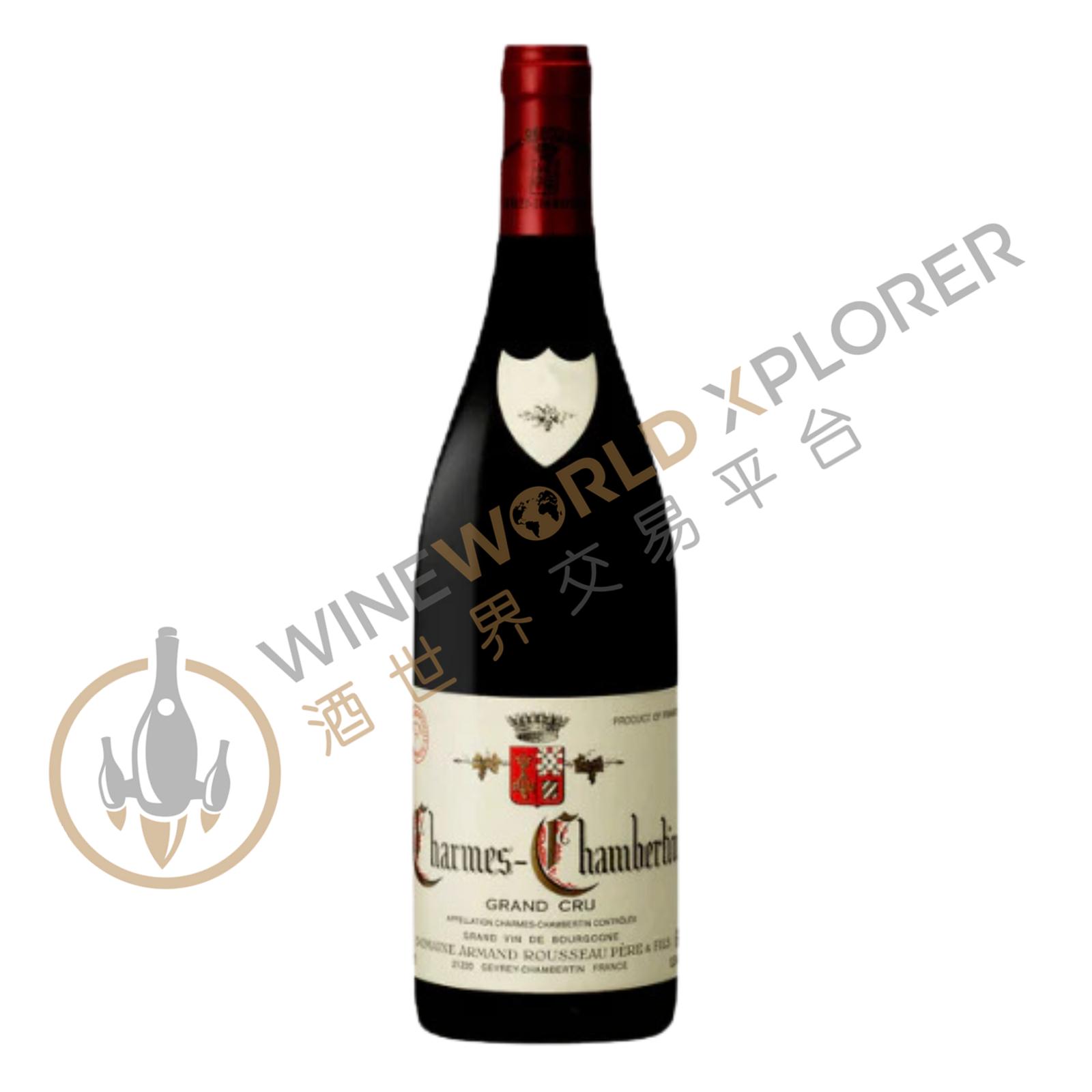
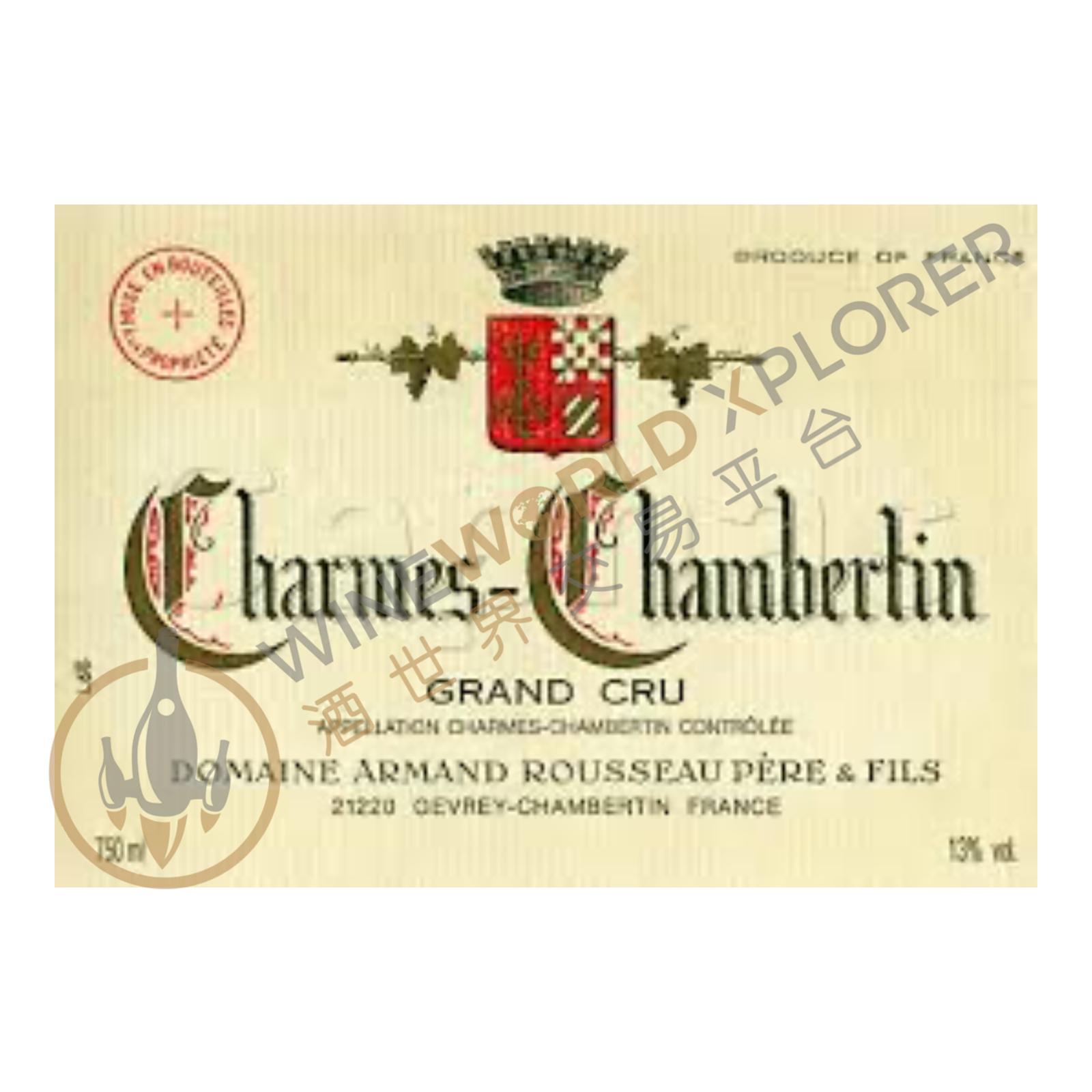
Armand Rousseau, Chambertin Grand Cru 2005
 View analysis


Description
Tasting notes

Reviewed by: Neal Martin
The only way to finish a memorable week tasting Burgundy 2005 with this incredible wine. Eric Rousseau pours me samples from different barrels. The first from Francois Freres barrels dried for two years: a broody nose, firm and full-bodied on the palate, lending the wine power and backbone. Incredible length. The second from the same barrel but dried for three ears: more opulent and vivacious on the entry but drier on the finish. From Troncais barrels more earthier on the nose but with the greatest definition and precision. Two assemblages sampled: one in London the other blended by Eric himself with surprisingly similar notes. The nose is intense and incredibly powerful with black cherries, a touch of forest floor, a touch of garrigues (fennel) and citrus fruits. The palate is full-bodied, muscular, perfectly balanced with purity difficult to describe. The perfect example of an effortless, natural wine. A profound elixir. Drinking 2015-2050. Tasted January 2007
Reviewed by: Lisa Perrotti-Brown
Medium+ ruby-garnet colour. Aromas of loam, moss, truffles and tar contribute earthy complexity to the ripe raspberry, dark chocolate and hung meat core. The palate is very refined, rich yet wonderfully balanced by medium+ acidity. The medium+ level of tannins are finely grained giving this wine achingly good mouth feel. Very, very long finish. Drink 2011 – 2025. Tasted November 2008.
Reviewed by: Stephen Tanzer
Good full red. Pure aromas of dark, wild raspberry, candied cherry, smoke, game and mint, all lifted by an ineffable floral perfume. Wonderfully rich, fat and voluminous, combining great sappy cut with an utterly spherical, silky texture (yes, my note says this is possible). The rising finish features great palate-staining length, a chewy impression of extract and endless subtlety. This extremely intense wine shut down in my glass, but was once again spectacular when I retasted it a few hours later.
Reviewed by: Stephen Tanzer
Good deep red. Multidimensional nose offers black cherry, dark raspberry, smoke, game, minerals, licorice and flowers; conveys an almost medicinal austerity. The biggest, richest and longest of these 2005s, with explosive sappy sweetness and superb depth. This has a texture of liquid velvet and obviously strong extract but is very young, tight and tannic today and will require many years to express its inherent complexity. Eric Rousseau told me he prefers this to the Clos de Beze due to the effect of the added ripeness of the vintage in this colder site. He notes that over the past five or six years he has harvested in Chambertin before Clos de Beze because he feels that this fruit needs more ripening on the vine. Two additional days really made a difference, he said.
Reviewed by: David Schildknecht
Rousseau’s 2005 Chambertin – assembled from four parcels, three of them in relatively cool, well-ventilated portions of this cru – offers high-toned aromas of plum distillate, tea and marzipan, but on the palate, chalk, raw beef, dried plum, bitter-sweet black fruits and roasted fennel flavors combine for a low-registered richness. This is the creamiest, plushest, most voluminous, and perhaps in the final analysis deepest wine of this year’s Rousseau collection, with a savory meatiness, chalky minerality and a well of fruit impossible to plumb at such an early stage in what will certainly be three or more decades of testimony to the true greatness of this famous site. With Eric Rousseau taking over increasingly from his father Charles, bottling may end up being slightly earlier than in the past, but such routine features as triage exclusively in the vineyards (not the press house), the inclusion of whole clusters and stems, precocious malolactic fermentation (although in 2005 and 2006, at least, Rousseau says he didn’t force this), reliance on older barrels, and an eventual light plaque filtration for all wines remain as before. Given the long-running success of these Pinots in subtly yet insistently conveying the distinct personalities of their sites and standing the test of time, some might well ask “why change the recipe?” while others will wonder whether the wines could be made even better. In any event, nature conspired to hand the new generation a vintage of historic dimensions. Importer: Frederic Wildman & Sons, New York, NY; tel. (212) 355-0700
About the Producer
Domaine Armand Rousseau Pere et Fils was founded in the early 20th century by Armand Rousseau when he was only 18 years old and inherited the vineyard from his father. Armand Rousseau was born into a family of small landowners, and his family members were mostly engaged in wine-related occupations, such as grape farmers, coopers and wine merchants. After Armand married in 1909, he acquired additional vineyards and estate. The property is set around a church built in the 13th century, and the property includes a house, storeroom and wine cellar. When he first entered the wine business, Armand sold wine in bulk to local distributors. After that, Armand successively purchased a batch of new vineyards, such as the plot in Charmes-Chambertin in 1919 and the Clos de la Roche in 1920. The plot, that is, since then, on the advice of Raymond Baudoin (founder of the magazine Revue des Vins de France), Oman decided to bottle and sell its own fine wines, especially for restaurants and wine lovers . Armand Rousseau's wine business is booming, and at the same time he is also expanding the scale of the winery, especially he has also successively purchased many famous vineyards, such as the purchase of Mazy-Chambertin in 1937. Garden, purchased in 1940 Mazoyeres-Chambertin garden (Mazoyeres-Chambertin). At present, the winery has a total vineyard area of 14.1 hectares, of which 2.21 hectares are village-level vineyards, 3.48 hectares are first-class vineyards, and 8.41 hectares are AOC-classified vineyards. The average age of the vines is 40 to 45 years old, the grape variety is 100% Pinot Noir, and the planting density is 11,000 vines per hectare. In 1945, Armand Rousseau's son, Charles Rousseau, joined his father in wine studies after studying wine studies. In 1959, Armand Rousseau tragically passed away in a car accident, and Charlie Rousseau took the responsibilities alone and supported the development of the entire winery. Armand Rousseau has a very amazing language talent, he can communicate with others fluently in English and German, therefore, he decided to vigorously expand the wine export business, the business scope expanded rapidly from the United Kingdom, Germany, Switzerland to the whole of Europe, followed by Countries such as Canada, Australia, New Zealand and Brazil. In 1982, Eric Rousseau, the son of Charles Rousseau, injected new vitality into the development of the winery. In terms of vineyard management, Eric has introduced new technologies, such as controlling grape yield and improving fruit quality through green harvesting (Green Harvest) and leaf pruning, and using almost no pesticides or chemicals in the vineyard Substances are used to protect the soil and guide the winery to develop in an organic direction. At the same time, he also respects traditional winemaking techniques and tries his best to reduce manual intervention in the winemaking process. In 2014, Cyrielle Rousseau, Eric's daughter, joined the winery to jointly manage the winery. Seriller learned foreign winemaking techniques and accumulated rich experience in cooperation with wine merchants. With the joint efforts of four generations of the Rousseau family, the quality of the wines produced by Aman Rousseau has been very stable and widely recognized by consumers. The winery produces many grand cru wines, such as Domaine Armand Rousseau Pere et Fils Chambertin Clos de Beze Grand Cru, Cote de Nuits, France. Made from the finest Pinot Noir grapes, with fruity aromas of raspberries and cherries, with hints of leather, cinnamon and dark chocolate, the palate reveals ripe red fruit flavours, with a firm and supple mouthfeel with an impressive structure, with a persistent and wonderful finish. It has won over 95 points from well-known wine critics such as Robert Parker Team and Wine Spectator for many years.
1959(1)1976(1)1979(1)1980(1)1988(1)1989(1)1990(3)1991(1)1992(1)1995(2)1996(3)1997(1)1998(1)1999(3)2000(4)2001(2)2002(4)2003(3)2004(4)
Package Size