
 Wine Advisor



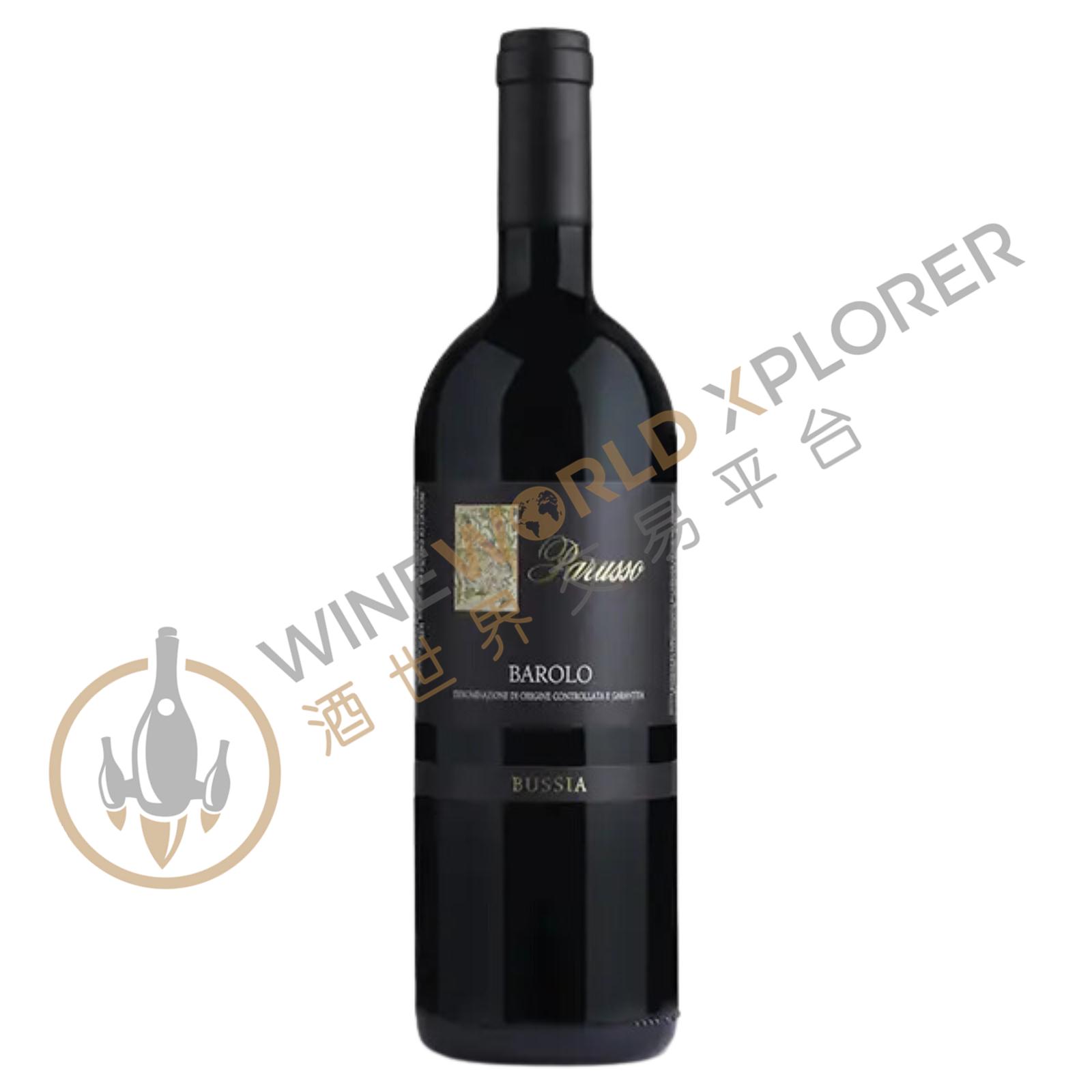
Parusso, Barolo Bussia 2006


Description
Armando Parusso, Barolo, Bussia Special, Piedmont, Italy, Still, Red, 2007
Tasting notes

Reviewed by: Antonio Galloni
The 2006 Barolo Bussia reveals a multitude of balsamic, mineral-infused aromas and flavors. Large-scaled and dramatic, the Bussia sweeps across the palate, showing off tons of pedigree and sheer class. The Bussia is quite a bit more backward than the Le Coste-Mosconi, and it will require considerable cellaring, but it is a beauty. Flowers, spices and minerals waft out of the glass on the sensual, ethereal finish. I also tasted the Riserva version of this wine, which won’t be released for a few years. For now, let me just say the 2006 Riserva is shaping up to be another hugely promising, important wine from Parusso in this vintage. Anticipated maturity: 2018-2031. I was deeply impressed with the wines I tasted from Marco Parusso this year. Parusso gambled and left the fruit hanging until late October, when he brought in the last of the Nebbiolo crop. The 2006 Barolos were vinified first in steel, then racked into French oak, where the alcoholic and malolactic fermentations were completed. The wines spent 24 months on their lees prior to being bottled. Marco Parusso is one of Piedmont’s most relentless explorers, and every new vintage seems to bring with it a twist. Parusso is among the few producers increasing the amount of new French oak in his Barolos and has begun experimenting with the partial use of stems in vinification, an approach no one else to my knowledge in using in Piedmont. Importer: Montecastelli Selections, New York, NY; tel. (212) 414-4898
Reviewed by: Antonio Galloni
The 2006 Barolo Bussia reveals a multitude of balsamic, mineral-infused aromas and flavors. Large-scaled and dramatic, the Bussia sweeps across the palate, showing off tons of pedigree and sheer class. The Bussia is quite a bit more backward than the Le Coste-Mosconi, and it will require considerable cellaring, but it is a beauty. Flowers, spices and minerals waft out of the glass on the sensual, ethereal finish. I also tasted the Riserva version of this wine, which won't be released for a few years. For now, let me just say the 2006 Riserva is shaping up to be an important wine in this vintage.
Reviewed by: Stephen Tanzer
Good full, deep red-ruby. Black raspberry, cherry, coffee and flowers on the complex and inviting nose. Broad, sexy and sweet, displaying lovely fullness and balance. The ripe fruit flavors are complemented by coffee and cocoa notes. Finishes long and satisfying, with chewy but pliant tannins and captivating sweetness. Here the fruit seems thoroughly ripe.
About the Producer
Parusso is a Piemontese wine producer particularly known for its Barolo wines from the Nebbiolo grape variety. The wines have the reputation of combining approachability on release with the ageability typical of the appellation. The estate dates back to 1901 when Gaspare Parusso bought his first vineyard, a plot in Mariondino. In 1925, the family bought the Rovella farmhouse in Bussia where the cellars are now situated, although the first wines under the Parusso label were not released until 1971. In 1989, Parusso bought the Munie vineyard in Bussia. Today, there are 22 hectares (54 acres) of estate vineyards throughout the Barolo region. This includes plots in several of the Barolo cru vineyards, including Le Coste, Mariondino and Mosconi, as well as Bussia. These provide a range of terroirs, covering chalky marl to more sandstone-dominated plots. Each plot is carefully mapped so it can be tended effectively. Green harvests are used to limit yields. Parusso's portfolio is headed by two Riserva Barolo wines, Oro (from Bussia fruit) and Argento (from several villages). There is also a range of Barolo Cru wines from the estate's cru vineyards, as well as a standard Barolo and a Langhe Nebbiolo. Parusso makes wines under several other DOCG and regional titles, including Barbera d'Alba, Dolcetto d'Alba, and several white and sparkling wines under the Langhe designation. Around 120,000 bottles are produced per year. Red winemaking at Parusso tends towards the modern, with all reds except for the Dolcetto aged in small oak barrels. The generic and Cru Barolo spend 24 months in oak, while the Riserva wines spend 30 months.