
 Wine Advisor



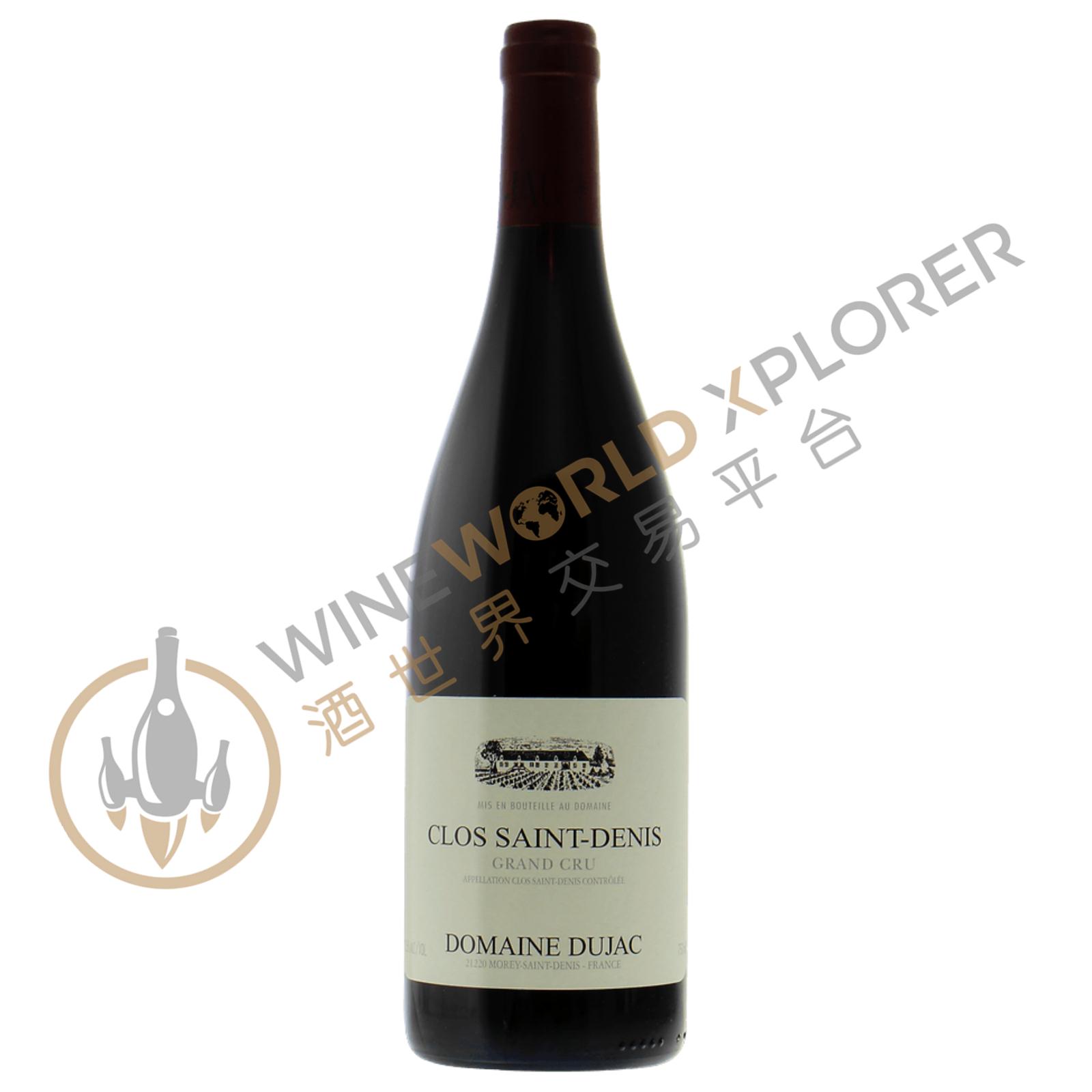
Domaine Dujac, Clos St Denis Grand Cru 2013
 View analysis


Description
Tasting notes

Reviewed by: Antonio Galloni
The 2013 Clos St. Denis is a wine of detail, nuance and precision. All the classic Clos St. Denis signatures are present, but it's almost as if they are expressive in miniature in the 2013. Feminine and supple throughout, the 2013 Clos St. Denis shows the more finessed side of Morey, and it does so in grand style.
Reviewed by: Stephen Tanzer
Full, dark red. Captivating rose petal lift to the aromas of red fruits, iron and minerals; less earthy and more ethereal than the Clos de la Roche. Also juicier and tighter in the mouth, showing less early sweetness but terrific acid spine and lift to the sappy flavors of raspberry and salty minerals. This wine has really put on weight since its bottling, noted Diane Snowden. But it still boasts terrific cut and inner-mouth tension. Lay this one down.
Reviewed by: Stephen Tanzer
(80% new oak): Bright deep red. Highly complex, deep aromas of cherry, dried rose, leather, iron and smoky minerals. Sappy and intense, displaying outstanding precision and energy to the flavors of cherry, flowers and spices. Finishes with outstanding length; it's hard to scrape this off your palate. A great early showing for Dujac's Clos Saint-Denis, which is often inscrutable in the early going and overshadowed by the Clos de la Roche, but this wine also has a brilliant structure for aging. The crop level here was 28 hectoliters per hectare, according to Jeremy Seysses.
About the Producer
Domaine Dujac is managed by the Seysses family. It was founded in 1967 by Jacque Seyesses. At the beginning, Château Dujac had only 4.5 hectares of vineyards in Morey-Saint-Denis. The vineyards were expanded with the purchase of Echezeaux, Bonnes MaresChambertin, Romanee St Vivant and Vosene-Romanee. The estate also owns 1.95 hectares of vineyards in the Clos de la Roche, where the vines are on average 45 to 50 years old. The estate also has 1.45 hectares of vineyards in Clos Saint-Denis, with vines of an average age of 45 to 50 years. In 2005, Château Dujac, together with Chateau de Puligny-Montrachet, acquired Domaine Charles Thomas, acquiring Charles Thomas' shares in the vineyards of Chambertin, Vosne- Romanee and other vineyards. However, the estate sold some of its vineyards after the purchase in order to finance the purchase. However, this acquisition allowed the estate to expand to around 15.5 hectares. Under Jacques' leadership, Château Dujac has developed very well. The grapes were pressed whole and the must was fermented in new oak barrels, and in 1999, when Jacques handed over the running of the estate to his son, the way the estate was made changed dramatically: the grapes were sometimes destemmed and the barrels used for fermentation were probably only 25% new oak. However, the estate's Grand Cru wines are still matured in new oak barrels, while the Grand Cru wines are matured in 60% to 80% new oak barrels. Bottling usually takes place in February or March of the following year. The estate produces around 4,650 bottles/hectare of wine.
